
 IN
INundefined
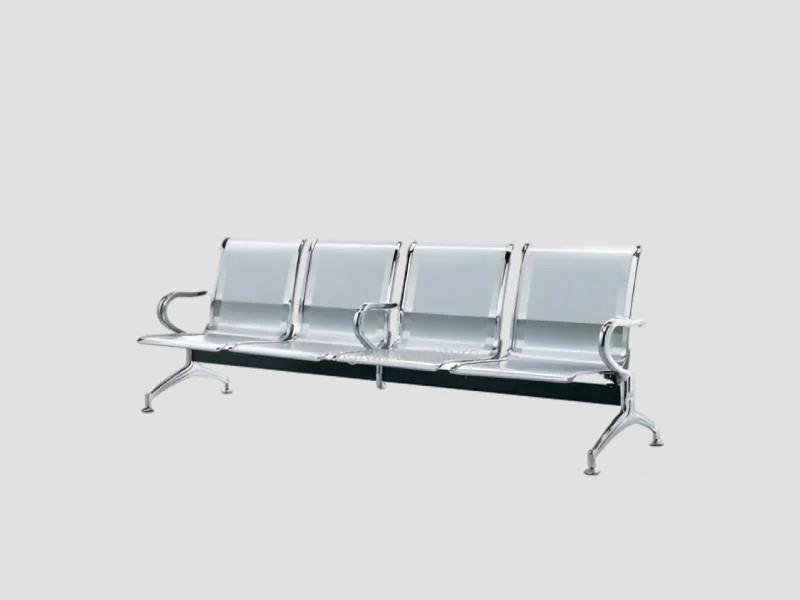
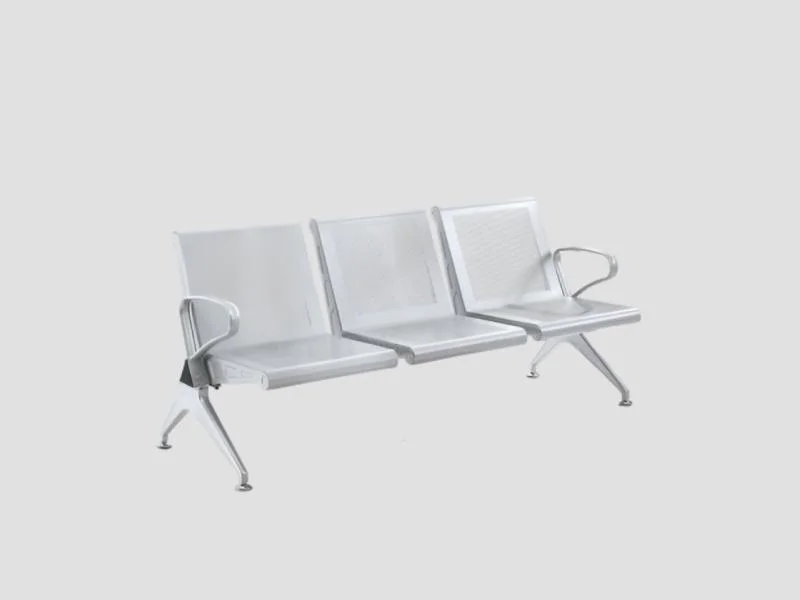
Waiting Room Chairs
3 products available
𝗪𝗵𝗮𝘁 𝗮𝗿𝗲 𝗪𝗮𝗶𝘁𝗶𝗻𝗴 𝗥𝗼𝗼𝗺 𝗖𝗵𝗮𝗶𝗿𝘀?
Waiting room chairs are specially designed seating solutions intended for use in various public and commercial settings. They typically feature a durable construction and ergonomic design to provide comfort for users who may be sitting for extended periods. These chairs come in various styles, sizes, and materials to cater to different environments, from healthcare facilities to corporate offices.
The primary applications of waiting room chairs include medical offices, clinics, airports, and corporate reception areas. Businesses use these chairs to enhance the comfort of their visitors while maintaining a professional appearance. The design and functionality of waiting room chairs can significantly impact the overall experience of clients and patients, making them essential furniture pieces in any setting where people may need to wait.
In today's market, the demand for waiting room chairs is driven by the need for quality and comfort in public spaces. Industries such as healthcare, education, and corporate services recognize the importance of providing a welcoming environment, and waiting room chairs play a crucial role in achieving this goal. As a result, manufacturers continuously innovate to meet evolving design trends and user preferences.
𝗞𝗲𝘆 𝗙𝗲𝗮𝘁𝘂𝗿𝗲𝘀 𝗮𝗻𝗱 𝗦𝗽𝗲𝗰𝗶𝗳𝗶𝗰𝗮𝘁𝗶𝗼𝗻𝘀
Waiting room chairs are characterized by a range of features and specifications that enhance their usability and comfort. These specifications enable buyers to select the right chairs based on their specific business needs.
Key specifications include:
1. Material
- Common materials include metal, plastic, and upholstery.
- Each material offers different durability, aesthetics, and maintenance requirements.
2. Weight Capacity
- Most waiting room chairs can support between 250 to 500 pounds.
- Important for ensuring safety and comfort for all users.
3. Dimensions
- Standard chair width ranges from 18 to 24 inches.
- Height usually varies from 32 to 40 inches.
4. Style
- Available styles include armless, with arms, and modular seating.
- Selection impacts space utilization and user comfort.
5. Mobility
- Some models feature wheels for easy relocation.
- Helpful in multi-purpose environments.
6. Finish
- Options for finishes include powder coating and wood veneer.
- Different finishes can enhance the aesthetic appeal.
7. Fire Resistance
- Many chairs meet specific fire safety standards.
- Essential for compliance in public spaces.
8. Maintenance
- Easy-to-clean surfaces are available.
- Important for high-traffic areas to maintain hygiene.
In summary, understanding the key features and specifications of waiting room chairs is essential for making informed purchasing decisions that align with business needs.
𝗖𝗼𝗺𝗺𝗼𝗻 𝗔𝗽𝗽𝗹𝗶𝗰𝗮𝘁𝗶𝗼𝗻𝘀 𝗮𝗻𝗱 𝗨𝘀𝗲 𝗖𝗮𝘀𝗲𝘀
Waiting room chairs find applications across various industries, emphasizing their versatility and importance in public spaces.
1. Healthcare: In hospitals and clinics, waiting room chairs provide comfort for patients and visitors. Their ergonomic design promotes a soothing atmosphere during stressful times.
2. Education: Schools and universities utilize waiting room chairs in administrative offices and student lounges. They create a welcoming space for students and staff alike.
3. Corporate Offices: Waiting room chairs in reception areas enhance the professional image of a business. They ensure clients feel comfortable while waiting for appointments.
4. Airports: Airlines use waiting room chairs in terminals for travelers. Their durability and comfort are crucial for long wait times.
5. Government Offices: Public sector offices require waiting room chairs that can accommodate a diverse range of visitors. These chairs help improve the overall experience in often busy environments.
6. Retail: Stores may incorporate waiting room chairs in customer service areas. This encourages shoppers to relax while waiting for assistance.
7. Community Centers: Public facilities use waiting room chairs to create inviting spaces for community members. This fosters engagement and participation in local programs.
𝗣𝗿𝗼𝗱𝘂𝗰𝘁 𝗩𝗮𝗿𝗶𝗮𝗻𝘁𝘀 𝗮𝗻𝗱 𝗦𝘂𝗯𝗰𝗮𝘁𝗲𝗴𝗼𝗿𝗶𝗲𝘀
Waiting room chairs come in various styles and configurations to meet different needs and preferences.
Armless Waiting Room Chairs
These chairs are designed without armrests to maximize space and facilitate easy movement. They are ideal for tight waiting areas and can accommodate more users.
Chairs with Arms
These models provide additional support and comfort. They are suitable for environments where longer waiting times are expected.
Modular Seating
Modular options allow for flexible arrangements. These can be reconfigured based on space requirements, making them perfect for dynamic environments.
Stackable Chairs
These chairs are designed for easy storage and transportation. They are ideal for temporary setups and events.
𝗕𝗲𝗻𝗲𝗳𝗶𝘁𝘀 𝗮𝗻𝗱 𝗔𝗱𝘃𝗮𝗻𝘁𝗮𝗴𝗲𝘀
Choosing the right waiting room chairs provides numerous advantages for businesses.
Key benefits include:
1. Enhanced Comfort: Ergonomically designed chairs promote better posture and comfort for users, improving their overall experience.
2. Increased Space Efficiency: Options like armless and modular seating allow businesses to optimize their available space.
3. Professional Appearance: High-quality waiting room chairs help create a welcoming environment that reflects positively on the brand.
4. Durability: Many waiting room chairs are built to withstand heavy use, ensuring longevity and reducing replacement costs.
5. Easy Maintenance: Chairs with easy-to-clean surfaces help maintain hygiene in high-traffic areas.
6. Customization: Many manufacturers offer options for customization, allowing businesses to match chairs to their branding and decor.
𝗕𝘂𝘆𝗶𝗻𝗴 𝗚𝘂𝗶𝗱𝗲 𝗳𝗼𝗿 𝗕𝟮𝗕 𝗕𝘂𝘆𝗲𝗿𝘀
When sourcing waiting room chairs, it is crucial for B2B buyers to consider several factors that will influence their purchasing decisions.
1. Quality Assessment: Look for chairs made from high-quality materials that meet industry standards. Assessing durability and comfort is essential for long-term use.
2. Supplier Verification: Vet suppliers thoroughly to ensure they provide reliable products and services. Researching their reputation and customer reviews can help in this process.
3. Pricing and MOQ: Understand the pricing structure and minimum order quantity (MOQ) requirements. This information is critical for budgeting and inventory planning.
4. Delivery and Lead Times: Inquire about delivery options and lead times. Timely delivery is important to minimize disruption to your operations.
5. Compliance Requirements: Ensure that the chairs meet any relevant regulatory requirements, including safety and quality certifications. This can prevent future legal issues and enhance customer trust.
𝗖𝗼𝗺𝗽𝗹𝗶𝗮𝗻𝗰𝗲 𝗮𝗻𝗱 𝗖𝗲𝗿𝘁𝗶𝗳𝗶𝗰𝗮𝘁𝗶𝗼𝗻𝘀
Waiting room chairs must adhere to various quality and safety standards to ensure they are suitable for public use. Key certifications that may apply include CE, which indicates compliance with health, safety, and environmental protection standards within the European Economic Area.
Additionally, manufacturers should consider relevant quality management systems, such as ISO 9001. This certification demonstrates a commitment to quality and consistency in production.
Safety testing is also critical, particularly for chairs used in public spaces. Compliance with fire safety regulations can be essential, depending on the location of use.
Regional compliance considerations can vary, so it is essential to stay informed about specific requirements in your area. Understanding these standards ensures that the chairs not only meet aesthetic needs but also adhere to safety and quality benchmarks.
𝗪𝗵𝘆 𝗦𝗼𝘂𝗿𝗰𝗲 𝗪𝗮𝗶𝘁𝗶𝗻𝗴 𝗥𝗼𝗼𝗺 𝗖𝗵𝗮𝗶𝗿𝘀 𝗳𝗿𝗼𝗺 𝗣𝗲𝗽𝗮𝗴𝗼𝗿𝗮?
Pepagora is a trusted platform for sourcing waiting room chairs, offering several key advantages to B2B buyers.
Verified Supplier Network: Pepagora connects buyers with a robust network of verified suppliers. This ensures that businesses can source high-quality products with confidence.
Streamlined RFQ Process: The request for quotation (RFQ) process on Pepagora is designed to be efficient and user-friendly. Buyers can easily compare quotes and select the best options for their needs.
Trade Assurance and Support: Pepagora provides trade assurance to protect buyers throughout the purchasing process. This includes support for resolving any issues that may arise.
Regional Coverage: Pepagora has a strong presence in regions like India, the GCC, and Southeast Asia. This geographic reach allows businesses to access local suppliers while benefiting from a global marketplace.
Newly Added


Recently Added
A One Furniture Projects
Commercial Cafe Chairs Durable CRCA Material Powder Coated
Wooden Chairs Durable Comfortable Seating For Offices Restaurants
Bulk Wooden Chairs Premium Durable Comfort Commercial Seating
Universe Surgical
Hospital Bed Unipro Home Easy Multifunctional Motorized with Commode
UNIPRO 2 Hospital Bed with Fall Detection and Weight Monitoring
Electric Hospital Bed with Adjustable Positioning and Safety Features
Why Businesses Trust Pepagora
Thousands of companies trust Pepagora to source smarter and sell faster
Expand Your Sales Globally
25000+Products listed.Get discovered by global buyers
Tools to boost visibility
Build your own catalog

Source Smarter,Grow Faster
4000+Active RFQs
100+ Countries served
Easy Sourcing Tools
