
 IN
INundefined
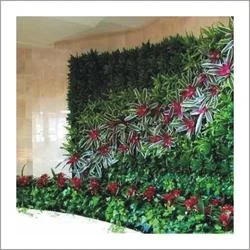
Vertical Farming Towers
1 products available
𝗪𝗵𝗮𝘁 𝗮𝗿𝗲 𝗩𝗲𝗿𝘁𝗶𝗰𝗮𝗹 𝗙𝗮𝗿𝗺𝗶𝗻𝗴 𝗧𝗼𝘄𝗲𝗿𝘀?
Vertical farming towers are innovative agricultural systems designed to grow crops in vertically stacked layers. This method maximizes production in a minimal space, allowing for efficient use of land and resources. Vertical farming towers typically utilize hydroponics, aeroponics, or aquaponics, which do not require soil and enable precise control over nutrient delivery, light, and water. These systems can be integrated into urban environments, addressing food production challenges in densely populated areas.
The primary uses of vertical farming towers include commercial agriculture, research facilities, and educational institutions. Businesses leverage these systems to produce high-quality crops year-round, regardless of external weather conditions. Additionally, vertical farming towers are increasingly popular in restaurants and retail environments where fresh produce is desired. The industry is seeing a surge in demand due to the growing interest in sustainable farming practices and local food sourcing, making vertical farming a viable solution for future food security.
As urbanization continues to rise, vertical farming towers play a critical role in the agricultural landscape. They represent a shift towards more sustainable practices that reduce the carbon footprint associated with traditional farming methods. The market for vertical farming is expected to grow significantly, driven by technological advancements, increased investment, and the need for efficient food production systems.
𝗞𝗲𝘆 𝗙𝗲𝗮𝘁𝘂𝗿𝗲𝘀 𝗮𝗻𝗱 𝗦𝗽𝗲𝗰𝗶𝗳𝗶𝗰𝗮𝘁𝗶𝗼𝗻𝘀
Vertical farming towers come equipped with several features that enhance their functionality and efficiency. These features are designed to support varying plant growth conditions and meet the needs of different users. Understanding the technical specifications is crucial for selecting the appropriate system for specific applications.
Key specifications include:
1. Growing Method
- Hydroponics, aeroponics, or aquaponics
- Each method has unique benefits for plant growth and resource efficiency
2. Dimensions
- Varies based on model and design
- Height can range from 1 meter to over 3 meters
3. Capacity
- Number of plants supported per tower
- Can range from a few dozen to several hundred plants
4. Light Source
- LED grow lights or natural light integration
- Adjustable light spectrum to optimize growth
5. Water Usage
- Efficient water recycling systems
- Typically consumes 90% less water than traditional farming
6. Nutrient Delivery System
- Automated systems for precise nutrient management
- Allows for tailored nutrient solutions based on crop requirements
7. Monitoring Features
- Sensors for humidity, temperature, and nutrient levels
- Real-time data tracking for optimized growth conditions
8. Material Construction
- Durable materials like PVC or stainless steel
- Designed for longevity and resistance to environmental factors
In summary, understanding these key features and specifications can help businesses choose the right vertical farming tower to meet their unique agricultural needs.
𝗖𝗼𝗺𝗺𝗼𝗻 𝗔𝗽𝗽𝗹𝗶𝗰𝗮𝘁𝗶𝗼𝗻𝘀 𝗮𝗻𝗱 𝗨𝘀𝗲 𝗖𝗮𝘀𝗲𝘀
Vertical farming towers serve various industries by providing innovative solutions for crop production in limited spaces.
1. Agriculture: Farmers utilize vertical farming towers to grow high-demand crops in urban areas, ensuring fresh produce reaches consumers quickly.
2. Hospitality: Restaurants and hotels incorporate vertical farming towers to grow their own herbs and vegetables, enhancing menu freshness and sustainability.
3. Education: Schools and universities use these systems for agricultural education programs, allowing students to engage in hands-on learning about sustainable farming practices.
4. Retail: Grocery stores and markets adopt vertical farming towers to offer locally grown produce, appealing to health-conscious consumers.
5. Research: Agricultural research institutions employ vertical farming towers for experimental crop studies, testing new varieties and growth techniques.
6. Landscaping: Urban developers use vertical farming systems in building designs, promoting green spaces and enhancing aesthetics.
7. Health and Wellness: Health-focused organizations grow herbs and medicinal plants in vertical towers, ensuring quality and organic options for wellness products.
𝗣𝗿𝗼𝗱𝘂𝗰𝘁 𝗩𝗮𝗿𝗶𝗮𝗻𝘁𝘀 𝗮𝗻𝗱 𝗦𝘂𝗯𝗰𝗮𝘁𝗲𝗴𝗼𝗿𝗶𝗲𝘀
Vertical farming towers come in various designs and configurations to cater to different user needs.
Compact Tower
This variant is designed for home use or small businesses. With a smaller footprint, it is ideal for urban gardeners who want to grow fresh herbs and vegetables indoors or on balconies.
Commercial Tower
A larger model tailored for commercial use, it accommodates numerous plants and features advanced hydroponic systems. Perfect for businesses aiming to produce crops at scale for retail or restaurant supply.
Modular Tower
These towers can be expanded or reconfigured, allowing users to customize their setup based on available space and growing requirements. The modular design is suitable for dynamic agricultural operations.
Automated Tower
Equipped with advanced sensors and automation systems, this variant offers remote monitoring and management. It is designed for tech-savvy businesses that want to streamline their operations and optimize plant growth.
𝗕𝗲𝗻𝗲𝗳𝗶𝘁𝘀 𝗮𝗻𝗱 𝗔𝗱𝘃𝗮𝗻𝘁𝗮𝗴𝗲𝘀
Investing in vertical farming towers presents numerous advantages for businesses seeking sustainable agricultural solutions.
Key benefits include:
1. Space Efficiency: Vertical farming towers maximize crop yield in limited spaces, making them ideal for urban environments where land is scarce.
2. Resource Conservation: These systems use significantly less water and land compared to traditional farming, contributing to environmental sustainability.
3. Year-Round Production: Vertical farming towers enable continuous crop cultivation, providing fresh produce regardless of seasonal changes.
4. Reduced Transportation Costs: Growing food closer to consumption points decreases transportation needs, lowering carbon emissions and costs.
5. High-Quality Produce: Controlled environments lead to healthier plants and higher quality crops, enhancing consumer satisfaction.
6. Customizable Growth Conditions: Users can tailor light, water, and nutrients to meet specific crop needs, optimizing growth and yield.
𝗕𝘂𝘆𝗶𝗻𝗴 𝗚𝘂𝗶𝗱𝗲 𝗳𝗼𝗿 𝗕𝟮𝗕 𝗕𝘂𝘆𝗲𝗿𝘀
When sourcing vertical farming towers, it is essential to consider several factors to ensure a successful purchase.
1. Quality Assessment: Evaluate the construction materials and technology used in the towers. Look for systems that comply with recognized standards for durability and performance.
2. Supplier Verification: Research potential suppliers thoroughly. Check for reviews, case studies, and their reputation in the industry to ensure reliability.
3. Pricing and MOQ: Understand the price range for different tower models and inquire about minimum order quantities. This helps in budgeting and aligning with your business needs.
4. Delivery and Lead Times: Discuss logistics with suppliers. Confirm lead times for delivery to plan your project timelines effectively.
5. Compliance Requirements: Ensure that the towers meet regional agricultural regulations and safety standards. This includes certifications like CE for quality assurance.
𝗖𝗼𝗺𝗽𝗹𝗶𝗮𝗻𝗰𝗲 𝗮𝗻𝗱 𝗖𝗲𝗿𝘁𝗶𝗳𝗶𝗰𝗮𝘁𝗶𝗼𝗻𝘀
Compliance and certifications are critical factors in ensuring the safety and quality of vertical farming towers.
Relevant quality standards such as ISO 9001 are often sought to ensure that manufacturers maintain effective quality management systems. These standards help guarantee that the towers meet customer and regulatory requirements.
Industry certifications, such as CE marking, indicate that the product meets European safety, health, and environmental protection standards. This certification is essential for entering markets that prioritize compliance with strict regulations.
Safety and testing requirements are also crucial. Manufacturers should conduct thorough testing to ensure structural integrity and operational safety. Buyers should inquire about the testing processes used by suppliers.
Regional compliance considerations may vary based on local agricultural regulations. It is vital to review these requirements to ensure that the vertical farming towers meet all necessary guidelines for operation in specific regions.
𝗪𝗵𝘆 𝗦𝗼𝘂𝗿𝗰𝗲 𝗩𝗲𝗿𝘁𝗶𝗰𝗮𝗹 𝗙𝗮𝗿𝗺𝗶𝗻𝗴 𝗧𝗼𝘄𝗲𝗿𝘀 𝗳𝗿𝗼𝗺 𝗣𝗲𝗽𝗮𝗴𝗼𝗿𝗮?
Pepagora provides a trusted platform for sourcing vertical farming towers, offering several key advantages to B2B buyers.
Verified Supplier Network: Pepagora connects buyers with a network of verified suppliers, ensuring that all listed vendors meet industry standards and maintain high-quality products. This creates a safer purchasing environment.
Streamlined RFQ Process: The quotation system is designed to facilitate easy communication between buyers and suppliers. This allows businesses to receive competitive pricing and tailored solutions efficiently.
Trade Assurance and Support: Buyers benefit from trade assurance services that protect their transactions, ensuring that they receive the agreed-upon products and services. Pepagora also offers support throughout the purchasing process.
Regional Coverage: With a strong presence in India, the GCC, and Southeast Asia, Pepagora offers extensive regional coverage, making it a convenient platform for sourcing vertical farming towers across diverse markets. This geographic reach enables businesses to find local suppliers and reduce shipping times and costs.


Recently Added
Con Mat, India
Industrial Rust Converter Primer Water Based Stops Corrosion Instantly
Premium Mould Release Agents For Concrete And Industrial Casting
Premium Polypropylene Fiber For Concrete Reinforcement Durability
Why Businesses Trust Pepagora
Thousands of companies trust Pepagora to source smarter and sell faster
Expand Your Sales Globally
25000+Products listed.Get discovered by global buyers
Tools to boost visibility
Build your own catalog

Source Smarter,Grow Faster
4000+Active RFQs
100+ Countries served
Easy Sourcing Tools
