
 IN
INundefined
Vehicle Navigation Systems
26 products available
𝗪𝗵𝗮𝘁 𝗮𝗿𝗲 𝗩𝗲𝗵𝗶𝗰𝗹𝗲 𝗡𝗮𝘃𝗶𝗴𝗮𝘁𝗶𝗼𝗻 𝗦𝘆𝘀𝘁𝗲𝗺𝘀?
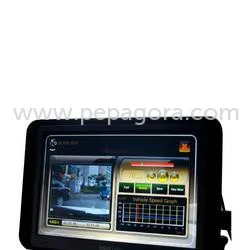
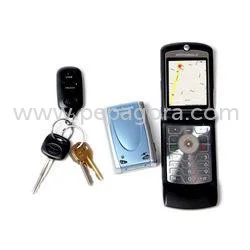
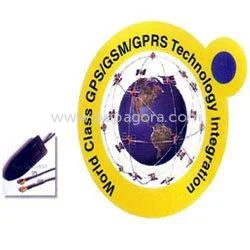
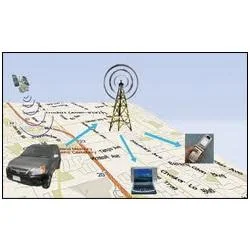
Vehicle Navigation Systems are electronic devices designed to assist in the navigation and guiding of vehicles from one location to another. These systems utilize various technologies such as GPS (Global Positioning System) to determine the vehicle's current position and provide directions based on pre-selected routes. They often include features like real-time traffic updates, route optimization, and voice-guided instructions, making them essential tools for drivers.
In business applications, Vehicle Navigation Systems are widely used in logistics, transportation, and fleet management. Companies rely on these systems to enhance route planning, reduce travel time, and improve fuel efficiency. These devices help businesses manage their operations more effectively by ensuring timely deliveries and minimizing costs associated with fuel and labor. The growing demand for efficient logistics solutions has made Vehicle Navigation Systems an integral part of modern transportation infrastructure.
The relevance of Vehicle Navigation Systems in various industries continues to grow, driven by advancements in technology and increasing consumer expectations. As businesses seek to improve operational efficiency and customer satisfaction, the market for these systems is expected to expand. Innovations such as integration with mobile applications and enhanced connectivity options are paving the way for more sophisticated navigation solutions.
𝗞𝗲𝘆 𝗙𝗲𝗮𝘁𝘂𝗿𝗲𝘀 𝗮𝗻𝗱 𝗦𝗽𝗲𝗰𝗶𝗳𝗶𝗰𝗮𝘁𝗶𝗼𝗻𝘀
Vehicle Navigation Systems come equipped with a range of features and specifications that enhance their functionality and usability. These features cater to diverse user needs and industry requirements.
Key specifications include:
1. GPS Accuracy
- Provides precise location data
- Typically within a range of 5 to 10 meters
2. User Interface
- Touchscreen display for easy navigation
- Intuitive layout for user-friendly operation
3. Real-Time Traffic Updates
- Access to live traffic information
- Helps in avoiding congested routes
4. Route Optimization
- Calculates the fastest or most efficient routes
- Considers factors like distance and traffic conditions
5. Voice Guidance
- Provides spoken turn-by-turn directions
- Enhances driver focus and safety
6. Map Updates
- Regular updates for accuracy and new road information
- Can be done through Wi-Fi or USB
7. Connectivity Options
- Bluetooth and Wi-Fi capabilities for device pairing
- Supports integration with smartphones and other devices
8. Battery Life
- Long-lasting battery for extended use
- Typically ranges from 4 to 10 hours depending on usage
In summary, the key features and specifications of Vehicle Navigation Systems are designed to enhance the driving experience, improve route efficiency, and ensure accurate navigation.
𝗖𝗼𝗺𝗺𝗼𝗻 𝗔𝗽𝗽𝗹𝗶𝗰𝗮𝘁𝗶𝗼𝗻𝘀 𝗮𝗻𝗱 𝗨𝘀𝗲 𝗖𝗮𝘀𝗲𝘀
Vehicle Navigation Systems find applications across various industries, improving operational efficiency and safety.
1. Logistics: Companies utilize navigation systems to optimize delivery routes, reducing fuel costs and improving delivery times.
2. Public Transportation: Buses and taxis use these systems for efficient route planning, ensuring timely arrivals and customer satisfaction.
3. Emergency Services: Ambulances and fire trucks rely on navigation systems to reach emergency locations quickly and safely.
4. Fleet Management: Businesses managing large fleets use navigation systems to monitor vehicles, track locations, and manage driver performance.
5. Personal Use: Individual drivers benefit from navigation systems for everyday travel, providing convenience and reducing travel stress.
6. Construction: Construction vehicles use navigation systems for precise location tracking on job sites, improving project management.
7. Tourism: Rental cars equipped with navigation systems help tourists navigate unfamiliar areas, enhancing their travel experience.
𝗣𝗿𝗼𝗱𝘂𝗰𝘁 𝗩𝗮𝗿𝗶𝗮𝗻𝘁𝘀 𝗮𝗻𝗱 𝗦𝘂𝗯𝗰𝗮𝘁𝗲𝗴𝗼𝗿𝗶𝗲𝘀
Vehicle Navigation Systems are available in various forms to meet different needs. While specific subcategories are not available, there are notable variants.
Portable Navigation Devices
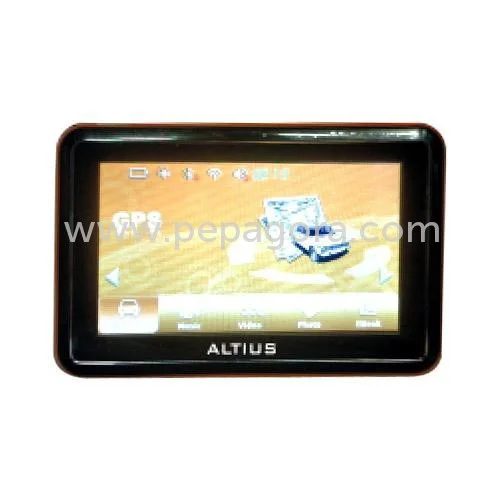
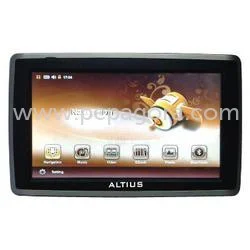
These are standalone units that can be easily moved from vehicle to vehicle. They often come with preloaded maps and features such as traffic updates and route planning.
In-Dash Navigation Systems
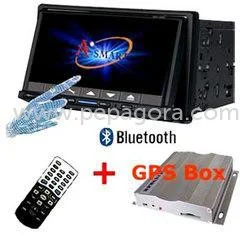
These systems are integrated into the vehicle's dashboard. They provide a seamless experience with features like voice control, connectivity with vehicle systems, and real-time updates.
Mobile Navigation Applications
Smartphone apps offer a flexible navigation solution. They utilize the phone's GPS and can provide real-time updates, traffic information, and route adjustments.
𝗕𝗲𝗻𝗲𝗳𝗶𝘁𝘀 𝗮𝗻𝗱 𝗔𝗱𝘃𝗮𝗻𝘁𝗮𝗴𝗲𝘀
Vehicle Navigation Systems provide numerous benefits that enhance their value to businesses and individual users.
1. Increased Efficiency: These systems enable better route planning, which reduces travel time and fuel consumption.
2. Enhanced Safety: Voice-guided navigation allows drivers to keep their eyes on the road, reducing the risk of distractions.
3. Cost Savings: By optimizing routes, companies can save on fuel costs and improve overall operational efficiency.
4. Real-Time Information: Access to live traffic data helps drivers avoid delays and make informed decisions on the road.
5. User-Friendly Interface: Most systems have intuitive interfaces that simplify navigation and reduce the learning curve for new users.
6. Continuous Improvement: Regular map updates ensure that users have access to the latest information and route options.
𝗕𝘂𝘆𝗶𝗻𝗴 𝗚𝘂𝗶𝗱𝗲 𝗳𝗼𝗿 𝗕𝟮𝗕 𝗕𝘂𝘆𝗲𝗿𝘀
When sourcing Vehicle Navigation Systems for business purposes, several factors should be considered to ensure the best choice.
1. Quality Assessment: Evaluate the durability and reliability of the systems. Look for products that meet recognized quality standards to ensure longevity and performance.
2. Supplier Verification: Vet suppliers by checking references and past customer experiences. Ensure they have a reputation for delivering quality products and services.
3. Pricing and MOQ: Consider the cost of the systems and any minimum order quantities. Compare prices among different suppliers to find the best value.
4. Delivery and Lead Times: Understand the logistics involved in the supply process, including delivery times and shipping options.
5. Compliance Requirements: Ensure that the products adhere to relevant regulations and certifications, such as CE, to meet industry standards.
𝗖𝗼𝗺𝗽𝗹𝗶𝗮𝗻𝗰𝗲 𝗮𝗻𝗱 𝗖𝗲𝗿𝘁𝗶𝗳𝗶𝗰𝗮𝘁𝗶𝗼𝗻𝘀
Vehicle Navigation Systems must adhere to various quality standards and certifications to ensure their effectiveness and safety.
ISO 9001 is a widely recognized standard that focuses on quality management systems. Compliance with this standard indicates that a manufacturer has established a systematic approach to managing quality in their products.
CE certification is crucial for products sold in the European market. This certification signifies that the product meets the necessary safety, health, and environmental protection requirements.
Safety and testing requirements are vital for ensuring that the systems function correctly and do not pose risks to users. Manufacturers typically conduct rigorous testing to ensure reliability and performance.
Regional compliance considerations may vary based on local regulations. It is essential to be aware of specific requirements in different markets to ensure compliance and avoid penalties.
𝗪𝗵𝘆 𝗦𝗼𝘂𝗿𝗰𝗲 𝗩𝗲𝗵𝗶𝗰𝗹𝗲 𝗡𝗮𝘃𝗶𝗴𝗮𝘁𝗶𝗼𝗻 𝗦𝘆𝘀𝘁𝗲𝗺𝘀 𝗳𝗿𝗼𝗺 𝗣𝗲𝗽𝗮𝗴𝗼𝗿𝗮?
Pepagora offers a trusted platform for sourcing Vehicle Navigation Systems, providing several key advantages for B2B buyers.
Verified Supplier Network: Pepagora connects buyers with a network of verified suppliers, ensuring that businesses can access high-quality products from reputable manufacturers.
Streamlined RFQ Process: The request for quotation process is efficient and straightforward, allowing buyers to obtain multiple quotes easily and compare options effectively.
Trade Assurance and Support: Buyers can benefit from trade assurance programs that provide protection against potential issues, ensuring a secure purchasing experience.
Regional Coverage: With a strong presence in India, the GCC, and Southeast Asia, Pepagora offers extensive geographic reach, making it easier for businesses to find suitable navigation solutions tailored to their needs.
Newly Added










Recently Added
Cleantech Services
Nilfisk Commercial Vacuum Cleaner Wet Dry Industrial Cleaning
Industrial Vacuum Cleaners For Factories And Warehouses Heavy Duty
Industrial Commercial Manual Sweeper 920mm Width 40L Hopper 32kg Lightweight
Dhyani Consultants Inc.
High Transmission Line Survey Services For Electrical Infrastructure
Professional Route Survey Services For Highway Pipeline Canal Railroad Construction
Professional Road Survey Services For Pavement And Sublayer Assessment
Fibre Solutions India
CCTV Camera Systems IP DVR 2 Year Recording 25 FPS Security
Industrial C Mount Color Camera High Sensitivity CCD Sensor Auto Iris Lens
Professional IR Camera For Commercial Security With 3000 Sq Ft Coverage
Balaji Electronics
Industrial Bearing Condition Monitoring System For Predictive Maintenance
Premium Coal Drill Bits With Tungsten Carbide Tips And EN 9 Steel
Heavy Duty Earth Moving Machine With Pneumatic Control For Construction
Ace Securities
Commercial Industrial Fire Alarm Systems Premium Detection Safety
Solar Water Heaters High Efficiency 5 Year Warranty
Commercial Security CCTV Camera HD Surveillance Remote Monitoring Weatherproof
Emcube Engineers
Industrial Liquid Flow Meters For Water Treatment Chemical Oil Gas
Industrial Flow Counters For Precise Fluid Measurement In Demanding Environments
Industrial Fuel Flow Meter For Accurate Consumption Monitoring
Lucky Forms Pvt Ltd
Bank Financial Secure Tamper Evident Pin Mailers For ATM Cards
Bank ATM Thermal Paper Rolls Premium Receipts High Volume
Premium POS Rolls For Retail Banking And Hospitality Thermal Carbonless Paper
Leo Integrated Technologies Pvt Ltd
Retail And Hospitality 58mm Thermal Printer For High Speed Receipts
80mm Thermal Printer 125mm/sec 72mm Width For Retail Logistics
Retail & Logistics 58mm Thermal Panel Printer for Receipts & Labels
MARS Technologies Inc.
Professional Multi Gas Analyzer For Environmental Monitoring And Industrial Safety
Premium Red & White Conspicuity Tape For Trucks And Trailers With PSA Adhesion
Fleet Vehicle GPS Tracker GPRS SMS Location Time Remote Monitoring Black
Argus Retail Product Pvt. Ltd.
Fleet Management GPS Vehicle Tracking System Real Time Location Fuel Security
Video Door Phone System B/W Color Security Access Control
Business Security System Installation Support Services
Why Businesses Trust Pepagora
Thousands of companies trust Pepagora to source smarter and sell faster
Expand Your Sales Globally
25000+Products listed.Get discovered by global buyers
Tools to boost visibility
Build your own catalog

Source Smarter,Grow Faster
4000+Active RFQs
100+ Countries served
Easy Sourcing Tools
