
 IN
INundefined
Vegetable Peeling Machines
26 products available
𝗪𝗵𝗮𝘁 𝗮𝗿𝗲 𝗩𝗲𝗴𝗲𝘁𝗮𝗯𝗹𝗲 𝗣𝗲𝗲𝗹𝗶𝗻𝗴 𝗠𝗮𝗰𝗵𝗶𝗻𝗲𝘀?
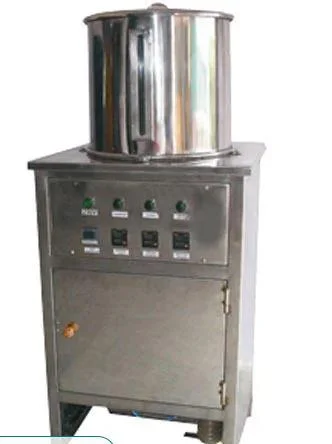
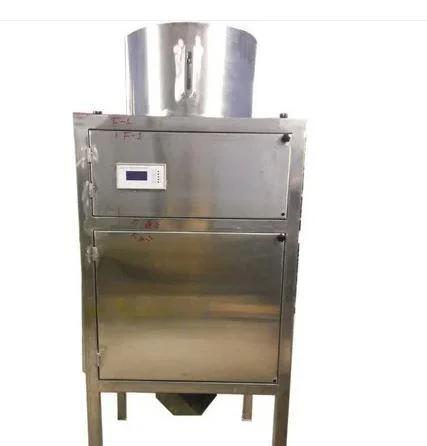
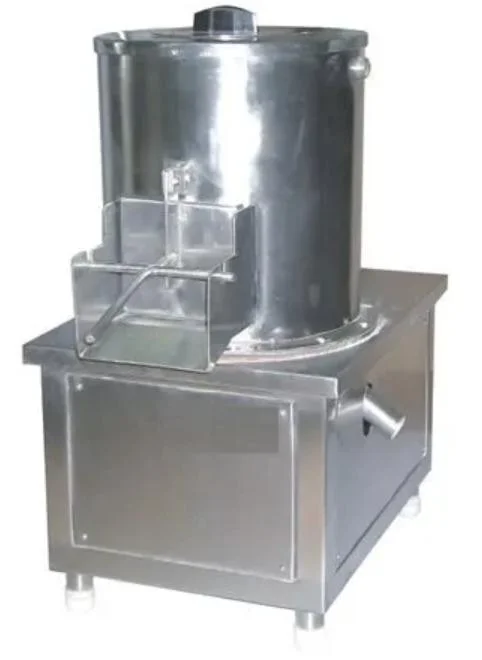
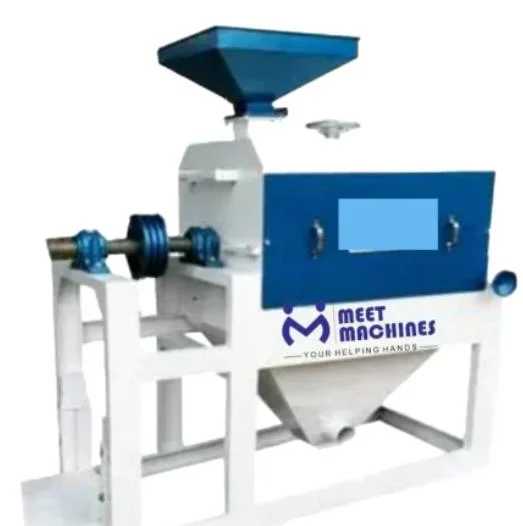
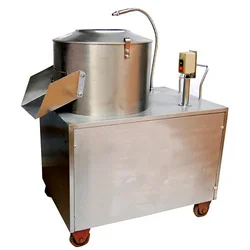
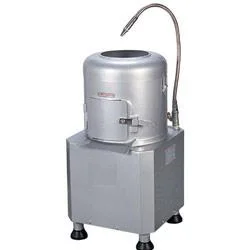
Vegetable peeling machines are specialized equipment designed to efficiently remove the outer skin of various vegetables. These machines utilize different peeling technologies, including abrasive, rotary, and steam methods, to achieve high-quality results while minimizing waste. They are engineered to handle a wide range of vegetables, such as potatoes, carrots, and cucumbers, making them essential tools in food processing.
The primary applications of vegetable peeling machines are found in commercial kitchens, food processing plants, and catering services. They significantly reduce the time and labor involved in preparing vegetables, allowing businesses to scale their operations and improve productivity. By automating the peeling process, companies can ensure consistent quality and hygiene, which is crucial in the food industry.
In today's competitive market, vegetable peeling machines play a vital role in enhancing operational efficiency. As the demand for processed foods continues to rise, manufacturers and food service providers are increasingly investing in advanced peeling technology to meet consumer needs. This trend underscores the relevance of these machines across various sectors, including retail, catering, and food manufacturing.
𝗞𝗲𝘆 𝗙𝗲𝗮𝘁𝘂𝗿𝗲𝘀 𝗮𝗻𝗱 𝗦𝗽𝗲𝗰𝗶𝗳𝗶𝗰𝗮𝘁𝗶𝗼𝗻𝘀
Vegetable peeling machines come with a variety of features designed to enhance their functionality and efficiency. Understanding these specifications is crucial for businesses looking to invest in this equipment.
Key specifications include:
1. Peeling Method
- Options include abrasive, rotary, and steam peeling methods.
- Each method offers different levels of efficiency and suitability for various vegetable types.
2. Capacity
- The capacity can range from small-scale machines processing 100 kg per hour to large industrial units handling several tons.
- This specification is essential for matching machine capabilities to business needs.
3. Material
- Most machines are made from stainless steel for durability and hygiene.
- This material choice helps meet food safety standards.
4. Power Consumption
- Machines typically range from 1 to 5 kW, depending on the model and capacity.
- Energy efficiency is a critical factor for operational cost management.
5. Control Systems
- Many machines feature digital control panels for precise operation.
- Some may include automated timers and temperature controls for improved performance.
6. Size and Weight
- Dimensions vary widely, so it's important to consider space constraints in the facility.
- Weight can impact portability and installation requirements.
7. Maintenance Requirements
- Regular maintenance is essential for optimal performance.
- Machines may have specific cleaning protocols to follow.
In summary, understanding the key features and specifications of vegetable peeling machines is vital for businesses to make informed purchasing decisions that align with their operational demands.
𝗖𝗼𝗺𝗺𝗼𝗻 𝗔𝗽𝗽𝗹𝗶𝗰𝗮𝘁𝗶𝗼𝗻𝘀 𝗮𝗻𝗱 𝗨𝘀𝗲 𝗖𝗮𝘀𝗲𝘀
Vegetable peeling machines are versatile tools used in various industries. Their ability to streamline food preparation makes them invaluable in multiple settings.
1. Food Processing Industry: These machines are crucial in large-scale food processing facilities where vegetables are prepared for further processing, packaging, or freezing.
2. Restaurants and Catering: Commercial kitchens employ peeling machines to save time during meal preparation, allowing chefs to focus on cooking and presentation.
3. Supermarkets: Retailers use these machines in pre-packaged vegetable sections to maintain freshness and offer ready-to-cook products to customers.
4. Snack Food Production: Companies that produce vegetable-based snacks use peeling machines to process raw ingredients efficiently.
5. Institutional Food Services: Schools and hospitals rely on peeling machines to prepare large quantities of vegetables while ensuring food safety and sanitation.
6. Juice and Smoothie Manufacturers: Peeling machines help in preparing fruits and vegetables for juicing, ensuring that only the best quality produce is used.
7. Export and Import Businesses: Companies involved in the international trade of vegetables utilize peeling machines to meet the quality standards required by importing countries.
𝗣𝗿𝗼𝗱𝘂𝗰𝘁 𝗩𝗮𝗿𝗶𝗮𝗻𝘁𝘀 𝗮𝗻𝗱 𝗦𝘂𝗯𝗰𝗮𝘁𝗲𝗴𝗼𝗿𝗶𝗲𝘀
Vegetable peeling machines come in various models and configurations to suit different business needs. Each variant offers unique features tailored to specific applications.
Manual Vegetable Peeling Machines: These machines are designed for smaller operations and allow users to control the peeling process manually. They are ideal for low-volume kitchens or markets.
Automatic Vegetable Peeling Machines: These machines offer full automation, significantly increasing efficiency in high-volume environments. They are equipped with advanced technology to ensure consistent peeling.
Industrial Vegetable Peeling Machines: Designed for large-scale operations, these machines can handle high capacities and often come with multiple peeling methods. They are suitable for food processing plants and large manufacturers.
Batch Vegetable Peeling Machines: These machines are designed to process vegetables in batches, allowing for flexibility in production. They are often used in catering and food service settings.
𝗕𝗲𝗻𝗲𝗳𝗶𝘁𝘀 𝗮𝗻𝗱 𝗔𝗱𝘃𝗮𝗻𝘁𝗮𝗴𝗲𝘀
Investing in vegetable peeling machines provides numerous advantages for businesses in the food industry. These benefits can enhance operational efficiency and product quality.
1. Labor Savings: Automating the peeling process reduces the need for manual labor, allowing staff to focus on higher-value tasks.
2. Consistent Quality: Machines ensure uniform peeling, resulting in consistent product quality and reducing waste.
3. Increased Efficiency: Vegetable peeling machines can process large volumes of vegetables quickly, improving overall throughput.
4. Improved Hygiene: Automated machines help maintain food safety standards, reducing the risk of contamination associated with manual peeling.
5. Versatility: These machines can handle a variety of vegetables, making them suitable for diverse applications in different sectors.
6. Reduced Waste: Advanced peeling technologies minimize waste, maximizing the yield from each vegetable processed.
𝗕𝘂𝘆𝗶𝗻𝗴 𝗚𝘂𝗶𝗱𝗲 𝗳𝗼𝗿 𝗕𝟮𝗕 𝗕𝘂𝘆𝗲𝗿𝘀
When sourcing vegetable peeling machines, B2B buyers should consider several critical factors to ensure they make the best purchasing decision.
1. Quality Assessment: Evaluate the construction materials and build quality of the machine. Look for reputable brands that adhere to industry standards.
2. Supplier Verification: Conduct thorough research on suppliers. Check for certifications, customer reviews, and their history in the market to ensure reliability.
3. Pricing and MOQ: Understand the pricing structure and minimum order quantities required by suppliers. Compare prices among different manufacturers to get the best deal.
4. Delivery and Lead Times: Inquire about the delivery schedules and lead times. Ensure that the supplier can meet your operational timelines.
5. Compliance Requirements: Check for compliance with local and international regulations. Ensure that the machines meet safety and quality standards relevant to your industry.
𝗖𝗼𝗺𝗽𝗹𝗶𝗮𝗻𝗰𝗲 𝗮𝗻𝗱 𝗖𝗲𝗿𝘁𝗶𝗳𝗶𝗰𝗮𝘁𝗶𝗼𝗻𝘀
Compliance and certifications are vital considerations in the purchase of vegetable peeling machines. These machines should adhere to recognized quality standards to ensure safety and reliability.
Many manufacturers seek ISO 9001 certification, which indicates a commitment to quality management systems. This standard ensures that products meet customer and regulatory requirements consistently.
Additionally, HACCP (Hazard Analysis and Critical Control Points) compliance is crucial in the food industry. It focuses on food safety and minimizing risks during processing, which is essential for businesses that handle perishable goods.
CE certification is often required for machines sold in the European market, indicating that they meet essential health, safety, and environmental protection standards.
Regional compliance considerations may vary, so businesses should be aware of local regulations that impact food processing equipment. Ensuring compliance not only protects the business but also builds trust with customers.
𝗪𝗵𝘆 𝗦𝗼𝘂𝗿𝗰𝗲 𝗩𝗲𝗴𝗲𝘁𝗮𝗯𝗹𝗲 𝗣𝗲𝗲𝗹𝗶𝗻𝗴 𝗠𝗮𝗰𝗵𝗶𝗻𝗲𝘀 𝗳𝗿𝗼𝗺 𝗣𝗲𝗽𝗮𝗴𝗼𝗿𝗮?
Pepagora provides a trusted platform for sourcing vegetable peeling machines, offering several key advantages that benefit B2B buyers.
One significant advantage is the verified supplier network. Pepagora ensures that all suppliers undergo rigorous vetting processes, providing buyers with peace of mind regarding quality and reliability.
The streamlined RFQ process allows buyers to request quotes from multiple suppliers quickly. This efficiency saves time and helps businesses compare options effectively.
Trade assurance and support are also essential features of Pepagora. The platform offers buyer protection measures that safeguard transactions, ensuring that businesses receive the products as promised.
Finally, Pepagora's regional coverage extends across India, the GCC, and Southeast Asia, facilitating access to a diverse range of suppliers. This extensive reach allows buyers to find the right machines that meet their specific needs and operational requirements.
Newly Added




Recently Added
Divya Home Appliances, New Delhi
Commercial 150L Steam Boiler Bulk Cooker Gas Electric Mild Stainless Steel
Commercial Sandwich Grillers Non Stick Plates Adjustable Temperature Fast Heating
Commercial Kitchen Stainless Steel Catering Equipment Durable Hygienic
Dynamech Engineers
Industrial Potato Chips Slicer Machine 400 kg/h 10 Die Options 1 HP Motor
Industrial Banana Slicer Machine High Capacity SS304 Uniform Chips
Kurkure Type Snack Extruder 50 60 kg/hour Rotary Head for Homemade Texture
Vimal Industry
Commercial Dough Kneading Machine Electric Heavy Duty 10 100kg
Commercial Vegetable Cutting Machine Stainless Steel Blades Metal Body
Salamander Kitchen Equipment OEM Metal Durable Efficient
Azfar Industries
Commercial Residential Balustrade Support Systems Stainless Steel
Commercial Stainless Steel Bulk Fryer With LPG Electric Options
Commercial Kitchen Premium Chinese Burner Durable Heat Resistant
A. F. Engineering
Commercial Kitchen Stainless Steel Sink Unit With Drainboard
Commercial Dining Premium Folding Table And Chair Sets Stainless Steel
Heavy Duty Stainless Steel Workbenches For Industrial Commercial Use
ABC Engineering
Incense Manufacturing Automatic Dhoop Stick Making Machine Eco Friendly
Food Manufacturing Automatic Band Sealer Packaging Machine Electric Corrosion Resistant
Food Processing Semi Automatic Electric De Stoner with Shaker for Grains
Guru Nanak Engineering Works
Industrial Food Extrusion Machine Heavy Duty High Output Processing
Industrial Dry Fruit Roaster Machine Low Fuel High Capacity
Industrial Conveyor Belt 1 HP AC Motor 15'x3'x3.5' 250 kg Capacity
Industrial Equipment And Components
Industrial Conveyor Rollers For Material Handling Systems
Industrial Universal Couplings With Taper Sleeve For Torque Transmission
Industrial Machinery Premium Block Shafts Durable Precision Performance
Bansi Kitchenware & Household
Commercial Manual Rotary Egg Beater Stainless Steel Blades Nylon Gears
Commercial Orange Juicer Compact High Volume Durable For Juice Bars Hotels Cafes
Commercial Kitchen Premium D.M. Stainless Steel Vegetable Knives
Bharat Industries
9 Inch Kitchen Knife Stainless Steel Blister Pack Master Box 50 Pcs
Premium 10 Inch Steak Knives Bulk Blister Pack 50 Pieces
Professional Kitchen 11 Inch Carving Knife High Carbon Steel Ergonomic
Why Businesses Trust Pepagora
Thousands of companies trust Pepagora to source smarter and sell faster
Expand Your Sales Globally
25000+Products listed.Get discovered by global buyers
Tools to boost visibility
Build your own catalog

Source Smarter,Grow Faster
4000+Active RFQs
100+ Countries served
Easy Sourcing Tools
