
 IN
INundefined
Vacutainers & Test Tubes
22 products available
𝗪𝗵𝗮𝘁 𝗮𝗿𝗲 𝗩𝗮𝗰𝘂𝘁𝗮𝗶𝗻𝗲𝗿𝘀 & 𝗧𝗲𝘀𝘁 𝗧𝘂𝗯𝗲𝘀?
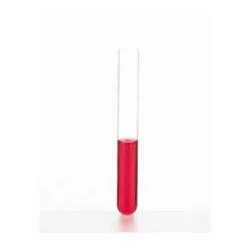
Vacutainers and test tubes are essential laboratory tools used for the collection, transportation, and storage of biological specimens. Vacutainers are specially designed vacuum tubes that come with a closure system, creating a sealed environment that prevents contamination and preserves the integrity of the samples. Test tubes, on the other hand, are cylindrical glass or plastic containers used for various laboratory applications, including mixing, heating, and holding samples. Both types of products are crucial in laboratory settings for accurate analysis and testing.
These products find primary use in medical laboratories, research facilities, and pharmaceutical companies. Vacutainers are commonly used for blood collection, while test tubes serve a broader range of applications such as chemical analysis, microbiological assays, and educational purposes in academic institutions. The demand for these products is driven by the need for reliable specimen handling and testing, making them indispensable in the healthcare and scientific research industries.
In the context of the market, the growth of the healthcare sector and increasing laboratory testing requirements have elevated the significance of vacutainers and test tubes. The ongoing advancements in medical technology and laboratory practices also contribute to the rising demand for high-quality specimen collection and storage solutions.
𝗞𝗲𝘆 𝗙𝗲𝗮𝘁𝘂𝗿𝗲𝘀 𝗮𝗻𝗱 𝗦𝗽𝗲𝗰𝗶𝗳𝗶𝗰𝗮𝘁𝗶𝗼𝗻𝘀
Vacutainers and test tubes come with a variety of features that enhance usability and reliability. Understanding these specifications is crucial for selecting the right products for specific applications.
Key specifications include:
1. Material Type
- Common materials include glass and various plastics.
- Glass offers chemical resistance, while plastics provide shatter resistance.
2. Volume Capacity
- Ranges from 1 ml to 50 ml, depending on the application.
- Larger volumes are suitable for bulk sample collection.
3. Closure Type
- Options include screw caps, snap caps, and rubber stoppers.
- Secure closures help prevent leakage and contamination.
4. Sterilization Methods
- Products can be gamma-sterilized or autoclaved.
- Ensures that the samples remain uncontaminated.
5. Color-Coding
- Different colors indicate specific additives and functions.
- Helps in easy identification of tube types during usage.
6. Labeling Area
- Space for marking sample information.
- Essential for tracking and organization in laboratory settings.
7. Compatibility
- Certain products are designed to work with automated analyzers.
- Ensures seamless integration into laboratory workflows.
8. Certification
- Compliance with industry standards such as CE certification.
- Guarantees quality and safety for laboratory use.
In summary, understanding the features and specifications of vacutainers and test tubes is essential for making informed purchasing decisions. This knowledge helps ensure that users select the most appropriate products for their specific laboratory needs.
𝗖𝗼𝗺𝗺𝗼𝗻 𝗔𝗽𝗽𝗹𝗶𝗰𝗮𝘁𝗶𝗼𝗻𝘀 𝗮𝗻𝗱 𝗨𝘀𝗲 𝗖𝗮𝘀𝗲𝘀
Vacutainers and test tubes are utilized across various industries, each with unique applications.
1. Healthcare: In hospitals and clinics, vacutainers are primarily used for blood collection and sample storage for diagnostic testing. This ensures accurate results for patient care.
2. Pharmaceutical: Test tubes play a vital role in drug development, where they are used for mixing and analyzing chemical compounds during research trials.
3. Education: Schools and universities use test tubes in laboratory experiments for teaching purposes, helping students understand basic scientific principles.
4. Environmental Testing: Both vacutainers and test tubes are used to collect water and soil samples for contamination analysis, supporting environmental safety efforts.
5. Food and Beverage: In this industry, vacutainers are used for testing food samples to ensure compliance with health regulations and safety standards.
6. Biotechnology: Test tubes are crucial for culturing microorganisms and conducting genetic experiments, facilitating advancements in biotechnological research.
7. Veterinary: In veterinary practices, vacutainers are used to collect blood samples from animals for health assessments and diagnostics.
𝗣𝗿𝗼𝗱𝘂𝗰𝘁 𝗩𝗮𝗿𝗶𝗮𝗻𝘁𝘀 𝗮𝗻𝗱 𝗦𝘂𝗯𝗰𝗮𝘁𝗲𝗴𝗼𝗿𝗶𝗲𝘀
Vacutainers and test tubes come in various types, catering to different laboratory needs.
Vacutainers
These are designed specifically for blood collection, featuring a vacuum seal that draws the blood sample directly into the tube. They often come with specific additives for different tests, such as anticoagulants or clot activators.
Test Tubes
Available in various sizes and materials, test tubes are versatile for multiple applications, including chemical reactions and biological assays. They are often used in conjunction with other laboratory equipment for a range of experiments.
𝗕𝗲𝗻𝗲𝗳𝗶𝘁𝘀 𝗮𝗻𝗱 𝗔𝗱𝘃𝗮𝗻𝘁𝗮𝗴𝗲𝘀
Sourcing high-quality vacutainers and test tubes provides significant advantages to businesses.
1. Reliability: High-quality products ensure accurate test results, minimizing errors in laboratory analysis.
2. Safety: Secure closures and sterilization processes help maintain sample integrity and prevent contamination.
3. Versatility: A wide range of applications makes these products suitable for various industries, from healthcare to education.
4. Cost-effectiveness: Bulk purchasing can lead to savings, allowing businesses to manage budgets effectively.
5. Compliance: Sourcing certified products ensures adherence to regulatory standards, reducing liability for laboratories.
6. Innovation: Access to the latest advancements in laboratory technology can improve operational efficiency and testing capabilities.
𝗕𝘂𝘆𝗶𝗻𝗴 𝗚𝘂𝗶𝗱𝗲 𝗳𝗼𝗿 𝗕𝟮𝗕 𝗕𝘂𝘆𝗲𝗿𝘀
When sourcing vacutainers and test tubes, B2B buyers should consider several critical factors to ensure they make informed decisions.
1. Quality Assessment: Evaluate the quality of materials and manufacturing processes. Look for products that meet industry standards to ensure reliability and safety.
2. Supplier Verification: Research potential suppliers to confirm their credibility and compliance with regulations. This can include checking certifications and customer reviews.
3. Pricing and MOQ: Understand the pricing structure and minimum order quantities. Bulk purchases may offer discounts, but ensure they meet your laboratory's needs.
4. Delivery and Lead Times: Confirm delivery schedules to ensure timely receipt of products. Efficient logistics are crucial for maintaining laboratory operations.
5. Compliance Requirements: Ensure that the products comply with relevant regulations and standards. This is vital for maintaining laboratory accreditation and ensuring safety.
𝗖𝗼𝗺𝗽𝗹𝗶𝗮𝗻𝗰𝗲 𝗮𝗻𝗱 𝗖𝗲𝗿𝘁𝗶𝗳𝗶𝗰𝗮𝘁𝗶𝗼𝗻𝘀
Vacutainers and test tubes must adhere to various quality standards and certifications to ensure they are safe and effective for laboratory use. Key standards include ISO 9001, which emphasizes quality management systems, and HACCP, which focuses on food safety. Compliance with Good Distribution Practices (GDP) is also essential for maintaining product integrity during distribution.
Additionally, products often carry certifications such as CE, indicating that they meet European health, safety, and environmental protection standards. This certification is crucial for ensuring that the products are safe for use in healthcare and laboratory settings.
Safety and testing requirements are paramount in the manufacturing process of these products. Regular testing for durability, chemical resistance, and sterility ensures they meet the necessary performance criteria. Furthermore, regional compliance considerations should be taken into account, as regulations may vary by country or region.
𝗪𝗵𝘆 𝗦𝗼𝘂𝗿𝗰𝗲 𝗩𝗮𝗰𝘂𝘁𝗮𝗶𝗻𝗲𝗿𝘀 & 𝗧𝗲𝘀𝘁 𝗧𝘂𝗯𝗲𝘀 𝗳𝗿𝗼𝗺 𝗣𝗲𝗽𝗮𝗴𝗼𝗿𝗮?
Pepagora offers a reliable platform for sourcing vacutainers and test tubes, providing numerous advantages for businesses.
Verified Supplier Network: Pepagora connects buyers with a network of verified suppliers, ensuring that the products meet high-quality standards. This helps buyers make informed choices when selecting products.
Streamlined RFQ Process: The request for quotation process is designed to be straightforward, allowing buyers to quickly compare prices and specifications from various suppliers. This enhances the efficiency of the purchasing process.
Trade Assurance and Support: Pepagora provides trade assurance, protecting buyers throughout their purchasing journey. This includes support for resolving disputes and ensuring product quality.
Regional Coverage: With a strong presence in India, the GCC, and Southeast Asia, Pepagora caters to diverse regional needs, enhancing accessibility to quality laboratory products for buyers across multiple markets.
Newly Added








Recently Added
Biogem Scientific
Laboratory 1.7 ml Microcentrifuge Tubes High Speed Centrifugation Chemical Resistant
Lab Microcentrifuge Tube Holders Durable Autoclavable Secure
Premium Conical Centrifuge Tubes For Pharmaceutical And Research Labs
Das Enterprises
Premium 22mm Aluminum Caps For Liquor, Soft Drinks, And Pharmaceuticals
Premium 25mm Aluminum Caps For Tamper Evident Bottle Sealing
Industrial Packaging 28mm Aluminum Caps Leak Proof Moisture Resistant
Bio Globus
Lab Sterilized Square Petri Dishes 10mm Grid Vented Non Vented
Laboratory Eppendorf Micro Pipette Tips Sterile Bulk 0.5 20l
Premium Polystyrene Tubes High Clarity Secure Grip Stoppers
AV Exports
PRADA Test Sieves Stainless Steel Particle Size Analysis Quality Control
ISO Certified Laboratory Centrifuges For Medical And Industrial Labs
Laboratory Stirrers And Emulsifiers For With Maintenance Free Operation
Anukampa Thermo Plast
Industrial Commercial RO Float Valves For Water Purification Systems
Industrial T Connectors For Electrical And Mechanical Systems
Industrial Textile Separators For Fiber Separation And Waste Removal
Beetta Instruments & Equipment Co.
Histology Labs Premium Rotary Microtome For Precise Tissue Sectioning
Premium Sledge Microtomes For Histology And Pathology Labs
High Precision Freezing Microtomes For Cryosectioning In Labs
Vivekananda Enterprises
Laboratory Sodium Citrate Cell Preparation Tubes For Mononuclear Cell Separation
Buchi Flasks For Laboratory Evaporation Distillation Solvent Recovery
Laboratory Chiller Baths For Precise Temperature Control
Hi Tech Plastics
Industrial Rubber Products For Manufacturing And Machinery Applications
Industrial Plastic Equipment And Rubber Molded Components For Machinery
OEM Plastic Injection Moulded Components Durable Reliable Standard
Associated Surgical Co
Premium Diagnostics Instruments For Clinics Labs And Hospitals
Medicon Gynecology Instruments For OB/GYN Professionals And Hospitals
Premium Intestinal And Stomach Surgical Instruments For Hospitals And Clinics
Bharati Surgical Co
Premium Stainless Steel Wire Eye Speculum 14mm 15mm Ophthalmic Surgery
Ophthalmic Stainless Steel Screw Lock Eye Speculum For Surgical Precision
Surgical Tenotomy Scissors Stainless Steel Curved Blunt Tips
Why Businesses Trust Pepagora
Thousands of companies trust Pepagora to source smarter and sell faster
Expand Your Sales Globally
25000+Products listed.Get discovered by global buyers
Tools to boost visibility
Build your own catalog

Source Smarter,Grow Faster
4000+Active RFQs
100+ Countries served
Easy Sourcing Tools
