
 IN
INundefined
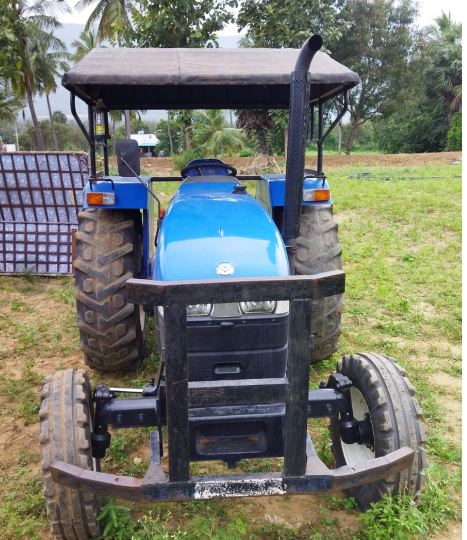
Utility Tractors
1 products available
𝗪𝗵𝗮𝘁 𝗮𝗿𝗲 𝗨𝘁𝗶𝗹𝗶𝘁𝘆 𝗧𝗿𝗮𝗰𝘁𝗼𝗿𝘀?
Utility tractors are versatile agricultural machines designed for a variety of tasks in farming and landscaping. These machines provide the essential power and functionality needed to perform different operations, such as plowing, tilling, and transporting materials. Their compact size and maneuverability make them suitable for both large and small-scale operations, particularly in areas where space is limited.
In business applications, utility tractors are predominantly used in agriculture for tasks like planting, harvesting, and maintaining fields. They are also employed in landscaping, construction, and municipal services, where their ability to attach various implements enhances their utility. The demand for utility tractors is influenced by trends in modern agriculture, including increased mechanization and the need for efficient land management practices.
The utility tractor market is significant, with various manufacturers offering numerous models equipped with advanced technology and features. The relevance of these machines in the agricultural sector is underscored by their ability to boost productivity and reduce labor costs, making them a vital investment for businesses aiming for operational efficiency.
𝗞𝗲𝘆 𝗙𝗲𝗮𝘁𝘂𝗿𝗲𝘀 𝗮𝗻𝗱 𝗦𝗽𝗲𝗰𝗶𝗳𝗶𝗰𝗮𝘁𝗶𝗼𝗻𝘀
Utility tractors come with a range of key features that enhance their performance and adaptability across different applications. Understanding these specifications is crucial for businesses looking to invest in these machines.
Key specifications include:
1. Engine Power
- Typically ranges from 25 to 75 horsepower
- Provides the necessary power for various attachments and tasks
2. Transmission Type
- Options include manual, hydrostatic, and automatic
- Affects ease of operation and control in different terrains
3. Weight Capacity
- Varies by model, often ranging from 1,500 to 3,500 pounds
- Determines the tractor's ability to carry loads and attachments
4. PTO (Power Take-Off) Options
- Standard and independent PTO options available
- Essential for running implements like mowers and tillers
5. Fuel Tank Capacity
- Commonly between 5 to 15 gallons
- Impacts operational range and efficiency
6. Wheel Configuration
- Available in 2WD and 4WD configurations
- 4WD offers better traction in challenging conditions
7. Cab Options
- Open station or fully enclosed cabs available
- Affects operator comfort and protection from elements
8. Implement Compatibility
- Designed to work with various attachments like loaders and backhoes
- Increases the versatility of the tractor
In summary, understanding these key features and specifications helps businesses select the right utility tractor for their specific needs, ensuring efficiency and effectiveness in their operations.
𝗖𝗼𝗺𝗺𝗼𝗻 𝗔𝗽𝗽𝗹𝗶𝗰𝗮𝘁𝗶𝗼𝗻𝘀 𝗮𝗻𝗱 𝗨𝘀𝗲 𝗖𝗮𝘀𝗲𝘀
Utility tractors are utilized across multiple industries due to their versatility and effectiveness in various tasks.
1. Agriculture: Farmers use utility tractors for planting, cultivating, and harvesting crops, making them essential for modern farming practices.
2. Landscaping: Landscape professionals employ utility tractors for tasks such as grading, soil preparation, and transporting materials, enhancing the efficiency of their projects.
3. Construction: These tractors assist in site preparation, moving heavy materials, and operating attachments like backhoes, making them valuable on construction sites.
4. Municipal Services: Local governments utilize utility tractors for maintaining parks, roads, and public spaces, ensuring community areas are well-kept.
5. Forestry: In forestry, utility tractors are used for logging operations and maintaining forest trails, proving their adaptability to rugged environments.
6. Snow Removal: Utility tractors equipped with snow plows are employed by municipalities and businesses for effective snow clearing during winter months.
7. Livestock Management: Farmers use utility tractors to manage feed, bedding, and other tasks related to livestock care, simplifying daily operations.
𝗣𝗿𝗼𝗱𝘂𝗰𝘁 𝗩𝗮𝗿𝗶𝗮𝗻𝘁𝘀 𝗮𝗻𝗱 𝗦𝘂𝗯𝗰𝗮𝘁𝗲𝗴𝗼𝗿𝗶𝗲𝘀
Utility tractors come in a variety of models tailored to different needs and applications. This diversity allows businesses to choose machines that best fit their specific requirements.
Compact Utility Tractors
These tractors are smaller and designed for light to medium-duty tasks. They are ideal for residential landscaping and small farms, offering great maneuverability.
Standard Utility Tractors
These models are suited for a variety of agricultural tasks and can handle a broader range of attachments. They are perfect for larger farms needing efficient operation.
Specialty Tractors
Specialty models are designed for specific tasks such as vineyard or orchard work. They feature tailored designs to navigate narrow rows and delicate crops.
𝗕𝗲𝗻𝗲𝗳𝗶𝘁𝘀 𝗮𝗻𝗱 𝗔𝗱𝘃𝗮𝗻𝘁𝗮𝗴𝗲𝘀
Utility tractors provide several advantages that make them a valuable investment for businesses.
1. Increased Efficiency: Utility tractors can perform multiple tasks, reducing the need for additional equipment and labor.
2. Versatility: They can be equipped with various attachments, making them suitable for a wide range of applications across different industries.
3. Cost-Effectiveness: By decreasing labor costs and increasing productivity, utility tractors offer a solid return on investment.
4. Ease of Operation: Modern models feature user-friendly controls and comfortable seating, making them accessible for operators of all skill levels.
5. Enhanced Performance: With powerful engines and advanced technology, utility tractors can handle tough tasks effectively.
6. Reliability: Designed for durability, utility tractors can withstand challenging conditions, ensuring consistent performance over time.
𝗕𝘂𝘆𝗶𝗻𝗴 𝗚𝘂𝗶𝗱𝗲 𝗳𝗼𝗿 𝗕𝟮𝗕 𝗕𝘂𝘆𝗲𝗿𝘀
When sourcing utility tractors, businesses should consider several key factors to ensure they make informed decisions.
1. Quality Assessment: Evaluate the build quality and reliability of the tractors. Look for brands with a strong reputation for durability and performance.
2. Supplier Verification: It is crucial to vet potential suppliers. Check their credentials, customer reviews, and after-sales support to ensure they are trustworthy.
3. Pricing and MOQ: Understand the pricing structure and minimum order quantities. This helps in budgeting and ensures you can meet your operational needs without overspending.
4. Delivery and Lead Times: Discuss logistics and delivery timelines with suppliers. Timely delivery is essential to maintain workflow and avoid disruptions.
5. Compliance Requirements: Ensure that the utility tractors meet any relevant industry regulations and standards. This includes safety certifications and environmental considerations.
𝗖𝗼𝗺𝗽𝗹𝗶𝗮𝗻𝗰𝗲 𝗮𝗻𝗱 𝗖𝗲𝗿𝘁𝗶𝗳𝗶𝗰𝗮𝘁𝗶𝗼𝗻𝘀
Utility tractors must adhere to several compliance and certification standards to ensure safety and quality in operation.
Quality standards such as ISO 9001 focus on maintaining effective quality management systems. These standards ensure that manufacturers produce reliable and high-quality tractors.
The CE certification is essential for utility tractors sold in the European market. It indicates that the products meet EU safety, health, and environmental protection standards.
Safety and testing requirements are crucial to minimize risks for operators and ensure that the tractors perform safely under various conditions. This includes rigorous testing for performance and durability.
Regional compliance considerations may vary, but it's important for businesses to understand local regulations regarding emissions, safety, and operational standards to ensure full compliance.
𝗪𝗵𝘆 𝗦𝗼𝘂𝗿𝗰𝗲 𝗨𝘁𝗶𝗹𝗶𝘁𝘆 𝗧𝗿𝗮𝗰𝘁𝗼𝗿𝘀 𝗳𝗿𝗼𝗺 𝗣𝗲𝗽𝗮𝗴𝗼𝗿𝗮?
Pepagora provides a trusted platform for sourcing utility tractors, offering several key advantages to businesses.
Verified Supplier Network: Pepagora connects buyers with a network of verified suppliers. This ensures that businesses work with reputable manufacturers who meet quality standards.
Streamlined RFQ Process: The platform simplifies the request for quotation process, allowing buyers to compare offers easily and select the best options for their needs.
Trade Assurance and Support: Pepagora offers buyer protection through trade assurance, ensuring that transactions are secure and that buyers receive the products as promised.
Regional Coverage: Pepagora has a broad geographic reach, including regions like India, GCC, and Southeast Asia, making it easy for businesses to find suitable suppliers in their local market.

Recently Added
velmathi Autos
15W40 CI4 Turbo Diesel Engine Oil 15L for Tractors & Trucks
Power Max Long Running Grease 5KG for Industrial & Automotive Use
Massey Ferguson 1035 DI 2005 Tractor for 35 HP Farm Use
Why Businesses Trust Pepagora
Thousands of companies trust Pepagora to source smarter and sell faster
Expand Your Sales Globally
25000+Products listed.Get discovered by global buyers
Tools to boost visibility
Build your own catalog

Source Smarter,Grow Faster
4000+Active RFQs
100+ Countries served
Easy Sourcing Tools
