
 IN
INundefined
Used CNC Machines
2 products available
𝗪𝗵𝗮𝘁 𝗮𝗿𝗲 𝗨𝘀𝗲𝗱 𝗖𝗡𝗖 𝗠𝗮𝗰𝗵𝗶𝗻𝗲𝘀?
Used CNC machines are computer numerical control systems that have been previously owned and operated. These machines are utilized in various manufacturing processes, allowing precise control over machining tools and equipment. CNC machines automate the movements of tools, reducing human error and enhancing productivity. They can perform a range of operations, including milling, turning, drilling, and grinding, making them essential for many industrial applications.
The primary uses of used CNC machines span various sectors, including automotive, aerospace, metalworking, and woodworking. Manufacturers often seek these machines to optimize production efficiency without the substantial investment associated with new equipment. The market for used CNC machines is robust, driven by the demand for cost-effective solutions in manufacturing. Companies can acquire high-quality equipment at reduced prices, allowing them to remain competitive in their respective industries.
With the rapid advancements in technology, the relevance of used CNC machines remains significant. Businesses are increasingly investing in these machines to benefit from high precision and operational efficiency, all while managing costs. The used CNC machine market continues to evolve, providing opportunities for industries to upgrade their capabilities without incurring the full expense of new machinery.
𝗞𝗲𝘆 𝗙𝗲𝗮𝘁𝘂𝗿𝗲𝘀 𝗮𝗻𝗱 𝗦𝗽𝗲𝗰𝗶𝗳𝗶𝗰𝗮𝘁𝗶𝗼𝗻𝘀
Used CNC machines come with a variety of features and specifications that cater to different manufacturing needs. Understanding these specifications is crucial for businesses looking to invest in used machines. The following key specifications highlight the essential aspects of used CNC machines:
1. Machine Type
- Types can include CNC mills, lathes, routers, and plasma cutters.
- Each type serves specific manufacturing functions.
2. Control System
- Most used CNC machines feature advanced control systems, such as Fanuc or Siemens.
- These systems enable precise machining and easy programming.
3. Axis Configuration
- Machines may have configurations ranging from 3-axis to 5-axis systems.
- More axes allow for more complex geometric shapes and higher precision.
4. Work Envelope Size
- The size of the work envelope varies by machine, affecting the size of components that can be machined.
- Typical ranges can be specified based on machine type.
5. Spindle Speed
- Spindle speeds can greatly influence machining efficiency and material compatibility.
- Common ranges may be provided depending on the machine's capabilities.
6. Tooling Compatibility
- Machines can be compatible with various tooling systems, impacting versatility.
- Compatibility with standard tooling sizes is essential for ease of operation.
7. Power Requirements
- Different machines will have varying power requirements, typically expressed in horsepower.
- This specification helps determine operational costs and power infrastructure needs.
8. Condition and Maintenance History
- The condition of the machine impacts its reliability and performance.
- Maintenance history should be reviewed to understand previous usage and upkeep.
In summary, understanding the features and specifications of used CNC machines is essential for making informed purchasing decisions. Each specification plays a vital role in determining the machine's suitability for specific applications and production needs.
𝗖𝗼𝗺𝗺𝗼𝗻 𝗔𝗽𝗽𝗹𝗶𝗰𝗮𝘁𝗶𝗼𝗻𝘀 𝗮𝗻𝗱 𝗨𝘀𝗲 𝗖𝗮𝘀𝗲𝘀
Used CNC machines find applications across various industries, enhancing production capabilities and reducing operational costs.
1. Automotive Industry: Used CNC machines are commonly employed in the automotive sector for precision manufacturing of components like engine blocks, transmission cases, and intricate parts. Their ability to handle complex geometries makes them ideal for this industry.
2. Aerospace Industry: In aerospace, used CNC machines are utilized for machining parts with high precision and tight tolerances. This includes components such as turbine blades and structural components, which require strict adherence to safety and quality standards.
3. Metalworking: The metalworking industry relies heavily on used CNC machines for fabricating parts from various metals. These machines enable efficient cutting, shaping, and finishing of metal components, enhancing productivity and quality.
4. Woodworking: In woodworking, CNC routers are used for intricate designs and patterns in furniture making and cabinetry. Used CNC machines help reduce waste and improve production speed in this sector.
5. Medical Devices: Used CNC machines are also found in the manufacturing of medical devices, where precision is crucial. Components such as implants and surgical instruments benefit from the accuracy offered by CNC technology.
6. Electronics Manufacturing: In electronics, used CNC machines are employed to create circuit boards and other components. Their ability to handle small, detailed parts is essential in this fast-paced industry.
7. Construction: Used CNC machines are used to manufacture building components such as trusses and panels. Their efficiency helps meet the demands of the construction industry while maintaining quality.
𝗣𝗿𝗼𝗱𝘂𝗰𝘁 𝗩𝗮𝗿𝗶𝗮𝗻𝘁𝘀 𝗮𝗻𝗱 𝗦𝘂𝗯𝗰𝗮𝘁𝗲𝗴𝗼𝗿𝗶𝗲𝘀
The market for used CNC machines offers a diverse range of variants, each designed to meet specific manufacturing needs.
CNC Milling Machines: These machines are designed for milling operations, allowing for the creation of complex shapes and features in various materials. They are versatile and widely used in various industries for precision machining.
CNC Lathes: CNC lathes are primarily used for turning operations, allowing for the production of cylindrical parts. They are ideal for industries that require high-volume production of parts like shafts and pins.
CNC Plasma Cutters: These machines utilize plasma technology to cut through metal sheets with precision. They are commonly used in metal fabrication and automotive industries for their speed and accuracy.
CNC Routers: CNC routers are specialized for woodworking and can handle a variety of materials, including plastics and composites. They are widely used in cabinetry and sign-making applications.
𝗕𝗲𝗻𝗲𝗳𝗶𝘁𝘀 𝗮𝗻𝗱 𝗔𝗱𝘃𝗮𝗻𝘁𝗮𝗴𝗲𝘀
Investing in used CNC machines can provide significant benefits to businesses looking to enhance their manufacturing capabilities.
1. Cost Savings: Purchasing used CNC machines can considerably lower capital expenditures compared to new equipment. This allows businesses to allocate resources to other areas.
2. Immediate Availability: Used CNC machines are often readily available, reducing lead times associated with ordering new machines. This helps businesses ramp up production quickly.
3. Proven Performance: Used CNC machines that have been well-maintained often come with a history of reliable performance, offering confidence in their operational capabilities.
4. Flexibility: Used CNC machines can be acquired to meet specific production needs, providing flexibility in manufacturing processes without the commitment of new machinery.
5. Reduced Depreciation: Used machines have already undergone initial depreciation, making them a more stable investment for businesses looking to minimize financial risk.
6. Enhanced Productivity: By incorporating used CNC machines, companies can improve productivity and efficiency, leading to better output and quality.
𝗕𝘂𝘆𝗶𝗻𝗴 𝗚𝘂𝗶𝗱𝗲 𝗳𝗼𝗿 𝗕𝟮𝗕 𝗕𝘂𝘆𝗲𝗿𝘀
When sourcing used CNC machines, there are several critical factors to consider to ensure a successful purchase.
1. Quality Assessment: It is essential to evaluate the condition and functionality of the used CNC machine. This includes checking for wear and tear, previous maintenance history, and overall performance capabilities.
2. Supplier Verification: Vetting suppliers is crucial to ensure reliability and trustworthiness. Buyers should seek reputable suppliers with positive reviews and a history of providing quality machinery.
3. Pricing and MOQ: Understanding the pricing structure and minimum order quantities is important. Buyers should compare prices across different suppliers to ensure they are getting a fair deal.
4. Delivery and Lead Times: Logistics play a significant role in sourcing. Buyers should inquire about delivery options and estimated lead times to align with their production schedules.
5. Compliance Requirements: Businesses must ensure that used CNC machines meet industry regulations and compliance standards, which can vary by region and application.
𝗖𝗼𝗺𝗽𝗹𝗶𝗮𝗻𝗰𝗲 𝗮𝗻𝗱 𝗖𝗲𝗿𝘁𝗶𝗳𝗶𝗰𝗮𝘁𝗶𝗼𝗻𝘀
Used CNC machines must adhere to various compliance and certification standards to ensure safety and reliability in manufacturing.
ISO 9001 is a widely recognized quality management standard that emphasizes consistent quality and continuous improvement. Compliance with this standard is crucial for manufacturers aiming to enhance their operational processes.
CE certification is another important factor, indicating that a product meets European safety and environmental requirements. For businesses operating in or exporting to Europe, ensuring that used CNC machines carry CE marking is essential.
Additionally, safety and testing requirements must be met to protect operators and ensure proper functioning. This includes adhering to local safety regulations and guidelines.
Regional compliance considerations may also apply depending on the location of operation. Understanding these regulations helps businesses avoid legal issues and maintain a safe working environment.
𝗪𝗵𝘆 𝗦𝗼𝘂𝗿𝗰𝗲 𝗨𝘀𝗲𝗱 𝗖𝗡𝗖 𝗠𝗮𝗰𝗵𝗶𝗻𝗲𝘀 𝗳𝗿𝗼𝗺 𝗣𝗲𝗽𝗮𝗴𝗼𝗿𝗮?
Pepagora offers a trusted platform for sourcing used CNC machines, providing several key advantages to businesses.
Verified Supplier Network: Pepagora has established a rigorous supplier verification process, ensuring that buyers have access to reliable and reputable sellers. This reduces the risks associated with purchasing used machinery.
Streamlined RFQ Process: The platform facilitates a streamlined request for quotation process, allowing buyers to receive competitive quotes quickly and efficiently. This helps businesses make informed purchasing decisions.
Trade Assurance and Support: Pepagora provides trade assurance and support, offering buyers protection during transactions. This feature ensures that businesses can purchase with confidence, knowing they are safeguarded against potential issues.
Regional Coverage: With a broad geographic reach, including India, GCC, and Southeast Asia, Pepagora connects buyers with suppliers across these regions. This extensive network provides businesses with a wide range of options for sourcing used CNC machines.
Newly Added


Recently Added
Octagon Precision India Pvt Ltd
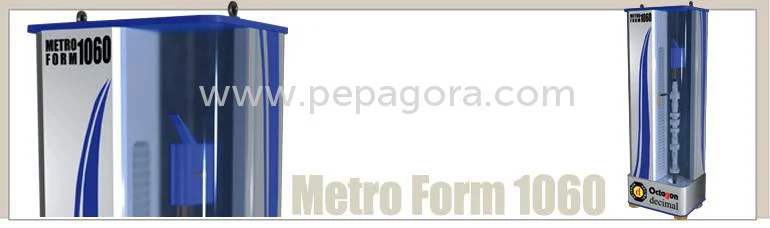
Metro Form 360 Crank Cam Shaft Precision Measurement System
Precision CNC Measurement System For Crank And Cam Shafts
Retrofit High Precision European Electronics For Length Measuring Machines
Saicon Apparels India
Professional UPVC Window Manufacturing Machine For High Volume Production
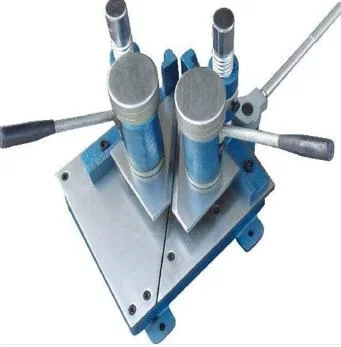
Portable UPVC Corner Cleaning Machine For Window Door Fabrication Workshop
Double Head Welding Machine For UPVC Window Door Frame Fabrication
Why Businesses Trust Pepagora
Thousands of companies trust Pepagora to source smarter and sell faster
Expand Your Sales Globally
25000+Products listed.Get discovered by global buyers
Tools to boost visibility
Build your own catalog

Source Smarter,Grow Faster
4000+Active RFQs
100+ Countries served
Easy Sourcing Tools
