
 IN
INundefined
Used Air Compressors
5 products available
𝗪𝗵𝗮𝘁 𝗮𝗿𝗲 𝗨𝘀𝗲𝗱 𝗔𝗶𝗿 𝗖𝗼𝗺𝗽𝗿𝗲𝘀𝘀𝗼𝗿𝘀?
Used air compressors are previously owned machines designed to compress air for various applications. These devices function by drawing in air and reducing its volume, which increases its pressure. The compressed air can then be used to power tools, equipment, and processes in a range of industrial settings. Used air compressors can offer significant cost savings compared to new models, making them an attractive option for businesses looking to optimize their budgets.
These compressors find extensive use in manufacturing, construction, automotive, and various other industries. They are commonly employed to power pneumatic tools, assist in material handling, and control production processes. The versatility of used air compressors makes them relevant for small workshops as well as large-scale industrial operations. As businesses strive to maintain efficiency while managing expenses, the demand for reliable used air compressors continues to grow in the market.
𝗞𝗲𝘆 𝗙𝗲𝗮𝘁𝘂𝗿𝗲𝘀 𝗮𝗻𝗱 𝗦𝗽𝗲𝗰𝗶𝗳𝗶𝗰𝗮𝘁𝗶𝗼𝗻𝘀
When evaluating used air compressors, certain features and specifications are critical to ensure they meet operational needs. Understanding these specifications can help buyers make informed decisions when purchasing.
Key specifications include:
1. Air Flow Rate
- This measures the volume of air the compressor can deliver.
- Typically expressed in cubic feet per minute (CFM).
2. Maximum Pressure
- Indicates the highest pressure the compressor can achieve.
- Measured in pounds per square inch (PSI).
3. Horsepower Rating
- Represents the power of the motor driving the compressor.
- Generally ranges from 1 to 15 horsepower.
4. Tank Size
- Refers to the capacity of the air storage tank.
- Common sizes range from 10 to 80 gallons.
5. Power Source
- Indicates whether the compressor is electric or gas-powered.
- Electric models are common for indoor use, while gas models are suited for outdoor applications.
6. Noise Levels
- Measured in decibels (dB), indicating the sound produced during operation.
- Typical noise levels range from 60 to 90 dB.
7. Portability
- Refers to whether the compressor is stationary or portable.
- Portable models often include wheels or handles for easy transport.
8. Maintenance Requirements
- Includes the frequency and type of maintenance needed to keep the compressor in good condition.
In summary, knowing the key features and specifications of used air compressors helps buyers select the right machine for their specific applications.
𝗖𝗼𝗺𝗺𝗼𝗻 𝗔𝗽𝗽𝗹𝗶𝗰𝗮𝘁𝗶𝗼𝗻𝘀 𝗮𝗻𝗱 𝗨𝘀𝗲 𝗖𝗮𝘀𝗲𝘀
Used air compressors are versatile tools applicable in numerous industries. They are essential for enhancing productivity and efficiency.
1. Manufacturing: Used air compressors are commonly used to operate pneumatic tools and machinery, enabling processes such as assembly, painting, and packaging.
2. Construction: In construction sites, these compressors provide power for tools like nail guns, jackhammers, and other equipment, facilitating various building tasks.
3. Automotive: Used air compressors assist in tire inflation, paint spraying, and powering pneumatic wrenches in automotive repair and maintenance shops.
4. Food and Beverage: In the food industry, air compressors are used for packaging, controlling processes, and ensuring hygiene through proper cleaning and air supply.
5. HVAC: These compressors play a critical role in heating, ventilation, and air conditioning systems, providing the necessary compressed air for operation.
6. Agriculture: In agricultural settings, used air compressors are utilized for powering irrigation systems and operating tools for crop maintenance.
7. Metalworking: Air compressors are vital in metal fabrication processes, providing the necessary air pressure for cutting, shaping, and welding metals.
𝗣𝗿𝗼𝗱𝘂𝗰𝘁 𝗩𝗮𝗿𝗶𝗮𝗻𝘁𝘀 𝗮𝗻𝗱 𝗦𝘂𝗯𝗰𝗮𝘁𝗲𝗴𝗼𝗿𝗶𝗲𝘀
Used air compressors come in a variety of configurations to cater to different business needs. This diversity allows companies to select models that best fit their operational requirements.
Reciprocating Air Compressors: These compressors use a piston-driven mechanism to compress air. They are ideal for small to medium applications and are known for their reliability and efficiency.
Rotary Screw Air Compressors: These models utilize two rotating helical screws to compress air. They are suitable for continuous operation and are often found in larger industrial applications due to their high efficiency and low maintenance requirements.
Scroll Air Compressors: These compressors feature a unique design using two spiral vanes. They are quieter and more energy-efficient, making them suitable for environments requiring low noise levels.
𝗕𝗲𝗻𝗲𝗳𝗶𝘁𝘀 𝗮𝗻𝗱 𝗔𝗱𝘃𝗮𝗻𝘁𝗮𝗴𝗲𝘀
Investing in used air compressors offers several advantages for businesses looking to enhance their operations.
1. Cost Savings: Used air compressors are generally more affordable than new models, allowing businesses to reduce capital expenditure.
2. Immediate Availability: Many used compressors are readily available for purchase, reducing lead times and allowing businesses to get up and running quickly.
3. Proven Performance: Used air compressors often come from reputable brands and have established track records, providing confidence in their reliability.
4. Environmental Considerations: Buying used equipment contributes to sustainability by extending the life of existing machines and reducing waste.
5. Customization Potential: Many used compressors can be refurbished or modified to meet specific operational needs, providing flexibility for businesses.
6. Access to Quality Brands: Purchasing used compressors allows businesses to access high-quality brands and models that may otherwise be financially out of reach.
𝗕𝘂𝘆𝗶𝗻𝗴 𝗚𝘂𝗶𝗱𝗲 𝗳𝗼𝗿 𝗕𝟮𝗕 𝗕𝘂𝘆𝗲𝗿𝘀
When sourcing used air compressors, it is essential for B2B buyers to consider several key factors to ensure a successful purchase.
1. Quality Assessment: Buyers should carefully inspect the condition of the compressor, including the wear on components and overall functionality. It is advisable to request maintenance records and any available warranties.
2. Supplier Verification: Vetting suppliers is crucial to ensure reliability and quality. Buyers should seek out reputable suppliers with positive reviews and a track record of offering quality used equipment.
3. Pricing and MOQ: Understanding the pricing structure is essential. Buyers should compare prices and be aware of minimum order quantities that suppliers may require.
4. Delivery and Lead Times: Buyers should inquire about delivery options and lead times to ensure the compressor can be received promptly to meet operational needs.
5. Compliance Requirements: It is important to verify that the used compressor meets relevant industry standards and compliance requirements to ensure safe and efficient operation.
𝗖𝗼𝗺𝗽𝗹𝗶𝗮𝗻𝗰𝗲 𝗮𝗻𝗱 𝗖𝗲𝗿𝘁𝗶𝗳𝗶𝗰𝗮𝘁𝗶𝗼𝗻𝘀
Compliance and certifications are critical considerations when purchasing used air compressors. Adhering to relevant quality standards helps ensure operational reliability and safety.
Many used air compressors are compliant with ISO 9001, which outlines quality management system standards. This certification indicates that the manufacturer has established processes to ensure consistent quality.
In addition, compliance with CE certification signifies that the equipment meets European safety and environmental protection standards. This is particularly important for businesses operating in or exporting to Europe.
Safety and testing requirements are also essential, as they ensure that the compressors operate safely under specified conditions. Buyers should verify that used air compressors have undergone appropriate testing to confirm their reliability.
Regional compliance considerations may vary based on local laws and regulations. Buyers should familiarize themselves with these requirements to ensure that the equipment they purchase is fully compliant.
𝗪𝗵𝘆 𝗦𝗼𝘂𝗿𝗰𝗲 𝗨𝘀𝗲𝗱 𝗔𝗶𝗿 𝗖𝗼𝗺𝗽𝗿𝗲𝘀𝘀𝗼𝗿𝘀 𝗳𝗿𝗼𝗺 𝗣𝗲𝗽𝗮𝗴𝗼𝗿𝗮?
Pepagora provides a trusted platform for sourcing used air compressors, offering several key advantages for B2B buyers.
Verified Supplier Network: Pepagora maintains a network of verified suppliers, ensuring that buyers have access to quality products and reputable brands. This network reduces the risks associated with purchasing used equipment.
Streamlined RFQ Process: The Request for Quotation (RFQ) process on Pepagora simplifies the procurement experience. Buyers can easily submit their requirements and receive competitive quotes from multiple suppliers, saving time and effort.
Trade Assurance and Support: Pepagora offers trade assurance, providing buyers with protection and support throughout the purchasing process. This assurance ensures that buyers can confidently engage with suppliers and receive the products they need.
Regional Coverage: With a strong presence in India, the GCC, and Southeast Asia, Pepagora provides buyers with access to a wide range of used air compressors from various regions. This geographic reach allows businesses to find the right equipment that fits their specific needs.
Newly Added


Recently Added
B. N. D. Engineers Private Limited
Industrial Air Compressor Valves Premium Plate Ring Spring Sets
Industrial Gas Compressor Valves For Reliability And Performance
Industrial Air Cooled Heat Exchangers For Efficient Thermal Management
Dynamic Diesels & Co
Reliable Used Napier Marine Turbochargers For Commercial Shipping
Used Napier NA Series Marine Turbochargers For Vessel Performance
Premium Volvo Excavator Spare Parts For EC210C EC380C EC240C EC140C EC700C EC480C Models
sri athanur amman machines
Used 30kVA Ashok Leyland Diesel Generator 415V Three Phase 50Hz
Small Business 40kVA Cummins Diesel Generator Reliable Backup Power
Used 30 kVA Diesel Generator 3 Phase 415V 45L Fuel Tank
MR Engineering
Apparel Manufacturing For Importers And Wholesalers
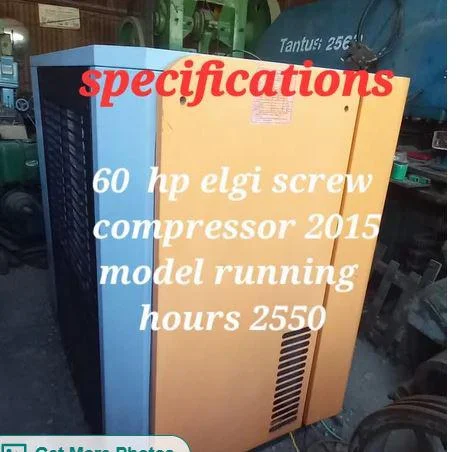
Elson 300L 10 HP Screw Compressor 5 Bar Air Cooled Industrial
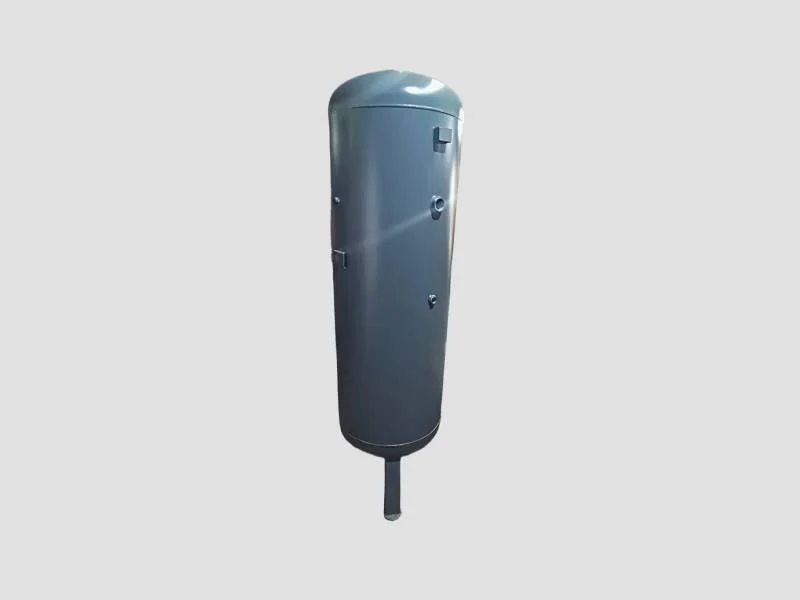
Industrial Air Receiver Tank 300L 10 Bar Mild Steel Vertical
Why Businesses Trust Pepagora
Thousands of companies trust Pepagora to source smarter and sell faster
Expand Your Sales Globally
25000+Products listed.Get discovered by global buyers
Tools to boost visibility
Build your own catalog

Source Smarter,Grow Faster
4000+Active RFQs
100+ Countries served
Easy Sourcing Tools
