
 IN
INundefined
USDA Organic Certified
2 products available
𝗪𝗵𝗮𝘁 𝗮𝗿𝗲 𝗨𝗦𝗗𝗔 𝗢𝗿𝗴𝗮𝗻𝗶𝗰 𝗖𝗲𝗿𝘁𝗶𝗳𝗶𝗲𝗱?
USDA Organic Certified refers to products that meet strict guidelines set by the United States Department of Agriculture (USDA) for organic farming and processing. These regulations ensure that agricultural products are produced without synthetic fertilizers, pesticides, and genetically modified organisms. To achieve this certification, farms and processors must adhere to rigorous practices that promote environmental sustainability and biodiversity. The certification process involves regular inspections and compliance with established organic standards.
USDA Organic Certified products are primarily used in the food and agriculture industries, where consumers increasingly demand organic options. This certification assures buyers that the products are grown and processed according to organic standards. Beyond food, USDA Organic Certified materials can be found in various personal care and textile products, catering to health-conscious consumers and businesses that prioritize sustainability. The market for organic products continues to expand, reflecting a growing recognition of the importance of organic farming in promoting health and environmental stewardship.
𝗞𝗲𝘆 𝗙𝗲𝗮𝘁𝘂𝗿𝗲𝘀 𝗮𝗻𝗱 𝗦𝗽𝗲𝗰𝗶𝗳𝗶𝗰𝗮𝘁𝗶𝗼𝗻𝘀
USDA Organic Certified products come with distinct features that set them apart from non-organic alternatives. Understanding these specifications is crucial for businesses looking to source organic materials.
Key specifications include:
1. Certification Process
- Products must undergo thorough inspections and meet USDA standards.
- Certification is renewed annually.
2. Pesticide Use
- Synthetic pesticides and fertilizers are prohibited.
- Organic pest management practices are implemented.
3. Genetic Modification
- Genetically modified organisms (GMOs) are not allowed in certified products.
- All seeds used must be certified organic.
4. Soil Health
- Organic farming emphasizes maintaining healthy soil through crop rotation and composting.
- Soil amendments must be natural and approved for organic use.
5. Livestock Standards
- Animals must have access to the outdoors and be fed organic feed.
- Antibiotics and growth hormones are not permitted.
6. Processing Standards
- Products must be processed without synthetic preservatives or artificial ingredients.
- Cross-contamination with non-organic products must be prevented.
7. Record Keeping
- Producers must maintain detailed records of all organic practices.
- Documentation is essential for audits and inspections.
8. Labeling Requirements
- Products must clearly display the USDA Organic seal.
- Labels must accurately reflect the organic content of the product.
In summary, USDA Organic Certified products are governed by strict regulations that ensure their organic integrity, making them highly sought after in the market.
𝗖𝗼𝗺𝗺𝗼𝗻 𝗔𝗽𝗽𝗹𝗶𝗰𝗮𝘁𝗶𝗼𝗻𝘀 𝗮𝗻𝗱 𝗨𝘀𝗲 𝗖𝗮𝘀𝗲𝘀
USDA Organic Certified products find applications across various industries, responding to the demand for organic options.
1. Food and Beverage Industry: Organic ingredients are used in processed foods, beverages, and snacks. This includes organic fruits, vegetables, grains, and dairy products.
2. Personal Care Products: Many personal care brands utilize USDA Organic Certified ingredients in cosmetics and skincare products, appealing to consumers seeking natural alternatives.
3. Textile and Apparel: Organic cotton and other fibers are used in clothing and textiles, promoting sustainable fashion practices.
4. Pharmaceuticals: Organic herbs and botanicals are increasingly used in dietary supplements and herbal remedies, meeting consumer health preferences.
5. Pet Food: Organic certified ingredients are used in pet foods, catering to pet owners who prioritize their pets' health.
6. Agriculture: Farmers growing organic crops often source USDA Organic Certified seeds and inputs, ensuring compliance with organic standards.
7. Cleaning Products: Some eco-friendly cleaning brands incorporate USDA Organic Certified ingredients to attract environmentally conscious consumers.
𝗣𝗿𝗼𝗱𝘂𝗰𝘁 𝗩𝗮𝗿𝗶𝗮𝗻𝘁𝘀 𝗮𝗻𝗱 𝗦𝘂𝗯𝗰𝗮𝘁𝗲𝗴𝗼𝗿𝗶𝗲𝘀
USDA Organic Certified products encompass a range of offerings, providing businesses with diverse options to meet their needs.
Organic Food Products
These include a wide variety of agricultural products such as fruits, vegetables, grains, and dairy items. They are cultivated under strict organic practices and are ideal for health-focused consumers.
Organic Personal Care Products
This category features skin care, hair care, and cosmetic items made from organic ingredients, appealing to consumers looking for natural beauty solutions.
Organic Textiles
These products consist of clothing and home textiles made from organic fibers, supporting sustainable fashion initiatives.
Organic Supplements
This variant includes vitamins, minerals, and herbal products that are certified organic, ensuring they meet health-conscious consumer demands.
𝗕𝗲𝗻𝗲𝗳𝗶𝘁𝘀 𝗮𝗻𝗱 𝗔𝗱𝘃𝗮𝗻𝘁𝗮𝗴𝗲𝘀
Sourcing USDA Organic Certified products offers numerous advantages for businesses.
Key benefits include:
1. Health and Safety: Organic products are free from harmful chemicals and pesticides, promoting safer consumption for consumers.
2. Market Demand: The rising popularity of organic products can lead to increased sales and customer loyalty.
3. Sustainability: Organic farming practices support environmental health, contributing to biodiversity and soil preservation.
4. Quality Assurance: USDA Organic Certification provides consumers with confidence in the integrity and quality of products.
5. Competitive Edge: Offering organic options can differentiate a brand in the marketplace, appealing to a growing demographic of health-conscious buyers.
6. Compliance Benefits: Sourcing certified products helps businesses meet regulatory requirements and consumer expectations for organic offerings.
𝗕𝘂𝘆𝗶𝗻𝗴 𝗚𝘂𝗶𝗱𝗲 𝗳𝗼𝗿 𝗕𝟮𝗕 𝗕𝘂𝘆𝗲𝗿𝘀
When sourcing USDA Organic Certified products, B2B buyers should consider several critical factors to ensure they make informed decisions.
1. Quality Assessment: Evaluate the quality of the organic products by reviewing certification documents and conducting supplier audits. This ensures that products meet the necessary organic standards.
2. Supplier Verification: Vet suppliers carefully by checking their certification status and reputation in the industry. A verified supplier network reduces the risk of sourcing non-compliant products.
3. Pricing and MOQ: Understand pricing structures and minimum order quantities (MOQ) to effectively budget for purchases. Comparing prices across suppliers can help in securing competitive deals.
4. Delivery and Lead Times: Assess logistics capabilities and delivery timelines to ensure timely supply chain management. Reliable delivery can impact production schedules and customer satisfaction.
5. Compliance Requirements: Be aware of regional and international organic compliance regulations to ensure that sourced products meet necessary legal standards. This helps avoid potential legal issues and product recalls.
𝗖𝗼𝗺𝗽𝗹𝗶𝗮𝗻𝗰𝗲 𝗮𝗻𝗱 𝗖𝗲𝗿𝘁𝗶𝗳𝗶𝗰𝗮𝘁𝗶𝗼𝗻𝘀
USDA Organic Certified products adhere to various quality standards and certifications that enhance their credibility and safety.
Relevant quality standards include ISO 9001, which ensures consistent quality management systems, and HACCP (Hazard Analysis Critical Control Point), which focuses on food safety through proactive risk management. These standards are critical in maintaining high-quality production processes.
In addition to USDA certification, products may also carry other industry certifications such as CE, which indicates compliance with European health, safety, and environmental protection standards. This is particularly relevant for businesses looking to enter international markets.
Safety and testing requirements are also paramount. Products must undergo testing to confirm that they meet organic standards, ensuring consumer safety and product integrity.
Regional compliance considerations must also be taken into account. Different regions may have specific regulations regarding organic labeling and practices, requiring businesses to stay informed about local laws.
𝗪𝗵𝘆 𝗦𝗼𝘂𝗿𝗰𝗲 𝗨𝗦𝗗𝗔 𝗢𝗿𝗴𝗮𝗻𝗶𝗰 𝗖𝗲𝗿𝘁𝗶𝗳𝗶𝗲𝗱 𝗳𝗿𝗼𝗺 𝗣𝗲𝗽𝗮𝗴𝗼𝗿𝗮?
Pepagora provides a trusted platform for sourcing USDA Organic Certified products with several key advantages.
Verified Supplier Network: Pepagora ensures that all suppliers within its network are thoroughly vetted and certified, giving buyers confidence in the quality and compliance of the products they purchase.
Streamlined RFQ Process: The platform offers a user-friendly Request for Quotation (RFQ) process, making it easy for buyers to request and receive competitive quotes from multiple suppliers quickly.
Trade Assurance and Support: Pepagora offers trade assurance features that protect buyers during transactions. This includes support for dispute resolution and assistance throughout the purchasing process.
Regional Coverage: With a strong presence in India, the GCC, and Southeast Asia, Pepagora provides extensive geographic reach, making it easier for businesses to find and source USDA Organic Certified products in their respective markets.
By choosing Pepagora, businesses can enhance their sourcing strategy while ensuring they meet consumer demand for organic products.
Newly Added


Recently Added
Aditi Creation
Designer Pallu Sarees For Wholesalers Elegant Quality
Premium Lehnga Style Sarees for Weddings and Festivals
Premium Light Embroidered Sarees For Weddings And Festive Wear
Shri Malai Exports
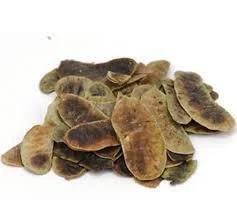
Organic Raw Senna Leaves Prime 5 Light Green 2.5% Sennoside Residue Free
Premium Indian Yellow Millets Sortex M/C Cattle Feed 300kCal High Starch
Premium Yellow Maize 50kg Bags High Protein Low Moisture
Why Businesses Trust Pepagora
Thousands of companies trust Pepagora to source smarter and sell faster
Expand Your Sales Globally
25000+Products listed.Get discovered by global buyers
Tools to boost visibility
Build your own catalog

Source Smarter,Grow Faster
4000+Active RFQs
100+ Countries served
Easy Sourcing Tools
