
 IN
INundefined
Urine Analyzers
2 products available
𝗪𝗵𝗮𝘁 𝗮𝗿𝗲 𝗨𝗿𝗶𝗻𝗲 𝗔𝗻𝗮𝗹𝘆𝘇𝗲𝗿𝘀?
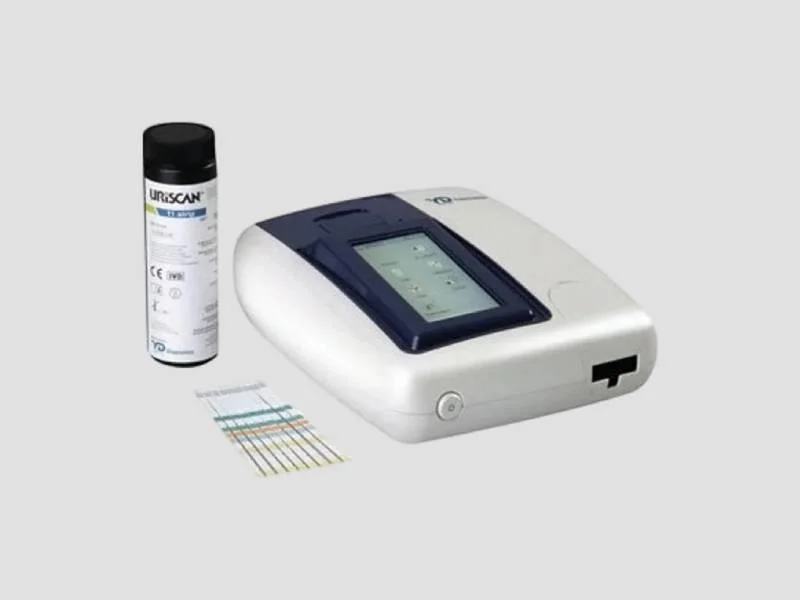
Urine analyzers are specialized medical devices designed to analyze urine samples for various biochemical and physical properties. These instruments use advanced technology to provide rapid and accurate results, helping healthcare professionals diagnose and monitor a range of health conditions. Urine analyzers can measure attributes such as pH levels, specific gravity, protein concentration, glucose levels, and the presence of ketones among other parameters.
The primary uses of urine analyzers include routine health screenings, disease diagnosis, and monitoring of chronic conditions. In hospitals, clinics, and laboratories, these analyzers play a critical role in patient care by enabling timely and effective decision-making. Additionally, they are used in veterinary medicine and pharmaceutical research. The growing emphasis on preventive healthcare and the increasing prevalence of chronic diseases are driving the demand for urine analyzers in the healthcare market.
In terms of industry relevance, the urine analyzer market is expanding due to advancements in technology and growing awareness of health monitoring. The increasing incidence of diabetes, kidney diseases, and urinary tract infections is also contributing to market growth. As healthcare systems continue to evolve, urine analyzers remain a vital tool in diagnostic laboratories, ensuring that accurate results are delivered efficiently.
𝗞𝗲𝘆 𝗙𝗲𝗮𝘁𝘂𝗿𝗲𝘀 𝗮𝗻𝗱 𝗦𝗽𝗲𝗰𝗶𝗳𝗶𝗰𝗮𝘁𝗶𝗼𝗻𝘀
Urine analyzers come equipped with a variety of features that enhance their functionality and ease of use. Understanding these features is essential for healthcare providers to select the right analyzer for their needs.
Key specifications include:
1. Measurement Parameters
- Includes various biochemical markers such as glucose, protein, and ketones.
- Technical parameters may include detection limits and measurement ranges.
2. Analysis Speed
- Refers to the time taken to produce results after sample submission.
- Typical analysis time ranges from a few seconds to a couple of minutes.
3. Data Management
- Features such as data storage, retrieval, and export capabilities.
- Compatibility with laboratory information systems (LIS) is often included.
4. User Interface
- Describes the ease of use of the device and the intuitiveness of the display.
- Touchscreen interfaces and customizable settings enhance user experience.
5. Calibration and Maintenance
- Information on the calibration frequency and maintenance requirements.
- Regular calibration ensures accuracy and reliability of results.
6. Sample Type Compatibility
- Indicates whether the analyzer can handle various urine sample types, including fresh and preserved samples.
7. Connectivity Options
- Describes the ability of the analyzer to connect to network systems for data sharing.
- Wi-Fi and Bluetooth connectivity enhance operational flexibility.
8. Size and Portability
- Details the physical dimensions and weight of the device.
- Compact models may be more suitable for small clinics or mobile units.
In summary, understanding the features and specifications of urine analyzers is crucial for healthcare facilities to ensure they choose equipment that meets their diagnostic needs effectively.
𝗖𝗼𝗺𝗺𝗼𝗻 𝗔𝗽𝗽𝗹𝗶𝗰𝗮𝘁𝗶𝗼𝗻𝘀 𝗮𝗻𝗱 𝗨𝘀𝗲 𝗖𝗮𝘀𝗲𝘀
Urine analyzers serve multiple industries and applications, making them versatile tools in healthcare.
1. Healthcare Facilities: In hospitals and clinics, urine analyzers are used for routine check-ups and diagnostic purposes. They help in identifying conditions like diabetes, kidney disease, and urinary tract infections.
2. Veterinary Medicine: Animal clinics utilize urine analyzers to monitor the health of pets and livestock. They provide insights into various health issues affecting animals.
3. Pharmaceutical Research: In drug development and clinical trials, urine analyzers are employed to monitor the effects of pharmaceuticals on human and animal subjects.
4. Sports Medicine: Athletic training facilities use urine analyzers to assess hydration levels and detect performance-enhancing substances in athletes.
5. Occupational Health: Companies may use urine analysis to screen employees for substance abuse and monitor health status in high-risk occupations.
6. Public Health: Community health programs use urine analyzers for large-scale health screenings to detect widespread health issues within populations.
7. Research Laboratories: Academic and research institutions analyze urine samples for studies related to metabolism, disease progression, and biomarker discovery.
𝗣𝗿𝗼𝗱𝘂𝗰𝘁 𝗩𝗮𝗿𝗶𝗮𝗻𝘁𝘀 𝗮𝗻𝗱 𝗦𝘂𝗯𝗰𝗮𝘁𝗲𝗴𝗼𝗿𝗶𝗲𝘀
Urine analyzers come in various models tailored to meet different needs across healthcare settings.
Compact Urine Analyzer: This variant is designed for small clinics or mobile healthcare units. It offers essential features for quick and accurate results without the need for extensive laboratory capabilities.
High-Throughput Urine Analyzer: Ideal for large hospitals and diagnostic labs, this model can process multiple samples simultaneously. It is equipped with advanced data management features and connectivity options for seamless integration into laboratory workflows.
Portable Urine Analyzer: This variant is lightweight and easy to transport, making it suitable for field testing and remote healthcare applications. It is designed for on-the-spot analysis with a user-friendly interface.
𝗕𝗲𝗻𝗲𝗳𝗶𝘁𝘀 𝗮𝗻𝗱 𝗔𝗱𝘃𝗮𝗻𝘁𝗮𝗴𝗲𝘀
Urine analyzers provide numerous benefits for healthcare providers and patients alike.
1. Efficiency: These devices significantly reduce the time taken to obtain test results, enabling quicker diagnosis and treatment decisions.
2. Accuracy: Advanced technology ensures high precision in measurement, minimizing the risk of false positives or negatives in test results.
3. User-Friendly: Many urine analyzers feature intuitive interfaces that simplify operation, allowing for easy use by medical staff with varying levels of technical expertise.
4. Cost-Effective: With the ability to perform multiple tests on a single sample, urine analyzers can lower overall diagnostic costs for healthcare facilities.
5. Versatility: They can analyze a wide range of parameters, making them suitable for various applications from routine check-ups to specialized testing.
6. Integration: Many models can connect with laboratory information systems, streamlining data management and enhancing laboratory efficiency.
𝗕𝘂𝘆𝗶𝗻𝗴 𝗚𝘂𝗶𝗱𝗲 𝗳𝗼𝗿 𝗕𝟮𝗕 𝗕𝘂𝘆𝗲𝗿𝘀
When sourcing urine analyzers, B2B buyers should consider several key factors to ensure they make informed purchasing decisions.
1. Quality Assessment: Evaluate the build quality and reliability of the analyzer. Look for devices that meet industry standards and have positive reviews from reputable sources.
2. Supplier Verification: It is essential to vet suppliers thoroughly. Check for certifications, customer testimonials, and their history in the market to ensure they can deliver quality products.
3. Pricing and MOQ: Understand the pricing structure and minimum order quantities (MOQ) required by suppliers. Compare prices across different suppliers to ensure competitive pricing.
4. Delivery and Lead Times: Confirm the expected delivery times and logistics arrangements. Timely delivery is crucial for maintaining operations in healthcare settings.
5. Compliance Requirements: Ensure that the urine analyzers meet regulatory standards applicable in your region. This includes certifications such as CE marking and adherence to safety requirements.
𝗖𝗼𝗺𝗽𝗹𝗶𝗮𝗻𝗰𝗲 𝗮𝗻𝗱 𝗖𝗲𝗿𝘁𝗶𝗳𝗶𝗰𝗮𝘁𝗶𝗼𝗻𝘀
Compliance and certifications are critical for urine analyzers, ensuring that they meet safety and quality standards in the healthcare industry.
Relevant quality standards include ISO 9001, which outlines criteria for a quality management system. Adhering to these standards ensures that manufacturers consistently produce reliable and safe products.
Industry certifications such as CE mark are important for products sold in European markets. This certification indicates that the product meets health, safety, and environmental protection standards.
Safety and testing requirements are also vital, as urine analyzers must undergo rigorous testing to verify their accuracy and reliability. Manufacturers should provide documentation on safety protocols and testing procedures.
Regional compliance considerations may vary, so it is essential for B2B buyers to understand the specific requirements in their target markets. This ensures that the products they source will be compliant and can be used without legal or regulatory issues.
𝗪𝗵𝘆 𝗦𝗼𝘂𝗿𝗰𝗲 𝗨𝗿𝗶𝗻𝗲 𝗔𝗻𝗮𝗹𝘆𝘇𝗲𝗿𝘀 𝗳𝗿𝗼𝗺 𝗣𝗲𝗽𝗮𝗴𝗼𝗿𝗮?
Pepagora offers a trusted platform for sourcing urine analyzers, providing several key advantages for businesses in the healthcare sector.
Verified Supplier Network: The platform connects buyers with a network of verified suppliers. This ensures that businesses can find reputable manufacturers with a proven track record in quality and service.
Streamlined RFQ Process: Pepagora simplifies the request for quotation process, allowing buyers to easily compare offers from multiple suppliers. This saves time and helps in making informed purchasing decisions.
Trade Assurance and Support: Buyers benefit from trade assurance, which provides protection throughout the purchasing process. Pepagora offers support to address any concerns, ensuring a smooth transaction experience.
Regional Coverage: With a broad geographic reach, Pepagora connects buyers in India, the GCC, and Southeast Asia with suppliers. This facilitates access to a diverse range of urine analyzers tailored to meet local market needs.
By choosing Pepagora as a sourcing partner, B2B buyers can ensure they find high-quality urine analyzers that meet their operational requirements while benefiting from a reliable and efficient procurement process.
Newly Added



Recently Added
Dhanvanthri Clinic
Ayurveda Siddha Diabetes Treatments For Blood Sugar Control
Diabetes Treatment Solutions For Healthcare Providers And Distributors
Sore Throat Treatment Fast Acting Relief Bulk Supply
Perfect Medical Instruments
Erba EC 90 Semi Automatic Touch Electrolyte Analyzer For Laboratory
Clinical Lab Mindray Hematology Analyzer 5 Part Differential CBC
H360 Automated Hematology Analyzer 3 Part Differential Dual Chamber
Why Businesses Trust Pepagora
Thousands of companies trust Pepagora to source smarter and sell faster
Expand Your Sales Globally
25000+Products listed.Get discovered by global buyers
Tools to boost visibility
Build your own catalog

Source Smarter,Grow Faster
4000+Active RFQs
100+ Countries served
Easy Sourcing Tools
