
 IN
INundefined
Upholstery Leather
2 products available
𝗪𝗵𝗮𝘁 𝗮𝗿𝗲 𝗨𝗽𝗵𝗼𝗹𝘀𝘁𝗲𝗿𝘆 𝗟𝗲𝗮𝘁𝗵𝗲𝗿?
Upholstery leather is a type of leather used primarily for covering furniture and other interior applications. It is crafted from animal hides, typically cowhide, and is treated through various processes to enhance its durability, appearance, and comfort. Upholstery leather comes in various finishes, colors, and textures, allowing it to meet diverse aesthetic and functional requirements in furniture design.
This material is widely used in the furniture industry for sofas, chairs, and other seating solutions. It is also popular in automotive interiors, providing both luxury and durability. Upholstery leather is especially valued for its ability to withstand wear and tear, making it suitable for high-traffic areas. As the demand for high-quality, long-lasting materials increases, upholstery leather remains a relevant choice in both residential and commercial applications.
𝗞𝗲𝘆 𝗙𝗲𝗮𝘁𝘂𝗿𝗲𝘀 𝗮𝗻𝗱 𝗦𝗽𝗲𝗰𝗶𝗳𝗶𝗰𝗮𝘁𝗶𝗼𝗻𝘀
Upholstery leather is distinguished by several key features that contribute to its performance and appeal. These specifications help manufacturers and designers select the right type of leather for their projects.
Key specifications include:
1. Type of Leather
- Full-grain, top-grain, corrected-grain, and bonded leather
- Varying levels of durability and aesthetic appeal
2. Thickness
- Commonly ranges from 0.9 mm to 1.2 mm
- Influences the feel and robustness of the leather
3. Finish
- Options include aniline, semi-aniline, and pigmented finishes
- Determines appearance and ease of maintenance
4. Color Options
- Available in a wide palette from neutrals to vibrant hues
- Allows customization for various design themes
5. Flame Resistance
- Conforms to industry standards for fire safety
- Essential for commercial applications
6. Wear Resistance
- Measured using the Martindale test
- Indicates durability over time and usage
7. Water Resistance
- Varies by treatment; some leathers are treated for moisture resistance
- Important for maintaining appearance in high-use settings
8. Environmental Compliance
- Often meets standards like CE for safety and environmental impact
- Essential for industries focused on sustainability
Upholstery leather's diverse features make it suitable for various applications while meeting industry standards for quality and safety.
𝗖𝗼𝗺𝗺𝗼𝗻 𝗔𝗽𝗽𝗹𝗶𝗰𝗮𝘁𝗶𝗼𝗻𝘀 𝗮𝗻𝗱 𝗨𝘀𝗲 𝗖𝗮𝘀𝗲𝘀
Upholstery leather serves various industries, demonstrating its versatility and appeal.
1. Furniture Manufacturing: Upholstery leather is commonly used in the production of sofas, chairs, and ottomans, providing a luxurious and durable covering that enhances comfort and aesthetics.
2. Automotive Industry: Many car manufacturers utilize upholstery leather for seat covers and interior panels, as it offers elegance and longevity, while also being easy to clean and maintain.
3. Hospitality Sector: Hotels and restaurants often choose upholstery leather for their seating arrangements to create an upscale atmosphere while ensuring durability in high-traffic environments.
4. Office Furniture: Upholstery leather is a popular choice for office chairs and conference room furnishings, providing both style and comfort for professional settings.
5. Retail Displays: Retail environments utilize upholstery leather in display furniture to create an inviting and upscale shopping experience.
6. Marine Applications: Upholstery leather is used in boats for seating and interior finishes, requiring materials that can withstand exposure to water and sunlight.
7. Custom Projects: Artisans and craftsmen often use upholstery leather in bespoke furniture and home decor projects, allowing for unique designs tailored to specific customer needs.
𝗣𝗿𝗼𝗱𝘂𝗰𝘁 𝗩𝗮𝗿𝗶𝗮𝗻𝘁𝘀 𝗮𝗻𝗱 𝗦𝘂𝗯𝗰𝗮𝘁𝗲𝗴𝗼𝗿𝗶𝗲𝘀
Upholstery leather comes in various types, each catering to different needs and preferences in design and functionality.
Full-Grain Leather: This variant retains the natural grain and texture of the hide, making it highly durable and breathable. It develops a rich patina over time, enhancing its appearance.
Top-Grain Leather: Slightly processed to remove imperfections, top-grain leather offers a balance between durability and aesthetics. It is easier to maintain than full-grain while still providing a luxurious feel.
Corrected-Grain Leather: This type is sanded and treated to create a uniform appearance, making it less expensive while still offering a pleasing look. It is ideal for high-volume applications.
Bonded Leather: Made from leftover scraps of leather that are bonded together, this variant is cost-effective and suitable for low-traffic areas, providing a leather-like appearance without the high price point.
𝗕𝗲𝗻𝗲𝗳𝗶𝘁𝘀 𝗮𝗻𝗱 𝗔𝗱𝘃𝗮𝗻𝘁𝗮𝗴𝗲𝘀
Upholstery leather offers numerous benefits that make it an attractive choice for various applications.
1. Durability: Upholstery leather is known for its strength and resilience, making it suitable for high-use environments where longevity is essential.
2. Aesthetic Appeal: Available in a wide range of colors and textures, upholstery leather enhances the visual appeal of furniture and interiors, contributing to the overall design.
3. Easy Maintenance: Many finishes are designed to resist stains and spills, making cleaning straightforward and reducing upkeep efforts for owners.
4. Comfort: Upholstery leather is soft to the touch and molds to the body over time, ensuring a comfortable seating experience.
5. Value Retention: High-quality upholstery leather often retains its value over time, making it a wise investment for businesses and consumers alike.
6. Versatility: With its wide range of uses, upholstery leather can suit various styles and environments, from modern to traditional.
𝗕𝘂𝘆𝗶𝗻𝗴 𝗚𝘂𝗶𝗱𝗲 𝗳𝗼𝗿 𝗕𝟮𝗕 𝗕𝘂𝘆𝗲𝗿𝘀
When sourcing upholstery leather, it is important to consider several key factors to ensure the best choice for your specific needs.
1. Quality Assessment: Evaluate the leather's grade based on its type and finish. Look for certifications that verify its quality and durability.
2. Supplier Verification: Research potential suppliers to ensure they have a solid reputation and proven track record within the industry. Check for references and reviews.
3. Pricing and MOQ: Understand the cost structure and minimum order quantities (MOQ) required by suppliers. This will help you budget appropriately for your projects.
4. Delivery and Lead Times: Inquire about the expected lead times for delivery, especially if you are working on time-sensitive projects. Ensure the supplier can meet your timelines.
5. Compliance Requirements: Familiarize yourself with any industry-specific regulations or certifications required for upholstery leather, particularly if you are in sectors like automotive or hospitality.
𝗖𝗼𝗺𝗽𝗹𝗶𝗮𝗻𝗰𝗲 𝗮𝗻𝗱 𝗖𝗲𝗿𝘁𝗶𝗳𝗶𝗰𝗮𝘁𝗶𝗼𝗻𝘀
Upholstery leather must adhere to various quality standards and certifications to ensure it meets industry expectations. Relevant standards include ISO 9001, which sets guidelines for quality management systems. Additionally, the HACCP and GDP standards focus on safety and health regulations in food-related applications.
Industry certifications such as CE indicate compliance with European safety and health requirements, making it essential for suppliers to obtain these certifications for their products. Safety and testing requirements may also include tests for flammability and wear resistance.
Furthermore, regional compliance considerations are crucial, as different areas may have distinct regulations regarding environmental impact and safety. Sourcing upholstery leather from compliant suppliers ensures that businesses maintain ethical practices while meeting legal obligations.
𝗪𝗵𝘆 𝗦𝗼𝘂𝗿𝗰𝗲 𝗨𝗽𝗵𝗼𝗹𝘀𝘁𝗲𝗿𝘆 𝗟𝗲𝗮𝘁𝗵𝗲𝗿 𝗳𝗿𝗼𝗺 𝗣𝗲𝗽𝗮𝗴𝗼𝗿𝗮?
Pepagora provides a trusted platform for sourcing upholstery leather, offering several key advantages to B2B buyers.
Verified Supplier Network: Pepagora has established a robust network of verified suppliers, ensuring that buyers can trust the quality and authenticity of the upholstery leather they purchase. This verification process helps mitigate risks associated with sourcing.
Streamlined RFQ Process: The platform features a simplified Request for Quotation (RFQ) system, allowing buyers to quickly obtain quotes from multiple suppliers. This efficiency saves time and facilitates better decision-making.
Trade Assurance and Support: Buyers are protected through trade assurance policies offered by Pepagora. This support gives buyers confidence in their transactions and ensures a smooth procurement process.
Regional Coverage: With a strong presence in regions such as India, the GCC, and Southeast Asia, Pepagora effectively connects buyers with suppliers across diverse markets. This geographic reach allows for better access to a variety of upholstery leather options tailored to specific regional needs.
Newly Added



Recently Added
Dalton Chemical Private Ltd.
Leather Top Coat Actytop Clear High Gloss Non Yellowing
Premium Leather Finishing Emulsion For Non Yellowing White Pastel Shades
Premium Leather Finishing Nitrocellulose Lacquer High Elasticity
A. C. Poly Coaters ( P ) Limited
Footwear Uppers Premium Quality Durable Versatile Components
Premium Leather Products For Industrial And Commercial Applications
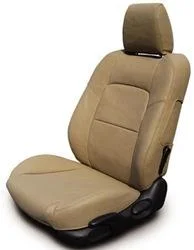
Premium Car Leather Upholstery For Automotive Manufacturers And Refurbishers
Why Businesses Trust Pepagora
Thousands of companies trust Pepagora to source smarter and sell faster
Expand Your Sales Globally
25000+Products listed.Get discovered by global buyers
Tools to boost visibility
Build your own catalog

Source Smarter,Grow Faster
4000+Active RFQs
100+ Countries served
Easy Sourcing Tools
