
 IN
INundefined
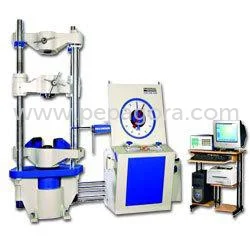
Universal Testing Machines (UTM)
130 products available
What are Universal Testing Machines (UTM)?
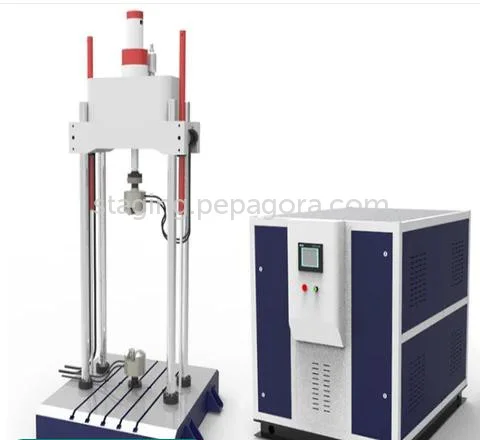
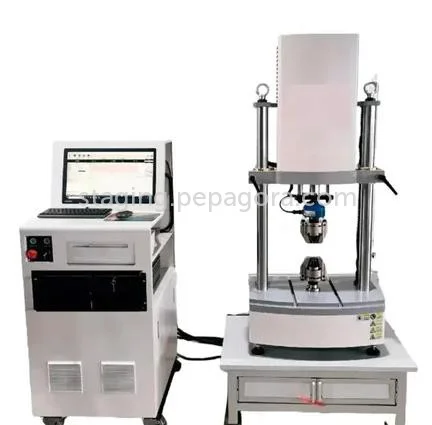
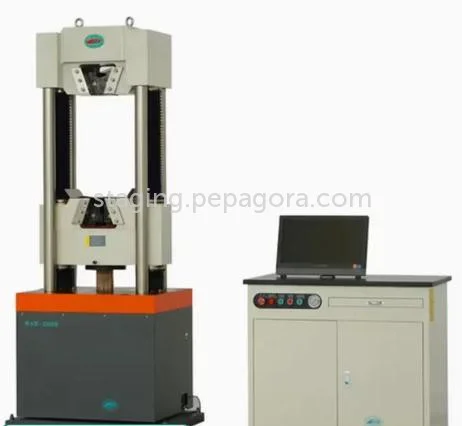
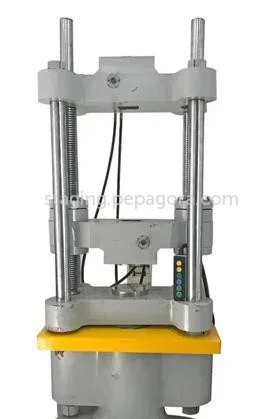
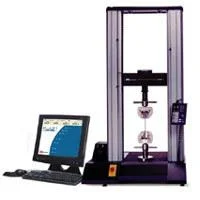
Universal Testing Machines (UTM) are essential instruments used for assessing the mechanical properties of materials through various testing methods. They are capable of performing a wide range of tests including tension, compression, bending, and shear. This versatility makes UTMs invaluable in quality control, research, and development across various industries. The machines apply controlled force to materials until they reach their breaking point, providing critical data on strength, ductility, and other mechanical characteristics.
In business applications, UTMs are primarily used in industries such as manufacturing, construction, and materials science. They help ensure that materials meet specified standards and safety requirements, thus minimizing risks in production and application. Industries utilize UTMs for quality assurance, product development, and compliance with regulatory standards. The UTM market is experiencing growth as industries increasingly focus on advanced testing technologies to enhance product quality and performance.
𝗞𝗲𝘆 𝗙𝗲𝗮𝘁𝘂𝗿𝗲𝘀 𝗮𝗻𝗱 𝗦𝗽𝗲𝗰𝗶𝗳𝗶𝗰𝗮𝘁𝗶𝗼𝗻𝘀
Universal Testing Machines are equipped with several key features that enhance their functionality and usability. These specifications ensure that users can perform a variety of tests with precision and reliability.
Key specifications include:
1. Load Capacity
- Typically ranges from a few hundred grams to several hundred tons.
- Allows testing of a wide range of materials, from metals to polymers.
2. Measurement Accuracy
- Usually within ± 0.5% of full scale.
- Ensures precise readings for critical tests.
3. Speed Control
- Variable speed settings from 0.01 to several hundred mm/min.
- Allows for tailored testing conditions based on material requirements.
4. Software Integration
- Compatible with advanced data analysis software.
- Enhances reporting capabilities and data management.
5. Frame Type
- Can be either a dual-column or a single-column design.
- Variations in design affect stability and space requirements.
6. Test Modes
- Supports multiple modes including static, dynamic, and cyclic testing.
- Adaptable for various material testing needs.
7. Safety Features
- Equipped with overload protection and emergency stop functions.
- Enhances user safety during testing procedures.
8. Compliance Standards
- Designed to meet international testing standards such as ISO and ASTM.
- Essential for industries requiring compliance with regulatory requirements.
Overall, these features make Universal Testing Machines a crucial tool for ensuring material reliability and quality.
𝗖𝗼𝗺𝗺𝗼𝗻 𝗔𝗽𝗽𝗹𝗶𝗰𝗮𝘁𝗶𝗼𝗻𝘀 𝗮𝗻𝗱 𝗨𝘀𝗲 𝗖𝗮𝘀𝗲𝘀
Universal Testing Machines are employed in numerous industries to assess material properties and ensure safety and compliance.
1. Aerospace: UTMs are used to test the strength and durability of various materials like composites and metals used in aircraft manufacturing.
2. Construction: These machines evaluate concrete, steel, and other building materials to ensure they meet safety and performance standards.
3. Automotive: Used for testing components and materials to ensure they can withstand stress and strain during vehicle operation.
4. Plastics: UTMs are essential for testing plastic materials to assess their tensile strength and flexibility.
5. Textiles: Employed to determine the strength and elasticity of fabrics in the textile industry.
6. Electronics: Used for testing the mechanical properties of electronic components and materials to ensure reliability.
7. Medical Devices: UTMs help in testing the materials used in medical devices to ensure they meet stringent safety standards.
𝗣𝗿𝗼𝗱𝘂𝗰𝘁 𝗩𝗮𝗿𝗶𝗮𝗻𝘁𝘀 𝗮𝗻𝗱 𝗦𝘂𝗯𝗰𝗮𝘁𝗲𝗴𝗼𝗿𝗶𝗲𝘀
Universal Testing Machines come in various models and configurations to meet specific testing requirements.
Electromechanical UTM: This variant uses electric motors to apply force and is ideal for precision tests. It is commonly used in laboratories for materials that require high accuracy.
Hydraulic UTM: This variant employs hydraulic systems for testing high-capacity materials. It is suitable for heavy-duty applications in the construction and manufacturing sectors.
Pneumatic UTM: Utilizing compressed air, this variant offers quick response times and is often used for lighter materials. It is ideal for environments where speed is critical.
𝗕𝗲𝗻𝗲𝗳𝗶𝘁𝘀 𝗮𝗻𝗱 𝗔𝗱𝘃𝗮𝗻𝘁𝗮𝗴𝗲𝘀
Universal Testing Machines provide several key advantages that enhance their value to businesses.
1. Precision Testing: UTMs offer high accuracy in measuring material properties, ensuring reliable data for decision-making.
2. Versatility: Capable of performing multiple tests, UTMs can adapt to various materials, making them suitable for diverse applications.
3. Efficiency: Automated features and software integration streamline testing processes, saving time and reducing human error.
4. Compliance Assurance: By meeting industry standards, UTMs help businesses comply with regulatory requirements, reducing liability.
5. Enhanced Quality Control: Regular testing with UTMs ensures that materials consistently meet quality benchmarks, leading to improved product reliability.
6. Data Management: Advanced data analysis capabilities provide businesses with insights that can drive innovation and product development.
𝗕𝘂𝘆𝗶𝗻𝗴 𝗚𝘂𝗶𝗱𝗲 𝗳𝗼𝗿 𝗕𝟮𝗕 𝗕𝘂𝘆𝗲𝗿𝘀
When sourcing Universal Testing Machines (UTM), there are several important factors to consider to ensure the right choice for your business needs.
1. Quality Assessment: Look for machines that are built to high-quality standards, and check for certifications that validate their reliability and performance.
2. Supplier Verification: Vet potential suppliers by reviewing their track record, customer testimonials, and adherence to industry standards.
3. Pricing and MOQ: Understand the pricing structure and minimum order quantities to ensure that they align with your budget and requirements.
4. Delivery and Lead Times: Factor in delivery schedules and lead times to ensure that the UTM will be available when needed for your production processes.
5. Compliance Requirements: Ensure that the machine meets all relevant compliance standards for your industry to avoid any regulatory issues.
𝗖𝗼𝗺𝗽𝗹𝗶𝗮𝗻𝗰𝗲 𝗮𝗻𝗱 𝗖𝗲𝗿𝘁𝗶𝗳𝗶𝗰𝗮𝘁𝗶𝗼𝗻𝘀
Universal Testing Machines must adhere to various quality standards and certifications to ensure they are suitable for industrial applications.
ISO 9001 is a commonly recognized standard that ensures a consistent quality management system. Compliance with this standard indicates that the manufacturer adheres to best practices in quality assurance.
CE certification is essential for machines sold in the European market, indicating compliance with health, safety, and environmental protection standards.
Safety and testing requirements are critical, especially in industries such as aerospace and automotive, where material failure can have serious consequences.
Regional compliance considerations may vary, and it is essential to understand the specific regulations applicable to your region to ensure that the UTM meets all necessary criteria.
Why Source Universal Testing Machines (UTM) from Pepagora?
Pepagora provides a trusted platform for sourcing Universal Testing Machines (UTM), offering several key advantages for businesses looking to enhance their testing capabilities.
Verified Supplier Network: Pepagora connects buyers with a network of verified suppliers, ensuring that you receive high-quality machines from reputable manufacturers.
Streamlined RFQ Process: The request for quotation system allows buyers to easily compare offers from multiple suppliers, ensuring competitive pricing and optimal choices.
Trade Assurance and Support: Buyers are protected through trade assurances, providing peace of mind when investing in UTMs.
Regional Coverage: With a presence in India, the GCC, and Southeast Asia, Pepagora ensures that businesses across these regions can access reliable UTMs tailored to their specific needs.
Newly Added




Recently Added
No.1 Hydraulics
Textile Industry Hydraulic Cotton Baling Press Machine With Direction Control Valves
Coir Processing Heavy Duty Baling Press Machine High Density Energy Efficient
Recycling Scrap Baling Press Machine For Metal Plastic Paper Waste
ABS Instruments Pvt Ltd
Premium Hardness Testers For Rockwell Brinell Vickers Scales Quality Control
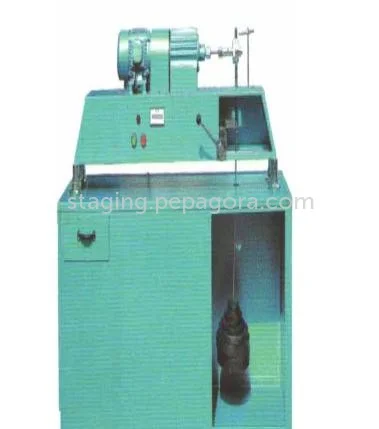
Industrial Rotary Bending Machine 0.1 500 Nm Electric DIN 50 113
Premium Bareiss Polymer Testers For Material Hardness And Abrasion Testing
Scientific &Technological Equipment Corp
Premium Concrete Mixers For Construction Testing And Quality Control
Laboratory Concrete Mixer 2 Cubic Feet 0.5 HP Hand Operation
Axle Weigh Pad For Logistics And Construction | High Precision
Unitech Scales And Measurements Pvt. Ltd
Engineering Education Strain Measurement Trainer Full Bridge Stainless Steel 1kg Capacity
Capacitance Measurement Trainer Linear Angular Displacement 50mm 0 90
Industrial Displacement Measurement Trainer 10mm LVDT 1% Accuracy
Pragya Equipments Pvt Ltd
Industrial Tube Finning Machine For Heat Exchanger Radiator Fabrication
Industrial Tube Finning Machine With Roto Advancing Mechanism For HVAC Heat Exchangers
Industrial Heavy Duty Coil Transfer Trolley For Coils Billets Pipes Up To 120 MT
Load Master
Industrial Digital Strain Indicator for Precise Measurement and Reliability
Aerospace Torque Transducers For Precision Force Measurement In Aviation
Industrial Tension Load Cells For Weighing And Force Measurement
Octagon Precision India Pvt Ltd
Metro Form 360 Crank Cam Shaft Precision Measurement System
Precision CNC Measurement System For Crank And Cam Shafts
Retrofit High Precision European Electronics For Length Measuring Machines
Mechtrix Engineers
Industrial Heat Transfer Equipment For Efficient Energy Recovery
Industrial Thermal Engineering Equipment: Wind Tunnels, Refrigeration Test Rigs
Bernoulli's Theorem Apparatus Fluid Dynamics Lab Venturimeter Engineering Education
Gomati Engineers
Industrial Brake Lining Grinder Systems OEM New High Performance
Industrial Bush Fixing Machine For Shock Absorbers OEM Standard New
Industrial OEM Loctite Dispensing Systems High Performance Precision
Hitech India Equipments Pvt.Ltd
Precision Surveying Instruments For Construction And Mining With Glass
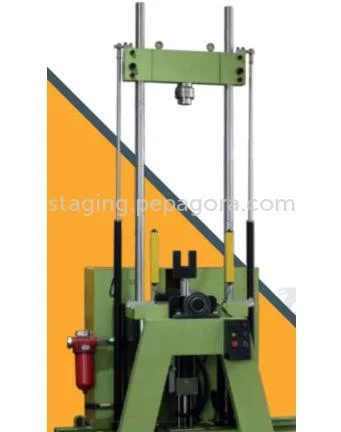
Hydraulic Tensile Testing Machine With NABL Calibration For
Premium Asphalt Bitumen Testing Equipment High Tensile Metal OEM
Why Businesses Trust Pepagora
Thousands of companies trust Pepagora to source smarter and sell faster
Expand Your Sales Globally
25000+Products listed.Get discovered by global buyers
Tools to boost visibility
Build your own catalog

Source Smarter,Grow Faster
4000+Active RFQs
100+ Countries served
Easy Sourcing Tools
