
 IN
INundefined
Turmeric Powder
68 products available
𝗪𝗵𝗮𝘁 𝗮𝗿𝗲 𝗧𝘂𝗿𝗺𝗲𝗿𝗶𝗰 𝗣𝗼𝘄𝗱𝗲𝗿?
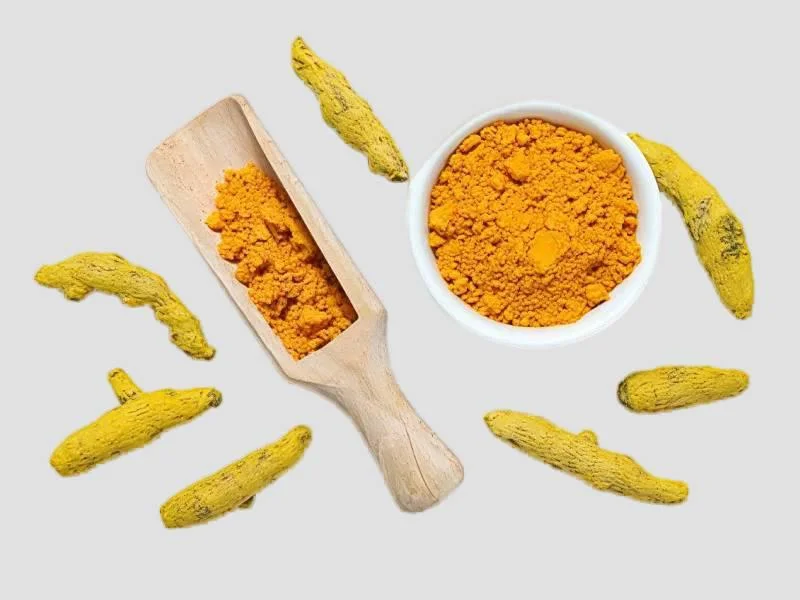
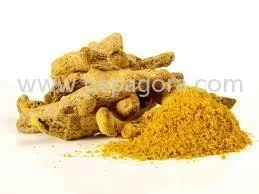
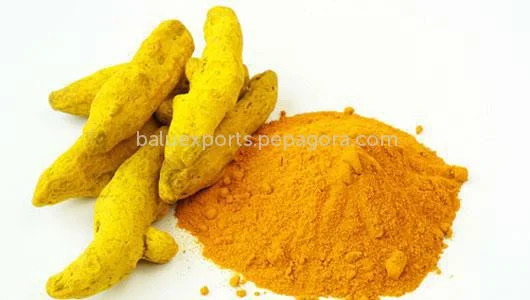
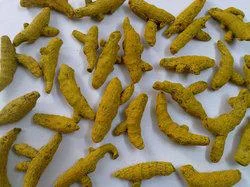
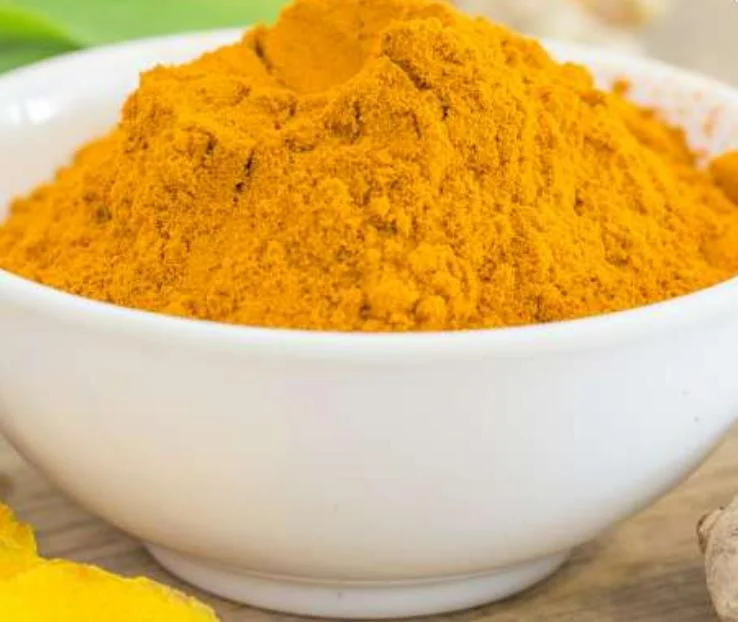
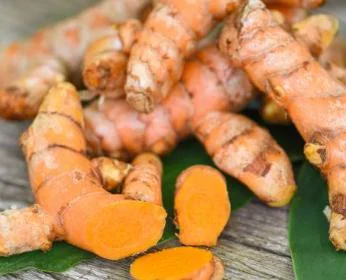
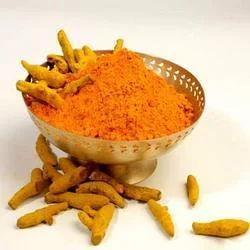
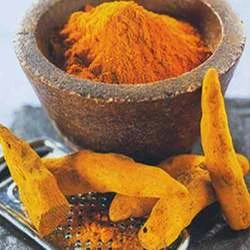
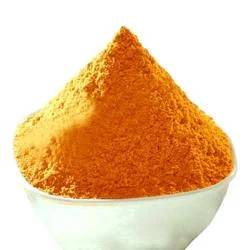
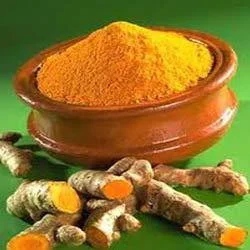
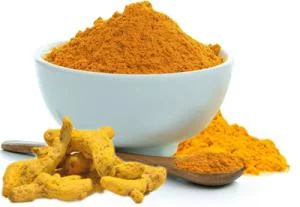
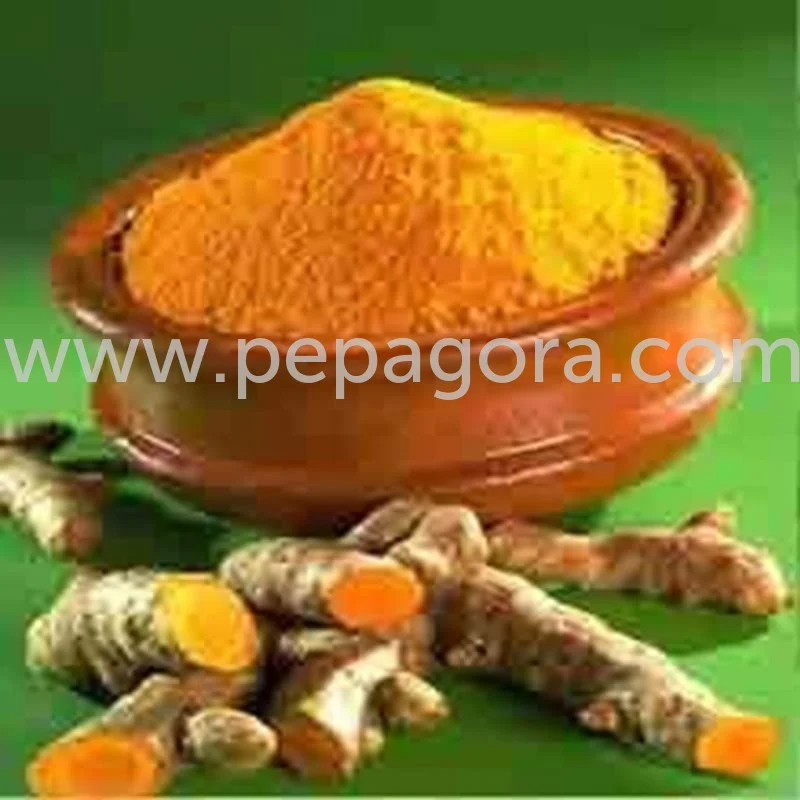
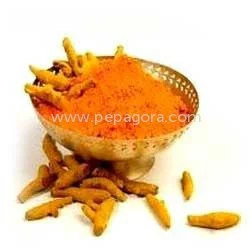
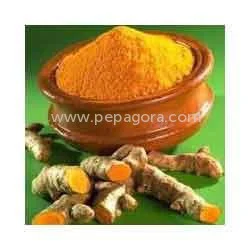
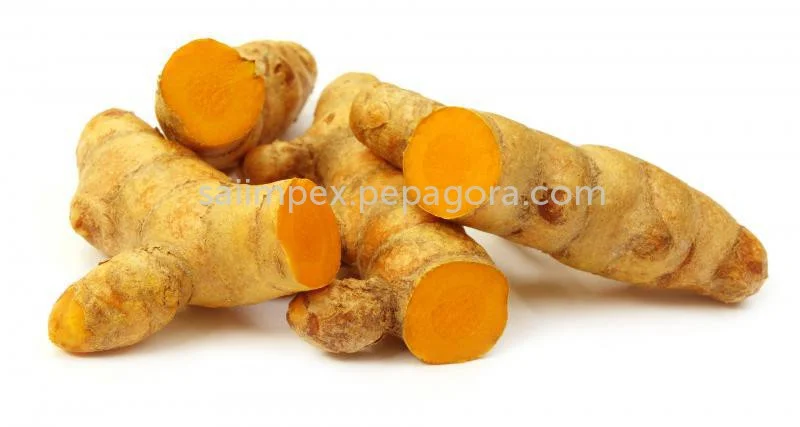
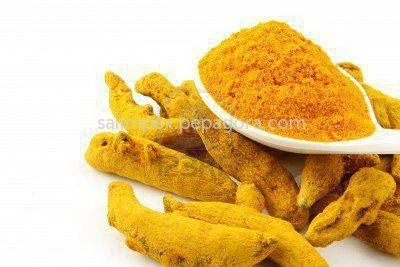
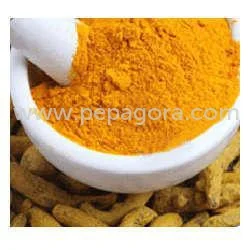
Turmeric powder is a bright yellow spice derived from the rhizome of the Curcuma longa plant. It is well known for its active compound, curcumin, which is celebrated for its potential health benefits and vibrant color. The powder is created by boiling the rhizomes, drying them, and then grinding them into a fine texture. This versatile spice has been used for centuries in traditional medicine, cooking, and as a dye.
In the business realm, turmeric powder is primarily used in the food industry as a flavoring agent and colorant in various dishes. It is also widely utilized in the pharmaceutical and cosmetic industries due to its anti-inflammatory and antioxidant properties. The demand for turmeric powder has grown significantly, driven by rising consumer interest in health and wellness products. As a result, it has become an important commodity in global markets, with applications extending to health supplements and natural remedies.
𝗞𝗲𝘆 𝗙𝗲𝗮𝘁𝘂𝗿𝗲𝘀 𝗮𝗻𝗱 𝗦𝗽𝗲𝗰𝗶𝗳𝗶𝗰𝗮𝘁𝗶𝗼𝗻𝘀
Turmeric powder offers several key features that make it a valuable ingredient across various industries. Understanding its specifications is essential for businesses looking to incorporate it into their products.
Key specifications include:
1. Color Quality
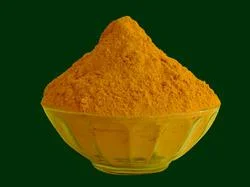
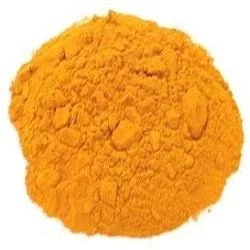
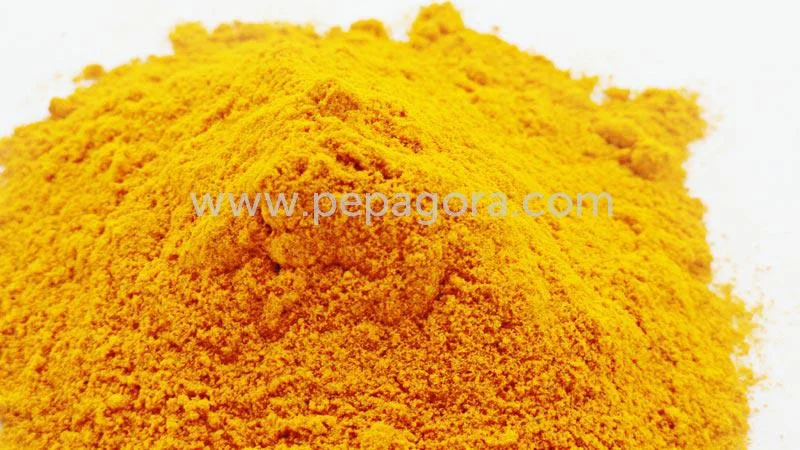
- Bright yellow color indicating high curcumin content
- Color intensity is crucial for culinary applications
2. Particle Size
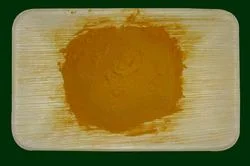
- Fine powder consistency for optimal mixing
- Typically ranges from 60 to 100 mesh
3. Curcumin Content
- Standard curcumin content of 2-5% for culinary uses
- Higher concentrations available for supplements
4. Moisture Content
- Optimal moisture levels below 10%
- Affects shelf life and quality of the powder
5. Flavor Profile
- Distinctively earthy and slightly bitter taste
- Enhances flavor in various dishes
6. Shelf Life
- Average shelf life of 1-2 years under proper storage conditions
- Requires cool, dry storage to maintain quality
7. Certifications
- Compliance with food safety standards
- CE certification for international trade
8. Packaging Options
- Available in bulk or retail packaging
- Varied packaging sizes to suit different business needs
In summary, turmeric powder is characterized by its vibrant color, fine texture, and beneficial properties, making it a sought-after ingredient in multiple sectors.
𝗖𝗼𝗺𝗺𝗼𝗻 𝗔𝗽𝗽𝗹𝗶𝗰𝗮𝘁𝗶𝗼𝗻𝘀 𝗮𝗻𝗱 𝗨𝘀𝗲 𝗖𝗮𝘀𝗲𝘀
Turmeric powder serves a diverse array of industries due to its unique properties.
1. Food Industry: Turmeric is commonly used as a spice in cooking, particularly in curry dishes, sauces, and marinades. Its natural color enhances the visual appeal of foods.
2. Pharmaceutical Industry: The anti-inflammatory and antioxidant properties of turmeric make it a popular ingredient in health supplements and herbal remedies aimed at boosting overall health.
3. Cosmetic Industry: Turmeric is incorporated into skincare products for its potential benefits in reducing inflammation and improving skin health. It is often found in face masks and creams.
4. Nutraceuticals: Companies use turmeric powder in dietary supplements and functional foods targeting health-conscious consumers seeking natural wellness solutions.
5. Textile Industry: Turmeric is utilized as a natural dye, providing a vibrant yellow hue to fabrics, making it a sustainable alternative to synthetic dyes.
6. Animal Feed: Turmeric is added to animal feed for its health benefits, including improved digestion and anti-inflammatory effects in livestock.
7. Natural Remedies: Turmeric powder is commonly used in home remedies for various ailments, including digestive issues and skin conditions.
𝗣𝗿𝗼𝗱𝘂𝗰𝘁 𝗩𝗮𝗿𝗶𝗮𝗻𝘁𝘀 𝗮𝗻𝗱 𝗦𝘂𝗯𝗰𝗮𝘁𝗲𝗴𝗼𝗿𝗶𝗲𝘀
Turmeric powder comes in various forms to cater to different market needs, although specific subcategories are not available.
Organic Turmeric Powder
This variant is sourced from organically grown turmeric plants, ensuring no synthetic pesticides or fertilizers are used. It appeals to health-conscious consumers and businesses looking for natural ingredients.
Curcumin Extract
This variant contains a higher concentration of curcumin, often used in supplements. It is processed to enhance its health benefits and is marketed for its anti-inflammatory properties.
Standard Turmeric Powder
This is the most common form, used in cooking and food manufacturing. It provides the essential flavor and color without the higher curcumin concentration.
𝗕𝗲𝗻𝗲𝗳𝗶𝘁𝘀 𝗮𝗻𝗱 𝗔𝗱𝘃𝗮𝗻𝘁𝗮𝗴𝗲𝘀
Turmeric powder offers numerous benefits that make it an attractive choice for businesses across different sectors.
1. Health Benefits: The active compound curcumin is known for its anti-inflammatory and antioxidant effects, promoting overall wellness.
2. Versatility: Turmeric powder can be used in various applications, from culinary to medicinal, making it a multifunctional ingredient.
3. Natural Colorant: It serves as a safe and natural coloring agent, enhancing the visual appeal of food products without synthetic additives.
4. Cost-Effective: Due to its wide availability, turmeric powder presents an economical option for manufacturers and food producers.
5. Growing Demand: Increasing consumer awareness about health and wellness drives the market demand for turmeric powder, making it a worthwhile investment.
6. Sustainable Sourcing: Turmeric is a renewable resource, and sourcing from certified suppliers ensures ethical and sustainable practices.
𝗕𝘂𝘆𝗶𝗻𝗴 𝗚𝘂𝗶𝗱𝗲 𝗳𝗼𝗿 𝗕𝟮𝗕 𝗕𝘂𝘆𝗲𝗿𝘀
When sourcing turmeric powder, businesses should consider several key factors to ensure they make informed purchasing decisions.
1. Quality Assessment: It is essential to evaluate the quality of turmeric powder through laboratory testing. Look for curcumin content, moisture levels, and particle size to ensure the product meets industry standards.
2. Supplier Verification: Vet suppliers thoroughly by checking their certifications, customer reviews, and production practices. This step is crucial to ensure reliable sourcing.
3. Pricing and MOQ: Understand the pricing structure and minimum order quantities (MOQs) offered by suppliers. Negotiate terms that align with your business needs.
4. Delivery and Lead Times: Confirm delivery schedules and lead times to avoid disruptions in your supply chain. Ensure that suppliers can meet your timeline requirements.
5. Compliance Requirements: Familiarize yourself with regulatory compliance for turmeric powder in your region, including food safety standards and labeling requirements.
𝗖𝗼𝗺𝗽𝗹𝗶𝗮𝗻𝗰𝗲 𝗮𝗻𝗱 𝗖𝗲𝗿𝘁𝗶𝗳𝗶𝗰𝗮𝘁𝗶𝗼𝗻𝘀
Turmeric powder must adhere to specific quality standards to ensure safety and efficacy in its applications. Relevant quality standards include ISO 9001, which focuses on quality management systems, ensuring consistent product quality and customer satisfaction. HACCP (Hazard Analysis Critical Control Point) standards are also crucial in food safety, helping to identify and manage potential hazards in the production process.
Industry certifications, such as CE certification, indicate that the product meets European safety, health, and environmental protection standards. These certifications are vital for businesses looking to expand their market reach.
Safety and testing requirements for turmeric powder include assessments for contaminants and microbiological testing to ensure that the product is safe for consumption. Additionally, regional compliance considerations vary, and businesses should be aware of local regulations that may apply to turmeric powder sourcing and distribution.
𝗪𝗵𝘆 𝗦𝗼𝘂𝗿𝗰𝗲 𝗧𝘂𝗿𝗺𝗲𝗿𝗶𝗰 𝗣𝗼𝘄𝗱𝗲𝗿 𝗳𝗿𝗼𝗺 𝗣𝗲𝗽𝗮𝗴𝗼𝗿𝗮?
Pepagora offers a reliable platform for sourcing turmeric powder, providing several advantages that facilitate a smooth purchasing experience.
Verified Supplier Network: Pepagora features a network of verified suppliers, ensuring that businesses can source high-quality turmeric powder from trusted manufacturers. This verification process enhances buyer confidence.
Streamlined RFQ Process: The request for quotation (RFQ) system on Pepagora simplifies the procurement process. Buyers can easily request quotes from multiple suppliers, allowing for competitive pricing and better decision-making.
Trade Assurance and Support: Buyers benefit from trade assurance programs that protect their purchases. Pepagora offers dedicated support to assist with any issues that may arise during the sourcing process.
Regional Coverage: Pepagora's geographic reach spans India, the Gulf Cooperation Council (GCC) countries, and Southeast Asia. This broad coverage allows businesses to access diverse suppliers and meet their specific sourcing needs efficiently.
Newly Added
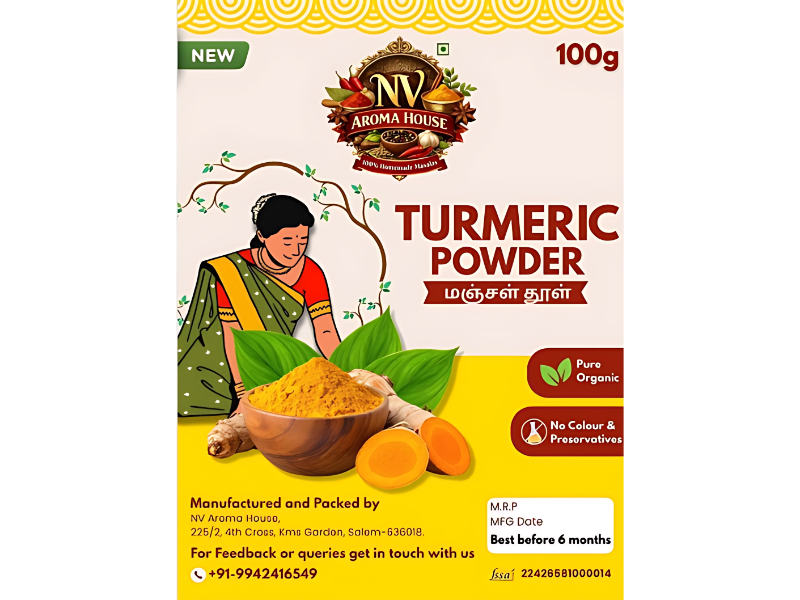

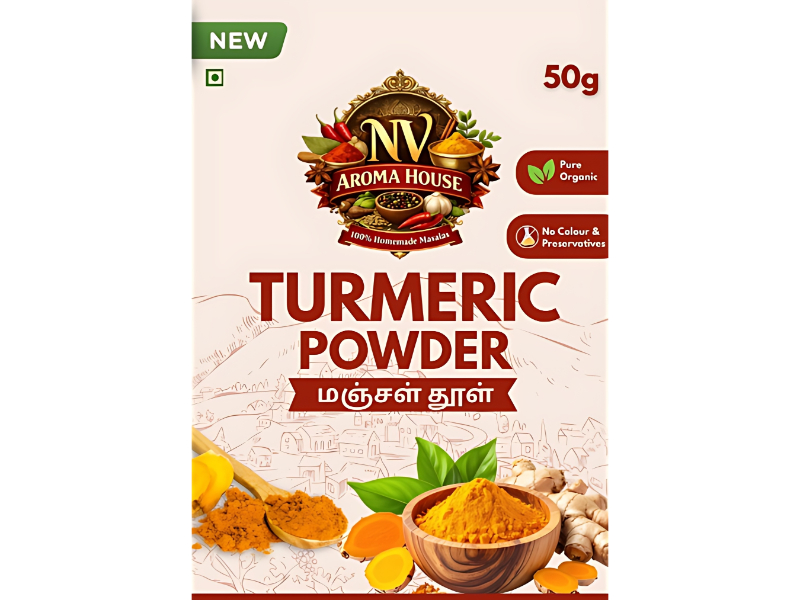
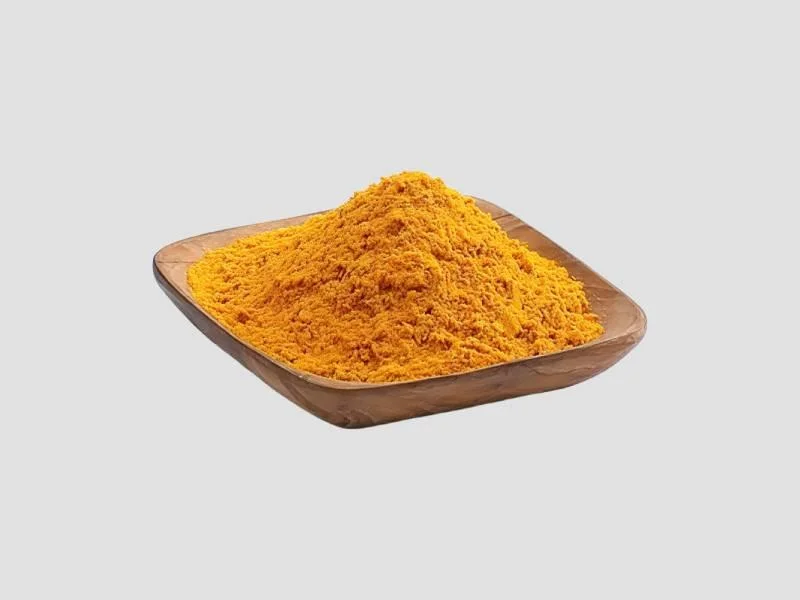
Bulk Organic Turmeric Powder Erode Variety Finely Ground Chemical Free
In Stock

Usha Kiran Trading
 IN
IN11
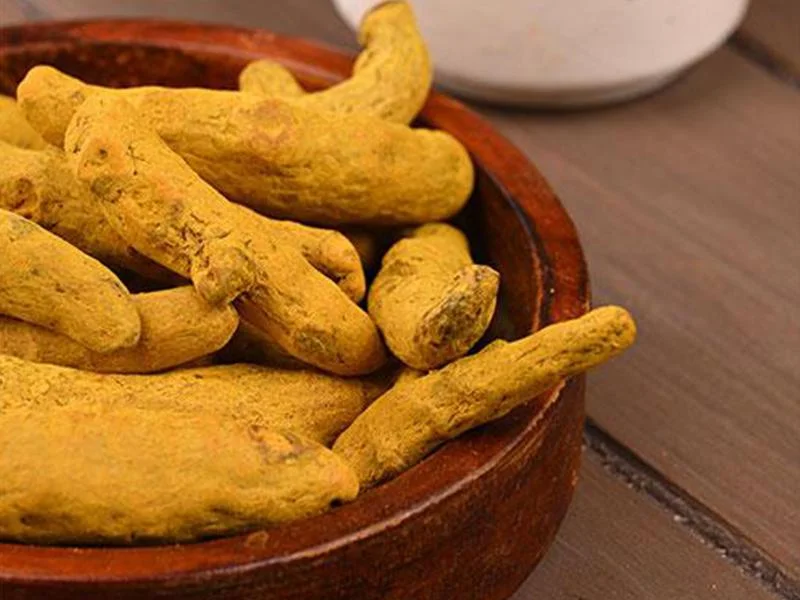
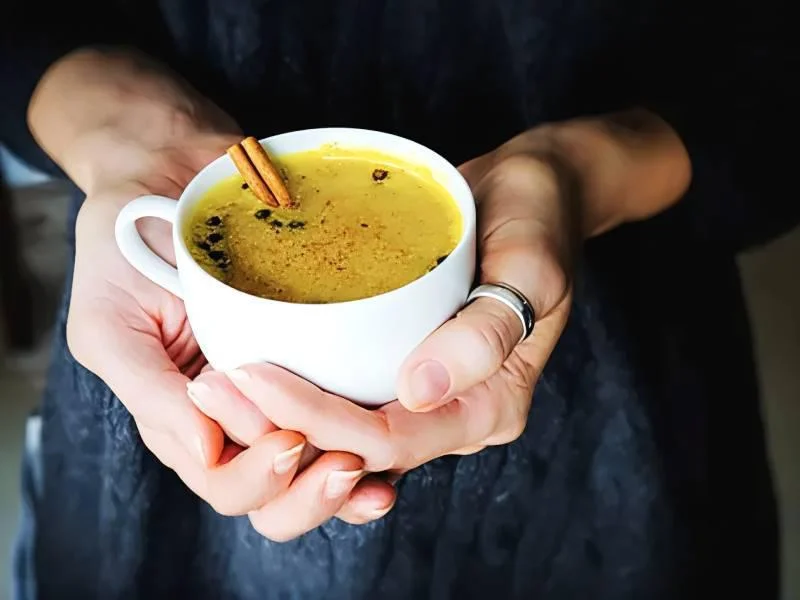
Premium Intex Matrix Turmeric Golden Milk Masala for Health Beverages
In Stock
Orion Health Biotech
IN4



Recently Added
Siva Exports
Organic Black Pepper Rich Aroma, 100% Pure, Long Shelf Life
Organic Cumin Seeds Bulk Dried Raw Granules Rich Aroma High Nutrition
Organic Dry Chillies Rich Taste High Nutritional Value Long Shelf Life
SMM Exports
Fresh Ginger Root Bulk Long Shelf Life Clean No Pest
Eco Friendly Handicraft Clay Mug With Wooden Handle And Patriotic Theme
Handmade Agal Vilakku Oil Lamp Eco Friendly Lightweight Straight Design
Shivaraj Trading International
Organic Basmati Rice 100% Purity Low Broken Ratio
Black Sesame Seeds Raw 100% Pure Hygienic Food Industry
Premium Turkey Towels Quick Dry Soft For Kids Adults Home Hotel Sports
Ess Aar Ess Exports
Organic Carrots Fresh Sliced Hygienical Long Shelf Life
Premium Organic Tomatoes Long Shelf Life Hygienic Processing
Fresh Ellipse Potatoes High Grade Bulk Hygienic Food Use
Jainsons (India) Industries
Premium Guar Gum Powder Natural Thickener Stabilizer For Food Pharma Industrial
Bulk Senna Leaves For Herbal Pharmaceutical Wellness
Bulk Fenugreek Seeds For Food Manufacturing And Supplements
Raja Exports
Organic Fresh Tomatoes For Food Industry & South Indian Dishes
Organic Fresh Brinjal For South Indian Dishes & Food Industry
Bulk Organic Fresh Green Drumsticks For South Indian Dishes
SVMA Exports
Organic Refined Rice Bran Oil Vacuum Packed For Cooking
Bulk Raw Cashew Nuts Dried High Protein Magnesium Food Industry
Premium Sesame Seeds For Baking And Food Manufacturing High In Iron
Aroma Spices Industry
Restaurant Bulk Premium Pav Bhaji Masala Authentic Flavor
Premium Fish Masala Spice Blend For Restaurants And Distributors
Chana Masala Spice Blend For Authentic Chole Preparation
Virdhara International
Organic Cumin Seeds 99.85% Purity USFDA Guaranteed Food Grade
Europe Quality Cumin Seeds Machine Cleaned 99.85% Purity Food Grade
Organic Turmeric Powder Food Medicine Grade Pure Hygienic
Andrias Business Network
Ocean Freight Services FCL LCL Reefer Door To Door Customs Insurance
Industrial 50 Tonne Baling Machine 1000mm Stroke 10HP Motor
Premium PP Disposable Glass Scrap Crushed Baled For Industrial Recycling
Why Businesses Trust Pepagora
Thousands of companies trust Pepagora to source smarter and sell faster
Expand Your Sales Globally
25000+Products listed.Get discovered by global buyers
Tools to boost visibility
Build your own catalog

Source Smarter,Grow Faster
4000+Active RFQs
100+ Countries served
Easy Sourcing Tools
