
 IN
INundefined
Turbidity Meters
8 products available
𝗪𝗵𝗮𝘁 𝗮𝗿𝗲 𝗧𝘂𝗿𝗯𝗶𝗱𝗶𝘁𝘆 𝗠𝗲𝘁𝗲𝗿𝘀?
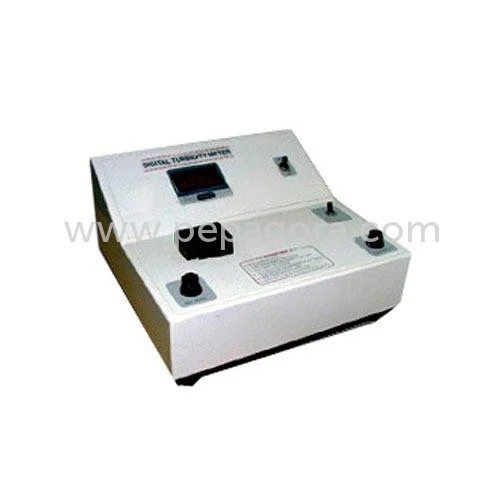
Turbidity Meters are analytical instruments designed to measure the cloudiness or haziness of a liquid caused by large numbers of individual particles that are generally invisible to the naked eye. These devices utilize light scattering principles to quantify the turbidity in Nephelometric Turbidity Units (NTU). By detecting the intensity of light scattered at a specific angle, turbidity meters can provide accurate readings of water quality, which is essential for various applications.
The primary uses of turbidity meters include monitoring water quality in drinking water supplies, wastewater treatment plants, and industrial processes. They serve as critical tools in environmental testing, ensuring compliance with regulatory standards for water quality. Businesses across multiple sectors rely on turbidity meters to assess the effectiveness of filtration systems and to make informed decisions regarding treatment processes.
In the context of industry relevance, turbidity meters are essential in sectors such as water treatment, food and beverage production, and environmental monitoring. As regulations around water quality become stricter, the demand for reliable turbidity measurement equipment continues to grow. This market is characterized by technological advancements, leading to more accurate, user-friendly, and cost-effective turbidity measurement solutions.
𝗞𝗲𝘆 𝗙𝗲𝗮𝘁𝘂𝗿𝗲𝘀 𝗮𝗻𝗱 𝗦𝗽𝗲𝗰𝗶𝗳𝗶𝗰𝗮𝘁𝗶𝗼𝗻𝘀
Turbidity meters come equipped with various features that enhance their functionality and usability. Understanding these specifications is crucial for selecting the right model for your needs.
Key specifications include:
1. Measurement Range
- Typical range from 0 to 4000 NTU
- Provides flexibility for different applications
2. Accuracy
- Generally ±2% of reading or ±0.02 NTU, whichever is greater
- Ensures precise monitoring of water quality
3. Calibration
- Automatic or manual calibration options available
- Allows for easy adjustments based on specific requirements
4. Display Type
- Digital LCD or LED screens for easy readability
- Some models may include backlighting for low-light conditions
5. Power Source
- Battery-operated or AC-powered options
- Extended battery life for field use
6. Data Logging
- Ability to store readings for future reference
- Some models offer connectivity options for data transfer
7. Portability
- Lightweight and compact designs available
- Ideal for field measurements and on-site testing
8. Materials
- Durable materials resistant to corrosion and wear
- Ensures longevity and reliability in various environments
These features make turbidity meters versatile tools for ensuring water quality across different industries.
𝗖𝗼𝗺𝗺𝗼𝗻 𝗔𝗽𝗽𝗹𝗶𝗰𝗮𝘁𝗶𝗼𝗻𝘀 𝗮𝗻𝗱 𝗨𝘀𝗲 𝗖𝗮𝘀𝗲𝘀
Turbidity meters have a wide range of applications across various industries. Their ability to provide accurate measurements of water clarity is essential for maintaining quality standards.
1. Water Treatment: Turbidity meters are used to monitor the effectiveness of filtration systems and ensure that treated water meets safety standards for drinking and recreational use.
2. Wastewater Management: In wastewater treatment facilities, turbidity meters help in assessing the performance of treatment processes and compliance with environmental regulations.
3. Food and Beverage: These devices are employed in the production of beverages such as beer and juice to maintain quality control and ensure product consistency.
4. Aquaculture: Turbidity levels in aquaculture systems are monitored to create optimal living conditions for aquatic life, directly impacting growth and health.
5. Environmental Monitoring: Turbidity meters are used in environmental studies to assess water quality in natural water bodies, helping in the evaluation of pollution levels.
6. Construction: In construction sites, turbidity measurements are crucial for managing sediment runoff and complying with environmental regulations.
7. Research and Development: Laboratories use turbidity meters for various experiments and analyses involving liquids, making them indispensable in scientific research.
𝗣𝗿𝗼𝗱𝘂𝗰𝘁 𝗩𝗮𝗿𝗶𝗮𝗻𝘁𝘀 𝗮𝗻𝗱 𝗦𝘂𝗯𝗰𝗮𝘁𝗲𝗴𝗼𝗿𝗶𝗲𝘀
Turbidity meters are available in various models, catering to different needs and applications within the industry. These variants differ mainly in features and intended use.
Portable Turbidity Meters: These models are designed for field use, offering lightweight construction and battery operation. They are ideal for on-site testing in water bodies or treatment plants.
Laboratory Turbidity Meters: Built for precision and accuracy, these meters are used in controlled environments to provide detailed analysis of water samples. They often incorporate advanced data logging and connectivity features.
Online Turbidity Sensors: These systems are designed for continuous monitoring of turbidity levels in real-time. They are commonly used in industrial processes and municipal water treatment facilities.
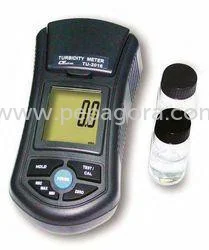
Handheld Turbidity Meters: Compact and easy to use, these meters are perfect for quick checks and spot measurements, making them suitable for various applications.
𝗕𝗲𝗻𝗲𝗳𝗶𝘁𝘀 𝗮𝗻𝗱 𝗔𝗱𝘃𝗮𝗻𝘁𝗮𝗴𝗲𝘀
Investing in turbidity meters offers several key benefits that enhance operational efficiency and compliance.
1. Improved Water Quality Monitoring: Turbidity meters provide reliable data that helps businesses maintain high water quality standards.
2. Regulatory Compliance: By ensuring accurate measurements, these devices help organizations comply with local and international water quality regulations.
3. Cost-Effectiveness: Reliable turbidity measurements can reduce waste in water treatment processes, leading to significant cost savings.
4. User-Friendly Operation: Many turbidity meters are designed with intuitive interfaces, making them accessible to users with varying levels of expertise.
5. Versatility: These instruments can be used across multiple industries, making them a valuable asset for businesses involved in water management.
6. Enhanced Decision-Making: Accurate turbidity data allows organizations to make informed decisions regarding water treatment and management strategies.
𝗕𝘂𝘆𝗶𝗻𝗴 𝗚𝘂𝗶𝗱𝗲 𝗳𝗼𝗿 𝗕𝟮𝗕 𝗕𝘂𝘆𝗲𝗿𝘀
When sourcing turbidity meters, it is essential to consider several factors to ensure you make an informed decision.
1. Quality Assessment: Look for meters that have been tested and meet industry standards. Check for certifications that indicate reliability and performance.
2. Supplier Verification: Vet suppliers by reviewing their reputation, customer feedback, and history in the industry. Ensure they provide support and warranty for their products.
3. Pricing and MOQ: Understand the pricing structure and minimum order quantities. Compare multiple suppliers to find competitive pricing without compromising quality.
4. Delivery and Lead Times: Inquire about delivery schedules and lead times to ensure timely access to equipment. This is crucial for projects with tight deadlines.
5. Compliance Requirements: Familiarize yourself with any regulatory requirements relevant to your industry and ensure the meters you choose meet these standards.
𝗖𝗼𝗺𝗽𝗹𝗶𝗮𝗻𝗰𝗲 𝗮𝗻𝗱 𝗖𝗲𝗿𝘁𝗶𝗳𝗶𝗰𝗮𝘁𝗶𝗼𝗻𝘀
Turbidity meters must adhere to various quality standards and certifications to ensure reliability and safety. Key standards include ISO 9001, which ensures effective quality management systems are in place. Additionally, compliance with HACCP (Hazard Analysis Critical Control Point) principles is crucial in industries where product safety is paramount, such as food and beverage.
Many turbidity meters also carry CE certification, indicating conformity with European health, safety, and environmental protection standards. This certification is essential for products entering the European market.
Furthermore, safety and testing requirements are critical, ensuring that the devices operate correctly under specified conditions. Regional compliance considerations may vary, so it is important to understand local regulations that apply to turbidity measurements.
𝗪𝗵𝘆 𝗦𝗼𝘂𝗿𝗰𝗲 𝗧𝘂𝗿𝗯𝗶𝗱𝗶𝘁𝘆 𝗠𝗲𝘁𝗲𝗿𝘀 𝗳𝗿𝗼𝗺 𝗣𝗲𝗽𝗮𝗴𝗼𝗿𝗮?
Pepagora offers a reliable platform for sourcing turbidity meters, providing several key advantages to B2B buyers.
Verified Supplier Network: Pepagora ensures that all suppliers are thoroughly vetted, providing buyers with peace of mind regarding product quality and supplier reliability. This network fosters trust and accountability.
Streamlined RFQ Process: The request for quotation process is designed to be efficient and user-friendly. Buyers can easily compare offers from multiple suppliers, facilitating better purchasing decisions.
Trade Assurance and Support: Pepagora offers trade assurance measures, protecting buyers against potential disputes. Comprehensive support services are also available to assist buyers throughout the purchasing process.
Regional Coverage: With a strong presence in India, GCC, and Southeast Asia, Pepagora is well-positioned to serve diverse markets, offering tailored solutions to meet regional needs.
By choosing Pepagora, businesses can access quality turbidity meters while benefiting from a supportive and secure purchasing environment.
Newly Added



Recently Added
Optima Inststruments
Industrial Digital pH Meter 0.01 Accuracy Solid State Circuitry
Laboratory Multi Element Flame Photometer For Sodium Potassium Calcium Lithium Analysis
Industrial Dissolved Oxygen Meter with 0 20 mg/L Range and LCD Display
Coronation Instruments
Industrial PH Meter with 0.01 14.00 pH Range and 1999mV Mode
Professional Digital Dissolved Oxygen Analyzer for Water Treatment & Aquaculture
Paper Quality Control Digital Brightness Tester for Opacity Gloss
D. Haridas & Company
PRIMA ENT DNT Microscope Precision Optics LED Illumination Modular Design
Professional Portable Water Soil Analysis Kit For Environmental Monitoring
Laboratory AC Stirrers Brushless Variable Speed Mixing
Achala Engineering And Electronics
Water Treatment Safety Premium Chlorine Emergency Kits PVC Stainless Steel Brass
Industrial Water Level Indicators Digital Electronic 8m 2% Precision
Industrial Water Filtration Digital Indicators for Level Monitoring and Alarms
Mudhra Weighing
Laboratory Scale MS JS CL II High Precision Weighing Auto Calibration RS232
Electronic Table Top Scale MS TTS Digital Weighing Industrial Retail Lab
Industrial Weighing Scale MS Electronic Platform IND 01 16 476
Why Businesses Trust Pepagora
Thousands of companies trust Pepagora to source smarter and sell faster
Expand Your Sales Globally
25000+Products listed.Get discovered by global buyers
Tools to boost visibility
Build your own catalog

Source Smarter,Grow Faster
4000+Active RFQs
100+ Countries served
Easy Sourcing Tools
