
 IN
INundefined
Tubular Batteries
25 products available
𝗪𝗵𝗮𝘁 𝗮𝗿𝗲 𝗧𝘂𝗯𝘂𝗹𝗮𝗿 𝗕𝗮𝘁𝘁𝗲𝗿𝗶𝗲𝘀?
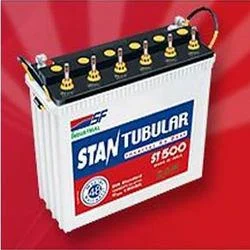
Tubular batteries are specialized lead-acid batteries designed for deep-cycle applications. They are characterized by their tubular positive plates, which provide a larger surface area, thereby enhancing the efficiency and longevity of the battery. This design allows tubular batteries to withstand frequent discharges and recharges, making them ideal for applications requiring reliable energy storage and delivery.
These batteries are commonly used in various sectors such as telecommunications, renewable energy systems, and uninterrupted power supplies (UPS). Their robust construction and high performance make them suitable for both industrial and commercial applications, where dependable energy supply is critical. As businesses increasingly shift towards renewable energy sources, the demand for tubular batteries has surged, reflecting their importance in modern energy solutions.
The market for tubular batteries is expanding as industries seek efficient energy storage solutions. As technology improves, manufacturers are developing advanced versions that offer higher capacities, longer lifespans, and enhanced safety features. This growth is driven by the increasing reliance on alternative energy sources and the need for sustainable energy management strategies.
𝗞𝗲𝘆 𝗙𝗲𝗮𝘁𝘂𝗿𝗲𝘀 𝗮𝗻𝗱 𝗦𝗽𝗲𝗰𝗶𝗳𝗶𝗰𝗮𝘁𝗶𝗼𝗻𝘀
Tubular batteries are known for their robustness and high performance. They offer several key features that set them apart from traditional lead-acid batteries. Their unique design contributes to a longer lifespan and improved efficiency, making them a preferred choice for many applications.
Key specifications include:
1. Capacity
- Measured in ampere-hours (Ah), indicating how much energy the battery can store and deliver.
- Common ranges vary from 100 Ah to 250 Ah.
2. Voltage
- Typically available in 2V, 6V, and 12V configurations for different applications.
- Ensures compatibility with various systems and setups.
3. Cycle Life
- Refers to the number of charge-discharge cycles a battery can undergo before its capacity significantly degrades.
- Many tubular batteries offer a cycle life of 1200 to 1500 cycles.
4. Maintenance Requirements
- Designed for low maintenance, with features that minimize the need for regular upkeep.
- Some models are equipped with water level indicators.
5. Operating Temperature Range
- Generally suitable for a wide temperature range.
- Exact parameters are not available but are designed to function well in varied conditions.
6. Weight
- Heavier than conventional batteries due to the robust construction.
- Typical weight ranges from 30 kg to 40 kg per unit.
7. Safety Features
- Built with advanced safety measures to prevent overheating and leakage.
- Includes features like venting systems for gas release.
8. Warranty
- Many manufacturers provide warranties ranging from 2 to 5 years.
- Reflects the confidence in product durability and performance.
In summary, tubular batteries combine advanced design with practical features that cater to the demands of various industrial applications. Their long cycle life and efficient energy delivery make them a valuable asset in energy management systems.
𝗖𝗼𝗺𝗺𝗼𝗻 𝗔𝗽𝗽𝗹𝗶𝗰𝗮𝘁𝗶𝗼𝗻𝘀 𝗮𝗻𝗱 𝗨𝘀𝗲 𝗖𝗮𝘀𝗲𝘀
Tubular batteries are versatile and find application across multiple industries. Their ability to provide reliable power solutions makes them indispensable in many settings.
1. Telecommunications: Used as backup power sources for telecom towers, ensuring uninterrupted service during outages.
2. Renewable Energy: Integral to solar power systems, tubular batteries store energy generated during the day for use at night.
3. Uninterrupted Power Supply (UPS): Provide critical power backup for sensitive equipment in data centers and hospitals.
4. Industrial Applications: Used in manufacturing processes where continuous power supply is essential for operations.
5. Electric Vehicles: Serve as energy storage in electric vehicles, contributing to efficient operation and longer driving range.
6. Railways: Used for signaling and communication systems, ensuring safety and operational efficiency.
7. Agriculture: Provide power for irrigation systems and other agricultural equipment, enhancing productivity.
𝗣𝗿𝗼𝗱𝘂𝗰𝘁 𝗩𝗮𝗿𝗶𝗮𝗻𝘁𝘀 𝗮𝗻𝗱 𝗦𝘂𝗯𝗰𝗮𝘁𝗲𝗴𝗼𝗿𝗶𝗲𝘀
Tubular batteries come in several variants, each catering to specific needs and applications. This diversity allows businesses to select the most suitable option for their requirements.
Heavy-Duty Tubular Battery
This variant is designed for high-performance applications, offering greater capacity and longer cycle life. Suitable for industrial use where consistent power supply is crucial.
Solar Tubular Battery
Designed specifically for solar energy systems, these batteries are optimized for deep cycling and have enhanced charge retention capabilities. They are ideal for off-grid solar installations.
Maintenance-Free Tubular Battery
These batteries are designed to require minimal upkeep, featuring sealed designs that reduce the need for water refilling. They are perfect for users seeking convenience without sacrificing performance.
𝗕𝗲𝗻𝗲𝗳𝗶𝘁𝘀 𝗮𝗻𝗱 𝗔𝗱𝘃𝗮𝗻𝘁𝗮𝗴𝗲𝘀
Choosing tubular batteries offers numerous advantages for businesses looking for reliable energy solutions. Their design and performance characteristics provide significant benefits.
1. Long Lifespan: Tubular batteries typically have a longer cycle life compared to conventional lead-acid batteries, reducing the need for frequent replacements.
2. High Efficiency: The tubular design allows for better energy utilization, resulting in improved performance and reduced energy waste.
3. Low Maintenance: Many tubular batteries are designed to require minimal maintenance, saving time and reducing operational costs.
4. Enhanced Safety: Built with advanced safety features, tubular batteries minimize risks associated with battery failure and overheating.
5. Versatile Applications: Their adaptability to various industries makes them suitable for a wide range of uses, from telecommunications to renewable energy.
6. Cost-Effectiveness: Over time, the longevity and efficiency of tubular batteries lead to lower total cost of ownership, making them a smart financial choice for businesses.
𝗕𝘂𝘆𝗶𝗻𝗴 𝗚𝘂𝗶𝗱𝗲 𝗳𝗼𝗿 𝗕𝟮𝗕 𝗕𝘂𝘆𝗲𝗿𝘀
When sourcing tubular batteries, it is essential for buyers to consider several critical factors to ensure they make informed decisions.
1. Quality Assessment: Evaluate batteries based on manufacturer reputation, performance data, and user reviews to ensure high quality and reliability.
2. Supplier Verification: Vet suppliers to confirm their credibility and track record. Look for certifications and industry experience.
3. Pricing and MOQ: Understand the pricing structures and minimum order quantities (MOQ) before making a purchase. Compare quotes from multiple suppliers.
4. Delivery and Lead Times: Inquire about delivery schedules and lead times to ensure timely availability of batteries for your operations.
5. Compliance Requirements: Confirm that the batteries meet relevant regulatory standards and certifications, which may vary by region and application.
𝗖𝗼𝗺𝗽𝗹𝗶𝗮𝗻𝗰𝗲 𝗮𝗻𝗱 𝗖𝗲𝗿𝘁𝗶𝗳𝗶𝗰𝗮𝘁𝗶𝗼𝗻𝘀
Compliance and certifications play a critical role in ensuring the quality and safety of tubular batteries. These standards ensure that products meet the necessary performance and safety benchmarks.
Many tubular batteries adhere to quality standards such as ISO 9001, which ensures consistent quality management systems. Additionally, certifications like CE and UL indicate that the batteries have been tested for safety and performance.
Safety and testing requirements are stringent, with manufacturers often conducting rigorous assessments to ensure products can withstand various operating conditions. Regional compliance considerations are also vital, as different markets may impose specific regulations that must be met.
𝗪𝗵𝘆 𝗦𝗼𝘂𝗿𝗰𝗲 𝗧𝘂𝗯𝘂𝗹𝗮𝗿 𝗕𝗮𝘁𝘁𝗲𝗿𝗶𝗲𝘀 𝗳𝗿𝗼𝗺 𝗣𝗲𝗽𝗮𝗴𝗼𝗿𝗮?
Pepagora provides a trusted platform for sourcing tubular batteries, offering several key advantages to B2B buyers.
Verified Supplier Network: Pepagora connects buyers with a network of verified suppliers, ensuring that all listed manufacturers meet high-quality standards. This reduces the risk of sourcing unreliable products.
Streamlined RFQ Process: The platform simplifies the request for quotation (RFQ) process, allowing buyers to easily compare multiple offers and select the best option for their needs.
Trade Assurance and Support: Buyers can benefit from trade assurance policies that protect their purchases, along with dedicated support to address any inquiries or concerns throughout the sourcing process.
Regional Coverage: Pepagora serves a wide geographic area, including India, the GCC, and Southeast Asia. This extensive reach enables businesses to find the right products tailored to their specific regional requirements.
Newly Added








Recently Added
Indus Industries
DSP Sine Wave UPS Single Phase OEM Power Backup For Sensitive Equipment
Home UPS Single Phase 95% Efficiency 100% Power Protection
Industrial Static UPS DSP Technology 95% Efficiency Under 5ms Changeover
Hbl Power System Ltd
Industrial Genset Battery Power Pack PLT VRLA Maintenance Free Charger
Industrial Diesel Genset Battery High Cranking Power Maintenance Free
HBL Triumph Tubular Gel VRLA Battery For Telecom UPS Industrial
Bagga Enterprises
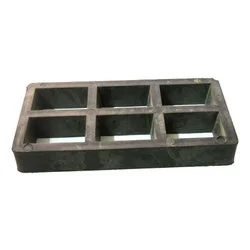
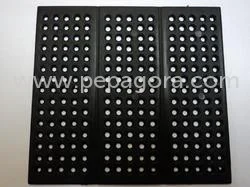
Industrial Battery Packing Jali 8mm 118mm x 114mm Protection
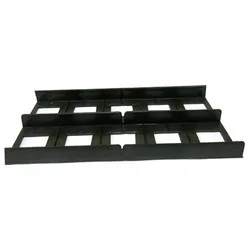
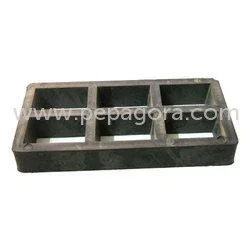
Industrial Battery Side Packing Jali 124MM x 111MM 7.5MM Spacing
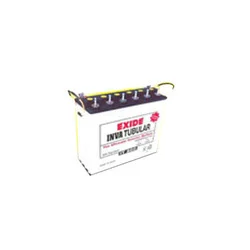
Industrial Deep Cycle 16mm Tubular Battery 246x144mm
Dolly Battery
Industrial Amaron PRO Batteries Zero Maintenance Long Life High Cranking
Industrial Inverter Battery Reliable Power Backup Maintenance Free
Industrial Backup Power Exide Freedom Battery Extreme Temperature
Alphatech Systems
Emerson GXT MT Online UPS 1 3 kVA Uninterruptible Power Supply
Commercial Inverter Battery Heavy Duty Deep Cycle Quick Recharge
Industrial Power Backup Amara Raja Powerstack 2V VRLA Battery
A. G. Power Systems
Premium Domestic Servo Stabilizer For Voltage Regulation In Homes And Businesses
APC Smart UPS SMT1500 1500VA UPS for Servers and Network Devices
Reliable UPS Battery For Uninterrupted Power Backup In Critical Applications
Yash Industries
Industrial Tubular Batteries For Solar Telecom Automotive UPS
Industrial Power Backup Tower Tubular Battery IS 13369 Compliant
Industrial Xcell Tubular Battery Heavy Duty Power 5 Year Warranty
Aatous International & Exports
Automotive Batteries Premium AGM Pure Lead For Cars Trucks Motorcycles
Premium Two Wheeler Batteries High Performance Durable Reliable Power
Automotive Four Wheeler Batteries Reliable Cold Cranking Power
Bombay Batteries
Motorcycle Batteries Reliable Power For ATVs And Small Engines
Exide UPS Batteries For Inverters With 42+6 Month Warranty
Automotive Batteries TATA Green Calcium Calcium Technology
Digital Instrumentation
CR2 3V Lithium Battery 65mAh for Digital Instruments and Security Systems
Tubular Batteries For Solar UPS Telecom Power Backup
Healthcare Distributors Premium Natural Kidney Support Supplement
Why Businesses Trust Pepagora
Thousands of companies trust Pepagora to source smarter and sell faster
Expand Your Sales Globally
25000+Products listed.Get discovered by global buyers
Tools to boost visibility
Build your own catalog

Source Smarter,Grow Faster
4000+Active RFQs
100+ Countries served
Easy Sourcing Tools
