
 IN
INundefined
Travelators / Moving Walkways
5 products available
𝗪𝗵𝗮𝘁 𝗮𝗿𝗲 𝗧𝗿𝗮𝘃𝗲𝗹𝗮𝘁𝗼𝗿𝘀 / 𝗠𝗼𝘃𝗶𝗻𝗴 𝗪𝗮𝗹𝗸𝘄𝗮𝘆𝘀?
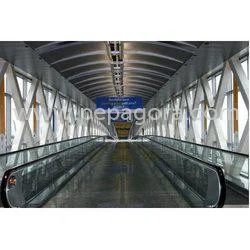
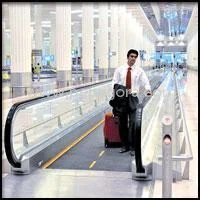
Travelators, also known as moving walkways, are mechanized pedestrian transport systems designed to move individuals across horizontal or slightly inclined surfaces. These systems are similar to escalators but operate on a flat plane, allowing users to stand or walk while being transported. They consist of a conveyor belt system that moves continuously in one direction, providing an efficient solution for transporting people in high-traffic areas.
Primarily, travelators are utilized in environments such as airports, shopping malls, and large public transit stations. They enhance pedestrian flow by reducing walking time and effort, especially in crowded or expansive spaces. Businesses leverage travelators to improve customer experience, ensuring smooth movement for individuals carrying luggage or shopping bags.
In the current market context, the demand for travelators is growing, driven by increasing infrastructural development and the need for efficient transport solutions in urban areas. With advancements in technology, manufacturers are focusing on energy-efficient and safe designs, making travelators a key component in modern architecture.
𝗞𝗲𝘆 𝗙𝗲𝗮𝘁𝘂𝗿𝗲𝘀 𝗮𝗻𝗱 𝗦𝗽𝗲𝗰𝗶𝗳𝗶𝗰𝗮𝘁𝗶𝗼𝗻𝘀
Travelators are designed with several features that enhance their functionality and user experience. Their specifications are tailored to meet diverse operational requirements across different environments.
Key specifications include:
1. Capacity
- Travelators can accommodate a defined number of passengers per minute, typically ranging from 3,000 to 10,000, depending on the model and usage environment.
2. Speed
- The speed of travelators generally ranges from 0.5 to 1.0 meters per second, allowing for a comfortable pace for users.
3. Length
- Travelators can vary in length, commonly measuring from 10 meters to over 50 meters, depending on the installation requirements.
4. Width
- Standard widths usually range from 1 meter to 1.2 meters, designed to facilitate two-way traffic in busy areas.
5. Power Source
- Most travelators operate on electric power, with some models designed for energy efficiency and low power consumption.
6. Safety Features
- Safety features may include emergency stop buttons, safety sensors, and non-slip surfaces to prevent accidents.
7. Maintenance Requirements
- Regular maintenance is necessary to ensure optimal performance, with service intervals typically suggested by manufacturers.
8. Customization Options
- Many manufacturers offer customizable options for travelators, allowing for specific design and functionality adjustments based on client needs.
In summary, travelators are engineered with specific features that address user capacity, safety, and operational efficiency, making them a valuable asset for high-traffic environments.
𝗖𝗼𝗺𝗺𝗼𝗻 𝗔𝗽𝗽𝗹𝗶𝗰𝗮𝘁𝗶𝗼𝗻𝘀 𝗮𝗻𝗱 𝗨𝘀𝗲 𝗖𝗮𝘀𝗲𝘀
Travelators serve a variety of industries, enhancing movement and accessibility in numerous settings.
1. Airports: Travelators are widely used in airports to expedite passenger movement between terminals, baggage claim areas, and parking lots, reducing travel time for travelers.
2. Shopping Malls: In shopping centers, travelators facilitate easy access to different levels, enabling shoppers to move between floors efficiently without the need for elevators.
3. Train and Bus Stations: These systems provide convenient transit solutions in train and bus stations, helping passengers navigate large terminal spaces with ease.
4. Exhibition Centers: Travelators are common in exhibition venues, allowing visitors to move quickly between various sections while carrying materials or promotional items.
5. Corporate Offices: In large corporate campuses, travelators assist employees in navigating between buildings, promoting a seamless work environment.
6. Theme Parks: Travelators help manage foot traffic in theme parks, allowing visitors to access rides and attractions comfortably.
7. Hospitals: In healthcare facilities, travelators support patient movement between departments, enhancing accessibility for those with mobility issues.
𝗣𝗿𝗼𝗱𝘂𝗰𝘁 𝗩𝗮𝗿𝗶𝗮𝗻𝘁𝘀 𝗮𝗻𝗱 𝗦𝘂𝗯𝗰𝗮𝘁𝗲𝗴𝗼𝗿𝗶𝗲𝘀
Travelators come in various designs and configurations to meet the unique needs of different applications.
Standard Travelators
These are the most commonly used type, designed for general pedestrian use in locations like airports and malls. They feature a simple design focused on user comfort and safety.
Heavy-Duty Travelators
Engineered for high-capacity use, these models are suitable for environments with heavy foot traffic, such as train stations and large shopping complexes.
Outdoor Travelators
These variants are specifically designed to withstand outdoor conditions, equipped with weather-resistant materials and enhanced safety features for public use.
𝗕𝗲𝗻𝗲𝗳𝗶𝘁𝘀 𝗮𝗻𝗱 𝗔𝗱𝘃𝗮𝗻𝘁𝗮𝗴𝗲𝘀
Travelators offer numerous benefits that enhance operational efficiency in various settings.
1. Improved Efficiency: Travelators significantly reduce walking distances, allowing users to move faster in busy environments.
2. Enhanced User Experience: By providing a comfortable and effortless way to traverse long distances, travelators improve overall satisfaction for visitors and employees.
3. Space-Saving Design: Travelators allow for a compact design that can fit into narrow spaces, optimizing layout in crowded areas.
4. Energy Efficiency: Many modern travelators are designed to consume less energy, contributing to lower operational costs for businesses.
5. Reduced Strain: Travelators help reduce physical strain on users, particularly beneficial for individuals with mobility challenges or those carrying heavy items.
6. Safety Features: Equipped with safety mechanisms, travelators minimize the risk of accidents, ensuring a secure environment for all users.
𝗕𝘂𝘆𝗶𝗻𝗴 𝗚𝘂𝗶𝗱𝗲 𝗳𝗼𝗿 𝗕𝟮𝗕 𝗕𝘂𝘆𝗲𝗿𝘀
When sourcing travelators, it is important for B2B buyers to consider several key factors to ensure successful procurement.
1. Quality Assessment: Evaluate the quality of materials and construction used in travelators. Look for reputable brands that meet industry standards for durability and reliability.
2. Supplier Verification: Conduct thorough vetting of suppliers, checking for certifications, customer reviews, and previous installations. This ensures that you partner with dependable manufacturers.
3. Pricing and MOQ: Understand the pricing structures and minimum order quantities. Compare quotes from multiple suppliers to ensure competitive pricing aligned with your budget.
4. Delivery and Lead Times: Discuss delivery schedules and lead times with suppliers. This helps in planning installation timelines and ensuring that the travelator is ready for use when needed.
5. Compliance Requirements: Ensure that the travelators meet relevant safety and industry compliance standards. Verify any specific regulations that may apply based on your region.
𝗖𝗼𝗺𝗽𝗹𝗶𝗮𝗻𝗰𝗲 𝗮𝗻𝗱 𝗖𝗲𝗿𝘁𝗶𝗳𝗶𝗰𝗮𝘁𝗶𝗼𝗻𝘀
Travelators must adhere to specific quality standards and certifications to ensure safety and reliability in their operation.
Relevant quality standards include ISO 9001, which focuses on quality management systems, ensuring manufacturers maintain high-quality production processes. Additionally, HACCP (Hazard Analysis Critical Control Point) may apply in food-related environments, ensuring safety standards are met.
Industry certifications such as CE indicate that the travelators comply with European safety regulations. This certification assures buyers of the product's reliability and safety in operational settings.
Furthermore, safety and testing requirements mandate that travelators undergo rigorous testing to validate their functionality and safety features. Regional compliance considerations may vary, necessitating buyers to understand local regulations pertinent to installation and use.
𝗪𝗵𝘆 𝗦𝗼𝘂𝗿𝗰𝗲 𝗧𝗿𝗮𝘃𝗲𝗹𝗮𝘁𝗼𝗿𝘀 / 𝗠𝗼𝘃𝗶𝗻𝗴 𝗪𝗮𝗹𝗸𝘄𝗮𝘆𝘀 𝗳𝗿𝗼𝗺 𝗣𝗲𝗽𝗮𝗴𝗼𝗿𝗮?
Pepagora provides a trusted platform for sourcing travelators, offering several key advantages to B2B buyers.
Verified Supplier Network: With a robust network of verified suppliers, Pepagora ensures that buyers connect with reputable manufacturers. This verification process adds an extra layer of confidence in sourcing quality products.
Streamlined RFQ Process: Pepagora simplifies the request for quotation process, allowing buyers to easily gather quotes from multiple suppliers. This efficiency enables informed decision-making based on competitive pricing and offerings.
Trade Assurance and Support: Buyers benefit from trade assurance, providing protection during transactions. Pepagora offers ongoing support to address any concerns, ensuring a smooth purchasing experience.
Regional Coverage: With a focus on markets in India, the GCC, and Southeast Asia, Pepagora has extensive regional coverage. This geographic reach ensures that buyers can source travelators tailored to their specific market needs and logistical requirements.
Newly Added



Recently Added
High Tec Lifts Private Limited
Residential And Passenger Elevators With AC Drive Type
Residential AC Passenger Elevators For Multi Story Buildings
Residential Passenger Elevators AC Drive Type For Modern Homes
Beacon Elevator Company Private Limited
Premium Capsule Elevators For Hotels Malls Commercial Buildings
Business Vertical Transport Dumb Waiter Freight Elevator Up To 250kg
Industrial Freight Elevators For Heavy Duty Goods Transport
Bash Elevators & Escalators Private Limited
Commercial Roomless Elevators With Permanent Magnet Motors
Industrial Escalators Heavy Duty For Airports Metros Railways
Luxury Glass Elevators Premium Architectural Capsule Lifts
Why Businesses Trust Pepagora
Thousands of companies trust Pepagora to source smarter and sell faster
Expand Your Sales Globally
25000+Products listed.Get discovered by global buyers
Tools to boost visibility
Build your own catalog

Source Smarter,Grow Faster
4000+Active RFQs
100+ Countries served
Easy Sourcing Tools
