
 IN
INundefined
Transmission Assemblies
26 products available
𝗪𝗵𝗮𝘁 𝗮𝗿𝗲 𝗧𝗿𝗮𝗻𝘀𝗺𝗶𝘀𝘀𝗶𝗼𝗻 𝗔𝘀𝘀𝗲𝗺𝗯𝗹𝗶𝗲𝘀?
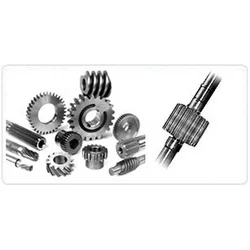
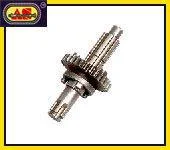
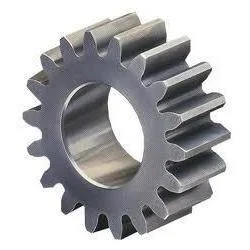
Transmission assemblies are crucial components that facilitate the transfer of power and motion in various mechanical systems. These assemblies consist of multiple parts, including gears, shafts, bearings, and housings, all working together to ensure efficient operation. They are designed to reduce friction, enhance performance, and extend the lifespan of machinery by optimizing the power delivery process.
In industrial settings, transmission assemblies are used in a wide range of applications, including manufacturing equipment, automotive systems, and heavy machinery. Businesses rely on these assemblies to ensure smooth and reliable operation in their operations. The effectiveness of a transmission assembly directly impacts productivity and operational efficiency, making it a vital consideration in equipment design and maintenance.
The market for transmission assemblies is expanding, driven by advancements in technology and increased demand for automated systems. Industries such as automotive, aerospace, and manufacturing are continually seeking innovative solutions to enhance performance and reduce operational costs. Understanding the significance of transmission assemblies and their applications is essential for businesses aiming to improve their operations and maintain a competitive edge.
𝗞𝗲𝘆 𝗙𝗲𝗮𝘁𝘂𝗿𝗲𝘀 𝗮𝗻𝗱 𝗦𝗽𝗲𝗰𝗶𝗳𝗶𝗰𝗮𝘁𝗶𝗼𝗻𝘀
Transmission assemblies come equipped with various features that enhance their performance and reliability. These key specifications are integral to their operation and can vary based on the application and design requirements.
Key specifications include:
1. Gear Ratio
- Determines the input to output speed relationship.
- Varies based on application, typically ranging from 1:1 to 100:1.
2. Load Capacity
- Refers to the maximum weight or force the assembly can handle.
- Generally measured in pounds or kilograms.
3. Efficiency Rating
- Indicates how effectively the assembly transmits power without losses.
- Commonly expressed as a percentage, with higher values indicating better performance.
4. Material Composition
- Includes metals and composites used in manufacturing.
- Common materials are steel, aluminum, and plastic.
5. Operating Temperature Range
- Specifies the temperature limits for safe operation.
- Data not available for specific ranges.
6. Lubrication Type
- Refers to the method used to reduce friction within the assembly.
- Can be grease, oil, or self-lubricating materials.
7. Mounting Configuration
- Describes how the assembly is installed within the machinery.
- Can include flanged, foot-mounted, or custom designs.
8. Compliance Standards
- Ensures products meet safety and performance regulations.
- CE certification is a common standard in the industry.
In summary, understanding these specifications helps businesses select the right transmission assemblies for their specific needs, ensuring optimal performance and reliability.
𝗖𝗼𝗺𝗺𝗼𝗻 𝗔𝗽𝗽𝗹𝗶𝗰𝗮𝘁𝗶𝗼𝗻𝘀 𝗮𝗻𝗱 𝗨𝘀𝗲 𝗖𝗮𝘀𝗲𝘀
Transmission assemblies are versatile components that find applications across multiple industries. Their ability to efficiently transfer power makes them suitable for various uses.
1. Automotive Industry: Transmission assemblies are essential in vehicles, facilitating power transfer from the engine to the wheels. They enhance performance and fuel efficiency.
2. Aerospace Industry: Used in aircraft systems, these assemblies help manage power in engines and control systems, ensuring safe and efficient flight operations.
3. Manufacturing: In production lines, transmission assemblies drive conveyor belts and robotic arms, playing a critical role in automation and material handling.
4. Construction Equipment: These assemblies are integral to heavy machinery, such as excavators and bulldozers, enabling them to move and operate effectively under heavy loads.
5. Agriculture: In agricultural machinery, transmission assemblies help in the efficient operation of tractors and harvesters, contributing to increased productivity.
6. Marine Applications: Used in ships and boats, they ensure reliable power delivery for propulsion and auxiliary systems.
7. Robotics: In robotic systems, transmission assemblies provide precise movement control, essential for tasks requiring accuracy and repeatability.
𝗣𝗿𝗼𝗱𝘂𝗰𝘁 𝗩𝗮𝗿𝗶𝗮𝗻𝘁𝘀 𝗮𝗻𝗱 𝗦𝘂𝗯𝗰𝗮𝘁𝗲𝗴𝗼𝗿𝗶𝗲𝘀
Transmission assemblies come in various types, each designed for specific applications and performance requirements. While there are no subcategories available, the diversity within the product line allows for tailored solutions.
Standard Transmission Assemblies: These are typically designed for general applications and are adaptable to various machinery. They offer a balance of performance and cost-effectiveness.
High-Performance Transmission Assemblies: Designed for applications requiring higher efficiency and load capacity, these assemblies often utilize advanced materials and engineering techniques to enhance durability.
Compact Transmission Assemblies: Ideal for space-constrained applications, these assemblies are smaller in size while maintaining functionality. They are commonly used in automotive and robotics applications.
Custom Transmission Assemblies: Tailored to meet specific client requirements, these assemblies can be designed for unique operational needs, including specialized gear ratios and load capacities.
𝗕𝗲𝗻𝗲𝗳𝗶𝘁𝘀 𝗮𝗻𝗱 𝗔𝗱𝘃𝗮𝗻𝘁𝗮𝗴𝗲𝘀
Transmission assemblies provide numerous advantages to businesses looking to optimize their machinery. Understanding these benefits is essential for making informed sourcing decisions.
Key benefits include:
1. Enhanced Efficiency: Transmission assemblies improve power transfer efficiency, leading to reduced energy consumption and operational costs.
2. Increased Reliability: With quality materials and design, these assemblies offer consistent performance and lower failure rates, minimizing downtime.
3. Improved Performance: Properly selected transmission assemblies can enhance the overall performance of machinery, contributing to higher productivity.
4. Versatility: Their adaptability allows transmission assemblies to be used across various industries and applications, making them a valuable investment.
5. Customization Options: Many suppliers offer customization, enabling businesses to tailor assemblies to their specific needs, enhancing operational effectiveness.
6. Cost-Effective Solutions: Investing in high-quality transmission assemblies can lead to long-term savings through reduced maintenance and replacement costs.
𝗕𝘂𝘆𝗶𝗻𝗴 𝗚𝘂𝗶𝗱𝗲 𝗳𝗼𝗿 𝗕𝟮𝗕 𝗕𝘂𝘆𝗲𝗿𝘀
When sourcing transmission assemblies, it is crucial to consider several factors to ensure the best fit for your business needs. Making informed choices can significantly impact efficiency and cost.
1. Quality Assessment: Evaluate the quality of the transmission assemblies by reviewing specifications, material composition, and efficiency ratings. Look for products that comply with industry standards.
2. Supplier Verification: Conduct thorough research on potential suppliers. Check for industry certifications and reviews to ensure they have a track record of reliability and quality.
3. Pricing and MOQ: Understand the pricing structure and minimum order quantities (MOQ). Comparing quotes from different suppliers can help you find the best deal without compromising quality.
4. Delivery and Lead Times: Inquire about delivery options and lead times. Reliable suppliers should provide clear timelines to help you plan your operations effectively.
5. Compliance Requirements: Ensure that the transmission assemblies meet all relevant compliance and safety standards, including CE certification, to avoid regulatory issues.
𝗖𝗼𝗺𝗽𝗹𝗶𝗮𝗻𝗰𝗲 𝗮𝗻𝗱 𝗖𝗲𝗿𝘁𝗶𝗳𝗶𝗰𝗮𝘁𝗶𝗼𝗻𝘀
Compliance and certifications are vital for ensuring that transmission assemblies meet industry standards and safety requirements. Many products in this category adhere to quality standards such as ISO 9001, which focuses on maintaining consistent quality management systems.
Industry certifications, including CE, indicate that the products comply with European health, safety, and environmental protection standards. This is particularly important for businesses operating in regulated markets, as it ensures that the components used in their machinery are safe and reliable.
Additionally, safety and testing requirements play a crucial role in the manufacturing process of transmission assemblies. Rigorous testing protocols assess performance under various conditions, ensuring that the assemblies can withstand operational stresses. It is also important for buyers to consider regional compliance, as standards may vary by location. Understanding these requirements can help businesses select compliant products and mitigate risks associated with non-compliance.
𝗪𝗵𝘆 𝗦𝗼𝘂𝗿𝗰𝗲 𝗧𝗿𝗮𝗻𝘀𝗺𝗶𝘀𝘀𝗶𝗼𝗻 𝗔𝘀𝘀𝗲𝗺𝗯𝗹𝗶𝗲𝘀 𝗳𝗿𝗼𝗺 𝗣𝗲𝗽𝗮𝗴𝗼𝗿𝗮?
Pepagora offers a reliable platform for sourcing transmission assemblies, providing several key advantages that set it apart from competitors. One of the main benefits is the verified supplier network. Pepagora ensures that all suppliers undergo thorough vetting processes, giving buyers confidence in the quality and reliability of the products they purchase.
The streamlined RFQ process simplifies the sourcing experience. Buyers can easily request quotes from multiple suppliers, making it easier to compare prices and specifications. This efficiency helps businesses make informed decisions quickly.
Trade assurance and support are additional features of Pepagora. The platform provides buyer protection measures, ensuring that transactions are secure. This assurance adds a layer of confidence for businesses looking to invest in transmission assemblies.
Lastly, Pepagora's regional coverage extends across India, the GCC, and Southeast Asia. This geographic reach facilitates access to a diverse range of suppliers and products, helping businesses find the right transmission assemblies to meet their operational needs.
Newly Added



Recently Added
Apple Engineering
Precision Pinion Gears For Automotive And Industrial Motion Control
Industrial Precision Machined Gears High Torque Compact Design
Precision CNC Turned Components For Industrial And Construction Use
A One Enterprise
Industrial EOT Cranes For Heavy Duty Lifting And Material Handling
Heavy Duty Wire Rope Hoist HW Model with Safety Features
ISI Marked P Series Chain Pulley Blocks 500kg 10T Capacity ISO 9001
Metacut Engineering Pvt Ltd
Automotive Industrial Rear Wheel Hubs SG Iron Durable Performance
SG Iron Front Wheel Hubs For Automotive Durability
Premium SG Iron Differential Case For SUVs And Trucks
N. M. Engineering Industry
Industrial Three Phase Motor 0.18KW To 15KW Frame 63 160M
Industrial Electric Pulverizer Machine For Grinding And Powder Processing
Industrial Electric Extruders For LLDPE HDPE PVC Processing 380V
Anika Forging
Industrial Steel Flanges High Strength Corrosion Resistant
Industrial Forged Rings High Tensile Strength Durable
Industrial Rolling Shutters For Warehouses Manual Motorized Security
Amar Enterprises
Industrial Heavy Duty Chain Hoists For Manufacturing Construction Warehouses
Industrial Chain Pulley Blocks For Heavy Duty Lifting And Pulling
Industrial Couplings For Automotive, Printing, And Engineering
Sri Lakshmi Industries
Industrial Vertical Turret Lathe 1250mm 2800mm Chuck Manual New
Industrial Manual Lathe Machine 200 1500mm CH 24 Feet Precision
Industrial Transmission Spur Gears Steel Heat Treated
Ascend Engineering Works
Windmill Spares Steel Copper Powder Low Pressure Standard IZA001 Gearbox
Industrial 6 Speed Gearbox H.E OEM New Standard On Time Delivery
Industrial High Speed Gear Box H.E OEM New Durable
Hi-Tech Seals Industries
Premium Rubber Components For Automotive Industrial Electronics
Industrial Gaskets For Sealing Flanges Pumps Valves Leak Prevention
Commercial Vehicle Forged Transmission Shafts For Reliability And Performance
Anjana B. I. Wheeler Components
Premium Automotive Rocker Arms For High Performance Engines
Premium OEM Cylinder Blocks For 2 3 Wheelers Durable Aluminum Iron
Premium Ball Racer Engine Spare Parts For Automotive Durability
Why Businesses Trust Pepagora
Thousands of companies trust Pepagora to source smarter and sell faster
Expand Your Sales Globally
25000+Products listed.Get discovered by global buyers
Tools to boost visibility
Build your own catalog

Source Smarter,Grow Faster
4000+Active RFQs
100+ Countries served
Easy Sourcing Tools
