
 IN
INundefined
Transformers for PCBs
7 products available
𝗪𝗵𝗮𝘁 𝗮𝗿𝗲 𝗧𝗿𝗮𝗻𝘀𝗳𝗼𝗿𝗺𝗲𝗿𝘀 𝗳𝗼𝗿 𝗣𝗖𝗕𝘀?
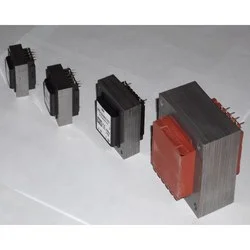
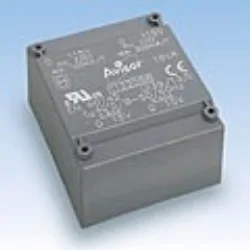
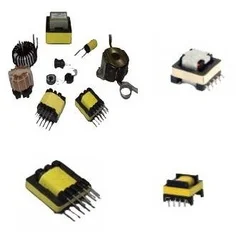
Transformers for printed circuit boards (PCBs) are essential electrical devices that transfer electrical energy between two or more circuits through electromagnetic induction. They play a critical role in voltage regulation, impedance matching, and isolation in various electronic applications. By stepping up or stepping down voltage levels, transformers ensure that electronic components operate efficiently and safely within their required specifications.
These transformers find extensive usage across multiple industries, including telecommunications, automotive, and industrial automation. In telecommunications, transformers facilitate signal transmission and power distribution. In automotive applications, they support various systems such as power steering and electric braking. Their ability to adapt voltages makes them vital for ensuring that sensitive electronic devices receive the correct power levels. The demand for transformers for PCBs continues to grow as industries increasingly rely on electronic components for advanced functionalities.
Given the rapid technological advancements, the market for transformers is evolving. Manufacturers are innovating to meet the needs of modern applications, which require higher efficiency and compact designs. The increasing complexity of electronic devices drives the need for reliable transformers that can handle various electrical loads while maintaining performance standards.
𝗞𝗲𝘆 𝗙𝗲𝗮𝘁𝘂𝗿𝗲𝘀 𝗮𝗻𝗱 𝗦𝗽𝗲𝗰𝗶𝗳𝗶𝗰𝗮𝘁𝗶𝗼𝗻𝘀
Transformers for PCBs come with various features and specifications that cater to specific industry needs. Understanding these features is crucial for selecting the right transformer for your application.
Key specifications include:
1. Power Rating
- Indicates the maximum load the transformer can handle.
- Typically measured in watts (W) or kilowatts (kW).
2. Voltage Rating
- Defines the input and output voltage levels.
- Common ratings include 110V, 220V, and 480V.
3. Frequency Range
- Specifies the operational frequency range.
- Most transformers operate at 50Hz or 60Hz.
4. Isolation Resistance
- Measures the effectiveness of the transformer in preventing electrical leakage.
- Typically expressed in megohms (MΩ).
5. Temperature Rating
- Indicates the operating temperature limits.
- Standard ratings range from -40°C to +125°C.
6. Efficiency
- Represents the ratio of output power to input power.
- Higher efficiency ratings lead to lower energy losses.
7. Size and Weight
- Influences the design and integration into electronic systems.
- Varies based on power requirements and application.
8. Regulatory Compliance
- Ensures adherence to industry standards and safety regulations.
- Common certifications include CE for safety and quality.
In summary, selecting the right transformer for PCBs involves understanding these specifications to ensure compatibility and reliability in your applications.
𝗖𝗼𝗺𝗺𝗼𝗻 𝗔𝗽𝗽𝗹𝗶𝗰𝗮𝘁𝗶𝗼𝗻𝘀 𝗮𝗻𝗱 𝗨𝘀𝗲 𝗖𝗮𝘀𝗲𝘀
Transformers for PCBs serve a wide range of industries, each with unique applications that leverage their capabilities.
1. Telecommunications: In telecommunications, transformers are used to manage voltage levels for signal transmission and to ensure clear communication across networks.
2. Automotive: These transformers power various electronic systems within vehicles, such as infotainment systems, electric steering, and safety features.
3. Industrial Automation: In manufacturing settings, transformers regulate power supply to machinery, ensuring consistent operation and minimizing downtime.
4. Renewable Energy: Transformers are crucial in converting and managing electricity generated from solar panels and wind turbines, facilitating efficient energy distribution.
5. Medical Equipment: In medical devices, transformers provide reliable power for critical systems, ensuring patient safety and equipment functionality.
6. Consumer Electronics: Transformers play a vital role in devices such as televisions, computers, and home appliances, adapting power levels for optimal operation.
7. HVAC Systems: Transformers are used to control voltage in heating, ventilation, and air conditioning systems, ensuring energy efficiency and reliable performance.
𝗣𝗿𝗼𝗱𝘂𝗰𝘁 𝗩𝗮𝗿𝗶𝗮𝗻𝘁𝘀 𝗮𝗻𝗱 𝗦𝘂𝗯𝗰𝗮𝘁𝗲𝗴𝗼𝗿𝗶𝗲𝘀
Transformers for PCBs come in various designs to meet specific operational needs.
Isolation Transformers
These transformers are designed to isolate different sections of a circuit, providing enhanced safety and reducing noise. They are commonly used in sensitive electronic equipment.
Step-Up Transformers
These devices increase voltage levels from a lower input to a higher output. They are often used in applications requiring higher voltage for transmission over long distances.
Step-Down Transformers
Conversely, these transformers reduce voltage levels, making them suitable for applications where lower voltages are needed for operation. They are widely used in consumer electronics.
Toroidal Transformers
Known for their compact design, toroidal transformers offer high efficiency and low electromagnetic interference. They are ideal for applications with space constraints.
Encapsulated Transformers
These transformers are sealed for protection against environmental factors such as dust and moisture. They are often used in outdoor or harsh environments.
𝗕𝗲𝗻𝗲𝗳𝗶𝘁𝘀 𝗮𝗻𝗱 𝗔𝗱𝘃𝗮𝗻𝘁𝗮𝗴𝗲𝘀
Transformers for PCBs offer a range of benefits that enhance their value in various applications.
1. Voltage Regulation: They maintain consistent voltage levels, protecting sensitive electronic components from damage caused by voltage fluctuations.
2. Energy Efficiency: High-efficiency transformers minimize energy loss during power transfer, contributing to reduced operational costs.
3. Safety Features: With isolation capabilities, transformers enhance safety by preventing electrical shocks and reducing interference between circuits.
4. Compact Design: Many transformers are designed to be space-saving, making them easier to integrate into compact devices.
5. Versatility: They can be customized to meet specific voltage, size, and application requirements, making them suitable for a wide range of industries.
6. Reliability: High-quality transformers provide consistent performance over time, reducing maintenance needs and downtime.
𝗕𝘂𝘆𝗶𝗻𝗴 𝗚𝘂𝗶𝗱𝗲 𝗳𝗼𝗿 𝗕𝟮𝗕 𝗕𝘂𝘆𝗲𝗿𝘀
When sourcing Transformers for PCBs, several factors should be considered to ensure quality and suitability for your specific needs.
1. Quality Assessment: Evaluate the quality standards of the transformers, ensuring they meet industry requirements. Look for certifications like CE that indicate compliance with safety and performance standards.
2. Supplier Verification: Vet potential suppliers by examining their reputation, experience in the industry, and customer reviews. Ensure they can provide reliable products and support.
3. Pricing and MOQ: Understand the pricing structure and minimum order quantities (MOQ) required by suppliers. This helps in budgeting and ensuring you can meet your production needs.
4. Delivery and Lead Times: Check the supplier's ability to meet your delivery requirements. Timely delivery is crucial to maintaining production schedules.
5. Compliance Requirements: Ensure that the transformers comply with any regional regulations or industry standards relevant to your application. This may include electrical safety, environmental considerations, and more.
𝗖𝗼𝗺𝗽𝗹𝗶𝗮𝗻𝗰𝗲 𝗮𝗻𝗱 𝗖𝗲𝗿𝘁𝗶𝗳𝗶𝗰𝗮𝘁𝗶𝗼𝗻𝘀
Transformers for PCBs must adhere to various compliance and certification standards, ensuring safety and reliability in operation.
ISO 9001 certification is often sought by manufacturers to demonstrate a commitment to quality management systems. This standard ensures that products meet customer and regulatory requirements consistently.
The CE mark is crucial for products sold in European markets, indicating compliance with health, safety, and environmental protection standards. This certification assures customers that the transformers have passed rigorous testing.
Safety and testing requirements are also critical. Transformers must undergo thorough testing to verify their performance under various conditions, ensuring they can operate safely and effectively.
Additionally, regional compliance considerations may vary. It is essential to be aware of local regulations that may impact the design and functionality of transformers in different markets.
𝗪𝗵𝘆 𝗦𝗼𝘂𝗿𝗰𝗲 𝗧𝗿𝗮𝗻𝘀𝗳𝗼𝗿𝗺𝗲𝗿𝘀 𝗳𝗼𝗿 𝗣𝗖𝗕𝘀 𝗳𝗿𝗼𝗺 𝗣𝗲𝗽𝗮𝗴𝗼𝗿𝗮?
Pepagora provides a trusted platform for sourcing Transformers for PCBs, offering several key advantages to B2B buyers.
Verified Supplier Network: Pepagora has a robust network of verified suppliers, ensuring that buyers can access high-quality products from reputable manufacturers. This network fosters trust and reliability in sourcing decisions.
Streamlined RFQ Process: The request for quotation (RFQ) process on Pepagora is designed to be efficient and user-friendly. Buyers can easily submit their requirements and receive competitive quotes from multiple suppliers, simplifying the procurement process.
Trade Assurance and Support: Pepagora offers trade assurance, protecting buyers against potential issues during transactions. This support enhances buyer confidence, knowing they have recourse if challenges arise.
Regional Coverage: With a broad geographic reach across India, the Gulf Cooperation Council (GCC), and Southeast Asia, Pepagora facilitates connections between buyers and suppliers in various markets. This regional coverage enables businesses to meet their sourcing needs effectively and efficiently.
Newly Added


Recently Added
APR Electronics Private Limited
Industrial Automation Solenoid Coils For Linear Motion Actuation
High Frequency Air Core Coils For RF Circuits And Signal Filters
High Performance Common Mode Chokes For EMI RFI Noise Suppression
Avisor India Private Limited
Industrial TE Series Toroidal Transformers 30VA To 1KVA High Efficiency
Electrical Ferrite Transformers For Power Supplies And Inverters
Avisor India High Voltage Transformer 15KV Ozone Generator Industrial
Jai Mata Electronics
PQ Core Bobbins For Transformer Manufacturing High Grade Materials
Plastic Transformer Bobbins With Regulator Approvals And Flammable Ratings
Industrial Transformer Bobbin Boxes Durable Nylon Wire Storage
K7 Engineering
Yamaha Motorcycle Engine Mounting Spacer Bush For Frame Alignment
Motorcycle Spacer Bush For Yamaha Engine Mounting Frame Spacing
Industrial Rubber Vent Plug For Equipment Sealing And Ventilation
Why Businesses Trust Pepagora
Thousands of companies trust Pepagora to source smarter and sell faster
Expand Your Sales Globally
25000+Products listed.Get discovered by global buyers
Tools to boost visibility
Build your own catalog

Source Smarter,Grow Faster
4000+Active RFQs
100+ Countries served
Easy Sourcing Tools
