
 IN
INundefined
Transformer Installation & Commissioning
2 products available
𝗪𝗵𝗮𝘁 𝗮𝗿𝗲 𝗧𝗿𝗮𝗻𝘀𝗳𝗼𝗿𝗺𝗲𝗿 𝗜𝗻𝘀𝘁𝗮𝗹𝗹𝗮𝘁𝗶𝗼𝗻 & 𝗖𝗼𝗺𝗺𝗶𝘀𝘀𝗶𝗼𝗻𝗶𝗻𝗴?
Transformer installation and commissioning refer to the processes involved in setting up and activating transformers in various electrical systems. This includes the physical installation of transformers, ensuring they are properly connected to the electrical grid, and performing tests to confirm they operate correctly. These processes are critical to ensure that transformers function efficiently and safely in their intended applications.
The primary uses of transformer installation and commissioning span multiple sectors, including power generation, distribution networks, and industrial applications. Businesses rely on these services to enhance system reliability, manage voltage levels, and improve energy efficiency. Transformer commissioning not only verifies functionality but also ensures compliance with industry standards, which is vital for the safety and longevity of electrical installations.
In the context of the growing demand for reliable power supply and energy efficiency, transformer installation and commissioning have become increasingly important. As industries continue to evolve and expand, the need for skilled professionals who can ensure these systems are operational and compliant with regulations is paramount. This service plays a significant role in the overall functionality of electrical systems across various markets.
𝗞𝗲𝘆 𝗙𝗲𝗮𝘁𝘂𝗿𝗲𝘀 𝗮𝗻𝗱 𝗦𝗽𝗲𝗰𝗶𝗳𝗶𝗰𝗮𝘁𝗶𝗼𝗻𝘀
Transformer installation and commissioning services come with several essential features that ensure optimal performance. These features cater to various technical requirements and are designed to align with industry standards.
Key specifications include:
1. Installation Services
- Comprehensive installation of transformers in accordance with electrical codes
- Includes site preparation, foundation work, and electrical connections
2. Testing and Commissioning
- Conducting tests such as insulation resistance, power factor, and transformer turns ratio
- Verifying operational readiness before full-scale deployment
3. Compliance with Standards
- Adhering to international quality standards such as CE and ISO
- Ensuring safety and performance benchmarks are met
4. Technical Support
- Providing expert guidance throughout the installation and commissioning process
- Ongoing support for troubleshooting and maintenance
5. Documentation
- Detailed reports on installation procedures and commissioning results
- Compliance documentation for regulatory purposes
6. Customization Options
- Ability to tailor services to meet specific client needs and system requirements
- Options for different transformer types and configurations
7. Safety Protocols
- Implementation of rigorous safety measures during installation and testing
- Regular audits to ensure safety compliance
8. Project Management
- Comprehensive project management to oversee timelines, resources, and quality control
- Coordination with other contractors and stakeholders involved in the project
In summary, transformer installation and commissioning services are critical for ensuring that transformers are installed correctly and function reliably within electrical systems.
𝗖𝗼𝗺𝗺𝗼𝗻 𝗔𝗽𝗽𝗹𝗶𝗰𝗮𝘁𝗶𝗼𝗻𝘀 𝗮𝗻𝗱 𝗨𝘀𝗲 𝗖𝗮𝘀𝗲𝘀
Transformer installation and commissioning services are utilized across various industries, demonstrating their versatility and importance.
1. Power Generation: These services are critical in power plants where transformers are installed to step up or step down voltage for efficient electricity transmission.
2. Manufacturing: In industrial settings, transformers are essential for operating machinery and production equipment that require specific voltage levels.
3. Renewable Energy: Solar and wind energy systems require transformers for converting generated power into usable electricity for the grid or for local consumption.
4. Healthcare: Hospitals and medical facilities utilize transformers for reliable power supply to critical equipment, ensuring uninterrupted operations.
5. Data Centers: Transformers are vital in data centers to manage power distribution and maintain optimal working conditions for servers.
6. Real Estate Development: Large commercial and residential projects often require transformer installation to support electrical infrastructure.
7. Transportation: Railways and electric vehicle charging stations use transformers to manage and distribute power effectively.
𝗣𝗿𝗼𝗱𝘂𝗰𝘁 𝗩𝗮𝗿𝗶𝗮𝗻𝘁𝘀 𝗮𝗻𝗱 𝗦𝘂𝗯𝗰𝗮𝘁𝗲𝗴𝗼𝗿𝗶𝗲𝘀
The transformer installation and commissioning sector offers a diverse range of services tailored to meet specific needs.
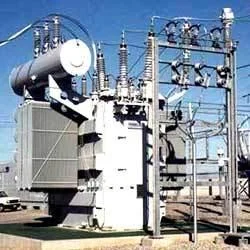
One variant includes the installation of oil-filled transformers, known for their high efficiency and reliability. These transformers are commonly used in power distribution systems and require specialized handling and installation techniques.
Another variant is the commissioning of dry-type transformers. These are preferred in environments where fire safety is a concern, such as in commercial buildings. Their installation focuses on ensuring proper ventilation and adherence to safety standards.
While additional variants may exist, detailed information on other specific types is not available at this time.
𝗕𝗲𝗻𝗲𝗳𝗶𝘁𝘀 𝗮𝗻𝗱 𝗔𝗱𝘃𝗮𝗻𝘁𝗮𝗴𝗲𝘀
Transformer installation and commissioning offer several key benefits that enhance the performance and reliability of electrical systems.
1. Enhanced Reliability: Proper installation and commissioning ensure that transformers operate efficiently, reducing the likelihood of failures.
2. Compliance Assurance: Adhering to industry standards during installation helps meet regulatory requirements, minimizing legal risks.
3. Performance Optimization: Thorough testing during commissioning identifies potential issues, allowing for corrective action before full operation.
4. Safety Improvement: Implementing safety protocols during installation reduces risks associated with electrical systems.
5. Cost Efficiency: Well-installed transformers can lead to lower energy costs through improved efficiency and reduced maintenance needs.
6. Professional Expertise: Engaging skilled professionals ensures that installations are performed correctly, enhancing overall system performance.
𝗕𝘂𝘆𝗶𝗻𝗴 𝗚𝘂𝗶𝗱𝗲 𝗳𝗼𝗿 𝗕𝟮𝗕 𝗕𝘂𝘆𝗲𝗿𝘀
When sourcing transformer installation and commissioning services, several factors should be considered to ensure the best outcome.
1. Quality Assessment: Evaluate the quality of services by reviewing past projects, client testimonials, and adherence to industry standards.
2. Supplier Verification: Vet potential suppliers through background checks, references, and industry certifications to ensure reliability.
3. Pricing and MOQ: Consider the cost of services and any minimum order quantities to align with budget constraints.
4. Delivery and Lead Times: Discuss logistics and timelines with suppliers to ensure timely project completion.
5. Compliance Requirements: Confirm that the supplier understands and adheres to relevant regulatory and compliance standards in your region.
𝗖𝗼𝗺𝗽𝗹𝗶𝗮𝗻𝗰𝗲 𝗮𝗻𝗱 𝗖𝗲𝗿𝘁𝗶𝗳𝗶𝗰𝗮𝘁𝗶𝗼𝗻𝘀
Transformer installation and commissioning services must adhere to various quality standards and certifications to ensure safety and performance.
Relevant quality standards include ISO 9001, which denotes a commitment to quality management systems, and CE marking, which indicates compliance with European safety standards. These certifications assure customers that the services provided meet established safety and quality benchmarks.
Safety and testing requirements are critical before a transformer is commissioned. This includes comprehensive testing of electrical components to confirm functionality and safety. Additionally, regional compliance considerations must be taken into account, as different areas may have specific regulations that govern electrical installations.
𝗪𝗵𝘆 𝗦𝗼𝘂𝗿𝗰𝗲 𝗧𝗿𝗮𝗻𝘀𝗳𝗼𝗿𝗺𝗲𝗿 𝗜𝗻𝘀𝘁𝗮𝗹𝗹𝗮𝘁𝗶𝗼𝗻 & 𝗖𝗼𝗺𝗺𝗶𝘀𝘀𝗶𝗼𝗻𝗶𝗻𝗴 𝗳𝗿𝗼𝗺 𝗣𝗲𝗽𝗮𝗴𝗼𝗿𝗮?
Pepagora offers a trusted platform for sourcing transformer installation and commissioning services, providing several key advantages for businesses.
The verified supplier network ensures that buyers have access to reputable and qualified service providers. This network is established through rigorous vetting processes, ensuring that only the best suppliers are available.
The streamlined RFQ process simplifies the quotation system, allowing buyers to receive competitive pricing and detailed proposals quickly. This efficiency enables businesses to make informed decisions swiftly.
Trade assurance and support are integral to the Pepagora experience. Buyers benefit from protection during transactions, fostering trust and security throughout the process.
Finally, Pepagora's regional coverage extends across India, the GCC, and Southeast Asia, allowing businesses in these areas to connect with local experts and suppliers, enhancing accessibility and responsiveness in transformer installation and commissioning services.
Newly Added


Recently Added
Abha Group
Professional Underground Cabling Services For Secure Power And Data Transmission
Municipal LED Street Lighting Solutions For Urban And Rural Infrastructure
Industrial Solar Power Systems For Government And Manufacturing
Ansari Electricals
Industrial Factory Sheds With Integrated EOT Crane Systems
Pre Engineered Steel Structures For Industrial And Commercial Use
Industrial Building Purlins For Steel Structures And Warehouses
Why Businesses Trust Pepagora
Thousands of companies trust Pepagora to source smarter and sell faster
Expand Your Sales Globally
25000+Products listed.Get discovered by global buyers
Tools to boost visibility
Build your own catalog

Source Smarter,Grow Faster
4000+Active RFQs
100+ Countries served
Easy Sourcing Tools
