
 IN
INundefined
Tractors (Mini, Utility, Heavy-Duty)
13 products available
What are Tractors (Mini, Utility, Heavy-Duty)?
Tractors are versatile agricultural machines designed for various farming tasks. They come in different categories, including mini, utility, and heavy-duty, each tailored to specific applications and environments. Mini tractors are compact and ideal for small farms or gardens, while utility tractors offer a balance of power and size for medium tasks. Heavy-duty tractors are built for large-scale operations, capable of handling demanding agricultural duties.
These machines are primarily used for plowing, tilling, planting, and transporting goods on farms. They are essential for enhancing productivity in agriculture and related industries. Beyond farming, tractors find applications in landscaping, construction, and forestry. Their adaptability makes them vital equipment in various sectors, contributing significantly to economic growth.
The tractor market is continually evolving, driven by advances in technology and changing agricultural practices. With increasing demands for efficiency and sustainability, the relevance of tractors in modern agriculture remains paramount. This market is characterized by a variety of players, from established manufacturers to emerging companies, all striving to meet diverse customer needs.
𝗞𝗲𝘆 𝗙𝗲𝗮𝘁𝘂𝗿𝗲𝘀 𝗮𝗻𝗱 𝗦𝗽𝗲𝗰𝗶𝗳𝗶𝗰𝗮𝘁𝗶𝗼𝗻𝘀
Tractors are equipped with numerous features that enhance their performance and usability. Understanding these specifications is crucial for making informed purchasing decisions.
Key specifications include:
1. Engine Power
- Measured in horsepower (HP), this determines the tractor's capability for heavy tasks.
- Mini tractors typically range from 15 to 40 HP, utility tractors from 40 to 100 HP, and heavy-duty tractors can exceed 100 HP.
2. Transmission Type
- Tractors may have manual or automatic transmissions, affecting ease of operation.
- Utility and heavy-duty tractors often feature advanced transmission systems for smoother operation.
3. Drive Type
- Options include two-wheel drive (2WD) and four-wheel drive (4WD), with 4WD providing better traction in challenging terrains.
4. Fuel Type
- Most tractors run on diesel, providing better fuel efficiency for large-scale operations.
5. Towing Capacity
- This specification indicates the maximum weight a tractor can tow, essential for tasks like transport and land preparation.
6. Weight
- The weight of the tractor affects stability and traction, with heavy-duty models typically weighing more for better performance.
7. PTO Speed
- The power take-off (PTO) speed is crucial for operating attachments, with common speeds being 540 and 1000 RPM.
8. Tire Size
- Tire dimensions impact traction and stability, with larger tires better suited for rough terrains.
In summary, understanding these specifications helps buyers select a tractor that meets their operational requirements and enhances productivity.
𝗖𝗼𝗺𝗺𝗼𝗻 𝗔𝗽𝗽𝗹𝗶𝗰𝗮𝘁𝗶𝗼𝗻𝘀 𝗮𝗻𝗱 𝗨𝘀𝗲 𝗖𝗮𝘀𝗲𝘀
Tractors serve a wide range of industries, each benefiting from their unique capabilities.
1. Agriculture: Tractors are essential for planting, harvesting, and maintaining crops, greatly enhancing farming efficiency.
2. Landscaping: They assist in land preparation, mowing, and transporting materials, making them vital for landscaping businesses.
3. Construction: Tractors are utilized for site preparation, material transport, and grading, crucial in construction projects.
4. Forestry: These machines are important for logging operations, helping in timber transport and land clearing.
5. Municipal Services: Tractors aid in maintaining public spaces, including parks and roads, by performing landscaping and snow removal.
6. Mining: Heavy-duty tractors are often used to transport materials and perform earth-moving tasks in mining operations.
7. Dairy and Livestock: Tractors support feeding and maintaining livestock, assisting in daily farm operations.
𝗣𝗿𝗼𝗱𝘂𝗰𝘁 𝗩𝗮𝗿𝗶𝗮𝗻𝘁𝘀 𝗮𝗻𝗱 𝗦𝘂𝗯𝗰𝗮𝘁𝗲𝗴𝗼𝗿𝗶𝗲𝘀
Tractors come in various models and configurations to cater to diverse needs.
Mini Tractors
These compact models are designed for small properties and gardens. They are easy to maneuver and perfect for light-duty tasks, such as tilling and mowing.
Utility Tractors
Utility tractors strike a balance between size and power. They are versatile enough for various farming tasks, including plowing and hauling, making them suitable for medium-sized farms.
Heavy-Duty Tractors
Built for demanding agricultural environments, heavy-duty tractors provide high horsepower and advanced features. They are ideal for large-scale farming operations requiring robust performance.
𝗕𝗲𝗻𝗲𝗳𝗶𝘁𝘀 𝗮𝗻𝗱 𝗔𝗱𝘃𝗮𝗻𝘁𝗮𝗴𝗲𝘀
Investing in tractors offers numerous advantages for businesses.
1. Increased Efficiency: Tractors significantly reduce the time and labor required for farming tasks, boosting productivity.
2. Versatility: With multiple attachments available, tractors can perform a variety of functions, making them a valuable asset.
3. Cost-Effectiveness: Over time, the efficiency and durability of tractors can lead to lower operational costs compared to manual labor.
4. Enhanced Precision: Modern tractors often come equipped with technology that allows for precise planting and fertilization, improving crop yields.
5. Reliability: Quality tractors are built to withstand rigorous use, ensuring longevity and consistent performance in the field.
6. Improved Safety: With proper training and safety features, tractors can enhance workplace safety, minimizing the risk of accidents.
𝗕𝘂𝘆𝗶𝗻𝗴 𝗚𝘂𝗶𝗱𝗲 𝗳𝗼𝗿 𝗕𝟮𝗕 𝗕𝘂𝘆𝗲𝗿𝘀
When sourcing tractors, it is vital to consider several key factors to ensure a satisfactory purchase.
1. Quality Assessment: Look for tractors that meet stringent quality standards. Verify the manufacturer’s reputation and assess product reviews to ensure reliability and performance.
2. Supplier Verification: Vet suppliers thoroughly to confirm they have a history of delivering quality products and customer service. Check for certifications and customer feedback.
3. Pricing and MOQ: Understand the pricing structure and minimum order quantities (MOQ) to ensure the purchase aligns with your budget and needs.
4. Delivery and Lead Times: Inquire about logistics and lead times to ensure timely delivery of the tractors, especially if you have specific project deadlines.
5. Compliance Requirements: Ensure that the tractors meet local and regional compliance standards. This may include safety certifications and environmental regulations.
𝗖𝗼𝗺𝗽𝗹𝗶𝗮𝗻𝗰𝗲 𝗮𝗻𝗱 𝗖𝗲𝗿𝘁𝗶𝗳𝗶𝗰𝗮𝘁𝗶𝗼𝗻𝘀
Tractors must adhere to various quality and safety standards to ensure their reliability and effectiveness in the field. Compliance with ISO 9001 standards is common, ensuring manufacturers follow quality management principles. Tractors may also need to meet industry certifications such as CE, indicating compliance with European safety standards.
Safety and testing requirements are crucial, as they ensure that tractors operate safely in diverse conditions. Manufacturers should conduct rigorous testing to verify performance and durability.
Regional compliance considerations are essential, as regulations may vary by location. Understanding these requirements helps businesses avoid legal issues and ensures that their tractors are suitable for their specific operational environments.
Why Source Tractors (Mini, Utility, Heavy-Duty) from Pepagora?
Pepagora offers a reliable platform for sourcing tractors, providing several advantages for buyers.
Verified Supplier Network: Pepagora connects buyers with a network of verified suppliers, ensuring that all vendors meet high standards for quality and service.
Streamlined RFQ Process: The request for quotation (RFQ) process is designed to be efficient, allowing buyers to receive competitive quotes from multiple suppliers quickly.
Trade Assurance and Support: Pepagora provides buyer protection through trade assurance, ensuring that transactions are secure and that buyers receive the products as promised.
Regional Coverage: With a presence in India, the GCC, and Southeast Asia, Pepagora offers extensive geographic reach, connecting buyers with local suppliers to facilitate easier access to tractors.
Newly Added



Recently Added
B. D. J. International
Premium 13 HP Diesel Farm Power Tiller 125 kg Hand Cranking
Heavy Duty 1.5 Ton Power Tiller Trailer For Agriculture Transport
Agricultural DI Power Tiller 15 HP Diesel Engine 1039 cc Hand Cranking
Chakraborty Enterprises
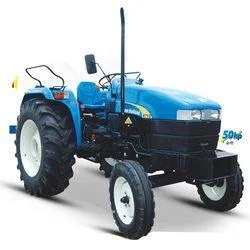
Agricultural Tractor New Holland 3030 Durable Efficient Farming
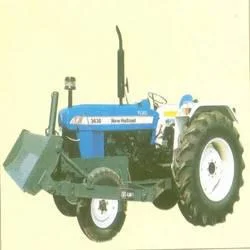
New Holland Agriculture Tractors For Heavy Duty Farming
New Holland 5500 & 7500 Tractors High Efficiency Durable
Green Planet Machines Pvt Ltd
Commercial Ride On Mowers For Large Scale Landscaping And Agriculture
Industrial Air Filters For Manufacturing HVAC Pharmaceuticals Food Processing
Professional Landscaping Push Lawn Mower 5.5 HP Briggs & Stratton
Peekay Farm Equipments India Pvt Ltd
Premium Grain Dryers For Seeds Herbs Paddy Wheat Maize Soybean Coffee Dal
Agricultural Grain Dryer Low Heat Ventilating Moisture Reduction
Grain Dryer Circulating Low Heat Wheat Paddy Dal
Neo Hydraulics
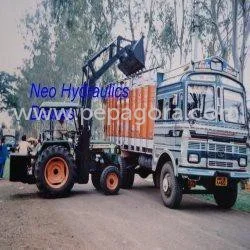
Industrial Material Handling Heavy Duty Loader For Construction Logistics
Heavy Duty Wheel Loaders For Efficient Loading Of Boulders, Coal, Minerals
Heavy Duty Excavator Cum Dozer For Construction And Mining
Sonalika International Tractors Ltd
Sonalika FP 18 Tractor 18 HP Compact Farm Utility Light Haulage
Sonalika 20 HP Tractor With Mitsubishi Diesel Engine For Small Farms
Sonalika 26HP Tractor With Mitsubishi Engine For Agriculture And Utility
Why Businesses Trust Pepagora
Thousands of companies trust Pepagora to source smarter and sell faster
Expand Your Sales Globally
25000+Products listed.Get discovered by global buyers
Tools to boost visibility
Build your own catalog

Source Smarter,Grow Faster
4000+Active RFQs
100+ Countries served
Easy Sourcing Tools
