
 IN
INundefined
Tower Cranes
11 products available
𝗪𝗵𝗮𝘁 𝗮𝗿𝗲 𝗧𝗼𝘄𝗲𝗿 𝗖𝗿𝗮𝗻𝗲𝘀?
Tower cranes are a type of crane commonly used in the construction industry. They are characterized by their tall, vertical structures and their ability to lift heavy loads to great heights. Tower cranes operate using a horizontal arm, known as a jib, which can rotate 360 degrees. This design allows them to effectively move materials and equipment across a construction site.
These cranes are primarily used for building skyscrapers, bridges, and large commercial structures. Their height and lifting capacity make them ideal for projects that require the transportation of heavy materials, such as steel and concrete. In addition to construction, tower cranes can also be used in other sectors, including infrastructure development and heavy industrial applications. As urban areas continue to grow and demand for tall buildings increases, the relevance of tower cranes in the industry remains significant.
𝗞𝗲𝘆 𝗙𝗲𝗮𝘁𝘂𝗿𝗲𝘀 𝗮𝗻𝗱 𝗦𝗽𝗲𝗰𝗶𝗳𝗶𝗰𝗮𝘁𝗶𝗼𝗻𝘀
Tower cranes are engineered with several key features that enhance their performance and usability. Understanding these specifications is crucial for businesses looking to utilize tower cranes effectively.
Key specifications include:
1. Lifting Capacity
- This specification defines the maximum weight a tower crane can lift.
- Typical ranges can vary from 5 tons to over 20 tons.
2. Working Height
- The maximum height to which the crane can lift materials.
- This typically ranges from 30 meters to over 100 meters, depending on the model.
3. Jib Length
- Refers to the length of the horizontal arm.
- Common jib lengths range from 30 meters to 80 meters.
4. Slewing Radius
- The radius within which the crane can rotate.
- Usually between 2 meters to 4 meters.
5. Base Dimensions
- The size of the crane’s base, which affects stability.
- Base dimensions typically range from 4 meters to 6 meters.
6. Power Supply
- Indicates whether the crane operates on electric or diesel power.
- Most modern cranes are electric, but diesel options are also available.
7. Control System
- Describes how the crane is operated, either manually or through remote control.
- Advanced models may include automated features for enhanced efficiency.
8. Safety Features
- Includes emergency shutdown systems and overload protection.
- Compliance with international safety standards is a key consideration.
In summary, understanding the features and specifications of tower cranes helps businesses select the right equipment for their projects and ensures safety and efficiency on the job site.
𝗖𝗼𝗺𝗺𝗼𝗻 𝗔𝗽𝗽𝗹𝗶𝗰𝗮𝘁𝗶𝗼𝗻𝘀 𝗮𝗻𝗱 𝗨𝘀𝗲 𝗖𝗮𝘀𝗲𝘀
Tower cranes are versatile and utilized across various industries. Their ability to lift heavy loads makes them indispensable in many construction projects.
1. Construction: Tower cranes are used in residential and commercial building projects. They facilitate the lifting of heavy materials, such as concrete and steel, to great heights.
2. Infrastructure Development: They play a critical role in constructing bridges and highways. Their lifting capabilities allow for the placement of heavy components with precision.
3. Industrial Manufacturing: In manufacturing plants, tower cranes can assist in the installation of large machinery and equipment, improving operational efficiency.
4. Energy Sector: Tower cranes are employed in the construction of wind turbines and other energy infrastructure, enabling the lifting of heavy components.
5. Mining: In mining operations, they are used for lifting heavy machinery and materials, ensuring safe and efficient transport.
6. Demolition: Specialized tower cranes are used for controlled demolition of tall structures, allowing for safe dismantling.
7. Telecommunications: Tower cranes assist in constructing communication towers, ensuring proper installation at elevated heights.
𝗣𝗿𝗼𝗱𝘂𝗰𝘁 𝗩𝗮𝗿𝗶𝗮𝗻𝘁𝘀 𝗮𝗻𝗱 𝗦𝘂𝗯𝗰𝗮𝘁𝗲𝗴𝗼𝗿𝗶𝗲𝘀
While specific variants of tower cranes may not be available, there are several classifications based on size, capacity, and application.
Luffing Jib Tower Crane: This type features a jib that can be raised and lowered, providing greater flexibility in confined spaces. It is ideal for projects near existing structures.
Flat Top Tower Crane: This variant has a flat top design, which simplifies transportation and assembly. It is commonly used in urban construction settings.
Hammerhead Tower Crane: Known for its distinctive shape, this crane provides excellent lifting capabilities and is often utilized in high-rise construction.
Self-Erecting Tower Crane: These cranes can be erected and dismantled without additional equipment, making them suitable for smaller projects or limited access sites.
𝗕𝗲𝗻𝗲𝗳𝗶𝘁𝘀 𝗮𝗻𝗱 𝗔𝗱𝘃𝗮𝗻𝘁𝗮𝗴𝗲𝘀
Tower cranes offer numerous benefits that make them a valuable asset for construction projects.
Key benefits include:
1. Enhanced Efficiency: Tower cranes can lift and move materials quickly, significantly reducing construction time.
2. Increased Safety: Equipped with advanced safety features, they minimize the risks associated with lifting heavy loads.
3. High Lifting Capacity: Their ability to lift substantial weights makes them suitable for various applications.
4. Versatility: Tower cranes can be used in diverse industries, from construction to manufacturing, showcasing their adaptability.
5. Space Optimization: Their vertical design allows for efficient use of limited ground space at construction sites.
6. Cost-Effectiveness: While the initial investment may be high, the efficiency and time savings they provide can lead to lower overall project costs.
𝗕𝘂𝘆𝗶𝗻𝗴 𝗚𝘂𝗶𝗱𝗲 𝗳𝗼𝗿 𝗕𝟮𝗕 𝗕𝘂𝘆𝗲𝗿𝘀
When sourcing tower cranes, there are several factors to consider to ensure you make an informed decision.
1. Quality Assessment: Evaluate cranes based on their build quality and adherence to industry standards. Look for manufacturers with a history of reliability and performance.
2. Supplier Verification: Conduct thorough background checks on potential suppliers. Ensure they have a solid reputation and provide adequate support and service.
3. Pricing and MOQ: Understand the pricing structure and minimum order quantities. Compare offers from different suppliers to find the best value.
4. Delivery and Lead Times: Discuss delivery schedules and lead times with suppliers. Timely delivery is crucial for maintaining project timelines.
5. Compliance Requirements: Ensure that the cranes meet all relevant regulatory and safety standards in your region. Compliance with standards like CE is essential for operational safety.
𝗖𝗼𝗺𝗽𝗹𝗶𝗮𝗻𝗰𝗲 𝗮𝗻𝗱 𝗖𝗲𝗿𝘁𝗶𝗳𝗶𝗰𝗮𝘁𝗶𝗼𝗻𝘀
Compliance and certifications are critical in the tower crane industry. Quality standards and safety regulations ensure that cranes operate effectively and safely.
Relevant quality standards, such as ISO 9001, establish frameworks for quality management and manufacturing processes. Compliance with these standards guarantees that tower cranes are produced consistently and meet customer expectations.
Industry certifications, like CE, indicate that products comply with European safety and environmental requirements. These certifications provide confidence to buyers regarding the safety and reliability of the cranes.
Safety and testing requirements include rigorous assessments to ensure that cranes can handle specified loads without failure. Regular inspections and maintenance are also necessary to uphold safety standards.
Regional compliance considerations may vary, so it is essential for buyers to be aware of local regulations that affect crane operation and safety.
𝗪𝗵𝘆 𝗦𝗼𝘂𝗿𝗰𝗲 𝗧𝗼𝘄𝗲𝗿 𝗖𝗿𝗮𝗻𝗲𝘀 𝗳𝗿𝗼𝗺 𝗣𝗲𝗽𝗮𝗴𝗼𝗿𝗮?
Pepagora provides a trusted platform for sourcing tower cranes, offering several key advantages for B2B buyers.
Verified Supplier Network: Pepagora has established a comprehensive network of verified suppliers. This ensures that buyers can connect with reputable manufacturers who meet industry standards.
Streamlined RFQ Process: The platform simplifies the request for quotation process, allowing buyers to easily compare offerings from multiple suppliers. This efficiency saves time and aids in decision-making.
Trade Assurance and Support: Pepagora offers trade assurance services that protect buyers' investments. This includes support throughout the sourcing process, ensuring a smooth transaction.
Regional Coverage: With a strong presence in markets like India, the GCC, and Southeast Asia, Pepagora provides extensive regional coverage. This geographic reach enables buyers to access a diverse range of suppliers and products tailored to their needs.
Newly Added


Recently Added
Jayem Manufacturing Co
Premium Grab Buckets For Construction And Industrial Material Handling
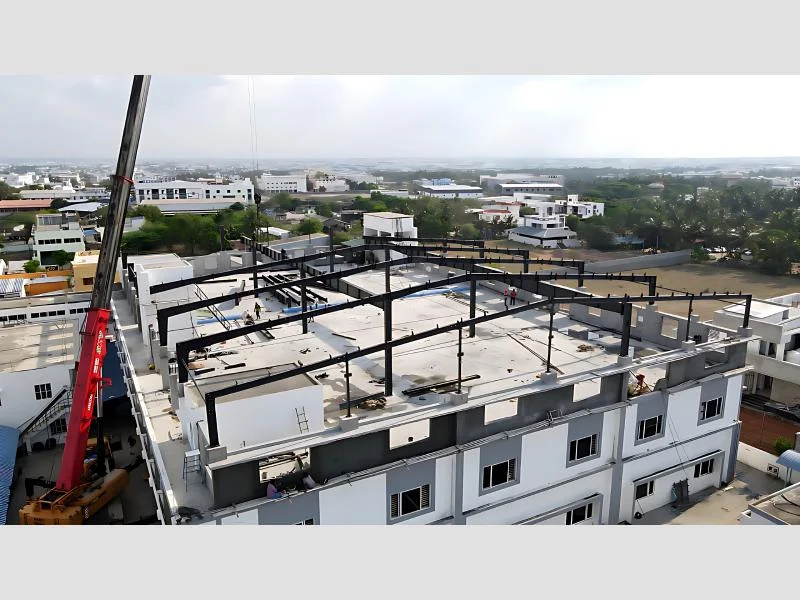
Premium Tower Cranes High Rise Construction Safety Performance
Industrial Construction Vacuum Dewatering Systems For Concrete Strength
Weber Construction Equipment Pvt Ltd
Laboratory Concrete Mixer 5 Cft Unmixed 3 Cft Mixed Manual Operation
Hand Operated Concrete Mixer For Small To Medium Construction Projects
Industrial Weigh Batchers For Precision Batching In Construction And Manufacturing
Avenue Auto Appliances Industries
Vibratory Soil Compactor Wire Harness Premium Durable Construction
Pick And Carry Crane Premium Wiring Harness For Reliable Electrical Connectivity
Plastic Connector Components Protective Covers Electronics
Aman Lifter
Premium Articulated Boom Lifts For Construction And Industrial Maintenance
Rent Articulated Boom Lifts For Construction And Industrial Projects
Premium Articulated Boom Lifts For Construction And Industrial Projects
Balbir Singh & Sons
ISI Certified Chain Pulley Hoist with Grade 80 Load Chain for Industrial Lifting
Industrial Lever Hoist with Asbestos Free Brake and Grade 100 Load Chain
Industrial Grade 80 Chain Hoist ISI Marked ISO 9001 German Design
Kran Mac Engineers
Heavy Industries Goliath Cranes For Container Handling And Ports
Industrial Jib Cranes For Smooth Rotation And Precise Load Handling
Industrial Heavy Lifting Gantry Cranes Single Double Girder
Advantech Crane Automation
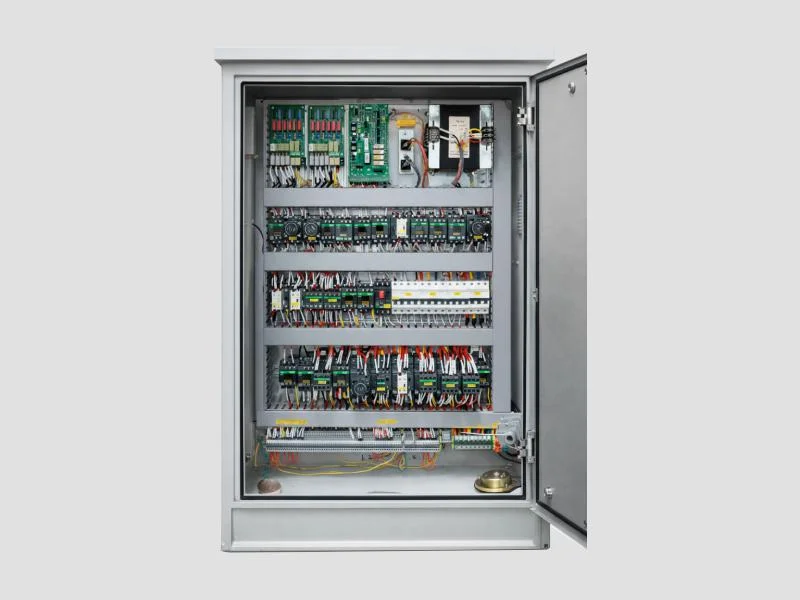
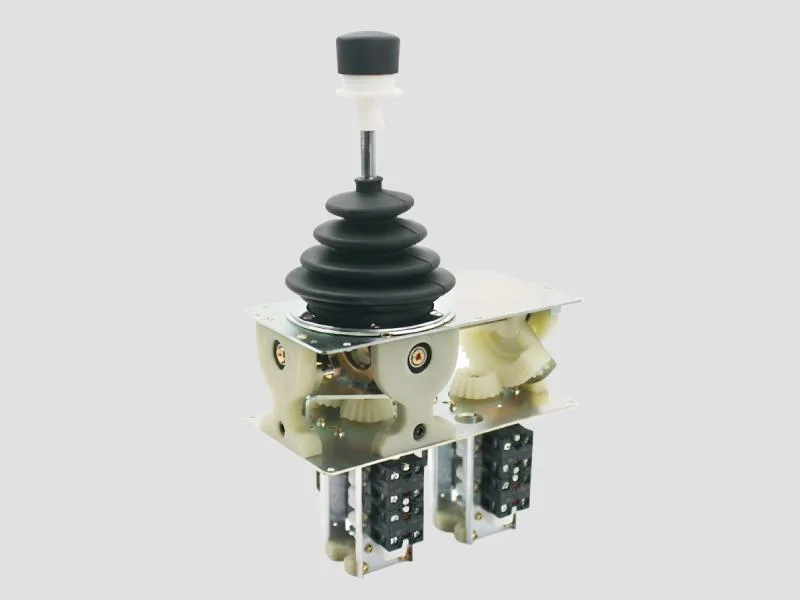
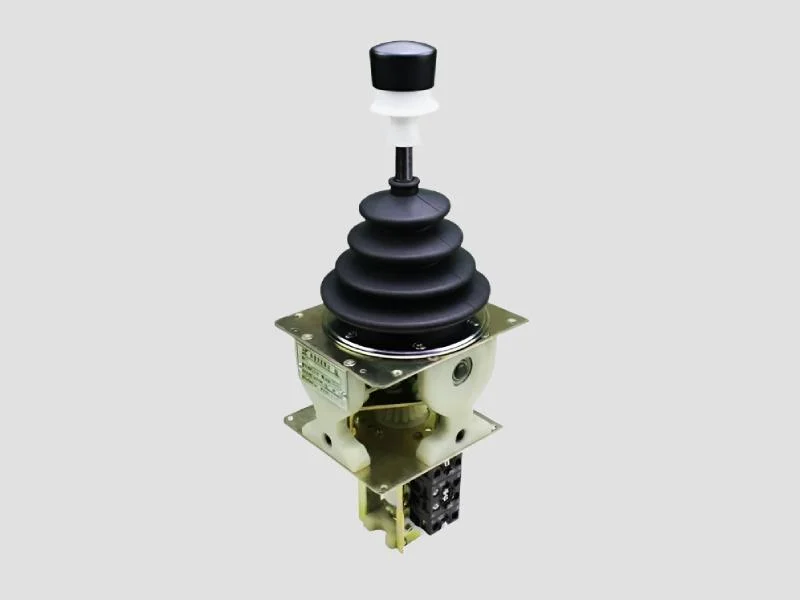
Industrial Crane Control Analog Joystick Precision Ergonomic Durable
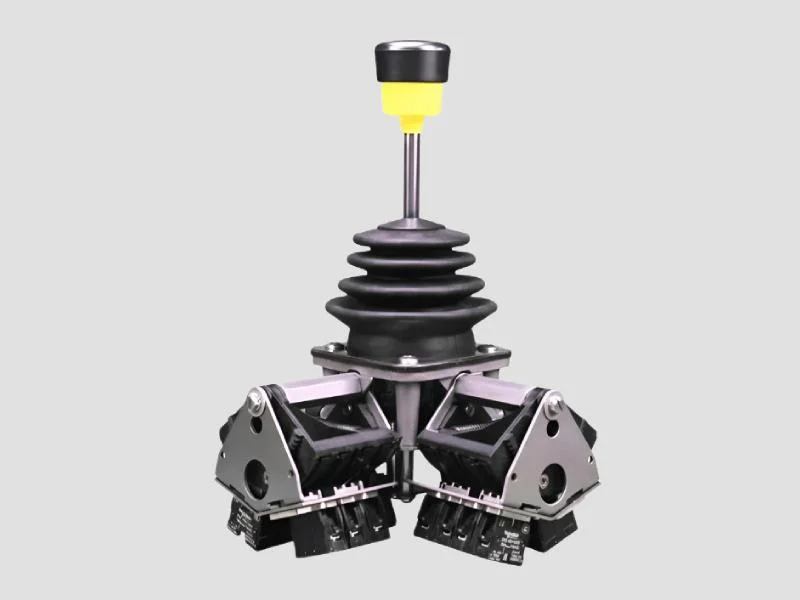
Industrial Crane Control Canbus Joystick Interface For Precise Digital Operation
Industrial Crane Control Dual Axis Joystick For Precise Multi Directional Operation
Why Businesses Trust Pepagora
Thousands of companies trust Pepagora to source smarter and sell faster
Expand Your Sales Globally
25000+Products listed.Get discovered by global buyers
Tools to boost visibility
Build your own catalog

Source Smarter,Grow Faster
4000+Active RFQs
100+ Countries served
Easy Sourcing Tools
