
 IN
INundefined
Torque Wrenches
7 products available
𝗪𝗵𝗮𝘁 𝗮𝗿𝗲 𝗧𝗼𝗿𝗾𝘂𝗲 𝗪𝗿𝗲𝗻𝗰𝗵𝗲𝘀?
Torque wrenches are precision tools used to apply a specific amount of torque to a fastener, such as a bolt or nut. They are essential for ensuring that fasteners are tightened to the manufacturer's specifications, which is crucial for the integrity and safety of mechanical assemblies. Torque wrenches come in various types, including click, beam, and digital models, catering to different needs and applications in industrial settings.
These tools are predominantly used in industries such as automotive, aerospace, and construction, where precise fastener tension is critical. In automotive service, for example, a torque wrench ensures that lug nuts are tightened to the correct specifications, preventing wheel detachment. Similarly, in aerospace, it is vital to maintain exact torque values on critical components to ensure safety and performance. The market for torque wrenches continues to grow, driven by advancements in technology and the increasing demand for precision engineering.
𝗞𝗲𝘆 𝗙𝗲𝗮𝘁𝘂𝗿𝗲𝘀 𝗮𝗻𝗱 𝗦𝗽𝗲𝗰𝗶𝗳𝗶𝗰𝗮𝘁𝗶𝗼𝗻𝘀
Torque wrenches are equipped with various features that make them suitable for precise applications. Understanding these specifications is essential for selecting the right tool for your operations.
Key specifications include:
1. Torque Range
- The range of torque that the wrench can apply, typically measured in foot-pounds or Newton-meters.
- Common ranges include 10-150 ft-lbs and 20-300 Nm.
2. Accuracy
- The precision with which the wrench can measure and apply torque.
- Accuracy is often expressed as a percentage of the reading, such as ± 4%.
3. Drive Size
- The size of the drive socket, which affects compatibility with various fasteners.
- Common sizes include 1/4 inch, 3/8 inch, and 1/2 inch.
4. Calibration
- The frequency and method of calibration required to maintain accuracy.
- Calibration intervals may vary, often recommended every 6-12 months.
5. Construction Material
- The materials used in the wrench's construction, which affect durability and weight.
- Common materials include steel and aluminum.
6. Display Type
- The type of readout for torque measurement, which can be analog or digital.
- Digital displays often provide easier readability and additional features.
7. Handle Type
- The design of the handle, which can include features for comfort and grip.
- Options include rubberized grips and ergonomic shapes for better handling.
8. Compliance Standards
- Adherence to industry standards and certifications that ensure quality and reliability.
- Many torque wrenches comply with CE standards.
These specifications help ensure that the torque wrenches meet the rigorous demands of various industrial applications.
𝗖𝗼𝗺𝗺𝗼𝗻 𝗔𝗽𝗽𝗹𝗶𝗰𝗮𝘁𝗶𝗼𝗻𝘀 𝗮𝗻𝗱 𝗨𝘀𝗲 𝗖𝗮𝘀𝗲𝘀
Torque wrenches find utility across a wide range of industries, each requiring precise torque application.
1. Automotive Industry: In automotive repair and assembly, torque wrenches are vital for ensuring that bolts and nuts are tightened to specified torque values, enhancing vehicle safety and performance.
2. Aerospace Engineering: These tools are crucial in aerospace applications where components must be assembled with exact precision to maintain structural integrity and safety during flight.
3. Construction: In building projects, torque wrenches are used to secure structural components, ensuring that connections can withstand loads and stresses.
4. Manufacturing: In various manufacturing processes, torque wrenches are employed for assembly tasks, ensuring that products meet quality and safety standards.
5. Oil and Gas Industry: Torque wrenches are utilized in the assembly and maintenance of pipelines and drilling equipment, where precise fastening is critical.
6. Marine Industry: In shipbuilding and maintenance, torque wrenches ensure that critical components are securely fastened in harsh environments.
7. Electrical Engineering: In electrical applications, torque wrenches help secure connections in control panels and equipment to prevent failures.
𝗣𝗿𝗼𝗱𝘂𝗰𝘁 𝗩𝗮𝗿𝗶𝗮𝗻𝘁𝘀 𝗮𝗻𝗱 𝗦𝘂𝗯𝗰𝗮𝘁𝗲𝗴𝗼𝗿𝗶𝗲𝘀
Torque wrenches come in several variants, each designed for specific applications and user preferences.
Click Torque Wrenches: These wrenches emit a click sound when the set torque is reached, providing a tactile signal to the user. They are popular in automotive and maintenance applications for their simplicity and reliability.
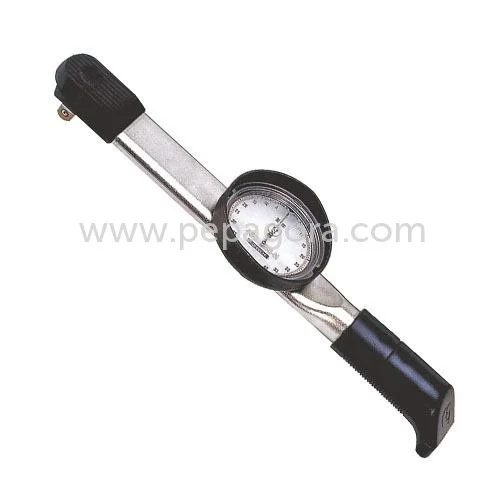
Beam Torque Wrenches: Featuring a scale and a pointer, beam wrenches allow users to visually monitor torque application. They are often used in educational settings and industries where a visual cue is essential.
Digital Torque Wrenches: Equipped with digital displays, these wrenches provide precise readings and often include memory functions and alerts. They are ideal for applications requiring high accuracy and ease of use.
Pneumatic Torque Wrenches: These wrenches are powered by compressed air, making them suitable for high-volume applications, such as manufacturing and assembly lines.
𝗕𝗲𝗻𝗲𝗳𝗶𝘁𝘀 𝗮𝗻𝗱 𝗔𝗱𝘃𝗮𝗻𝘁𝗮𝗴𝗲𝘀
Torque wrenches offer numerous advantages that enhance operational efficiency and safety.
1. Precision Tightening: They ensure that fasteners are tightened to the exact specifications, reducing the risk of failure due to under or over-tightening.
2. Improved Safety: By applying the correct torque, these tools help prevent accidents caused by loose or improperly fastened components.
3. Enhanced Durability: Regular use of torque wrenches prolongs the lifespan of fasteners and machinery by preventing wear and tear associated with improper tightening.
4. User-Friendly: Many modern torque wrenches feature intuitive designs, making them easy to use even for those with limited experience.
5. Cost-Effective: Investing in quality torque wrenches can reduce maintenance costs by preventing damage and ensuring long-term reliability of equipment.
6. Versatility: Torque wrenches can be used in various applications across multiple industries, making them a valuable addition to any toolkit.
𝗕𝘂𝘆𝗶𝗻𝗴 𝗚𝘂𝗶𝗱𝗲 𝗳𝗼𝗿 𝗕𝟮𝗕 𝗕𝘂𝘆𝗲𝗿𝘀
When sourcing torque wrenches, several crucial factors should be considered to ensure the best purchase decisions.
1. Quality Assessment: Evaluate the quality of torque wrenches by checking for certifications and adherence to industry standards. Reliable brands often provide detailed specifications and warranty information.
2. Supplier Verification: Vetting suppliers is essential to ensure they have a good reputation and provide quality products. Look for customer reviews, testimonials, and industry credentials.
3. Pricing and MOQ: Understand the pricing structure and minimum order quantities (MOQ) offered by suppliers. This information helps in budgeting and ensures you can meet your operational needs without overspending.
4. Delivery and Lead Times: Consider the logistics involved in acquiring torque wrenches, including shipping times and costs. Timely delivery is critical in maintaining project schedules.
5. Compliance Requirements: Ensure that the torque wrenches comply with regional regulations and standards. This includes certifications such as CE, which can affect importation and use in specific markets.
𝗖𝗼𝗺𝗽𝗹𝗶𝗮𝗻𝗰𝗲 𝗮𝗻𝗱 𝗖𝗲𝗿𝘁𝗶𝗳𝗶𝗰𝗮𝘁𝗶𝗼𝗻𝘀
Torque wrenches are subject to various quality standards and certifications that ensure their performance and reliability in industrial applications. ISO 9001 is a widely recognized standard that confirms a manufacturer’s commitment to quality management systems.
Additionally, the CE marking indicates that a product meets European safety, health, and environmental protection standards. This certification is crucial for companies looking to operate in European markets.
Safety and testing requirements for torque wrenches include regular calibration and adherence to manufacturer guidelines to ensure ongoing accuracy and performance. Regional compliance considerations may vary, so it is essential to stay informed about specific legal requirements in your operating area.
𝗪𝗵𝘆 𝗦𝗼𝘂𝗿𝗰𝗲 𝗧𝗼𝗿𝗾𝘂𝗲 𝗪𝗿𝗲𝗻𝗰𝗵𝗲𝘀 𝗳𝗿𝗼𝗺 𝗣𝗲𝗽𝗮𝗴𝗼𝗿𝗮?
Pepagora offers a trusted platform for sourcing torque wrenches, providing numerous advantages to B2B buyers.
Verified Supplier Network: Pepagora ensures that all suppliers in its network are thoroughly vetted and verified, offering peace of mind to buyers regarding product quality and supplier reliability.
Streamlined RFQ Process: The request for quotation (RFQ) process on Pepagora is designed for efficiency, allowing buyers to obtain multiple quotes quickly. This feature simplifies decision-making and helps secure the best pricing.
Trade Assurance and Support: Buyers are protected through trade assurance policies that ensure safe transactions. Pepagora also provides customer support to assist with any inquiries or issues that may arise.
Regional Coverage: Pepagora serves a broad geographic area, including India, the GCC, and Southeast Asia. This extensive reach allows buyers to access a diverse range of torque wrenches suited to various industry needs.
Newly Added



Recently Added
Bhagwati Enterprises
Industrial Composite Housing Wrench For Precision Assembly And Maintenance
Industrial Impact Ratchet Wrenches Premium Durable Tools
Industrial Sander Machine For Wood Metal Composites Precision Finishing
Ess Pee Industrial Corporation
Industrial Filter Wrench With Chain For Automotive Manufacturing
Professional Long Nose Pliers Drop Forged Carbon Steel Chrome Plated
Professional Drop Forged Carbon Steel Side Cutting Pliers Chrome Plated
Laxmi Hydro Pneumatic
Industrial Compressed Air Line Filters Remove Oil Moisture Dust
Industrial Air Tapper Double Trigger Multivane Motor Fast Operation
Industrial Air Tapper Double Trigger Fast Reversal Drilling Tapping Tool
Arhan Technologies Private Limited
Industrial Adjustable Torque Wrench Analyzer 0.1 2100 Nm Precision
Industrial Hand Operated Digital Torque Drivers for Precise Measurement
Professional Pulse Ignition Checker PET 4000 For Gasoline Engine Diagnostics
Why Businesses Trust Pepagora
Thousands of companies trust Pepagora to source smarter and sell faster
Expand Your Sales Globally
25000+Products listed.Get discovered by global buyers
Tools to boost visibility
Build your own catalog

Source Smarter,Grow Faster
4000+Active RFQs
100+ Countries served
Easy Sourcing Tools
