
 IN
INundefined
Tool Design & Engineering Services
9 products available
𝗪𝗵𝗮𝘁 𝗮𝗿𝗲 𝗧𝗼𝗼𝗹 𝗗𝗲𝘀𝗶𝗴𝗻 & 𝗘𝗻𝗴𝗶𝗻𝗲𝗲𝗿𝗶𝗻𝗴 𝗦𝗲𝗿𝘃𝗶𝗰𝗲𝘀?
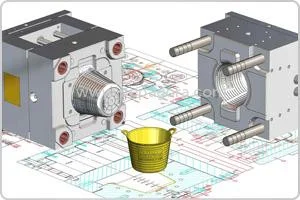
Tool Design & Engineering Services encompass a range of specialized processes aimed at developing tools, dies, molds, and other equipment necessary for manufacturing. These services involve the detailed design, engineering analysis, and prototyping of tools that are integral to production lines. Tool designers and engineers collaborate with manufacturers to create solutions tailored to specific production needs, ensuring efficiency and precision.
These services are primarily used in industries such as automotive, aerospace, medical devices, and consumer products. Each sector requires unique tools that cater to its production methods and product specifications. By utilizing advanced design software and engineering practices, businesses can significantly enhance their manufacturing processes, reduce lead times, and improve product quality.
In the current market context, the demand for Tool Design & Engineering Services is growing as manufacturers seek to innovate and stay competitive. Companies are increasingly investing in custom tool solutions to optimize their production capabilities, reduce costs, and meet evolving consumer demands. This trend highlights the relevance of these services across various industries and the importance of partnering with experienced providers.
𝗞𝗲𝘆 𝗙𝗲𝗮𝘁𝘂𝗿𝗲𝘀 𝗮𝗻𝗱 𝗦𝗽𝗲𝗰𝗶𝗳𝗶𝗰𝗮𝘁𝗶𝗼𝗻𝘀
Tool Design & Engineering Services offer a variety of features that enhance the manufacturing process. The following specifications are essential for understanding the capabilities and benefits of these services.
Key specifications include:
1. Design Software Utilization
- Advanced CAD and CAM software are used for precise tool design.
- Ensures accurate modeling and simulation of tool functionalities.
2. Material Selection
- Tools are designed using materials that meet specific durability and performance criteria.
- Options include steel, aluminum, and specialized composites.
3. Prototyping Capabilities
- Rapid prototyping techniques allow for quick iterations and testing of designs.
- Enhances product development and reduces time to market.
4. Engineering Analysis
- Finite Element Analysis (FEA) is employed to assess tool performance under various conditions.
- Helps in identifying potential design flaws early in the process.
5. Customization Options
- Services can be tailored to meet unique client specifications and requirements.
- Flexibility in design ensures that tools fit specific manufacturing processes.
6. Quality Assurance Processes
- Rigorous testing and validation ensure tools meet industry standards.
- Compliance with quality management systems like ISO 9001.
7. Support for Multiple Industries
- Expertise in various sectors ensures relevance across diverse manufacturing needs.
- Focus on automotive, aerospace, medical, and consumer goods.
8. Delivery and Logistics
- Efficient logistics support ensures timely delivery of tools to clients.
- Coordination with suppliers for material procurement and production timelines.
In summary, these key features and specifications highlight the comprehensive nature of Tool Design & Engineering Services. They are designed to enhance the manufacturing process, ensuring that tools are efficient, reliable, and tailored to specific production environments.
𝗖𝗼𝗺𝗺𝗼𝗻 𝗔𝗽𝗽𝗹𝗶𝗰𝗮𝘁𝗶𝗼𝗻𝘀 𝗮𝗻𝗱 𝗨𝘀𝗲 𝗖𝗮𝘀𝗲𝘀
Tool Design & Engineering Services are integral to various industries, providing essential support for manufacturing processes. The following sectors commonly utilize these services:
1. Automotive: Tooling for automotive components, such as molds for plastic parts and dies for metal stamping, helps streamline production and reduce costs.
2. Aerospace: Precision tooling for aircraft parts is crucial, requiring high standards of accuracy and durability to ensure safety and performance.
3. Medical Devices: Custom tools are designed for the manufacturing of medical equipment, ensuring compliance with stringent regulatory standards and facilitating high-volume production.
4. Consumer Products: Tools for packaging and assembly lines in consumer goods manufacturing enhance efficiency and product quality.
5. Electronics: Tooling for circuit boards and electronic components requires precision engineering to meet tight tolerances and functionality requirements.
6. Industrial Equipment: Custom tools facilitate the production of machinery and industrial equipment, optimizing manufacturing processes.
7. Construction: Tooling for building materials and prefabricated components ensures efficiency in construction and assembly operations.
𝗣𝗿𝗼𝗱𝘂𝗰𝘁 𝗩𝗮𝗿𝗶𝗮𝗻𝘁𝘀 𝗮𝗻𝗱 𝗦𝘂𝗯𝗰𝗮𝘁𝗲𝗴𝗼𝗿𝗶𝗲𝘀
While there are no specific subcategories available for Tool Design & Engineering Services, the diversity of applications leads to various tailored solutions. Each project may require a unique approach based on particular needs.
Standard Tooling Solutions
These encompass conventional tool designs for mass production and are widely used across multiple industries, ensuring reliability and efficiency.
Custom Tooling Solutions
These are specifically tailored to meet the unique requirements of individual clients, allowing for flexibility in design and manufacturing processes.
Prototype Tooling Solutions
Focused on rapid prototyping, these services allow clients to test concepts and designs quickly, reducing time to market and facilitating design validation.
𝗕𝗲𝗻𝗲𝗳𝗶𝘁𝘀 𝗮𝗻𝗱 𝗔𝗱𝘃𝗮𝗻𝘁𝗮𝗴𝗲𝘀
Tool Design & Engineering Services come with numerous advantages that can significantly impact manufacturing efficiency and product quality.
Key benefits include:
1. Enhanced Efficiency: Customized tools improve production rates and reduce downtime on manufacturing lines.
2. Cost Savings: By optimizing tool design, businesses can lower material costs and minimize waste during production.
3. Improved Quality: Precision engineering ensures that tools produce high-quality products with tight tolerances.
4. Faster Time to Market: Rapid prototyping and efficient design processes allow companies to bring products to market more quickly.
5. Support for Innovation: Custom tooling enables companies to innovate by creating unique products that meet specific market needs.
6. Scalability: Tool design services can easily adapt to changes in production volume, supporting both small and large-scale manufacturing operations.
𝗕𝘂𝘆𝗶𝗻𝗴 𝗚𝘂𝗶𝗱𝗲 𝗳𝗼𝗿 𝗕𝟮𝗕 𝗕𝘂𝘆𝗲𝗿𝘀
When sourcing Tool Design & Engineering Services, it is important to consider several key factors to ensure the best outcomes for your business.
1. Quality Assessment: Evaluate the quality of previous projects and tools produced by the service provider. Look for adherence to industry standards and successful outcomes.
2. Supplier Verification: Vet suppliers by checking their credentials, certifications, and customer reviews. A reputable supplier will have a proven track record in tool design.
3. Pricing and MOQ: Understand the pricing structure and minimum order quantities. This will help in budgeting and financial planning.
4. Delivery and Lead Times: Discuss logistics and expected lead times for tool delivery. Timely delivery is crucial for maintaining production schedules.
5. Compliance Requirements: Ensure that the supplier adheres to relevant regulatory and safety standards applicable to your industry. This is vital for maintaining quality and safety.
𝗖𝗼𝗺𝗽𝗹𝗶𝗮𝗻𝗰𝗲 𝗮𝗻𝗱 𝗖𝗲𝗿𝘁𝗶𝗳𝗶𝗰𝗮𝘁𝗶𝗼𝗻𝘀
Tool Design & Engineering Services adhere to various quality standards and certifications that ensure reliability and safety in manufacturing processes.
ISO 9001 is a widely recognized standard that focuses on quality management systems. Companies providing tool design services typically comply with this standard, ensuring consistent quality in their outputs.
CE certification is essential for products sold in the European market. It indicates that the tools meet safety, health, and environmental protection standards.
Additionally, safety and testing requirements are critical, particularly in industries such as aerospace and medical devices. These sectors often have stringent regulations that tools must meet to ensure safety and performance.
Regional compliance considerations may vary, so it is essential to understand the local regulations affecting tool design and manufacturing in the areas where the products will be used.
𝗪𝗵𝘆 𝗦𝗼𝘂𝗿𝗰𝗲 𝗧𝗼𝗼𝗹 𝗗𝗲𝘀𝗶𝗴𝗻 & 𝗘𝗻𝗴𝗶𝗻𝗲𝗲𝗿𝗶𝗻𝗴 𝗦𝗲𝗿𝘃𝗶𝗰𝗲𝘀 𝗳𝗿𝗼𝗺 𝗣𝗲𝗽𝗮𝗴𝗼𝗿𝗮?
Pepagora offers a reliable platform for sourcing Tool Design & Engineering Services, providing several distinct advantages to businesses looking for quality solutions.
Verified Supplier Network: Pepagora ensures that all suppliers are thoroughly vetted. This verification process helps buyers find trustworthy partners with a proven history in tool design.
Streamlined RFQ Process: The Request for Quotation (RFQ) system simplifies the procurement process. Buyers can easily submit their requirements and receive competitive quotes from multiple suppliers.
Trade Assurance and Support: Pepagora offers buyer protection through trade assurance policies. This ensures that transactions are secure and that buyers can expect high-quality services.
Regional Coverage: With a strong presence in India, the GCC, and Southeast Asia, Pepagora provides extensive regional coverage. This allows businesses to connect with local suppliers who understand the market dynamics and compliance needs.
In summary, sourcing Tool Design & Engineering Services from Pepagora enables businesses to access a verified network of suppliers, streamline procurement, and ensure quality and compliance in their manufacturing processes.
Newly Added




Recently Added
A. G. Mechanical Works
Industrial Dyeing Machines For Textile Manufacturers Uniform Color
High Precision Die Casting Dies For Dimensional Accuracy And High Pressure
Industrial Plastic Electrical Parts Manufacturer High Quality Components
Aams Tech Solutions
Automotive Housings For Engine Transmission ECU Systems
Premium Clutch Housing Components For Automotive And Industrial Applications
Industrial Pump Castings For Corrosive Environments And Durability
Chopde Engineering & Material Testing Services Pvt Ltd
Industrial Brinell Hardness Testing Services For Quality Control
Charpy Impact Testing Services ASTM E23 Material Toughness
Pendulum Impact Tester AIT 300 EN for Charpy Izod Tests 300J
Arun 3 D Labs
Reverse Engineering Services For 3D CAD Models And Product Development
3D Reverse Engineering Services For Precise CAD Models
Professional 3D Laser Scanning Services For Reverse Engineering And Inspection
Chemcon
Retaining Consultancy Services For Industrial Problem Resolution
Industrial Effluent Treatment And Wastewater Management Consultancy Services
Industrial Distillation Systems For Solvent Recovery And Purification
Cadtech Engineering Solutions Pvt Ltd
CAE Engineering Simulation Services For Product Optimization
Value Engineering Services For Product Design Optimization & Cost Reduction
CADTECH Precision Tooling Manufacturing Services For Molds Jigs Fixtures
Aew Micro Products
Industrial Plastic Components For Construction And Manufacturing
Premium Standard Plastic Components For Construction And Manufacturing
Industrial Manufacturing Tools And Dies For Precision Metal Forming
Maniyak Engineering
Precision Industrial Tool Design Services For Manufacturing Industries
Automotive Manufacturing BIW Fixture Design Services For Welding Assembly
Product Design & Development Services: 3D Modeling, Engineering & Prototyping
Why Businesses Trust Pepagora
Thousands of companies trust Pepagora to source smarter and sell faster
Expand Your Sales Globally
25000+Products listed.Get discovered by global buyers
Tools to boost visibility
Build your own catalog

Source Smarter,Grow Faster
4000+Active RFQs
100+ Countries served
Easy Sourcing Tools
