
 IN
INundefined
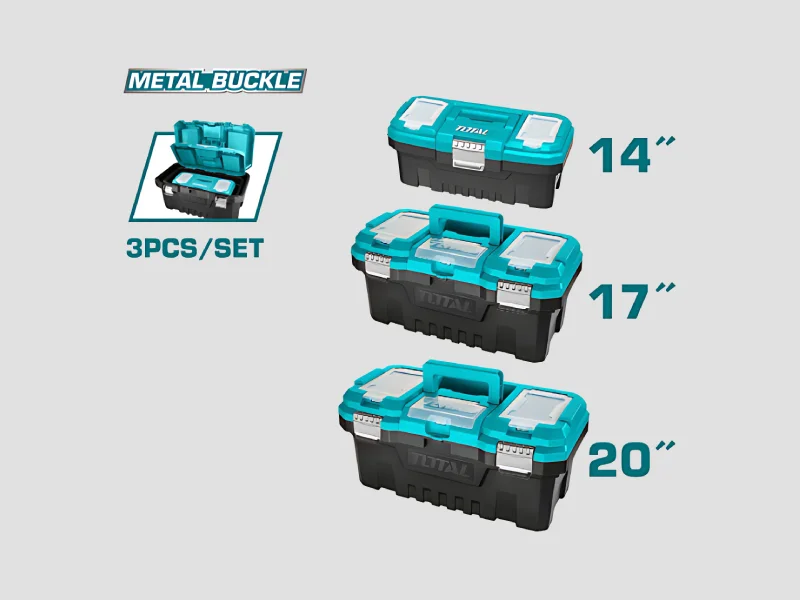
Tool Boxes (Plastic, Metal, Rolling)
2 products available
What are Tool Boxes (Plastic, Metal, Rolling)?
Tool boxes are essential storage solutions designed to organize and transport tools, equipment, and accessories. They come in various materials, including plastic and metal, each offering unique advantages. Plastic tool boxes are lightweight and resistant to corrosion, making them suitable for a variety of environments. Metal tool boxes provide enhanced durability and security, often preferred in industrial settings where heavy tools are common. Rolling tool boxes feature wheels and extendable handles, providing mobility for users who need to transport their tools across larger areas.
These tool boxes are widely used across multiple industries, including construction, manufacturing, and automotive repair. They help professionals keep their tools organized, ensuring efficiency and safety on the job site. In offices or service environments, compact tool boxes can hold smaller tools and supplies, streamlining workflows. The increasing focus on worksite efficiency and safety drives the demand for robust and reliable tool boxes in the market.
In today’s competitive landscape, the tool box market is influenced by advancements in material technology and design innovation. As industries evolve, the need for specialized tool storage solutions continues to grow, leading to a wider variety of products available to meet specific requirements. Manufacturers are constantly adapting to these trends, ensuring that tool boxes remain a critical component of professional tool management.
𝗞𝗲𝘆 𝗙𝗲𝗮𝘁𝘂𝗿𝗲𝘀 𝗮𝗻𝗱 𝗦𝗽𝗲𝗰𝗶𝗳𝗶𝗰𝗮𝘁𝗶𝗼𝗻𝘀
Tool boxes come with a variety of features that enhance their functionality and usability. These specifications can vary significantly based on the material and design of the tool box. When selecting tool boxes, it is important to consider the following specifications that can impact performance and suitability for specific applications.
Key specifications include:
1. Material Type
- Plastic or metal construction
- Resistance to corrosion, impact, and environmental factors
2. Size and Capacity
- Dimensions suitable for the intended tools
- Weight capacity to accommodate heavy tools
3. Locking Mechanism
- Types of locks available (keyed, combination)
- Security features to protect valuable tools
4. Handle Design
- Fixed or retractable handles for easy transport
- Ergonomic designs for comfortable carrying
5. Wheel Type (for rolling tool boxes)
- Size and material of wheels for mobility
- Swivel capability for easy maneuvering
6. Compartments and Organizers
- Number and type of internal compartments
- Customizable inserts for tool organization
7. Weather Resistance
- Sealing features to protect tools from moisture and dust
- UV resistance to prevent degradation from sunlight
8. Color Options
- Variety of colors available for visibility and identification
- Custom color options for branding purposes
In summary, understanding these features and specifications can help professionals select the right tool boxes that meet their operational needs and enhance their productivity.
𝗖𝗼𝗺𝗺𝗼𝗻 𝗔𝗽𝗽𝗹𝗶𝗰𝗮𝘁𝗶𝗼𝗻𝘀 𝗮𝗻𝗱 𝗨𝘀𝗲 𝗖𝗮𝘀𝗲𝘀
Tool boxes serve a diverse range of industries, each with specific applications that benefit from organized tool storage solutions.
1. Construction: In the construction industry, tool boxes are essential for managing tools and equipment at job sites. They provide easy access to essential tools, ensuring that workers can operate efficiently and safely.
2. Manufacturing: Manufacturing facilities utilize tool boxes for storing precision tools and components. These boxes help maintain organization and minimize downtime during production processes.
3. Automotive Repair: Mechanics rely on tool boxes to keep their tools organized and easily accessible. Mobile tool boxes allow them to move freely between vehicles without losing time searching for equipment.
4. Electrical: Electricians use tool boxes to store wiring tools and safety equipment. The ability to secure tools is critical in this field to protect from theft and damage.
5. HVAC: HVAC professionals benefit from tool boxes that can accommodate a variety of tools needed for installation and repairs. Their portability allows for easy transport between job sites.
6. Landscaping: Landscapers use tool boxes to manage gardening tools and supplies. Lightweight options help them carry everything they need for each job efficiently.
7. DIY Projects: Hobbyists and DIY enthusiasts use tool boxes to organize their tools at home. Compact models fit well in smaller spaces while providing necessary storage.
𝗣𝗿𝗼𝗱𝘂𝗰𝘁 𝗩𝗮𝗿𝗶𝗮𝗻𝘁𝘀 𝗮𝗻𝗱 𝗦𝘂𝗯𝗰𝗮𝘁𝗲𝗴𝗼𝗿𝗶𝗲𝘀
Tool boxes are available in various configurations to suit different preferences and applications. This diversity ensures that users can find the right solution for their specific needs.
Plastic Tool Boxes: These are lightweight and ideal for general use. They typically come with multiple compartments, making them perfect for organizing smaller tools and accessories. Their corrosion resistance makes them suitable for outdoor use.
Metal Tool Boxes: Known for their durability, metal tool boxes are designed to withstand heavy use in industrial environments. They often feature secure locking mechanisms and are suitable for storing valuable tools.
Rolling Tool Boxes: These are designed for mobility, featuring wheels and retractable handles. Rolling tool boxes are perfect for professionals who need to transport tools over larger distances, combining convenience with storage efficiency.
𝗕𝗲𝗻𝗲𝗳𝗶𝘁𝘀 𝗮𝗻𝗱 𝗔𝗱𝘃𝗮𝗻𝘁𝗮𝗴𝗲𝘀
The choice of tool boxes comes with several key benefits that enhance operational efficiency and tool management.
1. Organization: Tool boxes facilitate better organization of tools and accessories, reducing the time spent searching for items. This leads to improved efficiency on the job.
2. Portability: With options like rolling tool boxes, users can easily transport their tools to various locations, making them ideal for mobile work environments.
3. Protection: Tool boxes provide a secure environment for tools, protecting them from damage, loss, and environmental factors. This extends the lifespan of tools and reduces replacement costs.
4. Customization: Many tool boxes offer customizable compartments to suit specific tools, allowing users to tailor their storage solutions to meet unique requirements.
5. Enhanced Safety: Proper tool storage reduces the risk of accidents caused by misplaced tools. Tool boxes help maintain a safer work environment by keeping tools organized and out of the way.
6. Cost-Effectiveness: Investing in quality tool boxes can save businesses money in the long run by reducing tool replacement costs and improving job site efficiency.
𝗕𝘂𝘆𝗶𝗻𝗴 𝗚𝘂𝗶𝗱𝗲 𝗳𝗼𝗿 𝗕𝟮𝗕 𝗕𝘂𝘆𝗲𝗿𝘀
When sourcing tool boxes, B2B buyers should consider several important factors to ensure they select the best option for their needs.
1. Quality Assessment: Evaluate the quality of materials and construction. Look for tool boxes that meet industry standards for durability and reliability, especially when used in demanding environments.
2. Supplier Verification: Vet suppliers to ensure they provide reliable products. Check for reviews, certifications, and their history in the industry to establish trust.
3. Pricing and MOQ: Understand pricing structures and minimum order quantities (MOQ) to ensure they align with business requirements. Compare quotes from multiple suppliers for the best value.
4. Delivery and Lead Times: Consider the logistics of delivery and the time frame for receiving products. Ensure that suppliers can meet delivery schedules to avoid delays in operations.
5. Compliance Requirements: Be aware of any regulatory compliance requirements relevant to your industry. Ensure that the tool boxes sourced meet these regulations to avoid potential legal issues.
𝗖𝗼𝗺𝗽𝗹𝗶𝗮𝗻𝗰𝗲 𝗮𝗻𝗱 𝗖𝗲𝗿𝘁𝗶𝗳𝗶𝗰𝗮𝘁𝗶𝗼𝗻𝘀
Tool boxes must adhere to various quality standards and certifications to ensure reliability and safety in professional environments. Common standards include ISO 9001, which sets criteria for a quality management system, ensuring that products meet customer and regulatory requirements.
In addition, industry certifications such as CE mark indicate compliance with European safety standards. These certifications assure buyers that the tool boxes have been tested and deemed safe for use.
Safety and testing requirements vary by region and application, making it essential for buyers to understand the specific regulations that apply to their operations. Compliance with regional standards ensures that tool boxes meet local laws and safety guidelines, providing peace of mind for businesses.
Why Source Tool Boxes (Plastic, Metal, Rolling) from Pepagora?
Pepagora presents a reliable platform for sourcing tool boxes, offering several key advantages that differentiate it from other suppliers.
Verified Supplier Network: With a network of verified suppliers, Pepagora ensures that buyers have access to high-quality tool boxes from trusted manufacturers. This verification process helps mitigate the risk of sourcing inferior products.
Streamlined RFQ Process: Pepagora provides an efficient request for quotation (RFQ) process, allowing buyers to easily compare prices and specifications from multiple suppliers. This simplifies the procurement process and saves time.
Trade Assurance and Support: Buyers benefit from trade assurance programs that protect their purchases. This support helps ensure that transactions are secure and that buyers receive the products they need, as promised.
Regional Coverage: Pepagora has a strong presence in key markets such as India, the GCC region, and Southeast Asia. This geographic reach allows buyers to source tool boxes locally, reducing shipping times and costs.
By choosing Pepagora, businesses can streamline their procurement process while ensuring they receive quality tool boxes that meet their operational needs.
Newly Added


Recently Added
A. B. Engineering
Industrial Aluminum Casted Boxes With Spring Loaded Cams
Industrial Aluminum Die Castings Durable Lightweight Customizable
Industrial Automation Precision Aluminum Timing Pulleys For Motion Control
Why Businesses Trust Pepagora
Thousands of companies trust Pepagora to source smarter and sell faster
Expand Your Sales Globally
25000+Products listed.Get discovered by global buyers
Tools to boost visibility
Build your own catalog

Source Smarter,Grow Faster
4000+Active RFQs
100+ Countries served
Easy Sourcing Tools
