
 IN
INundefined
Tobacco
1 products available
𝗪𝗵𝗮𝘁 𝗮𝗿𝗲 𝗧𝗼𝗯𝗮𝗰𝗰𝗼?
Tobacco is a plant belonging to the Nicotiana genus, primarily cultivated for its leaves, which are processed and used for producing various tobacco products. These products include cigarettes, cigars, chewing tobacco, and snuff, all of which contain nicotine, a psychoactive substance that can lead to addiction. The cultivation of tobacco dates back centuries and has evolved into a massive global industry.
Tobacco is extensively used in the production of consumer goods for recreational purposes. Businesses within the tobacco industry often engage in farming, processing, and distributing tobacco products. The market for tobacco is substantial, with various segments catering to different preferences and demographics. Despite its controversial health implications, tobacco remains a significant commodity in many economies, driving both local and global trade.
𝗞𝗲𝘆 𝗙𝗲𝗮𝘁𝘂𝗿𝗲𝘀 𝗮𝗻𝗱 𝗦𝗽𝗲𝗰𝗶𝗳𝗶𝗰𝗮𝘁𝗶𝗼𝗻𝘀
Tobacco products come with distinct features and specifications that define their quality and usability. Understanding these parameters is crucial for businesses involved in the tobacco supply chain.
Key specifications include:
1. Leaf Type
- Virginia, Burley, and Oriental are the primary types.
- These types vary in flavor, nicotine content, and aroma.
2. Moisture Content
- Typically ranges from 12% to 15%.
- Essential for ensuring proper burning and flavor release.
3. Cut Size
- Common sizes include fine, medium, and coarse.
- Affects the product's smoking characteristics and preparation methods.
4. Nicotine Level
- Varies significantly by type, generally from 0.5% to 3%.
- Critical for determining the strength and appeal of the product.
5. Flavoring Additives
- Commonly used to enhance taste.
- Ranges from natural to synthetic flavors.
6. Packaging Options
- Available in bulk, pouches, and pre-rolled formats.
- Influences freshness and product shelf life.
7. Shelf Life
- Generally lasts 1-2 years if stored properly.
- Important for inventory management and sales.
8. Certification
- Compliance with CE safety standards.
- Essential for market access in various regions.
Tobacco specifications play a vital role in product quality and consumer satisfaction. Businesses should prioritize these factors when sourcing tobacco to meet market demands effectively.
𝗖𝗼𝗺𝗺𝗼𝗻 𝗔𝗽𝗽𝗹𝗶𝗰𝗮𝘁𝗶𝗼𝗻𝘀 𝗮𝗻𝗱 𝗨𝘀𝗲 𝗖𝗮𝘀𝗲𝘀
Tobacco finds application across several industries, each with its unique requirements and practices.
1. Consumer Goods: Tobacco is primarily used in cigarettes and cigars, which remain popular among adult consumers worldwide.
2. Food and Beverage: Some companies incorporate tobacco in the production of certain beverages and food items, exploring unique flavor profiles.
3. Pharmaceuticals: Nicotine is being researched for its potential therapeutic applications, particularly in smoking cessation products.
4. Textiles: Tobacco leaves are sometimes used in the production of natural dyes for textiles, showcasing versatility beyond traditional uses.
5. Agriculture: Tobacco farming contributes to local economies, providing employment and supporting agricultural practices.
6. Hospitality: Some establishments offer tobacco products as part of their service, appealing to specific customer segments.
7. Research and Development: Ongoing studies into tobacco's properties and effects contribute to innovations in product development and health science.
𝗣𝗿𝗼𝗱𝘂𝗰𝘁 𝗩𝗮𝗿𝗶𝗮𝗻𝘁𝘀 𝗮𝗻𝗱 𝗦𝘂𝗯𝗰𝗮𝘁𝗲𝗴𝗼𝗿𝗶𝗲𝘀
Tobacco products are diverse, catering to a wide range of consumer preferences and market needs.
Cigarettes
Cigarettes are the most widely consumed tobacco product, available in various brands and styles. They are often blended with different leaf types to create unique flavors and strengths.
Cigars
Cigars are larger and typically contain a higher concentration of tobacco. They are often produced with premium leaves and are marketed as luxury items, appealing to connoisseurs.
Chewing Tobacco
This variant is designed for oral consumption, offering a different experience compared to smoking. It comes in various forms, such as loose leaf or pouches, and is popular in specific demographics.
Snuff
Snuff is finely ground tobacco that can be inhaled or placed in the mouth. It is available in both dry and moist forms, providing alternatives for users who prefer not to smoke.
𝗕𝗲𝗻𝗲𝗳𝗶𝘁𝘀 𝗮𝗻𝗱 𝗔𝗱𝘃𝗮𝗻𝘁𝗮𝗴𝗲𝘀
Sourcing tobacco offers several advantages for businesses in the industry.
Key benefits include:
1. Versatile Applications: Tobacco can be used in various products, allowing businesses to cater to multiple consumer needs.
2. Established Market: The tobacco industry has a long-standing presence, providing stability for investment and growth.
3. Diverse Product Range: The variety of tobacco products allows businesses to target specific customer segments effectively.
4. Global Trade Opportunities: Tobacco is a globally traded commodity, offering access to international markets.
5. Research and Innovation: Ongoing studies into tobacco can lead to the development of new products and applications.
6. Brand Loyalty: Strong brand recognition in the tobacco sector can drive consumer loyalty and repeat purchases.
𝗕𝘂𝘆𝗶𝗻𝗴 𝗚𝘂𝗶𝗱𝗲 𝗳𝗼𝗿 𝗕𝟮𝗕 𝗕𝘂𝘆𝗲𝗿𝘀
When sourcing tobacco, businesses should consider several key factors to ensure quality and compliance.
1. Quality Assessment: Evaluate the tobacco based on taste, aroma, and consistency. Look for certifications that indicate adherence to quality standards.
2. Supplier Verification: Vet suppliers through references, reviews, and compliance with industry standards. This ensures reliability and product integrity.
3. Pricing and MOQ: Understand the pricing structure and minimum order quantities for various products. This will help in budgeting and inventory planning.
4. Delivery and Lead Times: Clarify logistics arrangements and lead times to avoid disruptions in supply.
5. Compliance Requirements: Familiarize yourself with local and international regulations regarding tobacco products to ensure proper compliance.
𝗖𝗼𝗺𝗽𝗹𝗶𝗮𝗻𝗰𝗲 𝗮𝗻𝗱 𝗖𝗲𝗿𝘁𝗶𝗳𝗶𝗰𝗮𝘁𝗶𝗼𝗻𝘀
Compliance with quality standards and certifications is essential in the tobacco industry. Key standards include ISO 9001, which ensures effective quality management systems, and HACCP, which focuses on food safety management. Additionally, the CE certification signifies conformity with health, safety, and environmental protection standards.
Safety and testing requirements are vital in maintaining product integrity and consumer safety. Companies must adhere to rigorous testing protocols to assess the quality and safety of tobacco products. Regional compliance considerations, such as varying regulations across different countries, are also crucial for market access and legal operation.
𝗪𝗵𝘆 𝗦𝗼𝘂𝗿𝗰𝗲 𝗧𝗼𝗯𝗮𝗰𝗰𝗼 𝗳𝗿𝗼𝗺 𝗣𝗲𝗽𝗮𝗴𝗼𝗿𝗮?
Pepagora provides a trusted platform for sourcing tobacco, offering several key advantages for B2B buyers.
Verified Supplier Network: Pepagora ensures that all suppliers are thoroughly vetted for quality and reliability. This creates a secure environment for business transactions.
Streamlined RFQ Process: The platform simplifies the request for quotation process, allowing buyers to easily compare options and make informed decisions.
Trade Assurance and Support: Pepagora offers buyer protection services, ensuring that transactions are secure and that buyers receive the products as promised.
Regional Coverage: With a strong presence in India, the GCC, and Southeast Asia, Pepagora connects buyers with suppliers across diverse markets, enabling effective sourcing strategies.


Recently Added
Aromatica Inc
Natural Masala Incense Sticks 15g Handcrafted Pure Ingredients
Sandalwood Incense Sticks Natural Masala Fragrance
Natural Masala Incense Sticks 15g 50g Packs Bulk
Aggarwal Zarda Factory Pvt Ltd
Guru Brand 106 Chewing Tobacco 50gm Tin For Pan Masala
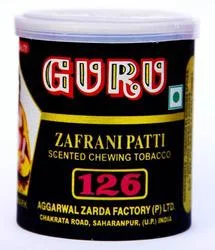
Distributors Guru Brand 126 Chewing Tobacco 50gm Tin Premium Blend
Hathi Gola Orange Gold Chewing Tobacco 15g Pouch With Lime Tube
Why Businesses Trust Pepagora
Thousands of companies trust Pepagora to source smarter and sell faster
Expand Your Sales Globally
25000+Products listed.Get discovered by global buyers
Tools to boost visibility
Build your own catalog

Source Smarter,Grow Faster
4000+Active RFQs
100+ Countries served
Easy Sourcing Tools
