
 IN
INundefined
Thermoforming Machines
17 products available
𝗪𝗵𝗮𝘁 𝗮𝗿𝗲 𝗧𝗵𝗲𝗿𝗺𝗼𝗳𝗼𝗿𝗺𝗶𝗻𝗴 𝗠𝗮𝗰𝗵𝗶𝗻𝗲𝘀?
Thermoforming machines are specialized equipment used in the manufacturing process to shape thermoplastic materials into specific forms. The process involves heating a plastic sheet until it becomes pliable, then forming it over a mold using vacuum or pressure. This method is highly efficient for producing a variety of plastic products.
These machines are widely employed in industries such as packaging, automotive, and consumer goods. Their primary applications include creating containers, lids, packaging trays, and custom parts. Thermoforming is favored for its ability to produce lightweight yet durable products with low production costs, making it an essential technology in modern manufacturing.
The relevance of thermoforming machines in the market continues to grow as industries seek to improve efficiency and reduce material waste. The demand for custom plastic products has increased, and thermoforming offers a versatile solution that can adapt to various material types and designs. As sustainability becomes a focus, manufacturers are also looking for ways to incorporate recyclable materials into the thermoforming process.
𝗞𝗲𝘆 𝗙𝗲𝗮𝘁𝘂𝗿𝗲𝘀 𝗮𝗻𝗱 𝗦𝗽𝗲𝗰𝗶𝗳𝗶𝗰𝗮𝘁𝗶𝗼𝗻𝘀
Thermoforming machines come with a range of features and specifications that cater to different production needs. Understanding these specifications is crucial for selecting the right machine for specific applications.
Key specifications include:
1. Heating System
- Type of heating: electric, gas, or infrared
- Heating zone control: multiple zones for uniform heating
2. Forming Method
- Types: vacuum forming, pressure forming, or drape forming
- Compatibility with various molds and materials
3. Sheet Size Capacity
- Maximum sheet dimensions: varies by model
- Thickness range: typically from 0.5 mm to 10 mm
4. Cycle Time
- Average time for heating, forming, and cooling
- Affects overall production efficiency
5. Automation Level
- Manual, semi-automatic, or fully automatic options
- Integration with robotic systems for enhanced productivity
6. Control System
- User interface: touchscreen or manual controls
- Programmable settings for repeatability
7. Material Compatibility
- Suitable materials: PVC, PET, PS, and others
- Options for multi-layer or co-extruded sheets
8. Safety Features
- Emergency stop functions
- Safety guards and sensors for operator protection
In summary, the specifications of thermoforming machines should align with the intended production requirements, ensuring optimal performance and efficiency in manufacturing processes.
𝗖𝗼𝗺𝗺𝗼𝗻 𝗔𝗽𝗽𝗹𝗶𝗰𝗮𝘁𝗶𝗼𝗻𝘀 𝗮𝗻𝗱 𝗨𝘀𝗲 𝗖𝗮𝘀𝗲𝘀
Thermoforming machines are utilized in numerous industries due to their versatility and efficiency.
1. Packaging: Thermoforming is extensively used to create packaging trays, clamshells, and containers that protect products during transportation and display.
2. Automotive: These machines are employed to manufacture interior components such as dashboard covers, door panels, and trims, where lightweight and durable materials are essential.
3. Consumer Goods: Thermoforming is ideal for producing items like disposable cups, plates, and food containers, meeting the demand for convenience in everyday products.
4. Medical: In the healthcare sector, thermoforming is used to create trays for medical instruments, ensuring sterility and organization.
5. Electronics: Thermoformed parts are used in packaging electronic devices, providing protective casings that are lightweight and easy to handle.
6. Signage: Thermoforming is utilized in creating custom signs and displays, allowing for intricate shapes and designs that enhance visual appeal.
7. Construction: Thermoformed components can be found in construction materials, such as panels and insulation, contributing to energy efficiency.
𝗣𝗿𝗼𝗱𝘂𝗰𝘁 𝗩𝗮𝗿𝗶𝗮𝗻𝘁𝘀 𝗮𝗻𝗱 𝗦𝘂𝗯𝗰𝗮𝘁𝗲𝗴𝗼𝗿𝗶𝗲𝘀
Thermoforming machines come in various configurations to meet different production needs. Each variant offers unique features tailored for specific applications.
Entry-Level Thermoforming Machines
These machines are designed for small to medium-scale operations. They are user-friendly and provide essential features for basic thermoforming tasks, making them ideal for startups or businesses with low production volumes.
High-Speed Thermoforming Machines
These variants are engineered for high-volume production. They offer faster cycle times and advanced automation features, allowing manufacturers to meet large order demands efficiently.
Robotic Thermoforming Systems
Incorporating robotics, these systems enhance the automation of the thermoforming process. They provide increased precision and reduced labor costs, making them suitable for complex applications that require high accuracy.
𝗕𝗲𝗻𝗲𝗳𝗶𝘁𝘀 𝗮𝗻𝗱 𝗔𝗱𝘃𝗮𝗻𝘁𝗮𝗴𝗲𝘀
Investing in thermoforming machines offers numerous benefits to manufacturers.
1. Cost-Effective Production: Thermoforming typically requires less material and energy compared to other forming processes, leading to lower overall production costs.
2. Versatility: These machines can work with a variety of thermoplastic materials, enabling manufacturers to produce a wide range of products and adapt to changing market demands.
3. Quick Turnaround Time: The rapid cycle times associated with thermoforming allow for faster production, helping businesses respond promptly to customer needs.
4. Customization: Thermoforming machines can be tailored to create unique designs and shapes, providing manufacturers with the flexibility to meet specific client requirements.
5. Minimal Waste: The process is designed to optimize material usage, reducing scrap and contributing to more sustainable manufacturing practices.
6. Easy Maintenance: Modern thermoforming machines are designed for ease of maintenance, minimizing downtime and ensuring consistent production quality.
𝗕𝘂𝘆𝗶𝗻𝗴 𝗚𝘂𝗶𝗱𝗲 𝗳𝗼𝗿 𝗕𝟮𝗕 𝗕𝘂𝘆𝗲𝗿𝘀
When considering the purchase of thermoforming machines, several factors should be taken into account to ensure the right decision.
1. Quality Assessment: Evaluate the machine's build quality and performance capabilities. Look for manufacturers that adhere to industry standards and provide warranties.
2. Supplier Verification: Research potential suppliers to ensure they have a good reputation in the industry. Check for customer reviews and case studies to gauge their reliability.
3. Pricing and MOQ: Understand the cost structure of the machines and the minimum order quantities required. Be prepared to negotiate based on your production needs.
4. Delivery and Lead Times: Discuss delivery schedules and lead times with suppliers to align with your production timelines. Factor in potential delays that may arise.
5. Compliance Requirements: Ensure that the machines meet relevant regulatory standards and certifications that pertain to your industry, such as CE certification for safety.
𝗖𝗼𝗺𝗽𝗹𝗶𝗮𝗻𝗰𝗲 𝗮𝗻𝗱 𝗖𝗲𝗿𝘁𝗶𝗳𝗶𝗰𝗮𝘁𝗶𝗼𝗻𝘀
Thermoforming machines are subject to various quality standards and certifications that ensure safety and reliability in manufacturing processes. One of the key standards is ISO 9001, which focuses on quality management systems and continuous improvement.
In addition to ISO certifications, thermoforming machines often require compliance with safety standards such as CE marking in Europe, indicating that they meet essential safety and health requirements.
Testing requirements may also apply, ensuring that machines operate correctly under specified conditions. Manufacturers should also consider regional compliance regulations that might affect machine specifications and operational capabilities, particularly when exporting products internationally.
𝗪𝗵𝘆 𝗦𝗼𝘂𝗿𝗰𝗲 𝗧𝗵𝗲𝗿𝗺𝗼𝗳𝗼𝗿𝗺𝗶𝗻𝗴 𝗠𝗮𝗰𝗵𝗶𝗻𝗲𝘀 𝗳𝗿𝗼𝗺 𝗣𝗲𝗽𝗮𝗴𝗼𝗿𝗮?
Pepagora offers a reliable platform for sourcing thermoforming machines, providing several advantages for B2B buyers.
Verified Supplier Network: Pepagora has a comprehensive network of verified suppliers, ensuring that buyers can connect with reputable manufacturers who meet industry standards.
Streamlined RFQ Process: The platform simplifies the request for quotation process, allowing buyers to receive multiple quotes from different suppliers easily. This helps in making informed purchasing decisions.
Trade Assurance and Support: Buyers benefit from trade assurance features that protect their transactions, ensuring that they receive the equipment as promised and within agreed timelines.
Regional Coverage: Pepagora extends its services across various regions, including India, the GCC, and Southeast Asia, making it easier for businesses to access high-quality thermoforming machines tailored to their specific market needs.
Newly Added


Recently Added
Electron Systems
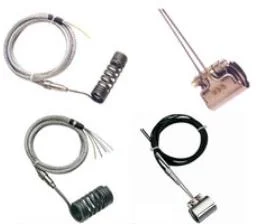
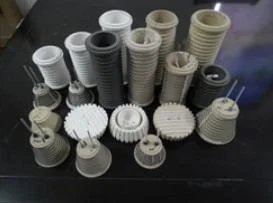
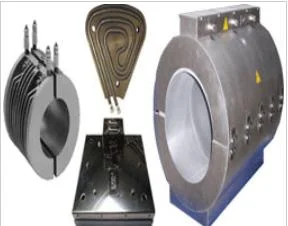
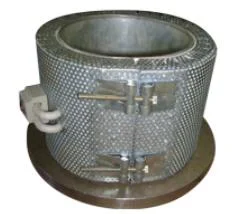
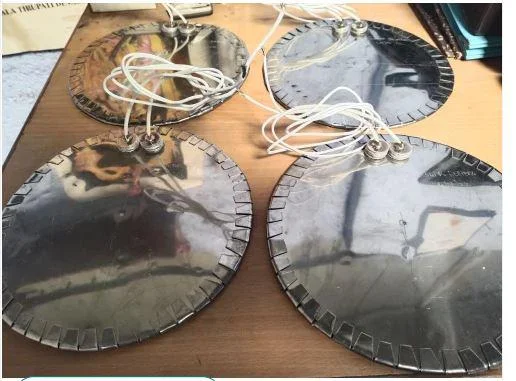
Industrial Mica Band Heaters For Plastic Machinery And Extrusion Equipment
Plastic Processing Mica Nozzle Heater Durable Uniform Heating
Industrial Mica Jacket Heaters For Plastic Machinery And Food Processing
Woodmaster (India) Machines Pvt Ltd
Automatic Post Forming Machine For Precision Laminate Shaping
Industrial Edge Banding Machine For PVC ABS Furniture Panels
Industrial Buffer End Cutting Machine For Woodworking And Furniture
Bien Artium Natural Science Pvt. Ltd
Twin Roll Crusher For Mineral Processing And Ore Crushing
Heavy Duty Jaw Crusher For Mining Construction Recycling
Industrial High Frequency Disc Grinders For Precision Surface Grinding
Annamar Heaters and Ovens
Industrial Oven Heating Elements For Baking Curing Drying Processes
Industrial Immersion Heater 125 L 10 HP 12 Bar For Applications
Industrial Silicon Strip Heater 10W Used Flexible Durable
Shree Hydraulic Engineers
Industrial Manual Hydraulic Machine High Efficiency Metal OEM
Industrial Hydraulic Press Machine For Metal Forming Bending Punching
Industrial Hydraulic Power Pack Unit High Pressure Fluid Compact Design
B. S. P. Roto Moulding
Industrial Vibro Screen Machine For Solid Liquid Separation And Grading
Industrial Rotomoulding Machine With Integrated Cooling Fan For Hollow Plastic Products
Industrial Pulveriser Machine For Grinding Spices Grains Chemicals Minerals
Basra Electro Traders
Commercial Residential Water Heaters Premium Energy Efficient Reliable
Industrial Cartridge Heaters For Plates Dies Packaging Machinery
Industrial Cartridge Heaters For High Performance Heating In Machinery
Prem Machine Tools (India)
Premium Thermocol Bubble Packing Sheets for Fragile Electronics Protection
Bulk EPS Plates For Protective Packaging And Insulation
Industrial EPS Glasses For Superior Thermal Insulation And Durability
Ashoka Enterprises
Industrial Commercial Corrosion Resistant Steel Heaters Energy Efficient
Industrial Steel Heaters Corrosion Resistant Energy Efficient
Industrial Steel Tube Heaters For OEMs And Manufacturing
Masonlite Sign Supplies & Equipments
CNC Router Machine With DSP Controller And 4 Zone Vacuum Table
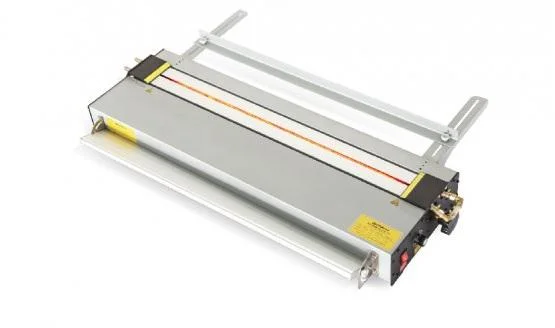
Fashion Display Acrylic Bending Machine 1250mm 1 10mm 0 600C
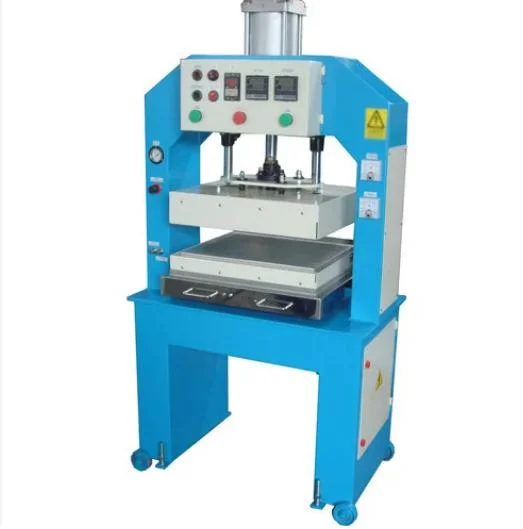
Industrial Auto Open Heat Press Machine 230V Digital LCD Timer
Why Businesses Trust Pepagora
Thousands of companies trust Pepagora to source smarter and sell faster
Expand Your Sales Globally
25000+Products listed.Get discovered by global buyers
Tools to boost visibility
Build your own catalog

Source Smarter,Grow Faster
4000+Active RFQs
100+ Countries served
Easy Sourcing Tools
