
 IN
INundefined
Textile Finishing Machinery
41 products available
𝗪𝗵𝗮𝘁 𝗮𝗿𝗲 𝗧𝗲𝘅𝘁𝗶𝗹𝗲 𝗙𝗶𝗻𝗶𝘀𝗵𝗶𝗻𝗴 𝗠𝗮𝗰𝗵𝗶𝗻𝗲𝗿𝘆?
Textile finishing machinery refers to the equipment used in the final stages of textile production to enhance the appearance, feel, and performance of fabrics. These machines are designed for processes such as dyeing, printing, coating, and other treatments that improve the physical and aesthetic qualities of textiles. The finishing process is crucial in ensuring that the fabric meets specific market standards and customer expectations.
Textile finishing machinery serves various industries, including apparel, home textiles, and technical textiles. The machinery plays an integral role in transforming raw fabrics into finished products that are ready for retail or industrial use. Businesses rely on these machines not only to elevate product quality but also to meet regulatory compliance and sustainability goals. As the textile industry evolves, the demand for advanced finishing technologies continues to grow, making these machines essential for competitive advantage.
The textile finishing machinery market is part of a larger industry that is influenced by trends such as sustainability, automation, and technological innovation. Manufacturers are increasingly focusing on integrating eco-friendly processes and materials, thus expanding the relevance of these machines in a rapidly changing market landscape.
𝗞𝗲𝘆 𝗙𝗲𝗮𝘁𝘂𝗿𝗲𝘀 𝗮𝗻𝗱 𝗦𝗽𝗲𝗰𝗶𝗳𝗶𝗰𝗮𝘁𝗶𝗼𝗻𝘀
Textile finishing machinery comes equipped with a range of features that cater to diverse industrial needs. These features enhance efficiency, quality, and operational flexibility. Understanding the key specifications of these machines is essential for making informed purchasing decisions.
Key specifications include:
1. Machine Type
- Various types of machines such as stenters, dryers, and calenders.
- Each type serves specific finishing processes.
2. Capacity
- Machines are available in different capacities to handle varying production volumes.
- Capacity often ranges from small scale to large industrial machines.
3. Temperature Control
- Advanced temperature control systems to ensure consistent finishing quality.
- Temperature settings may vary based on the type of textiles being processed.
4. Humidity Control
- Humidity control features to maintain optimal conditions for finishing processes.
- Essential for preventing fabric damage during treatment.
5. Speed Settings
- Adjustable speed settings for different production requirements.
- Higher speeds typically result in increased productivity.
6. Energy Efficiency
- Many machines are designed with energy-efficient technologies to reduce operational costs.
- Compliance with energy standards is often a key consideration.
7. Automation Features
- Automation capabilities to streamline operations and reduce labor costs.
- Integration with digital monitoring systems is becoming more common.
8. Safety Standards
- Compliance with relevant safety regulations and standards.
- Essential for ensuring workplace safety during operation.
In summary, understanding the features and specifications of textile finishing machinery enables buyers to choose equipment that meets their production needs while ensuring quality and efficiency.
𝗖𝗼𝗺𝗺𝗼𝗻 𝗔𝗽𝗽𝗹𝗶𝗰𝗮𝘁𝗶𝗼𝗻𝘀 𝗮𝗻𝗱 𝗨𝘀𝗲 𝗖𝗮𝘀𝗲𝘀
Textile finishing machinery serves various industries that require high-quality fabric treatments. The applications are diverse and tailored to meet specific market demands.
1. Apparel Industry: These machines are used for dyeing, printing, and finishing garments to achieve desired colors and textures. They help in preparing fabrics for retail.
2. Home Textiles: Used for finishing bed linens, curtains, and upholstery fabrics, ensuring they are aesthetically pleasing and durable. The finishing processes enhance their softness and appearance.
3. Technical Textiles: In sectors like automotive and medical, finishing machinery is used to treat fabrics that require specialized properties, such as flame retardancy or water resistance.
4. Fashion Textiles: High-end fashion brands utilize finishing machines to create unique fabric finishes that enhance the luxury feel of their products.
5. Industrial Textiles: These are used in applications ranging from geotextiles to filtration fabrics, where specific performance characteristics are critical.
6. Sportswear: Finishing machinery is essential for treating fabrics used in sports apparel, ensuring moisture-wicking and breathability for enhanced performance.
7. Nonwoven Fabrics: Used in the production of nonwoven textiles for applications in hygiene, medical, and automotive sectors, providing necessary finishes for functionality and comfort.
𝗣𝗿𝗼𝗱𝘂𝗰𝘁 𝗩𝗮𝗿𝗶𝗮𝗻𝘁𝘀 𝗮𝗻𝗱 𝗦𝘂𝗯𝗰𝗮𝘁𝗲𝗴𝗼𝗿𝗶𝗲𝘀
Textile finishing machinery comes in various forms, catering to different finishing processes and fabric types. This diversity allows manufacturers to select machines that best suit their production requirements.
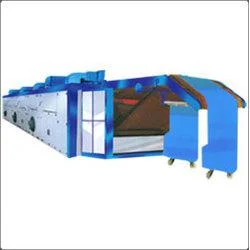
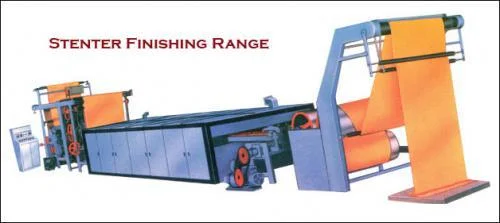
Stenter Machines: These machines are widely used for drying and setting the dimensions of fabrics. They ensure that textiles maintain their shape and are free of wrinkles after finishing.
Calendering Machines: Calenders are used to apply pressure and heat to fabrics, resulting in a smooth finish. They are ideal for producing high-gloss or embossed finishes on textiles.
Dyeing Machines: These specialized machines are designed for uniformly dyeing fabrics. They come with features that ensure even color distribution and minimize dye wastage.
Finishing Coating Machines: These machines apply functional coatings to fabrics, enhancing properties such as water repellency, flame retardance, or UV protection.
𝗕𝗲𝗻𝗲𝗳𝗶𝘁𝘀 𝗮𝗻𝗱 𝗔𝗱𝘃𝗮𝗻𝘁𝗮𝗴𝗲𝘀
Investing in textile finishing machinery provides numerous benefits that enhance the operational efficiency and product quality of businesses in the textile industry.
Key benefits include:
1. Improved Product Quality: Finishing machines enhance the aesthetic and functional qualities of textiles, resulting in higher customer satisfaction.
2. Increased Production Efficiency: Automation and advanced technology in these machines streamline processes, reducing production time and labor costs.
3. Versatility: Many finishing machines can handle a variety of fabrics and treatments, allowing manufacturers to diversify their product offerings.
4. Cost-Effectiveness: Energy-efficient models reduce operational costs, providing long-term savings for businesses.
5. Regulatory Compliance: Modern finishing machinery often meets industry standards, helping manufacturers comply with regulations and certifications.
6. Enhanced Sustainability: Many machines incorporate eco-friendly processes, supporting businesses in their sustainability goals.
𝗕𝘂𝘆𝗶𝗻𝗴 𝗚𝘂𝗶𝗱𝗲 𝗳𝗼𝗿 𝗕𝟮𝗕 𝗕𝘂𝘆𝗲𝗿𝘀
Sourcing textile finishing machinery requires careful consideration of several crucial factors to ensure the right investment for your business.
1. Quality Assessment: Evaluate the build quality and performance of the machinery. Look for manufacturers that adhere to industry standards and provide warranties.
2. Supplier Verification: Vet suppliers by checking their reputation, certifications, and customer reviews. Ensure they have a track record of reliability.
3. Pricing and MOQ: Understand the pricing structure and minimum order quantities required by suppliers. Compare costs across different providers to find competitive pricing.
4. Delivery and Lead Times: Inquire about delivery schedules and lead times to ensure that the machinery meets your production timelines. Timely delivery is essential for uninterrupted operations.
5. Compliance Requirements: Ensure that the machinery complies with relevant safety and environmental regulations in your region. This is critical for avoiding legal issues.
𝗖𝗼𝗺𝗽𝗹𝗶𝗮𝗻𝗰𝗲 𝗮𝗻𝗱 𝗖𝗲𝗿𝘁𝗶𝗳𝗶𝗰𝗮𝘁𝗶𝗼𝗻𝘀
Compliance and certifications are vital for textile finishing machinery, as they ensure quality and safety standards are met.
ISO 9001 is a widely recognized quality management standard that many manufacturers adhere to, ensuring consistent quality in their production processes.
CE certification indicates that the machinery meets European Union safety, health, and environmental protection requirements. This certification is essential for market entry in Europe.
Safety and testing requirements are critical, as they ensure machines operate safely and efficiently. Manufacturers must implement rigorous testing protocols for their products.
Regional compliance considerations may vary based on local regulations. Buyers should familiarize themselves with the specific compliance requirements in their markets.
𝗪𝗵𝘆 𝗦𝗼𝘂𝗿𝗰𝗲 𝗧𝗲𝘅𝘁𝗶𝗹𝗲 𝗙𝗶𝗻𝗶𝘀𝗵𝗶𝗻𝗴 𝗠𝗮𝗰𝗵𝗶𝗻𝗲𝗿𝘆 𝗳𝗿𝗼𝗺 𝗣𝗲𝗽𝗮𝗴𝗼𝗿𝗮?
Pepagora provides a trusted platform for sourcing textile finishing machinery, offering several key advantages to B2B buyers.
Verified Supplier Network: Pepagora collaborates with a network of verified suppliers, ensuring that buyers have access to high-quality machinery from reputable manufacturers.
Streamlined RFQ Process: The platform simplifies the request for quotation process, allowing buyers to easily compare prices and specifications from various suppliers.
Trade Assurance and Support: Pepagora offers trade assurance and buyer protection, giving businesses confidence in their transactions and reducing risks associated with procurement.
Regional Coverage: With a strong presence in India, the GCC, and Southeast Asia, Pepagora provides comprehensive support and access to suppliers in these key markets, facilitating seamless sourcing for textile finishing machinery.
Newly Added



Recently Added
Gowthami Eng Works
Industrial OEM Bushes Galvanized Surface Treatment Durable Mechanical Parts
Industrial Steel Brass Nuts Make To Order New Condition
Industrial Steel Bolts Standard Durable Reliable Fasteners
Gireesh Heat Exchangers & Cooling Towers
Industrial FRP Cooling Tower Bottle Shape 4C To 20C
Industrial Cooling Tower Spares High Quality Durable Performance
Industrial Copper Water Chillers For Food Processing And Plastics
Abstract Mannequins
Premium Male Seated Floor Mannequins For Retail Displays
Premium Male Mannequins In Realistic Sitting Poses For Retail Displays
Premium Wooden Garment Hangers Durable Lightweight Scratch Resistant
Footmac
Industrial Footwear Manufacturing Sole Attaching Machine For High Efficiency
Footwear Manufacturing EU 853 Boot Ironing Machine For Professional Finishing
Industrial EU 133 RE Activator Machine For Material Activation And Recycling
Delhi Steam System Co.
Industrial Boiler Heater 10 High Performance Durable Efficient
Industrial Boiler Heaters For High Performance Applications
Industrial Boiler Heaters For Reliable Performance In Multiple Sizes
Bharath Fushing
Textile Printing Machines High Volume Chest Printers 4 12 Colors
Industrial T Shirt Printing Machine For High Volume Production
Industrial Screen Printing Machines For High Quality Peripheral Printing
Madhu Industrial Fabrics
Industrial Silicone Rubber Coated Glass Cloth Heat Resistant Durable
Industrial PTFE Anti Static Glass Cloth Heat Resistant Packaging
Premium 2 Ply Conveyor Belts For Band Sealers Adjustable Speed
Datar Enterprises, Surat
Premium Colored Cotton Yarns For Textiles Knitting Weaving
Unstitched Cotton Dress Material For Ethnic Western Wear
Premium Designer Dress Materials Unique Patterns Vibrant Colors
Hardik Enterprise
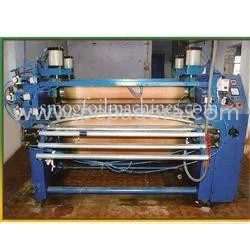
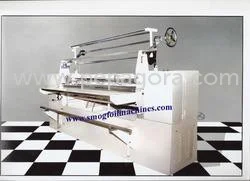
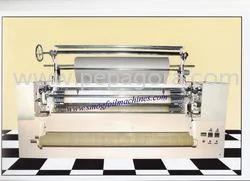
Industrial Bullet Pleating Machine For Automotive And Machinery Sectors
Industrial Hazaro Pleating Machine With Dual 1 HP DC Motors For Textiles
Industrial Pleating Machine For Hot Setting Chemical Blend Fabrics
Exolloys Engineering Pvt Ltd
Textile Manufacturing ColorSoft Soft Flow Dyeing Machine Industrial Grade
Industrial U Shape Fabric Dyeing Machine 5 50kg Water Saving
Textile Dyeing Machine Riviera Eco+ Low Liquor Ratio Energy Efficient
Why Businesses Trust Pepagora
Thousands of companies trust Pepagora to source smarter and sell faster
Expand Your Sales Globally
25000+Products listed.Get discovered by global buyers
Tools to boost visibility
Build your own catalog

Source Smarter,Grow Faster
4000+Active RFQs
100+ Countries served
Easy Sourcing Tools
