
 IN
INundefined
Takeaway Food Packaging
7 products available
𝗪𝗵𝗮𝘁 𝗮𝗿𝗲 𝗧𝗮𝗸𝗲𝗮𝘄𝗮𝘆 𝗙𝗼𝗼𝗱 𝗣𝗮𝗰𝗸𝗮𝗴𝗶𝗻𝗴?
Takeaway food packaging refers to the various materials and containers used to package food for takeout or delivery. This packaging is designed to be functional, ensuring that food remains fresh, secure, and appealing during transport. It encompasses a wide range of products including boxes, bags, and containers made from materials like paper, plastic, and biodegradable substances.
The primary use of takeaway food packaging is in the food service industry, where restaurants, cafes, and catering services rely on it to provide customers with convenient meal options. These packages not only serve to protect the food during transit but also play a crucial role in branding, as they often feature logos and designs that enhance the customer experience. The increasing demand for takeout options, especially in urban areas, has led to a significant growth in the takeaway food packaging market.
In recent years, the relevance of takeaway food packaging has surged, driven by a shift in consumer behavior towards convenience and on-the-go dining. Additionally, sustainability trends are influencing the industry, as businesses seek eco-friendly packaging solutions that align with consumer preferences for environmentally responsible practices. This has led manufacturers to innovate and develop a variety of options that cater to both functionality and environmental considerations.
𝗞𝗲𝘆 𝗙𝗲𝗮𝘁𝘂𝗿𝗲𝘀 𝗮𝗻𝗱 𝗦𝗽𝗲𝗰𝗶𝗳𝗶𝗰𝗮𝘁𝗶𝗼𝗻𝘀
Takeaway food packaging comes with a range of features designed to meet the needs of both food vendors and consumers. These specifications ensure that the packaging is effective in preserving food quality while also being user-friendly.
Key specifications include:
1. Material Type
- Common materials include paper, plastic, and biodegradable options.
- Each material type has unique properties affecting insulation, durability, and environmental impact.
2. Size and Capacity
- Packaging is available in various sizes to accommodate different types of food items.
- Sizes range from small containers for side dishes to large boxes for complete meals.
3. Temperature Resistance
- Packaging must withstand various temperatures to keep food hot or cold as required.
- Specific temperature ranges vary by packaging type and material.
4. Sealability
- Effective takeaway packaging features secure closures to prevent spills and maintain freshness.
- Options may include lids, adhesive seals, or foldable designs.
5. Customization Options
- Many manufacturers offer customizable packaging to align with branding efforts.
- Customization can include colors, logos, and special designs.
6. Eco-Friendliness
- An increasing number of options are available in biodegradable or recyclable materials.
- This feature caters to the growing demand for sustainable packaging solutions.
7. Cost-Effectiveness
- Pricing varies based on material, size, and customization, allowing for budget-friendly options.
- Bulk purchasing often results in lower per-unit costs.
8. Compliance with Food Safety Standards
- Packaging must meet regulatory requirements for food safety and hygiene.
- Compliance ensures safe transport and consumption of food products.
In summary, takeaway food packaging is characterized by its diverse material options, sizes, and features that cater to the evolving demands of the food service industry. Businesses can select packaging that aligns with their operational needs and consumer preferences.
𝗖𝗼𝗺𝗺𝗼𝗻 𝗔𝗽𝗽𝗹𝗶𝗰𝗮𝘁𝗶𝗼𝗻𝘀 𝗮𝗻𝗱 𝗨𝘀𝗲 𝗖𝗮𝘀𝗲𝘀
Takeaway food packaging serves a multitude of industries beyond just restaurants and cafes. Its versatility allows it to be used in various contexts.
1. Restaurants: Many establishments utilize takeaway packaging for customers ordering food for pickup or delivery. This includes everything from pizza boxes to portioned containers for salads.
2. Food Trucks: Mobile food vendors rely on efficient packaging solutions that are easy to transport and consume while on the move. Lightweight and durable options are favored.
3. Catering Services: Catering companies use various packaging types to serve large quantities of food for events. This can include platters, insulated containers, and portioned boxes.
4. Grocery Stores: Prepared meal sections in grocery stores employ takeaway packaging to sell ready-to-eat meals. This packaging must maintain freshness and appeal to consumers.
5. Cafés and Coffee Shops: Many cafés offer pastries, sandwiches, and beverages in takeaway packaging for customers on the go. Packaging needs to be convenient and often customizable.
6. Meal Kit Services: These services package ingredients and instructions for home cooking, requiring durable and insulated packaging for delivery.
7. Bakeries: Bakeries use specialized packaging to protect delicate items like cakes and pastries, ensuring they arrive intact and fresh.
𝗣𝗿𝗼𝗱𝘂𝗰𝘁 𝗩𝗮𝗿𝗶𝗮𝗻𝘁𝘀 𝗮𝗻𝗱 𝗦𝘂𝗯𝗰𝗮𝘁𝗲𝗴𝗼𝗿𝗶𝗲𝘀
Takeaway food packaging comes in various forms to meet diverse needs across industries.
Paper Containers
These are commonly used for hot and cold items. They are biodegradable and can be printed with branding. Paper containers are popular for salads, rice bowls, and snacks.
Plastic Containers
These containers are often used for their durability and moisture resistance. They are available in various sizes and shapes, suitable for everything from salads to entrees.
Biodegradable Options
With the rise of eco-conscious consumers, biodegradable packaging made from materials like cornstarch or sugarcane is gaining popularity. This variant appeals to businesses focusing on sustainability.
Foil Packaging
This type is excellent for retaining heat and is often used for takeout meals. Foil containers are suitable for foods that need to be kept warm and fresh during transit.
𝗕𝗲𝗻𝗲𝗳𝗶𝘁𝘀 𝗮𝗻𝗱 𝗔𝗱𝘃𝗮𝗻𝘁𝗮𝗴𝗲𝘀
Choosing the right takeaway food packaging provides numerous benefits to businesses.
1. Enhanced Food Preservation: Quality packaging helps maintain temperature and freshness, ensuring that food arrives in optimal condition.
2. Branding Opportunity: Customizable packaging allows businesses to reinforce their brand identity, creating a memorable customer experience.
3. Convenience for Customers: Well-designed takeaway packaging makes it easy for consumers to transport and consume food, enhancing satisfaction.
4. Cost-Effective Solutions: Bulk purchasing and a variety of options enable businesses to find packaging solutions that fit their budgets.
5. Eco-Friendly Choices: Sustainable packaging options appeal to environmentally conscious consumers, helping businesses align with current trends.
6. Compliance Assurance: Proper packaging ensures adherence to food safety regulations, reducing the risk of liability for businesses.
𝗕𝘂𝘆𝗶𝗻𝗴 𝗚𝘂𝗶𝗱𝗲 𝗳𝗼𝗿 𝗕𝟮𝗕 𝗕𝘂𝘆𝗲𝗿𝘀
When sourcing takeaway food packaging, various factors must be considered to make informed decisions.
1. Quality Assessment: Ensure that the packaging meets industry standards for food safety and durability. Look for certifications and reviews from other businesses.
2. Supplier Verification: Vet potential suppliers by checking their reputation, product quality, and compliance with regulations. This step helps ensure reliable sourcing.
3. Pricing and MOQ: Understand the cost structure and minimum order quantities. Compare pricing across suppliers to find the best value for your needs.
4. Delivery and Lead Times: Consider the logistics involved, including shipping times and delivery reliability. Timely delivery is crucial for maintaining your business operations.
5. Compliance Requirements: Ensure that the packaging complies with local regulations regarding food safety and environmental standards. This step protects your business and customers.
𝗖𝗼𝗺𝗽𝗹𝗶𝗮𝗻𝗰𝗲 𝗮𝗻𝗱 𝗖𝗲𝗿𝘁𝗶𝗳𝗶𝗰𝗮𝘁𝗶𝗼𝗻𝘀
Compliance and certifications play a critical role in takeaway food packaging. Various quality standards are relevant to ensure safety and effectiveness.
ISO 9001: This standard focuses on quality management systems, ensuring that manufacturers maintain consistent quality in their production processes.
HACCP: The Hazard Analysis Critical Control Point system is essential for identifying and managing food safety risks throughout the supply chain.
CE Certification: This certification indicates that the packaging meets European safety, health, and environmental protection standards.
Safety testing requirements are also crucial, as they ensure that materials are safe for food contact and do not leach harmful substances.
Additionally, regional compliance considerations vary by market, necessitating an understanding of local regulations that may affect packaging choices.
𝗪𝗵𝘆 𝗦𝗼𝘂𝗿𝗰𝗲 𝗧𝗮𝗸𝗲𝗮𝘄𝗮𝘆 𝗙𝗼𝗼𝗱 𝗣𝗮𝗰𝗸𝗮𝗴𝗶𝗻𝗴 𝗳𝗿𝗼𝗺 𝗣𝗲𝗽𝗮𝗴𝗼𝗿𝗮?
Pepagora provides a trusted platform for sourcing takeaway food packaging, offering several key advantages to businesses.
Verified Supplier Network: Pepagora connects buyers with a network of verified suppliers. This ensures that businesses can find reliable partners who meet quality and compliance standards.
Streamlined RFQ Process: The request for quotation (RFQ) process is designed to be efficient, allowing buyers to easily compare options and negotiate terms with suppliers.
Trade Assurance and Support: Pepagora offers trade assurance to protect buyers throughout the purchasing process. This support helps mitigate risks associated with sourcing.
Regional Coverage: With a strong presence in India, the GCC, and Southeast Asia, Pepagora provides access to a wide range of suppliers and products, making it easier for businesses to find the right takeaway food packaging solutions for their needs.
Newly Added



Recently Added
Archana Paper Packaging
Bulk Premium Plastic Spoons And Forks Food Grade Utensils
Designer Straws And Cocktail Umbrellas Premium Quality Bulk
Premium Paper Cups For Offices Cafes Events Hospitality
Athena Superpack Private Limited
Premium Metal Card Holders For Business Gifting And Professional Use
Disposable Plastic Meal Trays Bulk Eco Friendly Durable
Industrial Biodegradable Garbage Bags Durable Eco Friendly
Adesh Traders
Semi Automatic Double Die Thali Making Machine For Efficient Plate Production
Fully Automatic Single Die Thali Machine For High Volume Production
High Speed Plastic Disposable Cup Machine Automated Production
Bee Bee Aar Ess
Industrial Brass Brushes for Metal Cleaning, Rust Removal, and Maintenance
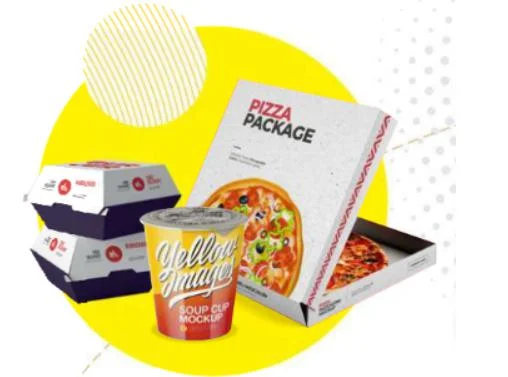
Food Delivery Packaging Boxes For Pizza And Takeaway
Printed Calendars Premium Quality Single Sheet Multi Sheet Table
Arrow Paper Products
Premium Printed Carry Bags For Retail And Events With Eco Friendly Materials
Industrial Machine Made Envelopes For Secure Packaging And Shipping
Professional ID Card Printing Services Waterproof Durable
Classsic Cards
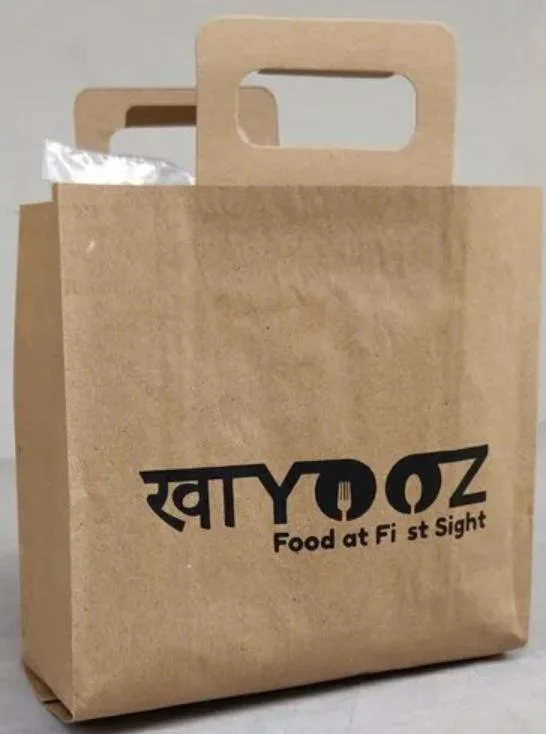
Retail Eco Friendly Paper Bags For Gifting And Branding
Luxury Rigid Boxes For Jewelry Cosmetics Electronics Premium Packaging
Restaurant Bakery Cafe Food Grade Packaging Boxes For Hot Cold Food Delivery Takeaway
R.K.Poly Products
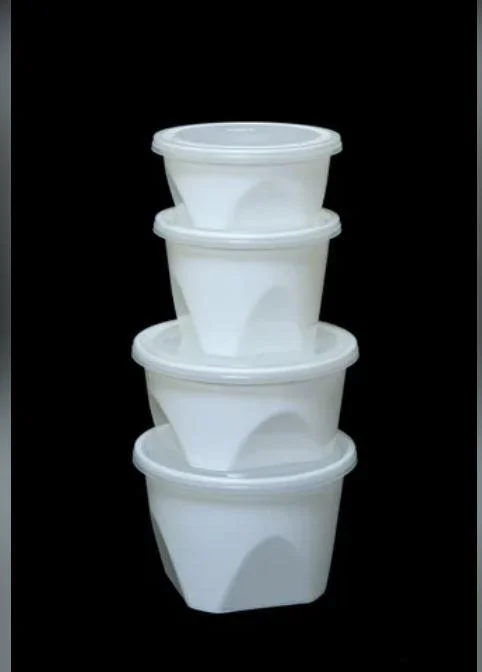
Restaurant & Home 1000 ML Round Food Storage Container Microwave Safe
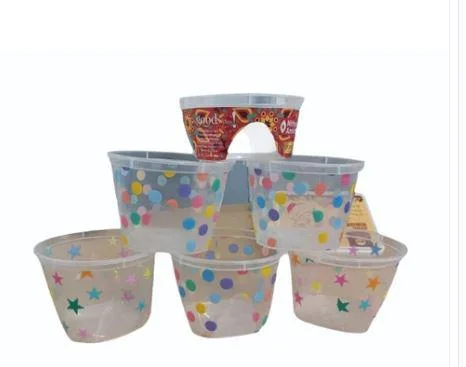
IML Plastic Food Container With Multi Color PP Printing For Commercial Use
Food Service Disposable Plastic Food Container With In Mould Label
Why Businesses Trust Pepagora
Thousands of companies trust Pepagora to source smarter and sell faster
Expand Your Sales Globally
25000+Products listed.Get discovered by global buyers
Tools to boost visibility
Build your own catalog

Source Smarter,Grow Faster
4000+Active RFQs
100+ Countries served
Easy Sourcing Tools
