
 IN
INundefined
Systemic Insecticides
11 products available
𝗪𝗵𝗮𝘁 𝗮𝗿𝗲 𝗦𝘆𝘀𝘁𝗲𝗺𝗶𝗰 𝗜𝗻𝘀𝗲𝗰𝘁𝗶𝗰𝗶𝗱𝗲𝘀?
Systemic insecticides are a category of pesticides designed to be absorbed by plants, providing internal protection against various insect pests. Unlike traditional insecticides that act on contact, systemic insecticides travel through the plant's vascular system, offering a more thorough and long-lasting defense. This mode of action allows the insecticide to protect not only the treated surfaces but also the plant's internal tissues, making it effective against a range of pests that may feed on the plant.
These products are commonly used in agriculture, horticulture, and landscape management. They are particularly beneficial for crops that are prone to infestations by sap-sucking insects such as aphids and whiteflies. By integrating systemic insecticides into pest management strategies, businesses can reduce the frequency of applications, minimize labor costs, and enhance overall crop health. The relevance of systemic insecticides in today's market is underscored by the increasing demand for efficient and sustainable pest control solutions, as well as the growing emphasis on food safety and environmental stewardship.
𝗞𝗲𝘆 𝗙𝗲𝗮𝘁𝘂𝗿𝗲𝘀 𝗮𝗻𝗱 𝗦𝗽𝗲𝗰𝗶𝗳𝗶𝗰𝗮𝘁𝗶𝗼𝗻𝘀
Systemic insecticides offer a variety of features and specifications that cater to different agricultural needs. Their effectiveness and ease of use make them a preferred choice for many growers.
Key specifications include:
1. Absorption Rate
- Indicates how quickly the product is absorbed by the plant
- Typically ranges from a few hours to several days depending on the formulation
2. Residual Efficacy
- Measures how long the insecticide remains effective after application
- Can vary from weeks to several months based on environmental conditions
3. Target Pest Spectrum
- Lists the types of insects the product is effective against
- Common targets include aphids, leafhoppers, and beetles
4. Application Methods
- Describes how the product can be applied, such as soil drench or foliar spray
- Flexibility in application can enhance user convenience
5. Environmental Impact
- Provides information on the product's toxicity to non-target organisms
- Emphasizes eco-friendliness and safety measures
6. Compatibility with Other Inputs
- Indicates whether the product can be used with fertilizers or other pesticides
- Ensures versatility in integrated pest management programs
7. Storage Conditions
- Details recommended storage temperatures and conditions
- Important for maintaining product efficacy over time
In summary, the specifications of systemic insecticides highlight their versatility, effectiveness, and the importance of proper application to maximize their benefits.
𝗖𝗼𝗺𝗺𝗼𝗻 𝗔𝗽𝗽𝗹𝗶𝗰𝗮𝘁𝗶𝗼𝗻𝘀 𝗮𝗻𝗱 𝗨𝘀𝗲 𝗖𝗮𝘀𝗲𝘀
Systemic insecticides are applied across various industries to manage pest populations effectively.
1. Agriculture: In crop production, systemic insecticides protect against a wide range of pests, ensuring higher yields and better quality produce. They are particularly useful for high-value crops that are susceptible to extensive damage.
2. Horticulture: Gardeners and landscapers utilize systemic insecticides to safeguard ornamental plants and flowers from damaging pests. This helps maintain aesthetic value and plant health.
3. Forestry: In forestry management, systemic insecticides are employed to protect trees from invasive species that threaten forest health. Effective pest control is crucial for sustainable forest management.
4. Turf Management: Sports fields and lawns benefit from systemic insecticides to control pests that can weaken grass and reduce playability. This ensures healthier turf and improved aesthetics.
5. Greenhouses: Within controlled environments, systemic insecticides help manage pests that can quickly proliferate. Their use minimizes the risk of outbreaks and protects sensitive plants.
6. Vineyards: Systemic insecticides are critical in vineyards for managing pests that can adversely affect grape quality. They support healthy vine growth and fruit production.
7. Nurseries: Plant nurseries utilize systemic insecticides to ensure young plants are protected during their growth stages, contributing to successful plant sales.
𝗣𝗿𝗼𝗱𝘂𝗰𝘁 𝗩𝗮𝗿𝗶𝗮𝗻𝘁𝘀 𝗮𝗻𝗱 𝗦𝘂𝗯𝗰𝗮𝘁𝗲𝗴𝗼𝗿𝗶𝗲𝘀
Systemic insecticides come in various formulations to cater to different agricultural needs.
Granular Systemic Insecticides: These products are designed for soil application and provide long-lasting protection from below ground. They are easy to use and ideal for crops that require root protection.
Liquid Systemic Insecticides: Typically used for foliar application, these formulations allow for quick absorption by plant leaves. They are suitable for immediate pest control in high-pressure situations.
Concentrated Solutions: These variants require dilution before application. They offer flexibility in terms of application rates and are often preferred for large-scale agricultural operations.
Pre-Mixed Formulations: Ready-to-use solutions that combine systemic insecticides with other beneficial components, such as fertilizers or growth enhancers. These save time and labor in pest management practices.
𝗕𝗲𝗻𝗲𝗳𝗶𝘁𝘀 𝗮𝗻𝗱 𝗔𝗱𝘃𝗮𝗻𝘁𝗮𝗴𝗲𝘀
Using systemic insecticides offers several key benefits that make them an attractive choice for pest control.
1. Enhanced Efficacy: Systemic insecticides provide thorough protection by acting internally within the plant, reducing the likelihood of pest resistance.
2. Long-Lasting Protection: The residual efficacy of these products ensures prolonged pest control, minimizing the need for frequent applications.
3. Targeted Action: With a focus on specific pests, systemic insecticides reduce harm to beneficial insects and promote ecological balance in the environment.
4. Reduced Labor Costs: The efficiency of systemic insecticides can lead to lower labor costs, as fewer applications are needed compared to traditional insecticides.
5. Improved Crop Yield: By effectively managing pest populations, these insecticides contribute to healthier crops and higher yields, benefiting agricultural businesses.
6. Versatility: Systemic insecticides can be used in various environments, from agriculture to landscaping, providing broad applications across different sectors.
𝗕𝘂𝘆𝗶𝗻𝗴 𝗚𝘂𝗶𝗱𝗲 𝗳𝗼𝗿 𝗕𝟮𝗕 𝗕𝘂𝘆𝗲𝗿𝘀
When sourcing systemic insecticides, it is important to consider several factors to ensure the best outcomes for your business.
1. Quality Assessment: Evaluate products based on efficacy, formulation, and results from field trials. Quality assurance is crucial for achieving desired pest control outcomes.
2. Supplier Verification: Research suppliers to confirm their reliability and reputation in the industry. Look for certifications and customer reviews to gauge their service quality.
3. Pricing and MOQ: Understand the pricing structure and minimum order quantities (MOQ) required by suppliers. This helps in budgeting and ensuring adequate stock levels.
4. Delivery and Lead Times: Inquire about logistics, including shipping times and delivery reliability. Timely delivery is essential to maintain pest management schedules.
5. Compliance Requirements: Be aware of any regulatory standards applicable to systemic insecticides in your region. Ensure that products meet safety and environmental regulations to avoid legal issues.
𝗖𝗼𝗺𝗽𝗹𝗶𝗮𝗻𝗰𝗲 𝗮𝗻𝗱 𝗖𝗲𝗿𝘁𝗶𝗳𝗶𝗰𝗮𝘁𝗶𝗼𝗻𝘀
Systemic insecticides must meet several compliance and certification standards to ensure safety and effectiveness. Adhering to quality standards like ISO 9001 ensures that manufacturers follow consistent processes to deliver quality products. Additionally, certifications such as CE signify that the products meet European safety and health requirements.
Safety and testing requirements are vital components of the compliance process. Systemic insecticides undergo rigorous testing to assess their impact on human health and the environment. This includes evaluations of toxicity and environmental safety.
Regional compliance considerations can vary significantly. Different countries may have specific regulations governing the use and sale of pesticides, necessitating attention to local laws. This compliance ensures that the products used are safe, effective, and legal in the regions where they are applied.
𝗪𝗵𝘆 𝗦𝗼𝘂𝗿𝗰𝗲 𝗦𝘆𝘀𝘁𝗲𝗺𝗶𝗰 𝗜𝗻𝘀𝗲𝗰𝘁𝗶𝗰𝗶𝗱𝗲𝘀 𝗳𝗿𝗼𝗺 𝗣𝗲𝗽𝗮𝗴𝗼𝗿𝗮?
Pepagora provides a trusted platform for sourcing systemic insecticides with several key advantages that help businesses make informed purchasing decisions.
Verified Supplier Network: Pepagora connects buyers with a network of verified suppliers who meet stringent quality and compliance standards. This ensures that businesses receive reliable products.
Streamlined RFQ Process: The platform simplifies the request for quotation (RFQ) process, allowing buyers to quickly compare prices and terms from various suppliers. This efficiency saves time and facilitates better decision-making.
Trade Assurance and Support: Pepagora offers buyer protection through trade assurance services, ensuring that transactions are secure and that buyers receive the products as promised. Support services help address any concerns throughout the purchasing process.
Regional Coverage: With a strong presence in key markets such as India, the GCC, and Southeast Asia, Pepagora ensures that buyers can access quality systemic insecticides tailored to their regional needs. This geographic reach supports diverse agricultural practices and pest management strategies.
Newly Added


Recently Added
Anmol Biotech Private Limited
Projeel Pesticides For Crop Protection Pest Control Agriculture
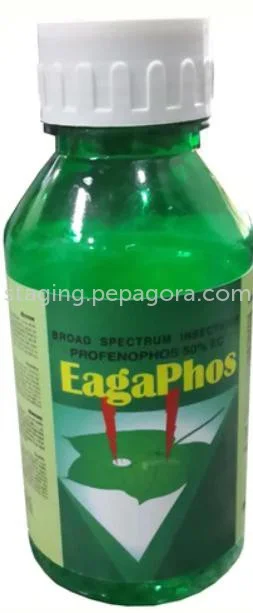
Agricultural Insecticide Profenofos 50% Broad Spectrum Pest Control
Agricultural Pesticides For Crop Protection And Pest Management
Akola Chemicals (India) Ltd
WHO GMP ORS Production Unit 125 MT Annual Capacity Loan License
Ointment Manufacturing Plant 300 Metric Tons Annually Third Party Loan License
Premium Plant Growth Enhancer With Hydrolysed Proteins For Higher Crop Yields
Kothari Phyto Chemicals International
High Purity Strychnine Alkaloid Powder For Pharmaceuticals And Rodenticides
Industrial Denaturant Brucine Sulphate High Purity Crystals Powder
Sennosides A & B 55 65 USP Powder For Laxative Formulations
Adisan Laboratories
Adisan Laboratories Pharmaceutical Raw Materials And Chemicals Since 1998
Agricultural Deltamethrin 1.25% EC Insecticide For Crop Protection
Veterinary Fipronil 0.25% Spray For Dogs And Cats Flea Tick Control
Atkotiya Agro Technologies
Organic Protein Plant Nutrition For Enhanced Crop Growth
Organic Protein Mineral Complex For Enhanced Crop Growth And Yield
Crop Verdant Organic Fungicide 5% Citrus Extract For Healthy Yields
Eagle Plant Protect Private Limited
Eagatra Thiamethoxam Insecticide For Cotton Rice Vegetables Pulses
Cygale Cypermethrin Insecticide For Cotton Vegetables Field Crops
Procygle Super Profenofos Cypermethrin Insecticide For Cotton Paddy Vegetables
Vision Agro Biotech
Vision Agro Biotech ADVANCE LIFE Plant Growth Booster 100g Flowering & Fruiting Enhancer
Vision Agro Biotech ADVANCE LIFE Plant Growth Booster 100g for Vegetables Fruits Flowers
Vision Agro Biotech ALL IN ONE Plant Tonic 5 ML Organic Growth Enhancer
Agastya Bio-Tech
A Mix Herbicide For Transplanted Paddy Early Post Emergent Weed Control
Aalprit Pre Emergent Herbicide For Transplanted Paddy Weed Control
Agastya Aalquit 24% Paraquat Dichloride SL Herbicide For Preplant Weed Control
Why Businesses Trust Pepagora
Thousands of companies trust Pepagora to source smarter and sell faster
Expand Your Sales Globally
25000+Products listed.Get discovered by global buyers
Tools to boost visibility
Build your own catalog

Source Smarter,Grow Faster
4000+Active RFQs
100+ Countries served
Easy Sourcing Tools
