
 IN
INundefined
Sweet Corn
1 products available
𝗪𝗵𝗮𝘁 𝗮𝗿𝗲 𝗦𝘄𝗲𝗲𝘁 𝗖𝗼𝗿𝗻?
Sweet corn is a variety of maize that is known for its high sugar content, making it sweeter and more tender than regular field corn. This type of corn is typically harvested when the kernels are in their milk stage, allowing for optimal sweetness and flavor. Sweet corn is often consumed fresh, frozen, or canned, and it plays a significant role in culinary applications across various cultures.
In the B2B context, sweet corn is commonly used in the food processing industry, catering, and wholesale food distribution. It serves as a key ingredient in products such as canned corn, frozen corn, and processed foods like soups and salads. Sweet corn's versatility also makes it a popular choice among restaurants and food manufacturers who seek to enhance the taste and nutritional value of their offerings. The demand for sweet corn is steadily increasing due to its popularity among consumers looking for healthy and convenient food options.
As the market for sweet corn continues to grow, suppliers are focusing on quality and sustainability to meet the needs of businesses. With the rise of organic farming and health-conscious consumers, sweet corn is becoming a staple in various sectors, including retail, food service, and export markets.
𝗞𝗲𝘆 𝗙𝗲𝗮𝘁𝘂𝗿𝗲𝘀 𝗮𝗻𝗱 𝗦𝗽𝗲𝗰𝗶𝗳𝗶𝗰𝗮𝘁𝗶𝗼𝗻𝘀
Sweet corn is characterized by several key features that make it an attractive product for B2B buyers. Understanding these specifications is essential for making informed purchasing decisions.
Key specifications include:
1. Sugar Content
- Sweet corn typically has a higher sugar content than field corn, contributing to its sweet flavor.
- The sugar level can range from 6% to 10%, depending on the variety and growing conditions.
2. Kernel Size
- The size of sweet corn kernels can vary, affecting cooking times and texture.
- Average kernel sizes range from 0.5 to 1 inch in length.
3. Color
- Sweet corn kernels can be yellow, white, or bi-color, each appealing to different consumer preferences.
- Color does not affect taste but can influence marketability.
4. Harvest Time
- Sweet corn is usually harvested within 18 to 24 days after silking.
- Timing affects freshness and sweetness, crucial for quality.
5. Storage Conditions
- Proper storage requires cool temperatures and controlled humidity to maintain flavor and texture.
- Ideal storage temperature is between 32°F and 40°F.
6. Shelf Life
- Fresh sweet corn has a shelf life of about 5 to 10 days under optimal conditions.
- Frozen or canned sweet corn can last for several months to years.
7. Nutritional Content
- Sweet corn is a source of vitamins A, B, and C, as well as dietary fiber.
- Nutritional benefits make it a desirable ingredient for health-focused products.
8. Certifications
- Compliance with food safety standards and certifications, like CE, ensures product quality.
- Certification can impact market access and consumer trust.
Sweet corn's features and specifications are critical for buyers to evaluate quality and suitability for their specific needs.
𝗖𝗼𝗺𝗺𝗼𝗻 𝗔𝗽𝗽𝗹𝗶𝗰𝗮𝘁𝗶𝗼𝗻𝘀 𝗮𝗻𝗱 𝗨𝘀𝗲 𝗖𝗮𝘀𝗲𝘀
Sweet corn serves various industries, making it a versatile ingredient in many applications.
1. Food Processing: Sweet corn is widely used in the production of canned and frozen foods, providing convenience and flavor to processed meals.
2. Restaurants: Many restaurants use sweet corn in salads, soups, and side dishes to enhance the taste and nutritional profile of their offerings.
3. Snacks: The snack food industry utilizes sweet corn in products like corn chips and popped corn, appealing to consumers seeking flavorful snacks.
4. Animal Feed: Sweet corn byproducts, such as silage, are utilized in animal feed, benefiting livestock nutrition.
5. Frozen Foods: Frozen sweet corn is a popular item in grocery stores, offering consumers a quick and nutritious option for meals.
6. Catering: Catering services incorporate sweet corn into their menus, providing a popular choice for events and gatherings.
7. Export Markets: Sweet corn is exported to various countries, fulfilling international demand and expanding market reach.
𝗣𝗿𝗼𝗱𝘂𝗰𝘁 𝗩𝗮𝗿𝗶𝗮𝗻𝘁𝘀 𝗮𝗻𝗱 𝗦𝘂𝗯𝗰𝗮𝘁𝗲𝗴𝗼𝗿𝗶𝗲𝘀
Sweet corn is available in different variants, each catering to specific market needs.
Fresh Sweet Corn: This variant is harvested and sold directly to consumers or businesses. It is known for its sweet flavor and tenderness. Fresh sweet corn is ideal for immediate consumption or use in recipes.
Frozen Sweet Corn: This variant is blanched and quickly frozen to preserve its sweetness and nutritional value. It is convenient for food manufacturers and restaurants looking for long shelf life and easy preparation.
Canned Sweet Corn: Canned sweet corn is processed and sealed in containers, making it a shelf-stable option. It is commonly used by food service establishments and in ready-to-eat meals.
𝗕𝗲𝗻𝗲𝗳𝗶𝘁𝘀 𝗮𝗻𝗱 𝗔𝗱𝘃𝗮𝗻𝘁𝗮𝗴𝗲𝘀
Sweet corn offers several key benefits that make it an attractive choice for B2B buyers.
1. Nutritional Value: Sweet corn is rich in vitamins and minerals, providing essential nutrients that appeal to health-conscious consumers.
2. Versatility: It can be used in various culinary applications, from salads to snacks, making it suitable for multiple industries.
3. Convenience: Frozen and canned options offer extended shelf life and ease of preparation, catering to busy kitchens and food manufacturers.
4. Market Demand: Increasing consumer interest in healthy and convenient foods boosts the market for sweet corn, making it a reliable product for suppliers.
5. Flavor Profile: Its sweet taste enhances the flavor of dishes, making it a popular choice among chefs and food producers.
6. Sustainable Sourcing: Many suppliers are adopting sustainable farming practices, appealing to environmentally conscious buyers.
𝗕𝘂𝘆𝗶𝗻𝗴 𝗚𝘂𝗶𝗱𝗲 𝗳𝗼𝗿 𝗕𝟮𝗕 𝗕𝘂𝘆𝗲𝗿𝘀
When sourcing sweet corn, buyers should consider several important factors to ensure quality and reliability.
1. Quality Assessment: Evaluate the corn's sweetness, texture, and appearance. Freshness is key, so inspect for firmness and color consistency.
2. Supplier Verification: Vet suppliers for reliability and trustworthiness. Check for certifications and customer reviews to ensure they meet industry standards.
3. Pricing and MOQ: Understand pricing structures and minimum order quantities. Compare quotes from multiple suppliers to secure the best deal.
4. Delivery and Lead Times: Confirm logistics and lead times to ensure timely delivery. Consider the supplier’s capacity to meet your demand.
5. Compliance Requirements: Be aware of regulatory standards relevant to food safety. Ensure that suppliers comply with necessary certifications and quality standards.
𝗖𝗼𝗺𝗽𝗹𝗶𝗮𝗻𝗰𝗲 𝗮𝗻𝗱 𝗖𝗲𝗿𝘁𝗶𝗳𝗶𝗰𝗮𝘁𝗶𝗼𝗻𝘀
Compliance and certifications are crucial for ensuring the quality and safety of sweet corn.
Sweet corn should adhere to relevant quality standards such as ISO 9001, which ensures consistent quality management systems. Compliance with HACCP (Hazard Analysis Critical Control Point) principles is essential to manage food safety risks during production and processing.
Industry certifications like CE signify that sweet corn products meet health, safety, and environmental protection standards. These certifications can enhance marketability and consumer trust.
Additionally, safety and testing requirements are vital for ensuring that sweet corn is free from contaminants and meets nutritional claims. Regional compliance considerations may vary, so it is important to stay updated on local regulations that govern food products.
𝗪𝗵𝘆 𝗦𝗼𝘂𝗿𝗰𝗲 𝗦𝘄𝗲𝗲𝘁 𝗖𝗼𝗿𝗻 𝗳𝗿𝗼𝗺 𝗣𝗲𝗽𝗮𝗴𝗼𝗿𝗮?
Pepagora provides a trusted platform for sourcing sweet corn, offering several key advantages for B2B buyers.
Verified Supplier Network: Pepagora connects buyers with verified suppliers who meet strict quality standards. This network helps ensure that buyers receive high-quality products consistently.
Streamlined RFQ Process: The platform simplifies the request for quotation process, allowing buyers to easily compare offers from multiple suppliers, saving time and effort.
Trade Assurance and Support: Pepagora offers buyer protection through trade assurance, ensuring that transactions are secure and that buyers receive the products they ordered.
Regional Coverage: With a focus on markets in India, the GCC, and Southeast Asia, Pepagora provides extensive geographic reach, facilitating trade and access to quality sweet corn globally.


Recently Added
Eamkay Industries
Arecanut Gorabalu Polishing Machine For Farmers And Traders
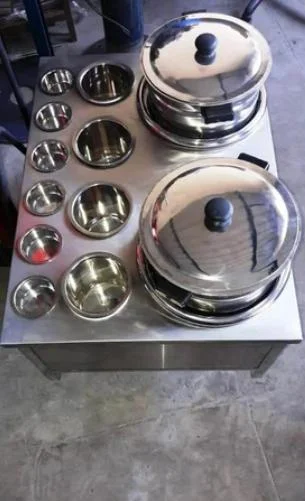
Commercial Sweet Corn Steamer Machine Compact Stainless Steel Energy Saving
Commercial Steam Sweet Corn Machine for Food Stalls and Events
Why Businesses Trust Pepagora
Thousands of companies trust Pepagora to source smarter and sell faster
Expand Your Sales Globally
25000+Products listed.Get discovered by global buyers
Tools to boost visibility
Build your own catalog

Source Smarter,Grow Faster
4000+Active RFQs
100+ Countries served
Easy Sourcing Tools
