
 IN
INundefined
Surveying Compasses
3 products available
𝗪𝗵𝗮𝘁 𝗮𝗿𝗲 𝗦𝘂𝗿𝘃𝗲𝘆𝗶𝗻𝗴 𝗖𝗼𝗺𝗽𝗮𝘀𝘀𝗲𝘀?
Surveying compasses are precision instruments used primarily for determining directions and measuring angles in surveying and navigation tasks. They function by utilizing magnetic fields to indicate cardinal directions, providing surveyors with accurate orientation for land measurement and construction projects. The design typically includes a magnetic needle that aligns itself with the Earth's magnetic field, housed within a transparent casing to allow for easy reading.
These instruments are essential in various business applications, including civil engineering, land surveying, and construction. They help professionals establish property boundaries, create topographical maps, and ensure that structures are built according to specified plans. The relevance of surveying compasses extends across industries, including real estate, agriculture, and environmental management, where precise measurements are crucial for project success.
𝗞𝗲𝘆 𝗙𝗲𝗮𝘁𝘂𝗿𝗲𝘀 𝗮𝗻𝗱 𝗦𝗽𝗲𝗰𝗶𝗳𝗶𝗰𝗮𝘁𝗶𝗼𝗻𝘀
Surveying compasses come equipped with several key features that enhance their usability and effectiveness in various applications. They are designed for durability and precision, ensuring reliable performance in different environmental conditions.
Key specifications include:
1. Accuracy
- Typically within 1-2 degrees
- Ensures precise directional readings
2. Size
- Compact designs available for portability
- Common sizes range from 4 inches to 8 inches in diameter
3. Material
- Constructed from durable materials like brass or aluminum
- Weather-resistant finishes for outdoor use
4. Magnetic Variation Adjustment
- Allows for correction based on geographical location
- Helps in obtaining true north readings
5. Leveling Bubble
- Integrated feature for ensuring the compass is level
- Facilitates accurate angle measurements
6. Sight Vane
- Enhances targeting for accurate directional readings
- Ideal for long-range measurements
7. Graduation
- Markings typically in degrees for easy reading
- Some models include mils for military applications
8. Weight
- Lightweight options available for ease of use
- Standard weight ranges from 200 to 500 grams
These specifications are crucial for ensuring that surveying compasses meet the demands of professional users across various industries.
𝗖𝗼𝗺𝗺𝗼𝗻 𝗔𝗽𝗽𝗹𝗶𝗰𝗮𝘁𝗶𝗼𝗻𝘀 𝗮𝗻𝗱 𝗨𝘀𝗲 𝗖𝗮𝘀𝗲𝘀
Surveying compasses are utilized across multiple sectors, reflecting their versatility and importance in precision measurement.
1. Civil Engineering: Surveying compasses are used to establish site boundaries and align structures during construction projects, ensuring compliance with design specifications.
2. Land Surveying: Professionals rely on these instruments to measure land areas accurately, providing essential data for property development and urban planning.
3. Agriculture: Farmers use surveying compasses for land assessment and layout planning, optimizing crop placement and irrigation systems.
4. Environmental Management: These tools assist in mapping out natural resources and conducting environmental assessments, critical for conservation efforts.
5. Forestry: Surveying compasses help foresters navigate and manage forested areas, facilitating efficient resource management.
6. Mining: Surveyors in the mining industry use compasses to map mineral deposits and assess terrain, aiding in safe exploration and extraction.
7. Archaeology: Archaeologists employ surveying compasses to accurately document excavation sites and study historical landscapes.
𝗣𝗿𝗼𝗱𝘂𝗰𝘁 𝗩𝗮𝗿𝗶𝗮𝗻𝘁𝘀 𝗮𝗻𝗱 𝗦𝘂𝗯𝗰𝗮𝘁𝗲𝗴𝗼𝗿𝗶𝗲𝘀
Surveying compasses come in various designs to cater to different needs and preferences within the industry.
Standard Compass
This variant features a classic design with a magnetic needle and is suitable for general surveying tasks. Its simplicity makes it user-friendly for both novice and experienced users.
Prismatic Compass
This advanced version includes a prism for enhanced accuracy and visibility. It is often used in professional surveying to measure angles and directions with greater precision.
Digital Compass
Equipped with electronic components, this variant provides digital readings and may include additional features such as GPS integration and data logging for modern surveying applications.
𝗕𝗲𝗻𝗲𝗳𝗶𝘁𝘀 𝗮𝗻𝗱 𝗔𝗱𝘃𝗮𝗻𝘁𝗮𝗴𝗲𝘀
Surveying compasses offer several benefits that make them essential tools for professionals in various industries.
1. Precision: Surveying compasses provide accurate directional readings, which are crucial for effective land measurement and construction.
2. Portability: Most models are designed to be lightweight and compact, making them easy to transport to remote job sites.
3. Durability: Constructed from robust materials, these compasses can withstand harsh environmental conditions, ensuring long-term use.
4. Ease of Use: Their straightforward design allows for quick learning and operation, even for those new to surveying.
5. Versatility: With applications across multiple industries, surveying compasses are valuable tools for a diverse range of professionals.
6. Cost-Effectiveness: Investing in a quality surveying compass can lead to savings in time and resources by improving measurement accuracy.
𝗕𝘂𝘆𝗶𝗻𝗴 𝗚𝘂𝗶𝗱𝗲 𝗳𝗼𝗿 𝗕𝟮𝗕 𝗕𝘂𝘆𝗲𝗿𝘀
When sourcing surveying compasses, it is important to consider several factors to ensure you make an informed purchase.
1. Quality Assessment: Look for compasses that comply with industry standards for accuracy and durability. Check for reviews or certifications that indicate reliability.
2. Supplier Verification: Vet suppliers to ensure they have a reputation for providing quality products. Consider reaching out to previous customers for feedback.
3. Pricing and MOQ: Evaluate the cost of compasses based on your budget and the minimum order quantity (MOQ) requirements set by suppliers.
4. Delivery and Lead Times: Confirm the supplier’s delivery capabilities and lead times to ensure timely project execution.
5. Compliance Requirements: Be aware of any regulatory standards or certifications that may apply to the compasses you intend to purchase, especially if they are to be used in specialized industries.
𝗖𝗼𝗺𝗽𝗹𝗶𝗮𝗻𝗰𝗲 𝗮𝗻𝗱 𝗖𝗲𝗿𝘁𝗶𝗳𝗶𝗰𝗮𝘁𝗶𝗼𝗻𝘀
Surveying compasses must adhere to relevant quality standards to ensure their reliability and performance. One such standard is ISO 9001, which outlines requirements for quality management systems. Compliance with these standards can enhance operational efficiency and customer satisfaction.
Additionally, industry certifications such as CE are important for demonstrating that products meet European safety and health requirements. Surveying compasses should also undergo testing to ensure they can withstand environmental conditions, such as extreme temperatures and humidity levels.
Regional compliance considerations may vary, so it is essential to understand the specific requirements of the regions where the compasses will be used. This ensures that your investment is protected and that you remain compliant with local regulations.
𝗪𝗵𝘆 𝗦𝗼𝘂𝗿𝗰𝗲 𝗦𝘂𝗿𝘃𝗲𝘆𝗶𝗻𝗴 𝗖𝗼𝗺𝗽𝗮𝘀𝘀𝗲𝘀 𝗳𝗿𝗼𝗺 𝗣𝗲𝗽𝗮𝗴𝗼𝗿𝗮?
Pepagora offers a reliable platform for sourcing surveying compasses, providing several key advantages to buyers.
Verified Supplier Network: Pepagora connects you with a network of verified suppliers, ensuring that you receive high-quality products from trusted manufacturers. This reduces the risk of purchasing inferior or counterfeit items.
Streamlined RFQ Process: The platform features an efficient request for quotation (RFQ) system that simplifies the sourcing process. Buyers can easily request quotes from multiple suppliers, allowing for informed decision-making.
Trade Assurance and Support: Pepagora provides trade assurance, protecting your investment by ensuring that suppliers meet quality and delivery commitments. Additionally, dedicated support is available to assist you throughout the purchasing process.
Regional Coverage: With a focus on geographic areas such as India, the GCC, and Southeast Asia, Pepagora offers broad coverage and access to local suppliers. This facilitates easier sourcing and logistics, making it a convenient choice for B2B buyers.
Newly Added



Recently Added
Castle Exports
Premium Antique Brass Table Top Pen Stands Compasses Display Pieces
Professional Orion Telescopes For Marine Navigation And Security
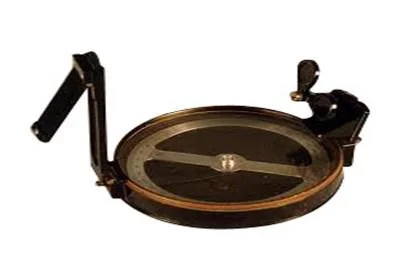
Professional Brunton Compass for Surveying Geology Outdoor Navigation
B. E. P. Edu World
Child CPR Training Manikin with Light Indicators for Medical Education
Nurse Basic Practice Teaching Model BEP 405 5 Part Anatomical Training Tool
CPR Training Manikin with Electronic Monitoring Meets AHA Standards
Alpha Engineering Equipments
Electronic Theodolites For Surveying And Construction Professionals
Premium Bitumen Testing Machines For Construction Materials Analysis
Aggregate Testing Machines For Construction Materials Analysis
Kusaba Engineers Pvt Ltd
Industrial Automation Precision Tilt Sensors With IP68 Protection
High Precision Tilt Compensated Magnetometer Compass Module with RS 232/422/485
Industrial Automation Absolute Optical Encoders For Precise Position Tracking
Why Businesses Trust Pepagora
Thousands of companies trust Pepagora to source smarter and sell faster
Expand Your Sales Globally
25000+Products listed.Get discovered by global buyers
Tools to boost visibility
Build your own catalog

Source Smarter,Grow Faster
4000+Active RFQs
100+ Countries served
Easy Sourcing Tools
