
 IN
INundefined
Surveillance & CCTV System Installation
8 products available
𝗪𝗵𝗮𝘁 𝗮𝗿𝗲 𝗦𝘂𝗿𝘃𝗲𝗶𝗹𝗹𝗮𝗻𝗰𝗲 & 𝗖𝗖𝗧𝗩 𝗦𝘆𝘀𝘁𝗲𝗺 𝗜𝗻𝘀𝘁𝗮𝗹𝗹𝗮𝘁𝗶𝗼𝗻?
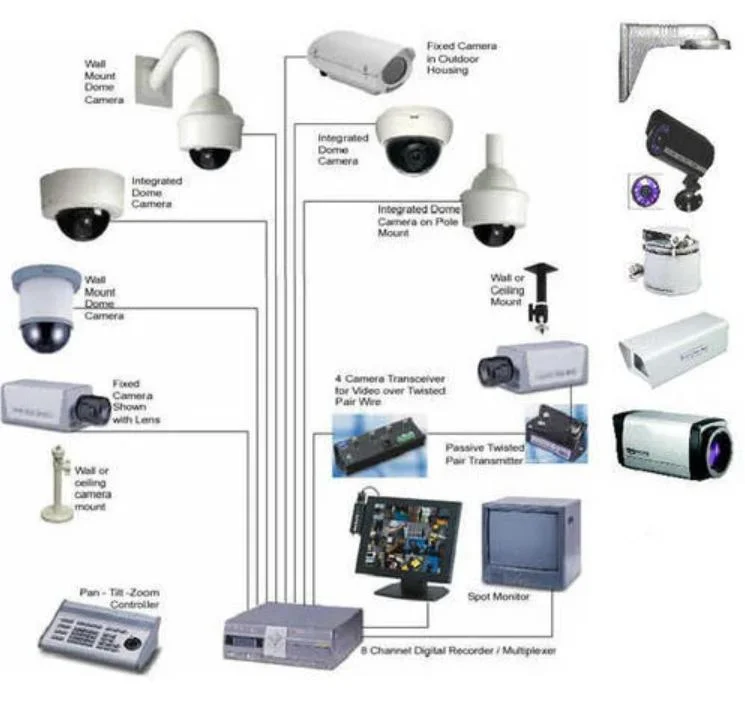
Surveillance and CCTV system installation refers to the process of setting up a network of cameras and monitoring equipment designed to capture and record video footage for security and surveillance purposes. These systems can vary in complexity from a few cameras in a small office to extensive networks covering large commercial spaces or public areas. Installation involves both hardware and software components that work together to ensure effective monitoring.
These systems are primarily used for security, theft prevention, and monitoring of activities in various environments such as businesses, schools, and public spaces. They serve as a deterrent against crime and provide valuable evidence in the event of incidents. Businesses can utilize these systems to monitor employee activities, improve safety, and ensure compliance with regulations. With the rising need for security solutions, the market for surveillance and CCTV systems continues to grow, driven by technological advancements and increasing security concerns.
𝗞𝗲𝘆 𝗙𝗲𝗮𝘁𝘂𝗿𝗲𝘀 𝗮𝗻𝗱 𝗦𝗽𝗲𝗰𝗶𝗳𝗶𝗰𝗮𝘁𝗶𝗼𝗻𝘀
Surveillance and CCTV systems come equipped with a variety of features and specifications that cater to diverse security needs. Understanding these specifications is crucial for businesses looking to implement effective surveillance solutions.
Key specifications include:
1. Camera Resolution
- High-definition video quality for clear image capture
- Common resolutions include 1080p, 4MP, and 4K
2. Field of View
- The extent of the area that the camera can cover
- Ranges from narrow to wide, typically between 60 to 180 degrees
3. Night Vision Capability
- Ability to capture clear images in low-light conditions
- Infrared technology is commonly used for enhanced visibility
4. Remote Access
- Allows users to monitor camera feeds via mobile devices or computers
- Supports real-time viewing and control from anywhere
5. Storage Options
- Various methods for storing recorded footage, such as cloud storage or local hard drives
- Important for determining how long footage can be retained
6. Motion Detection
- Features that trigger recording when motion is detected
- Reduces unnecessary storage use and enhances security monitoring
7. Weather Resistance
- Essential for outdoor cameras to withstand environmental conditions
- Ratings such as IP66 indicate protection against dust and water
8. Integration Capabilities
- Ability to work with other security systems, such as alarms and access control
- Enhances overall security measures and response times
In summary, knowing the key features and specifications helps businesses select the right surveillance and CCTV systems tailored to their specific needs.
𝗖𝗼𝗺𝗺𝗼𝗻 𝗔𝗽𝗽𝗹𝗶𝗰𝗮𝘁𝗶𝗼𝗻𝘀 𝗮𝗻𝗱 𝗨𝘀𝗲 𝗖𝗮𝘀𝗲𝘀
Surveillance and CCTV system installations find applications across various industries, addressing specific security concerns unique to each sector.
1. Retail: Retail stores use CCTV systems to deter theft and monitor customer behavior. These systems can help identify shoplifters and improve the overall shopping experience.
2. Education: Schools and universities implement surveillance systems to ensure safety on campuses. They monitor entrances, hallways, and common areas to protect students and staff.
3. Healthcare: Hospitals and clinics utilize CCTV to oversee patient areas, ensuring safety and compliance with health regulations. These systems help prevent unauthorized access and monitor sensitive areas.
4. Transportation: Airports, train stations, and bus terminals rely on surveillance systems for crowd management and security. They help identify suspicious activities and ensure public safety.
5. Manufacturing: Factories employ CCTV to monitor production lines and improve workplace safety. These systems can detect accidents and ensure compliance with safety protocols.
6. Banking: Financial institutions use surveillance systems to protect against theft and fraud. Monitoring ATMs and bank branches helps in identifying criminal activities.
7. Hospitality: Hotels implement CCTV systems to enhance guest security and monitor common areas. This helps in providing a safe environment for customers.
𝗣𝗿𝗼𝗱𝘂𝗰𝘁 𝗩𝗮𝗿𝗶𝗮𝗻𝘁𝘀 𝗮𝗻𝗱 𝗦𝘂𝗯𝗰𝗮𝘁𝗲𝗴𝗼𝗿𝗶𝗲𝘀
Surveillance and CCTV systems come in various formats to meet diverse security needs. Each variant offers unique features and applications.
Analog CCTV Systems
These systems transmit video over coaxial cables and are typically more cost-effective than digital systems. They are suitable for smaller installations where high-definition video is not a priority.
IP Surveillance Systems
IP cameras transmit digital video over an internet network. They provide higher resolution and advanced features like remote monitoring and integration with other systems. Ideal for larger installations requiring scalability.
Wireless Surveillance Systems
These systems use wireless technology for video transmission, reducing the need for extensive cabling. They are easy to install and are suitable for locations where cabling is impractical.
PTZ Cameras
Pan-Tilt-Zoom cameras can be remotely adjusted to cover different areas. They are perfect for monitoring large spaces as they combine flexibility with high-quality surveillance.
𝗕𝗲𝗻𝗲𝗳𝗶𝘁𝘀 𝗮𝗻𝗱 𝗔𝗱𝘃𝗮𝗻𝘁𝗮𝗴𝗲𝘀
Implementing Surveillance and CCTV systems provides various advantages that enhance security and operational efficiency.
1. Increased Security: These systems act as a deterrent to criminal activities, helping to prevent theft and vandalism.
2. Remote Monitoring: Businesses can monitor their premises in real time from anywhere, allowing for quick responses to incidents.
3. Evidence Collection: Recorded footage serves as valuable evidence in the event of disputes or investigations, aiding law enforcement and legal processes.
4. Enhanced Employee Safety: Surveillance systems contribute to a safer working environment by monitoring potentially hazardous areas.
5. Improved Operational Efficiency: Monitoring employee activities can help identify inefficiencies and improve overall productivity.
6. Compliance Assurance: CCTV systems help businesses comply with safety regulations and standards, reducing legal risks.
𝗕𝘂𝘆𝗶𝗻𝗴 𝗚𝘂𝗶𝗱𝗲 𝗳𝗼𝗿 𝗕𝟮𝗕 𝗕𝘂𝘆𝗲𝗿𝘀
When sourcing Surveillance and CCTV system installation, several key factors should be considered to ensure a successful deployment.
1. Quality Assessment: Evaluate the quality of cameras and equipment based on specifications such as resolution, durability, and manufacturer reputation. High-quality systems provide better performance and longevity.
2. Supplier Verification: Vet suppliers by checking their industry experience and customer reviews. Reliable suppliers should have a proven track record in providing quality surveillance solutions.
3. Pricing and MOQ: Understand pricing structures and minimum order quantities. Comparing pricing from multiple suppliers helps in making informed budget decisions.
4. Delivery and Lead Times: Inquire about lead times for equipment delivery. Timely installation is crucial for immediate security needs.
5. Compliance Requirements: Ensure that the products meet relevant regulatory standards and safety certifications. Compliance with local regulations is essential for legal operation.
𝗖𝗼𝗺𝗽𝗹𝗶𝗮𝗻𝗰𝗲 𝗮𝗻𝗱 𝗖𝗲𝗿𝘁𝗶𝗳𝗶𝗰𝗮𝘁𝗶𝗼𝗻𝘀
Compliance with industry standards and certifications is essential for the credibility and safety of Surveillance and CCTV systems.
Common quality standards include ISO 9001, which ensures effective quality management systems are in place. Adhering to this standard helps manufacturers maintain consistency in their production processes.
The CE mark indicates compliance with European health, safety, and environmental protection standards. This certification is important for products sold within the European market, ensuring that they meet rigorous quality benchmarks.
Safety and testing requirements vary by region and application. Manufacturers must conduct thorough testing to confirm that their systems are safe for use in various environments.
Regionally, compliance considerations can differ significantly. It is crucial to be aware of local regulations regarding surveillance and privacy laws to ensure that installations are compliant and do not infringe on individual rights.
𝗪𝗵𝘆 𝗦𝗼𝘂𝗿𝗰𝗲 𝗦𝘂𝗿𝘃𝗲𝗶𝗹𝗹𝗮𝗻𝗰𝗲 & 𝗖𝗖𝗧𝗩 𝗦𝘆𝘀𝘁𝗲𝗺 𝗜𝗻𝘀𝘁𝗮𝗹𝗹𝗮𝘁𝗶𝗼𝗻 𝗳𝗿𝗼𝗺 𝗣𝗲𝗽𝗮𝗴𝗼𝗿𝗮?
Pepagora provides a trusted platform for sourcing Surveillance and CCTV system installations, offering numerous advantages for buyers.
Verified Supplier Network: Pepagora connects businesses with verified suppliers, ensuring that buyers receive quality products from reputable manufacturers. This network is essential for maintaining high standards in security solutions.
Streamlined RFQ Process: The request for quotation (RFQ) process on Pepagora is designed to be efficient and user-friendly. Buyers can easily compare quotes from multiple suppliers, facilitating better decision-making.
Trade Assurance and Support: Pepagora offers trade assurance to protect buyers from potential issues during transactions. This support provides peace of mind when investing in security solutions.
Regional Coverage: With a presence in India, the GCC, and Southeast Asia, Pepagora caters to a broad geographic area. This regional coverage ensures that businesses across different markets can access reliable surveillance solutions tailored to their needs.
Newly Added




Recently Added
Adon System & Solution Pvt Ltd
Secure Access Control Stainless Steel Door Station with Keypad and Card
Video Door Phone With Stainless Steel Panel And Inductive Card Access
Secure Access Control Stainless Steel Door Station With Nameplate
Beyond I Solutions
Security High Resolution IP Megapixel PTZ Q Pix Camera
Professional Security Standalone DVR Blue Eye BE 8004 Surveillance System
Professional Security Q Pix Speed Dome Camera High Resolution PTZ
Capricorn Security Solutions
Business Security CCTV Surveillance Systems With Remote Monitoring
Business Security DVR Standalone High Quality Recording No Monthly Fees
Professional H.264 T2 DVR For Business Security With Remote Monitoring
CCPW
Secure Access Control Single Audio Door Phone Two Way Communication
Professional 2 Wire Door Phone System with 100m Range and Easy Installation
Professional 4 Inch B/W Video Doorphone System for Secure Access Control
A&P Security Solutions Pvt. Ltd.
Security Screening Baggage Scanners For Offices Malls Venues
Commercial Industrial Rubber Corner Guards High Impact Reflective Safety
Professional Door Frame Metal Detectors For High Traffic Security Screening
Chanakya Electronics
Professional Dome Cameras Premium Surveillance Security Monitoring
Commercial Industrial Security Cameras High Grade Materials Advanced Technology
Business Security CCTV Cameras High Resolution Weather Resistant 24/7
Ace Technologies
Commercial Soda Fountain Machine High Volume Dispensing 6 12 Valves
Commercial Pizza Make Line Stainless Steel Refrigerated Display
Premium Can Coolers For Events And Hospitality
A V Industrial Associates
Fire Extinguisher Cartridges Premium Industrial Safety
Commercial CCTV Security Cameras HD Surveillance Industrial Retail
Premium Safety Products For Hazardous Environments | Durable Protection
Elixir Electronics
Commercial Wireless CCTV Security System HD Video Night Vision
Commercial & Residential CP Plus HD CCTV Security Camera with Night Vision
HD CCTV Security Camera with Night Vision and Motion Detection
Why Businesses Trust Pepagora
Thousands of companies trust Pepagora to source smarter and sell faster
Expand Your Sales Globally
25000+Products listed.Get discovered by global buyers
Tools to boost visibility
Build your own catalog

Source Smarter,Grow Faster
4000+Active RFQs
100+ Countries served
Easy Sourcing Tools
