
 IN
INundefined
Surface Roughness Testers
5 products available
𝗪𝗵𝗮𝘁 𝗮𝗿𝗲 𝗦𝘂𝗿𝗳𝗮𝗰𝗲 𝗥𝗼𝘂𝗴𝗵𝗻𝗲𝘀𝘀 𝗧𝗲𝘀𝘁𝗲𝗿𝘀?
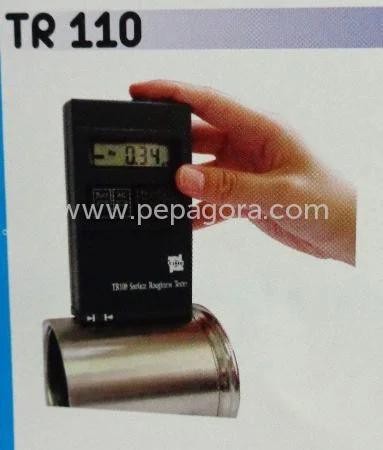
Surface roughness testers are precision instruments designed to measure the texture of a surface. They assess the microscopic irregularities of a surface, which can significantly affect the performance and aesthetics of various materials. These devices typically utilize a probe that traverses the surface to gather data, calculating parameters such as average roughness (Ra), root mean square roughness (Rq), and others. The results help manufacturers ensure that products meet specified surface finish standards.
These testers are essential in manufacturing and quality control processes across multiple industries. They are widely used in sectors such as aerospace, automotive, and electronics, where surface quality plays a crucial role in functionality and durability. By providing accurate surface measurements, they help businesses maintain quality standards, improve product performance, and prevent failures due to surface defects. The growing emphasis on quality assurance in manufacturing has increased the demand for surface roughness testers, making them a vital tool in modern production environments.
𝗞𝗲𝘆 𝗙𝗲𝗮𝘁𝘂𝗿𝗲𝘀 𝗮𝗻𝗱 𝗦𝗽𝗲𝗰𝗶𝗳𝗶𝗰𝗮𝘁𝗶𝗼𝗻𝘀
Surface roughness testers come equipped with various features and specifications that make them suitable for diverse applications. These specifications determine their accuracy, usability, and overall performance in measuring surface textures.
Key specifications include:
1. Measurement Range
- This specification indicates the range of surface roughness values the tester can measure.
- Typical ranges vary from 0.01 µm to 10 µm.
2. Resolution
- Refers to the smallest change in roughness that the tester can detect.
- Common resolutions are in the range of 0.001 µm to 0.1 µm.
3. Probe Type
- Different testers may use contact or non-contact probes.
- Contact probes are standard, while non-contact options are available for delicate surfaces.
4. Data Output
- Surface roughness testers provide data in various formats, including digital displays and printouts.
- Many models offer connectivity options for data transfer to computers.
5. Battery Life
- This indicates how long the device can operate on a single charge.
- Typical battery life ranges from 10 to 30 hours.
6. Calibration
- Many testers include self-calibration features to ensure measurement accuracy.
- Regular calibration is essential for maintaining precision.
7. Size and Weight
- Portability can be a significant factor, with compact models being easier to transport.
- Weights may vary from 0.5 kg to 2 kg.
8. Compliance Standards
- Testers often adhere to international standards such as ISO and ANSI for measurement accuracy.
- Compliance ensures reliability and consistency in results.
These features collectively enhance the functionality of surface roughness testers, making them indispensable in quality control processes.
𝗖𝗼𝗺𝗺𝗼𝗻 𝗔𝗽𝗽𝗹𝗶𝗰𝗮𝘁𝗶𝗼𝗻𝘀 𝗮𝗻𝗱 𝗨𝘀𝗲 𝗖𝗮𝘀𝗲𝘀
Surface roughness testers serve various industries, helping ensure that products meet quality and performance standards.
1. Aerospace: In the aerospace industry, surface roughness testers are used to measure the surface finish of components like turbine blades and airframe structures. These measurements are critical for ensuring aerodynamic efficiency and safety.
2. Automotive: Manufacturers in the automotive sector utilize these testers for engine components and body panels. Ensuring the right surface finish can improve fuel efficiency and reduce wear over time.
3. Electronics: In electronics manufacturing, surface roughness is crucial for ensuring proper adhesion and performance of components such as circuit boards. Testers help verify that surfaces meet specific standards.
4. Medical Devices: The medical industry employs surface roughness testers to ensure that surgical instruments and implants have surfaces that minimize friction and promote biocompatibility.
5. Tooling and Molds: In the production of molds and tooling, surface finish directly impacts the quality of the final product. Testers help maintain optimal surface conditions for efficient production.
6. Metal Fabrication: In metalworking, surface roughness testers help assess the quality of machined parts, ensuring they meet specifications for strength and durability.
7. Construction Materials: These testers are also used to evaluate the surface finishes of construction materials, ensuring they meet standards for safety and performance.
𝗣𝗿𝗼𝗱𝘂𝗰𝘁 𝗩𝗮𝗿𝗶𝗮𝗻𝘁𝘀 𝗮𝗻𝗱 𝗦𝘂𝗯𝗰𝗮𝘁𝗲𝗴𝗼𝗿𝗶𝗲𝘀
Surface roughness testers come in various models, each designed to cater to specific measurement needs and environments.
Portable Surface Roughness Testers
These compact devices are designed for on-site measurements. They are user-friendly and battery-operated, making them ideal for field applications in industries like automotive and construction.
Benchtop Surface Roughness Testers
These models offer advanced features and higher accuracy, making them suitable for laboratory use. They are often equipped with extensive data analysis capabilities and are ideal for quality control in manufacturing plants.
Digital Surface Roughness Testers
These testers provide real-time data display and advanced connectivity options. They are designed for ease of use, often featuring intuitive interfaces that simplify the measurement process.
𝗕𝗲𝗻𝗲𝗳𝗶𝘁𝘀 𝗮𝗻𝗱 𝗔𝗱𝘃𝗮𝗻𝘁𝗮𝗴𝗲𝘀
Investing in surface roughness testers brings numerous advantages to businesses focused on quality control and precision engineering.
1. Improved Quality Control: Accurate measurements help ensure products meet specific surface finish requirements, reducing the risk of defects.
2. Enhanced Product Performance: By assessing surface textures, manufacturers can optimize products for better functionality and longevity.
3. Cost Savings: Early detection of surface issues can prevent costly rework and material wastage, improving overall efficiency.
4. Regulatory Compliance: Surface roughness testers aid in meeting industry standards, helping businesses comply with quality regulations.
5. Versatility: With different models available, businesses can choose testers that fit their specific measurement needs across various applications.
6. Increased Customer Satisfaction: Delivering high-quality products that meet customer expectations leads to improved satisfaction and loyalty.
𝗕𝘂𝘆𝗶𝗻𝗴 𝗚𝘂𝗶𝗱𝗲 𝗳𝗼𝗿 𝗕𝟮𝗕 𝗕𝘂𝘆𝗲𝗿𝘀
When sourcing surface roughness testers, it is essential for businesses to consider several factors that impact their purchasing decisions.
1. Quality Assessment: Ensure that the testers meet industry standards for accuracy and reliability. Look for models that have certification from recognized quality organizations.
2. Supplier Verification: Vet suppliers to ensure they have a reputation for delivering quality products and reliable customer support. Check for reviews and feedback from other buyers.
3. Pricing and MOQ: Understand the pricing structure and any minimum order quantities. Compare quotes from multiple suppliers to find the best value.
4. Delivery and Lead Times: Confirm logistics and expected delivery times. Ensure that suppliers can meet your production schedule for timely procurement.
5. Compliance Requirements: Be aware of any regulatory compliance needed for the specific industry you operate in. This may include certifications or adherence to quality standards.
𝗖𝗼𝗺𝗽𝗹𝗶𝗮𝗻𝗰𝗲 𝗮𝗻𝗱 𝗖𝗲𝗿𝘁𝗶𝗳𝗶𝗰𝗮𝘁𝗶𝗼𝗻𝘀
Surface roughness testers must adhere to various quality standards and certifications to ensure their reliability and accuracy in measurement.
Relevant quality standards such as ISO 9001 focus on quality management systems that ensure consistent product quality. Adherence to these standards demonstrates a commitment to high-quality manufacturing practices.
Industry certifications like CE indicate that the products meet European safety and performance requirements. These certifications are essential for buyers looking to ensure compliance with international standards.
Safety and testing requirements are critical in the manufacturing of these instruments. They must be rigorously tested to ensure they provide accurate results and operate safely in various environments.
Additionally, regional compliance considerations may apply, particularly for businesses operating in multiple countries. It is vital to ensure that the instruments meet local regulations.
𝗪𝗵𝘆 𝗦𝗼𝘂𝗿𝗰𝗲 𝗦𝘂𝗿𝗳𝗮𝗰𝗲 𝗥𝗼𝘂𝗴𝗵𝗻𝗲𝘀𝘀 𝗧𝗲𝘀𝘁𝗲𝗿𝘀 𝗳𝗿𝗼𝗺 𝗣𝗲𝗽𝗮𝗴𝗼𝗿𝗮?
Pepagora provides a trusted platform for sourcing surface roughness testers, offering several key advantages to B2B buyers.
Verified Supplier Network: Pepagora has established a robust network of verified suppliers, ensuring that buyers can access high-quality products from reputable manufacturers. This verification process helps mitigate risks associated with supplier reliability.
Streamlined RFQ Process: The platform offers a simple and efficient request for quotation (RFQ) process, allowing buyers to easily compare offers from multiple suppliers. This transparency helps in making informed purchasing decisions.
Trade Assurance and Support: Pepagora provides trade assurance, ensuring that buyers are protected throughout the purchasing process. The platform also offers support to assist buyers in resolving any issues that may arise.
Regional Coverage: With a strong presence in regions like India, GCC, and Southeast Asia, Pepagora facilitates access to local and international suppliers. This geographic reach allows buyers to find the best solutions tailored to their specific market needs.
Newly Added


Recently Added
Maap Instrumentation
TT 211 Coating Thickness Gauge with TIME Certification for Industrial Quality Control
Industrial Ultrasonic Thickness Gauge TT 300A with 5P 10 Transducer
TT 210 Coating Thickness Gauge with TIME Certification for Quality Control
Omega Metrology Products
Industrial AI Vision Inspection System For Automated Quality Control
Industrial Quality Control Vertical Screen Profile Projector For Precision Measurement
Bench Type Digital Profile Projector For Precision Dimensional Inspection
Electricals Electronics Enterprises
Industrial Digital True RMS Multimeter with Auto Ranging and Backlit Display
Industrial Commercial Multi Function Meter for Voltage Current Power Frequency Energy
Professional Voltage Continuity Current Tester for Electrical Diagnostics
Why Businesses Trust Pepagora
Thousands of companies trust Pepagora to source smarter and sell faster
Expand Your Sales Globally
25000+Products listed.Get discovered by global buyers
Tools to boost visibility
Build your own catalog

Source Smarter,Grow Faster
4000+Active RFQs
100+ Countries served
Easy Sourcing Tools
