
 IN
INundefined
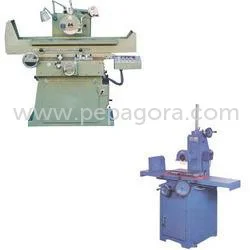
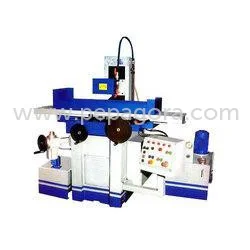
Surface Grinding Machines
85 products available
𝗪𝗵𝗮𝘁 𝗮𝗿𝗲 𝗦𝘂𝗿𝗳𝗮𝗰𝗲 𝗚𝗿𝗶𝗻𝗱𝗶𝗻𝗴 𝗠𝗮𝗰𝗵𝗶𝗻𝗲𝘀?
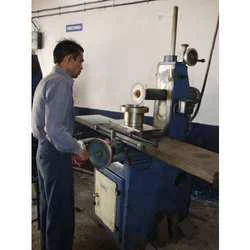
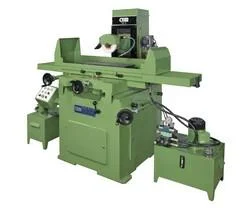
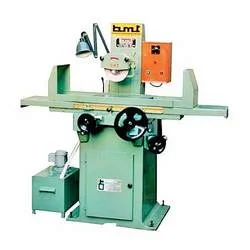
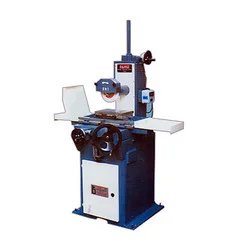
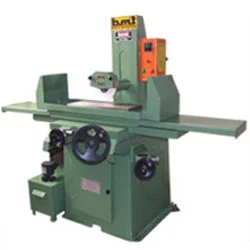
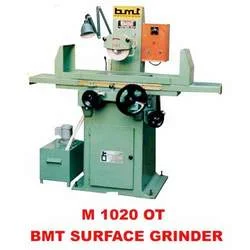
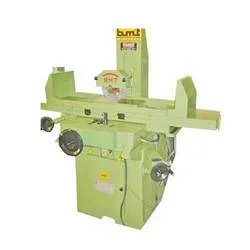
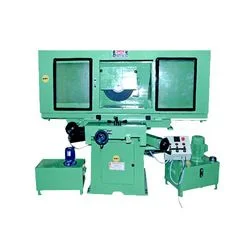
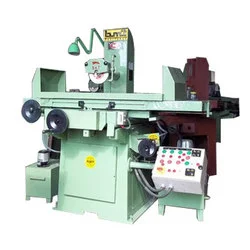
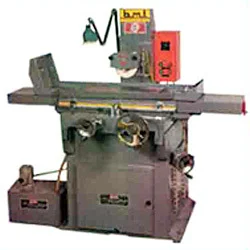
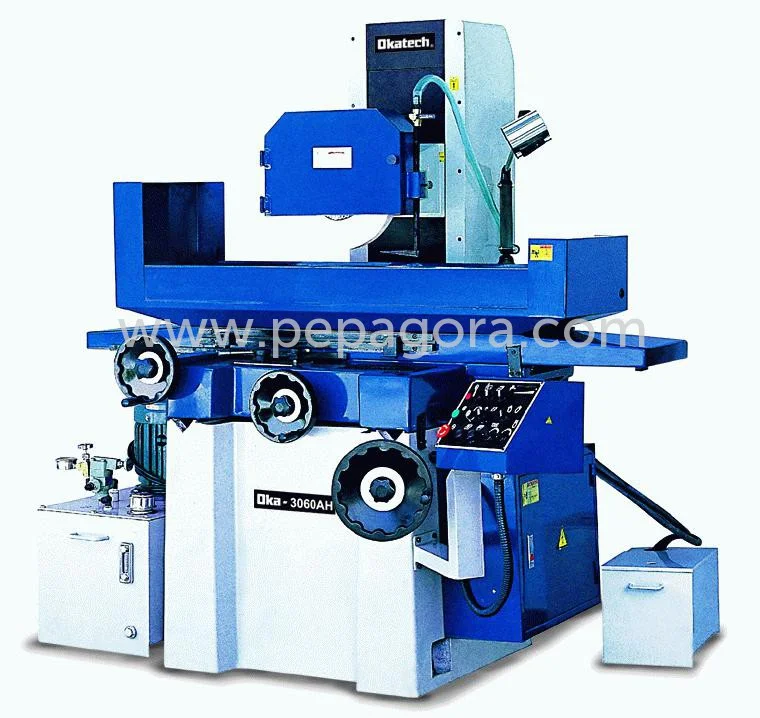
Surface grinding machines are precision equipment used to produce flat surfaces on workpieces. They operate on a simple principle where a rotating grinding wheel removes material from the surface of the item being processed. This process ensures that the surface finish is smooth and meets specific tolerance requirements. Surface grinding is essential in manufacturing and fabrication, making it indispensable for various industrial applications.
These machines are widely utilized in sectors such as automotive, aerospace, and tooling. Their primary function is to prepare components for assembly or to enhance the quality of the final product. Surface grinding machines are versatile and can handle a range of materials, including metals, plastics, and ceramics. As industries continue to advance, the demand for high-precision surface grinding is expected to grow, highlighting the importance of these machines in maintaining competitive manufacturing processes.
𝗞𝗲𝘆 𝗙𝗲𝗮𝘁𝘂𝗿𝗲𝘀 𝗮𝗻𝗱 𝗦𝗽𝗲𝗰𝗶𝗳𝗶𝗰𝗮𝘁𝗶𝗼𝗻𝘀
Surface grinding machines come equipped with numerous features that enhance their functionality and efficiency. When considering these machines, it is vital to understand their specifications to ensure they meet your operational needs.
Key specifications include:
1. Grinding Wheel Size
- Typically ranges from 200 mm to 600 mm in diameter
- Determines the size of the workpiece that can be accommodated
2. Table Size
- Commonly varies from 300 mm x 600 mm to 1,200 mm x 2,400 mm
- Affects the size and weight of the materials being processed
3. Power Rating
- Generally between 1.5 kW and 15 kW
- Influences the grinding speed and efficiency
4. Grinding Speed
- Usually between 1,500 RPM and 3,600 RPM
- Affects the surface finish quality
5. Stroke Length
- Can range from 400 mm to 1,200 mm
- Determines the maximum movement of the table
6. Weight
- Varies significantly, from 500 kg to over 5,000 kg
- Heavier machines tend to offer more stability during operation
7. Control System
- Options include manual, semi-automatic, and fully automatic systems
- Facilitates ease of operation and precision in grinding
8. Cooling System
- Integrated coolant systems are often included
- Helps in maintaining optimal grinding temperatures to avoid material distortion
These specifications play a critical role in determining the machine's suitability for specific applications and industries.
𝗖𝗼𝗺𝗺𝗼𝗻 𝗔𝗽𝗽𝗹𝗶𝗰𝗮𝘁𝗶𝗼𝗻𝘀 𝗮𝗻𝗱 𝗨𝘀𝗲 𝗖𝗮𝘀𝗲𝘀
Surface grinding machines are integral to multiple industries, showcasing their versatility and importance.
1. Automotive: Used for grinding engine blocks, cylinder heads, and transmission cases to achieve precise dimensions and smooth finishes.
2. Aerospace: Essential for manufacturing components like turbine blades and landing gear parts, ensuring they meet strict tolerances for safety and performance.
3. Tool Making: Employed in the production of dies, molds, and cutting tools, where high precision and surface quality are paramount.
4. Metal Fabrication: Used in various processes to prepare surfaces for welding and assembly, enhancing overall product quality.
5. Electronics: Suitable for grinding components such as circuit boards and enclosures, which require a high level of detail and finish.
6. Medical Devices: Critical in producing surgical instruments and implants, where precision and sterility are key.
7. Metalworking: Utilized in the production of custom parts and prototypes that demand exact specifications.
𝗣𝗿𝗼𝗱𝘂𝗰𝘁 𝗩𝗮𝗿𝗶𝗮𝗻𝘁𝘀 𝗮𝗻𝗱 𝗦𝘂𝗯𝗰𝗮𝘁𝗲𝗴𝗼𝗿𝗶𝗲𝘀
Surface grinding machines come in various configurations to meet diverse industrial needs.
Horizontal Surface Grinding Machines
These machines feature a horizontal spindle and are suitable for flat surface grinding. They can handle heavier workpieces and are often used in high-volume production settings.
Vertical Surface Grinding Machines
These machines have a vertical spindle and are designed for grinding complex shapes and contours. They are ideal for applications where space is limited and precision is required.
CNC Surface Grinding Machines
Equipped with computer numerical control systems, these machines offer automated operations and enhanced precision. They are perfect for high-precision applications and can significantly improve productivity.
𝗕𝗲𝗻𝗲𝗳𝗶𝘁𝘀 𝗮𝗻𝗱 𝗔𝗱𝘃𝗮𝗻𝘁𝗮𝗴𝗲𝘀
Investing in surface grinding machines offers numerous advantages for businesses.
1. Enhanced Precision: These machines deliver a high level of accuracy in surface finishing, essential for parts that must meet strict tolerances.
2. Improved Surface Quality: Surface grinding achieves smooth finishes, which is critical in applications where aesthetics and functionality intersect.
3. Increased Efficiency: Automated and semi-automated models can significantly reduce processing times, leading to higher productivity levels.
4. Versatility: Suitable for a wide range of materials and applications, making them invaluable in various industries.
5. Reduced Material Waste: Precision grinding minimizes material removal, which can lead to cost savings in raw materials.
6. Easy Integration: Many surface grinding machines can be easily incorporated into existing production lines, enhancing overall manufacturing capabilities.
𝗕𝘂𝘆𝗶𝗻𝗴 𝗚𝘂𝗶𝗱𝗲 𝗳𝗼𝗿 𝗕𝟮𝗕 𝗕𝘂𝘆𝗲𝗿𝘀
When sourcing surface grinding machines, it is important for B2B buyers to consider several key factors.
1. Quality Assessment: Evaluate the machine's build quality, reliability, and performance. Look for established brands known for their durability and precision.
2. Supplier Verification: Vet suppliers thoroughly to ensure they have a solid reputation and experience in providing high-quality machinery. Check for customer reviews and testimonials.
3. Pricing and MOQ: Understand the cost structure, including any minimum order quantities. Obtain multiple quotes to compare prices and offerings.
4. Delivery and Lead Times: Confirm lead times and shipping options to ensure timely delivery that aligns with your production schedules.
5. Compliance Requirements: Ensure that the machines meet relevant safety and performance standards. Check for necessary certifications such as CE.
𝗖𝗼𝗺𝗽𝗹𝗶𝗮𝗻𝗰𝗲 𝗮𝗻𝗱 𝗖𝗲𝗿𝘁𝗶𝗳𝗶𝗰𝗮𝘁𝗶𝗼𝗻𝘀
Surface grinding machines must adhere to various industry standards and regulations to ensure safety and quality.
ISO 9001 is a quality management standard that ensures consistency in manufacturing processes and product quality. Compliance with ISO 9001 indicates that the manufacturer has implemented effective quality management systems.
CE certification is crucial for machines sold in the European market, ensuring that they meet safety, health, and environmental protection standards.
Safety and testing requirements are also paramount in the grinding industry. Machines must undergo rigorous testing to confirm their operational safety and reliability.
Regional compliance considerations may vary, and manufacturers should be aware of local regulations that apply to their products in different markets.
𝗪𝗵𝘆 𝗦𝗼𝘂𝗿𝗰𝗲 𝗦𝘂𝗿𝗳𝗮𝗰𝗲 𝗚𝗿𝗶𝗻𝗱𝗶𝗻𝗴 𝗠𝗮𝗰𝗵𝗶𝗻𝗲𝘀 𝗳𝗿𝗼𝗺 𝗣𝗲𝗽𝗮𝗴𝗼𝗿𝗮?
Pepagora is a trusted platform for sourcing surface grinding machines, offering several key advantages to buyers.
Verified Supplier Network: Pepagora thoroughly verifies suppliers to ensure they meet established quality and reliability standards. This gives buyers confidence in their sourcing decisions.
Streamlined RFQ Process: The request for quotation system is designed to make it easy for buyers to obtain competitive quotes from multiple suppliers quickly. This reduces the time spent searching for the right machine.
Trade Assurance and Support: Pepagora provides buyer protection through trade assurance, ensuring that transactions are secure and that buyers receive the support they need throughout the purchasing process.
Regional Coverage: With a strong presence in India, GCC, and Southeast Asia, Pepagora connects buyers with local suppliers, making it easier to source machines that meet specific regional requirements.
Newly Added




Recently Added
Sri Naganathar Grinding Works
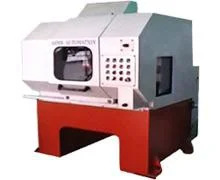
Industrial Steel Grinding Machine For Metal Fabrication And Automotive
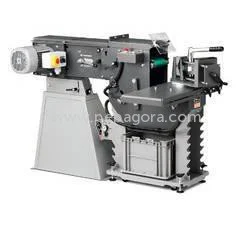
Industrial Surface Grinding Machine Steel Durable Precision Finishing
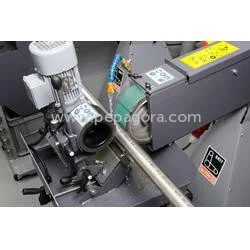
Industrial Waste Grinding Machine Steel Durable Long Life
Ashwath Steel Casts
Industrial Gate Valves For Reliable Flow Control In Oil Gas Water
Industrial Food Grade Ball Valves For Agriculture Processing
Industrial Butterfly Valve Castings For Oil Fields And Fluid Control
Iigm Pvt Ltd
Industrial Sewing Machines For Apparel And Upholstery Manufacturing
Unit Production System For Garment Textile Assembly Material Handling
IIGM Genuine Industrial Spare Parts For Machinery Maintenance
Arihant Engineering Corporation
Bulk Spice Cleaning And Grinding Machine For Food Processing
Industrial Turmeric Grinding Machine For Superfine Spice Powder Production
Industrial Coriander Grinding Machine For High Efficiency Spice Powder
Zab Machine Tools
Industrial Precision Gear Cutting Dividing Heads For Accurate Indexing
Industrial Precision Milling Vices With Top Tighten Bolts And Side Gib
Heavy Duty Lathe Machine 40HP 960mm Diameter 1200mm Length Industrial
Mahnot Grind Age Industries
Industrial Internal Grinding Spindles Horizontal Heads 10HP 1000mm
Industrial Internal Surface Grinding Spindles 80,000 RPM Precision
Industrial Grinding Spindle For Precision Metalworking And Aerospace
Gomati Engineers
Industrial Brake Lining Grinder Systems OEM New High Performance
Industrial Bush Fixing Machine For Shock Absorbers OEM Standard New
Industrial OEM Loctite Dispensing Systems High Performance Precision
Guru Machine Tools
Industrial Surface Grinding Machine 175x350mm Precision Metalworking
Industrial 225 x 350 mm Surface Grinding Machine for Metalworking
Industrial Precision Surface Grinding Machine 225x450 mm High Accuracy
Jaggi & Jaggi Machine Tools India
Industrial Precision Metal Surface Grinder For Buyers
Industrial Precision TOS ZVL Surface Grinder For Metalworking Manufacturing
Industrial Heavy Duty SKODA Floor Boring Machine for Precision Machining
Precision Machine Tool
Industrial Ceramics Grinding Machine For Precision Processing
Universal Cylindrical Grinding Machine For Precision Metal Finishing
CNC Cylindrical Grinding Machine With Siemens Control For Automotive Aerospace
Why Businesses Trust Pepagora
Thousands of companies trust Pepagora to source smarter and sell faster
Expand Your Sales Globally
25000+Products listed.Get discovered by global buyers
Tools to boost visibility
Build your own catalog

Source Smarter,Grow Faster
4000+Active RFQs
100+ Countries served
Easy Sourcing Tools
