
 IN
INundefined
Sugar Processing Machinery
11 products available
𝗪𝗵𝗮𝘁 𝗮𝗿𝗲 𝗦𝘂𝗴𝗮𝗿 𝗣𝗿𝗼𝗰𝗲𝘀𝘀𝗶𝗻𝗴 𝗠𝗮𝗰𝗵𝗶𝗻𝗲𝗿𝘆?
Sugar processing machinery refers to a range of specialized equipment designed for the extraction, refinement, and production of sugar from various sources, primarily sugarcane and sugar beets. This machinery plays a critical role in the sugar manufacturing process, enabling the efficient conversion of raw materials into refined sugar products. The equipment involved in this process includes crushers, evaporators, centrifuges, and packaging machines, each designed to perform a specific function within the sugar production line.
The primary uses of sugar processing machinery extend across the food and beverage industry, where sugar is a fundamental ingredient in countless products. Beyond food production, this machinery is also utilized in the pharmaceutical and cosmetic industries, where sugar is employed for various applications such as flavoring, preservation, and as a base for formulations. The industry is witnessing a notable demand for advanced machinery that enhances productivity, reduces waste, and meets stringent quality standards, especially in regions where sugar production is a significant agricultural activity.
In the context of the global market, the sugar processing machinery sector is experiencing growth driven by increasing sugar consumption and technological advancements. As countries seek to improve their production capabilities and meet consumer demand, investment in modern sugar processing technology is becoming increasingly relevant. Competitive pressures and sustainability concerns are also pushing manufacturers to adopt more efficient machinery that minimizes environmental impact while maximizing output.
𝗞𝗲𝘆 𝗙𝗲𝗮𝘁𝘂𝗿𝗲𝘀 𝗮𝗻𝗱 𝗦𝗽𝗲𝗰𝗶𝗳𝗶𝗰𝗮𝘁𝗶𝗼𝗻𝘀
Sugar processing machinery is characterized by various features and specifications that define its efficiency and capability. Understanding these specifications is crucial for businesses looking to invest in such machinery.
Key specifications include:
1. Capacity
- This specification refers to the volume of sugar that can be processed within a given time frame.
- Typical capacity ranges from small-scale units processing a few tons daily to large industrial setups handling hundreds of tons.
2. Energy Consumption
- This indicates the amount of energy required for machinery operation.
- Specifications may vary, with more advanced models designed for energy efficiency to reduce operational costs.
3. Material of Construction
- The materials used in manufacturing the machinery affect durability and maintenance.
- Common materials include stainless steel and other corrosion-resistant alloys.
4. Automation Level
- Automation plays a critical role in improving efficiency.
- Machinery may range from semi-automated systems requiring manual intervention to fully automated solutions.
5. Compliance with Safety Standards
- Safety features should meet industry regulations to ensure worker safety during operation.
- Machinery must adhere to standards such as CE marking.
6. Maintenance Requirements
- This specifies the frequency and type of maintenance needed to keep the machinery operational.
- Well-designed machinery typically requires less frequent maintenance.
7. Space Requirements
- The physical footprint of the machinery is important for planning installation.
- Specifications outline the dimensions and layout considerations.
8. Customization Options
- Many manufacturers offer customization to meet specific production needs.
- Options may include modifications in size, capacity, and features.
In summary, understanding these key features and specifications can help businesses select the right sugar processing machinery that aligns with their operational needs and production goals.
𝗖𝗼𝗺𝗺𝗼𝗻 𝗔𝗽𝗽𝗹𝗶𝗰𝗮𝘁𝗶𝗼𝗻𝘀 𝗮𝗻𝗱 𝗨𝘀𝗲 𝗖𝗮𝘀𝗲𝘀
Sugar processing machinery finds application across a range of industries, each utilizing the equipment for specific production needs.
1. Food and Beverage Industry: Sugar processing machinery is essential for producing various sugar types, including granulated sugar, powdered sugar, and syrups. The machinery supports large-scale production, ensuring consistent quality and supply.
2. Confectionery Manufacturing: In the confectionery sector, sugar processing machinery is used to create candies, chocolates, and other sweet products. The precise control of sugar quality and texture is crucial in this application.
3. Pharmaceutical Industry: Sugar is used as a sweetening agent in many medications and health supplements. Sugar processing machinery aids in producing sugar syrups and other formulations that require high purity.
4. Beverage Production: Soft drinks and alcoholic beverages rely on sugar for flavor and preservation. Machinery for sugar processing ensures that the required sugar content is consistently met in large batches.
5. Cosmetics and Personal Care: Sugar is often used in scrubs and exfoliants. Processing machinery helps in creating sugar-based products that meet industry standards for safety and effectiveness.
6. Biofuels: Some sugar processing machinery is adapted for biofuel production, where sugarcane is converted into ethanol. This application supports the growing renewable energy sector.
7. Food Preservation: Sugar acts as a preservative in various food products. The machinery involved enables the efficient processing of sugar for use in jams, jellies, and other preserved foods.
𝗣𝗿𝗼𝗱𝘂𝗰𝘁 𝗩𝗮𝗿𝗶𝗮𝗻𝘁𝘀 𝗮𝗻𝗱 𝗦𝘂𝗯𝗰𝗮𝘁𝗲𝗴𝗼𝗿𝗶𝗲𝘀
Sugar processing machinery encompasses a diverse range of equipment tailored to meet specific production needs. Each variant serves unique functions in the sugar manufacturing process.
𝗝𝘂𝗶𝗰𝗲 𝗘𝘅𝘁𝗿𝗮𝗰𝘁𝗼𝗿𝘀
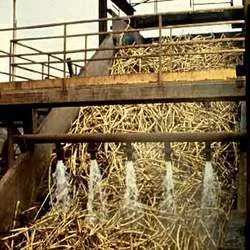
Juice extractors are designed to efficiently extract juice from sugarcane or sugar beets. These machines utilize hydraulic or mechanical methods to maximize juice yield while minimizing waste. They are essential for the initial stages of sugar production.
𝗘𝘃𝗮𝗽𝗼𝗿𝗮𝘁𝗼𝗿𝘀
Evaporators concentrate sugar juice by removing excess water through heating. This process is crucial in preparing the juice for crystallization. Evaporators vary in design, with options for single or multiple effects to enhance efficiency.
𝗖𝗲𝗻𝘁𝗿𝗶𝗳𝘂𝗴𝗲𝘀
Centrifuges are used to separate sugar crystals from molasses after crystallization. They operate based on centrifugal force and are essential for achieving high-purity sugar. Different models cater to varying production capacities.
𝗦𝘂𝗴𝗮𝗿 𝗥𝗲𝗳𝗶𝗻𝗲𝗿𝘆 𝗘𝗾𝘂𝗶𝗽𝗺𝗲𝗻𝘁
This category includes a range of machines used in the refining process, such as decolorizers and filters. Refinery equipment ensures the final product meets quality standards for color and clarity.
𝗣𝗮𝗰𝗸𝗮𝗴𝗶𝗻𝗴 𝗠𝗮𝗰𝗵𝗶𝗻𝗲𝘀
Packaging machines are integral to the final stages of sugar production. They automate the process of filling, sealing, and labeling sugar products for distribution, ensuring efficiency and consistency.
𝗕𝗲𝗻𝗲𝗳𝗶𝘁𝘀 𝗮𝗻𝗱 𝗔𝗱𝘃𝗮𝗻𝘁𝗮𝗴𝗲𝘀
Investing in sugar processing machinery offers numerous advantages for businesses in the industry.
Key benefits include:
1. Increased Efficiency: Modern machinery enhances production efficiency, allowing for greater output with lower labor costs.
2. Improved Quality: Advanced processing technology ensures consistent quality in the final sugar product, meeting industry standards.
3. Cost-Effectiveness: Efficient machinery reduces energy consumption and waste, leading to lower operational costs over time.
4. Enhanced Safety: Many machines are equipped with safety features that protect workers and minimize the risk of accidents during operation.
5. Technological Advancements: Continuous improvements in technology lead to more innovative solutions, enabling businesses to stay competitive in the market.
6. Customization Options: Many manufacturers provide customizable machinery to meet specific production requirements, ensuring optimal performance.
𝗕𝘂𝘆𝗶𝗻𝗴 𝗚𝘂𝗶𝗱𝗲 𝗳𝗼𝗿 𝗕𝟮𝗕 𝗕𝘂𝘆𝗲𝗿𝘀
When sourcing sugar processing machinery, several factors should be considered to ensure a successful purchase.
1. Quality Assessment: It is essential to evaluate the quality of machinery by reviewing the manufacturer's reputation and customer feedback. Consider certifications that indicate adherence to industry standards.
2. Supplier Verification: Vetting suppliers is crucial in ensuring reliability. Look for suppliers with a proven track record and positive references from other clients in the industry.
3. Pricing and MOQ: Understand the pricing structure and the minimum order quantity (MOQ) required for purchase. Compare prices among different suppliers to ensure competitive rates.
4. Delivery and Lead Times: Assess the logistics involved in the delivery of machinery. Evaluate lead times to ensure that equipment arrives when needed for production schedules.
5. Compliance Requirements: Ensure that the machinery complies with relevant regulations and standards in your region. This includes safety and environmental considerations.
𝗖𝗼𝗺𝗽𝗹𝗶𝗮𝗻𝗰𝗲 𝗮𝗻𝗱 𝗖𝗲𝗿𝘁𝗶𝗳𝗶𝗰𝗮𝘁𝗶𝗼𝗻𝘀
Compliance and certifications play a critical role in the operational integrity of sugar processing machinery. Relevant quality standards such as ISO 9001 ensure that manufacturers follow best practices in quality management systems. This certification indicates a commitment to continuous improvement and customer satisfaction.
In addition to ISO standards, certifications such as HACCP (Hazard Analysis Critical Control Point) are essential for ensuring food safety. Machinery that meets HACCP guidelines is crucial for businesses in the food and beverage sector, where safety and hygiene are paramount.
Furthermore, CE marking indicates that the machinery complies with European Union safety standards, ensuring that it is safe for use. Adherence to these standards not only protects the end consumer but also mitigates liability for manufacturers.
Regional compliance considerations are also significant, especially for businesses operating in multiple countries. Ensuring that machinery meets local regulations can streamline operations and reduce legal risks.
𝗪𝗵𝘆 𝗦𝗼𝘂𝗿𝗰𝗲 𝗦𝘂𝗴𝗮𝗿 𝗣𝗿𝗼𝗰𝗲𝘀𝘀𝗶𝗻𝗴 𝗠𝗮𝗰𝗵𝗶𝗻𝗲𝗿𝘆 𝗳𝗿𝗼𝗺 𝗣𝗲𝗽𝗮𝗴𝗼𝗿𝗮?
Pepagora provides a trusted platform for sourcing sugar processing machinery, offering several key advantages that benefit B2B buyers.
Verified Supplier Network: Pepagora has established a rigorous vetting process for suppliers, ensuring that all listed manufacturers meet high standards of quality and reliability. This offers buyers peace of mind when making procurement decisions.
Streamlined RFQ Process: The request for quotation (RFQ) process is simplified on Pepagora, allowing buyers to receive multiple quotes from different suppliers quickly. This efficiency helps in making informed purchasing decisions.
Trade Assurance and Support: Pepagora offers trade assurance that protects buyers by ensuring that products meet agreed-upon specifications. This support extends to resolving disputes, enhancing buyer confidence.
Regional Coverage: With a strong presence in India, the GCC, and Southeast Asia, Pepagora provides comprehensive regional coverage. This geographic reach allows buyers to connect with local suppliers, reducing shipping costs and lead times while promoting regional business growth.
Newly Added



Recently Added
Annai Velanganni Metal Industries
Industrial OEM Steel Gear Wheels Galvanized Corrosion Resistant
Industrial OEM Steel Bushes And Rods Durable Reliable Metal
Industrial Brass Castings OEM New Metal Bush Rod 1/2 30 Inch
Amalamary Engineering Works
Industrial Municipal Water Treatment Tanks For Pure Water Systems
Industrial Sugar Processing Equipment For Mills And Refineries
Industrial Cyclone Separators For Dust Collection And Air Pollution Control
Avanti Enterprises
Bulk 100% Whole Wheat Atta Flour For Food Manufacturing
Premium Plain Flour Maida For Bakeries And Food Manufacturing
Premium Sugar Cubes High Grade Hygienic Packaging Bulk Supply
Avirat Enterprises Pvt. Ltd.
Industrial Material Handling Equipment Durable Efficient Load Capacity
Industrial Conveyor Systems For Manufacturing And Logistics
Avirat Enterprises Industrial Products Supplier Since 1993
Alfa Project Engineering Company
Industrial Bagasse Handling Equipment For Bulk Materials Transport
Industrial Commercial Civil Works Construction Services For Plants
Sugar Plant Electrical Instrumentation Equipment For Automation Control
A S Pattern & Engineering Works
A.S. Pattern Sugar Mill Machinery Parts Gears Shafts Couplings
Sugar Mill Trash Plates High Grade Cast Steel Durable
Sugar Mill Gears Heavy Duty Cast Steel Crushing Extraction
Proto Type Industries
Industrial Entry Exit Automation System For Secure Access Control
Industrial Security Surveillance Systems With High Quality Cameras And Advanced Detection
Thermal Power Plant Bottom Ash Handling Systems For Efficient Ash Management
Why Businesses Trust Pepagora
Thousands of companies trust Pepagora to source smarter and sell faster
Expand Your Sales Globally
25000+Products listed.Get discovered by global buyers
Tools to boost visibility
Build your own catalog

Source Smarter,Grow Faster
4000+Active RFQs
100+ Countries served
Easy Sourcing Tools
