
 IN
INundefined
Stretcher Trolleys
7 products available
𝗪𝗵𝗮𝘁 𝗮𝗿𝗲 𝗦𝘁𝗿𝗲𝘁𝗰𝗵𝗲𝗿 𝗧𝗿𝗼𝗹𝗹𝗲𝘆𝘀?
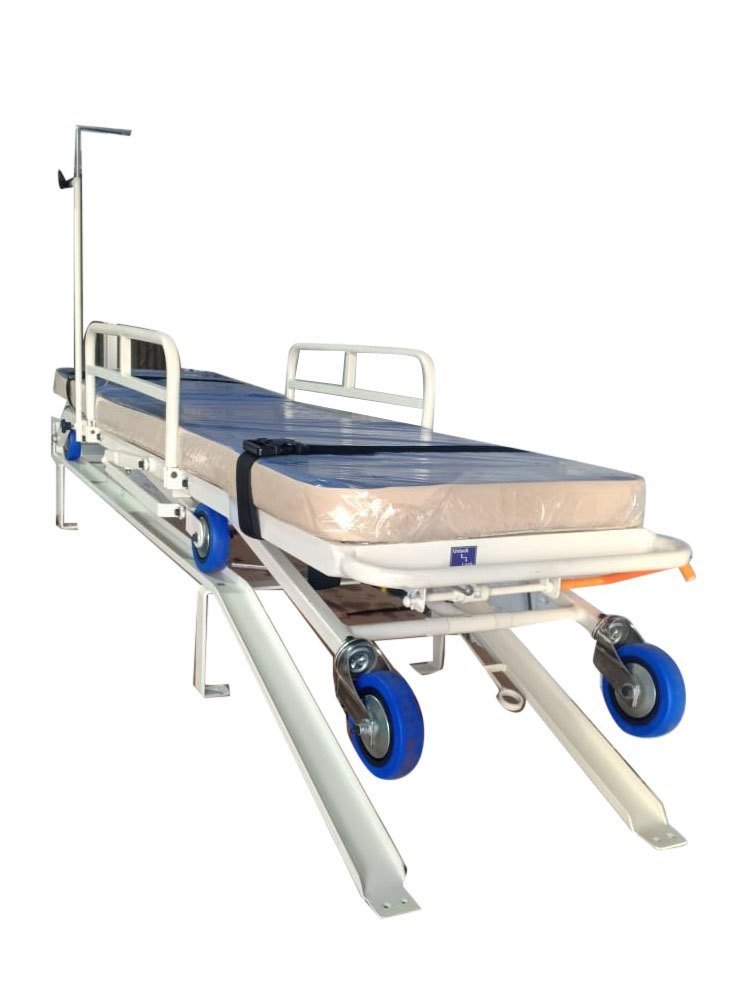
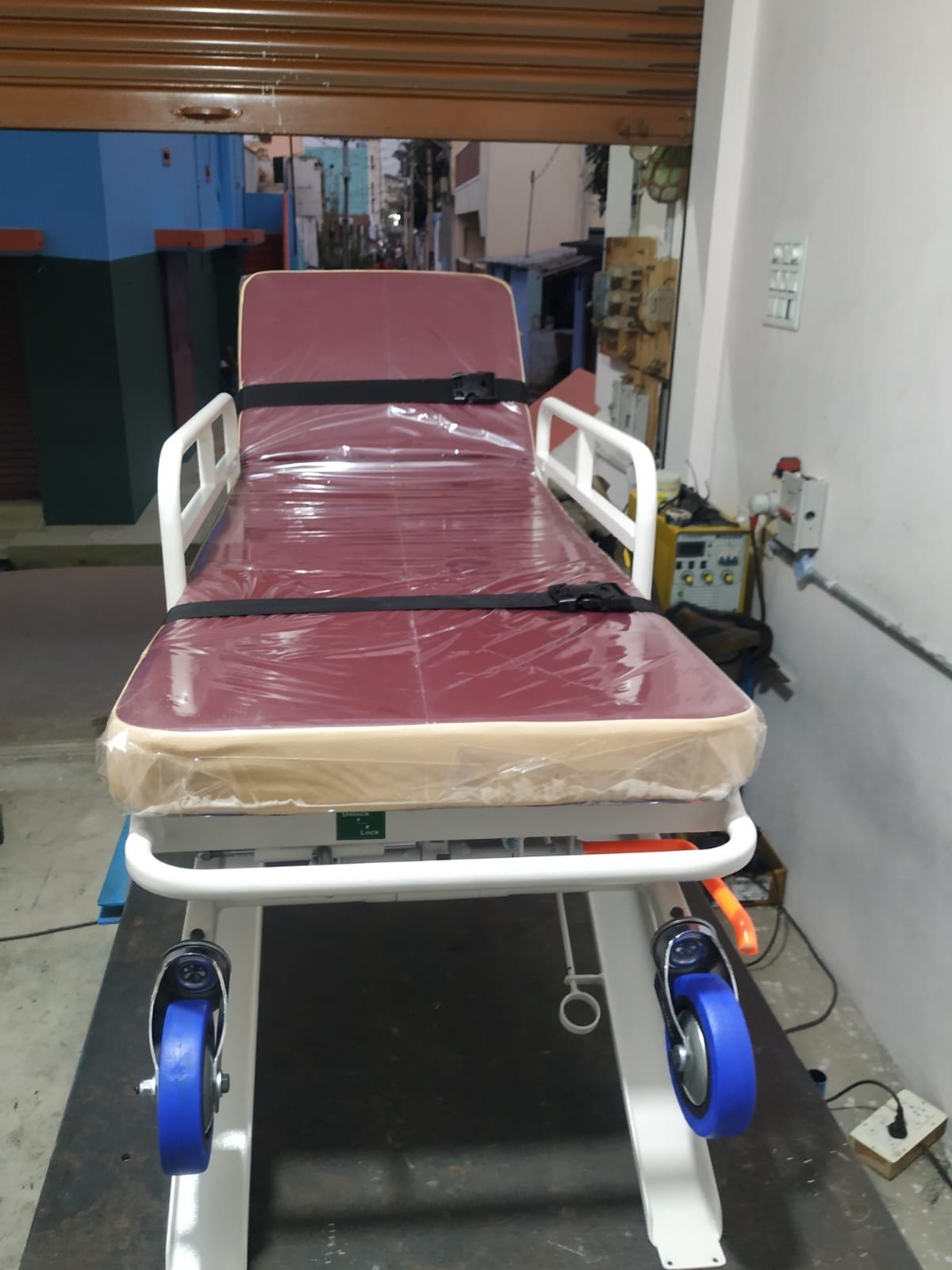
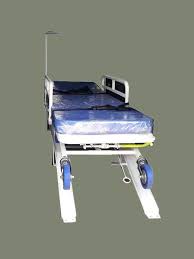
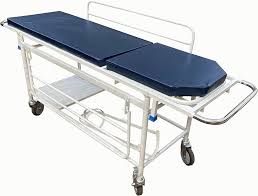
Stretcher trolleys are specialized equipment designed to transport patients safely and comfortably within medical facilities. These trolleys are typically equipped with a flat surface for lying down, side rails for safety, and wheels for easy mobility. Their design ensures that patients can be moved with minimal risk of injury to both the patient and the healthcare provider. Stretcher trolleys are essential in emergency situations, hospital wards, and during patient transfers between different departments.
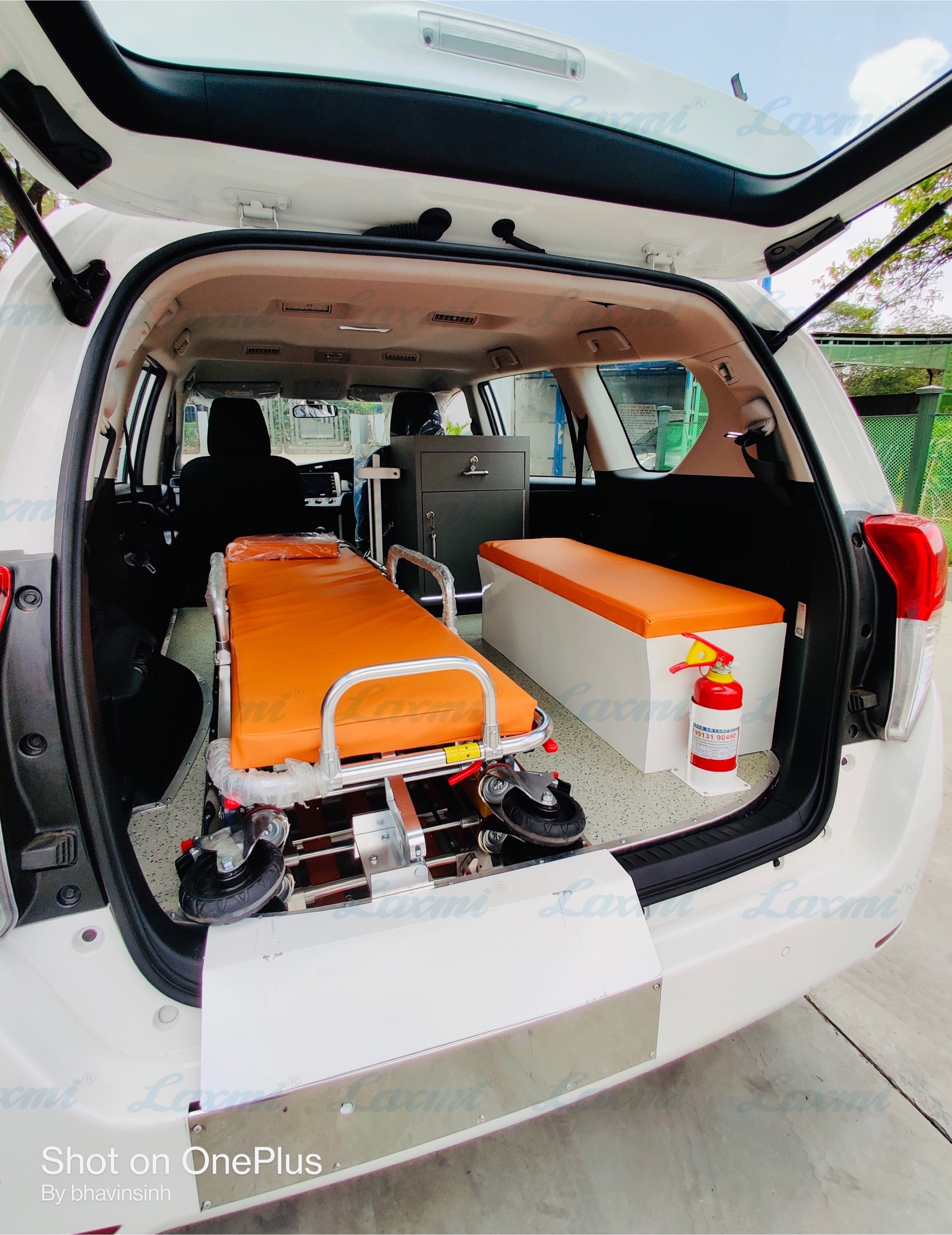
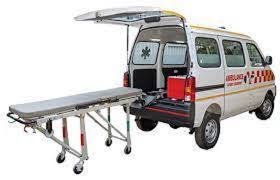
The primary uses of stretcher trolleys include transporting patients from emergency rooms to different units, facilitating movement during medical procedures, and providing a safe means of transit for patients with limited mobility. They are also employed in ambulances and during outdoor medical emergencies. The versatility of stretcher trolleys makes them indispensable in various healthcare settings, ensuring that patients receive timely care.
In the context of the healthcare industry, stretcher trolleys play a crucial role in enhancing patient care and operational efficiency. The demand for high-quality trolleys has increased due to the growing emphasis on patient safety and comfort. As hospitals and clinics expand their services, the market for stretcher trolleys continues to evolve, with innovations aimed at improving functionality and ease of use.
𝗞𝗲𝘆 𝗙𝗲𝗮𝘁𝘂𝗿𝗲𝘀 𝗮𝗻𝗱 𝗦𝗽𝗲𝗰𝗶𝗳𝗶𝗰𝗮𝘁𝗶𝗼𝗻𝘀
Stretcher trolleys come with a variety of features and specifications designed to enhance their functionality and safety. Understanding these specifications is essential for making informed purchasing decisions.
Key specifications include:
1. Weight Capacity
- Stretcher trolleys typically have a weight capacity ranging from 150 kg to 300 kg.
- This ensures safe transport of various patient sizes.
2. Adjustable Height
- Many trolleys offer height adjustability to accommodate different medical procedures.
- The height range usually varies from 60 cm to 90 cm.
3. Wheel Type
- Stretcher trolleys are equipped with either swivel or fixed wheels.
- Wheel diameters typically range from 10 cm to 20 cm for improved mobility.
4. Material Construction
- Common materials include stainless steel or high-strength aluminum for durability.
- These materials are also resistant to corrosion and easy to clean.
5. Folding Mechanism
- Some models feature a folding design for convenient storage.
- This is particularly useful in space-constrained environments.
6. Safety Features
- Standard safety features include side rails, locking mechanisms, and anti-slip surfaces.
- These features enhance patient security during transport.
7. Mattress Type
- Trolleys may come with foam or gel mattresses for patient comfort.
- Mattress thickness usually ranges from 5 cm to 10 cm.
8. Accessory Options
- Trolleys can be equipped with IV poles, oxygen tank holders, and storage compartments.
- These accessories enhance the trolley's functionality during patient care.
In summary, stretcher trolleys are equipped with essential features that prioritize patient safety and comfort while ensuring ease of use for healthcare providers.
𝗖𝗼𝗺𝗺𝗼𝗻 𝗔𝗽𝗽𝗹𝗶𝗰𝗮𝘁𝗶𝗼𝗻𝘀 𝗮𝗻𝗱 𝗨𝘀𝗲 𝗖𝗮𝘀𝗲𝘀
Stretcher trolleys serve various industries beyond traditional healthcare settings. Their design and functionality make them valuable in different applications.
1. Hospitals: Stretcher trolleys are widely used in hospitals for patient transfers between departments, especially during emergencies or surgeries.
2. Ambulances: In emergency medical services, stretcher trolleys enable quick and efficient patient transport during critical situations.
3. Rehabilitation Centers: These trolleys are used to assist patients with mobility issues in rehabilitation centers, allowing for safe movement and treatment.
4. Nursing Homes: Stretcher trolleys facilitate the transport of elderly patients within nursing homes for medical check-ups and activities.
5. Sports Facilities: In sports medicine, stretcher trolleys provide immediate care for injured athletes, allowing for safe transport from the field to medical facilities.
6. Industrial Settings: Some industries require stretcher trolleys for transporting injured workers to medical stations.
7. Event Medical Services: For large events, stretcher trolleys are essential for providing immediate medical assistance and patient transport.
𝗣𝗿𝗼𝗱𝘂𝗰𝘁 𝗩𝗮𝗿𝗶𝗮𝗻𝘁𝘀 𝗮𝗻𝗱 𝗦𝘂𝗯𝗰𝗮𝘁𝗲𝗴𝗼𝗿𝗶𝗲𝘀
Stretcher trolleys come in various designs to meet specific user needs and preferences. Each variant is tailored for distinct applications.
Standard Stretcher Trolley
This is the most common type, featuring a basic flat design with adjustable height. It is ideal for general hospital use and emergency situations.
Folding Stretcher Trolley
Designed for portability, this variant can be easily folded for storage and transport. It is suitable for outdoor events and emergency response teams.
Heavy-Duty Stretcher Trolley
Built to handle higher weight capacities, this variant is perfect for transporting larger patients or those with mobility challenges. It offers enhanced stability and safety features.
Electric Stretcher Trolley
This variant includes an electric mechanism for adjusting height and position, reducing the physical strain on healthcare workers. It is typically used in surgical environments.
Pediatric Stretcher Trolley
Tailored for children, this variant features child-friendly designs and safety measures. It ensures comfort and security for younger patients during transport.
𝗕𝗲𝗻𝗲𝗳𝗶𝘁𝘀 𝗮𝗻𝗱 𝗔𝗱𝘃𝗮𝗻𝘁𝗮𝗴𝗲𝘀
Stretcher trolleys offer several key benefits that enhance their value in medical settings.
1. Enhanced Safety: Stretcher trolleys are designed with safety features that minimize the risk of patient falls during transport.
2. Improved Comfort: Many models include padded mattresses and adjustable designs that provide comfort for the patient during transit.
3. Increased Efficiency: The mobility and ease of use of stretcher trolleys streamline patient transfers, allowing healthcare providers to focus on care.
4. Versatile Applications: Stretcher trolleys can be used in various settings, from hospitals to outdoor events, making them a versatile asset.
5. Customizable Options: Many trolleys can be tailored with accessories to meet specific medical needs, enhancing their functionality.
6. Durable Construction: High-quality materials ensure that stretcher trolleys are long-lasting and withstand frequent use in demanding environments.
𝗕𝘂𝘆𝗶𝗻𝗴 𝗚𝘂𝗶𝗱𝗲 𝗳𝗼𝗿 𝗕𝟮𝗕 𝗕𝘂𝘆𝗲𝗿𝘀
When sourcing stretcher trolleys, it is essential to consider several factors to ensure you select the right equipment for your needs.
1. Quality Assessment: Evaluate the materials and construction quality of the trolleys. Look for certifications that validate their safety and durability.
2. Supplier Verification: Research and vet suppliers for their reputation and reliability. Ensure they have a history of providing quality products and services.
3. Pricing and MOQ: Understand the price range and minimum order quantities offered by suppliers. This helps in budgeting and planning your procurement.
4. Delivery and Lead Times: Inquire about logistics and expected delivery times to ensure that you can receive the trolleys when needed.
5. Compliance Requirements: Ensure that the trolleys meet relevant regulatory standards for safety and quality in your region. This is crucial for healthcare compliance.
𝗖𝗼𝗺𝗽𝗹𝗶𝗮𝗻𝗰𝗲 𝗮𝗻𝗱 𝗖𝗲𝗿𝘁𝗶𝗳𝗶𝗰𝗮𝘁𝗶𝗼𝗻𝘀
Stretcher trolleys are subject to various industry standards and regulations that ensure safety and quality. Key compliance aspects include:
Quality Standards: Many stretcher trolleys adhere to quality standards such as ISO 9001, which focuses on quality management systems. Compliance with these standards indicates a commitment to consistency and quality.
Industry Certifications: Stretcher trolleys often come with CE certification, which signifies compliance with European health, safety, and environmental protection standards. This certification is crucial for market access in Europe.
Safety and Testing Requirements: Manufacturers must conduct rigorous testing to ensure that their trolleys meet safety requirements. This includes testing for load capacity, stability, and durability.
Regional Compliance Considerations: Different regions may have specific compliance requirements. Buyers should be aware of these regulations to ensure that the trolleys they purchase are suitable for their markets.
𝗪𝗵𝘆 𝗦𝗼𝘂𝗿𝗰𝗲 𝗦𝘁𝗿𝗲𝘁𝗰𝗵𝗲𝗿 𝗧𝗿𝗼𝗹𝗹𝗲𝘆𝘀 𝗳𝗿𝗼𝗺 𝗣𝗲𝗽𝗮𝗴𝗼𝗿𝗮?
Pepagora provides a trusted platform for sourcing stretcher trolleys, offering several key advantages that make it an excellent choice for B2B buyers.
Verified Supplier Network: Pepagora connects buyers with a network of verified suppliers, ensuring that you have access to high-quality products from reputable manufacturers. This verification process builds trust and confidence in your purchasing decisions.
Streamlined RFQ Process: The request for quotation (RFQ) process on Pepagora is designed to be user-friendly and efficient. Buyers can easily submit their requirements and receive competitive quotes from multiple suppliers, simplifying the procurement process.
Trade Assurance and Support: Pepagora offers trade assurance programs that protect buyers throughout the transaction. This includes support for resolving disputes and ensuring that suppliers meet delivery and quality expectations.
Regional Coverage: With a broad geographic reach across India, GCC, and Southeast Asia, Pepagora ensures that you can find suitable suppliers no matter your location. This regional coverage helps in catering to diverse market needs.
In summary, sourcing stretcher trolleys from Pepagora provides access to quality products, reliable suppliers, and a supportive purchasing environment that enhances the overall buying experience.
Newly Added

Recently Added










Why Businesses Trust Pepagora
Thousands of companies trust Pepagora to source smarter and sell faster
Expand Your Sales Globally
25000+Products listed.Get discovered by global buyers
Tools to boost visibility
Build your own catalog

Source Smarter,Grow Faster
4000+Active RFQs
100+ Countries served
Easy Sourcing Tools
