
 IN
INundefined
Sticky Traps (Yellow, Blue)
2 products available
What are Sticky Traps (Yellow, Blue)?
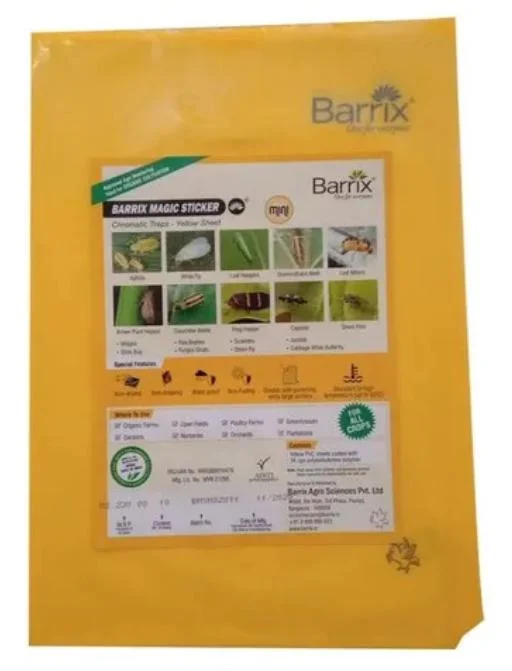
Sticky traps are effective pest control devices used primarily in agricultural and industrial settings. These traps attract and capture flying insects using a sticky adhesive layer coated on a colored surface. Yellow sticky traps are particularly effective for capturing aphids, whiteflies, and fungus gnats, while blue sticky traps are more suited for thrips and other similar pests. The color of the traps plays a crucial role in attracting specific types of insects, making them a valuable tool for pest management.
Businesses utilize sticky traps in various applications, including greenhouses, warehouses, and food processing facilities. These traps help monitor pest populations, reduce the use of chemical pesticides, and minimize crop damage. By providing a clear indication of pest activity, sticky traps allow businesses to make informed decisions about pest control measures. The demand for sticky traps has grown in response to increased awareness of sustainable farming practices and the need for integrated pest management solutions.
Sticky traps hold significant relevance across different industries. In agriculture, they contribute to healthier crop yields, while in food safety, they help maintain hygiene standards. The market for sticky traps continues to expand as more businesses recognize their effectiveness in pest monitoring and control.
𝗞𝗲𝘆 𝗙𝗲𝗮𝘁𝘂𝗿𝗲𝘀 𝗮𝗻𝗱 𝗦𝗽𝗲𝗰𝗶𝗳𝗶𝗰𝗮𝘁𝗶𝗼𝗻𝘀
Sticky traps come with a range of features that enhance their effectiveness and usability. Understanding these specifications is essential for selecting the right product for your needs.
Key specifications include:
1. Adhesive Quality
- Strong, long-lasting adhesive that retains its effectiveness over time.
- Ensures maximum insect capture rates.
2. Color Coding
- Yellow for flying pests like aphids and whiteflies.
- Blue for thrips and other specific pests.
3. Size Options
- Various dimensions available, typically ranging from small to large formats.
- Allows for flexibility in placement, depending on the area of use.
4. Material Composition
- Made from durable materials to withstand environmental conditions.
- Typically non-toxic and safe for use in food-related industries.
5. UV Stability
- Designed to resist degradation from sunlight exposure.
- Prolongs the life of the trap in outdoor settings.
6. Easy Installation
- Simple to hang or place in desired locations.
- User-friendly design for quick setup.
7. Non-Toxic Formula
- Safe for use around children and pets.
- Environmentally friendly option for pest control.
8. Versatile Applications
- Suitable for indoor and outdoor use.
- Effective in various settings, including homes, farms, and commercial spaces.
These features collectively contribute to the effectiveness and reliability of sticky traps, making them essential tools in pest management strategies.
𝗖𝗼𝗺𝗺𝗼𝗻 𝗔𝗽𝗽𝗹𝗶𝗰𝗮𝘁𝗶𝗼𝗻𝘀 𝗮𝗻𝗱 𝗨𝘀𝗲 𝗖𝗮𝘀𝗲𝘀
Sticky traps have diverse applications across multiple industries, providing effective pest monitoring and control.
1. Agriculture: In agricultural settings, sticky traps are used to monitor and control pest populations in crops, reducing the need for chemical pesticides and promoting sustainable farming practices.
2. Greenhouses: Greenhouse operators use sticky traps to protect delicate plants from flying insects, ensuring healthier growth and higher yields.
3. Food Processing: In food processing facilities, sticky traps help maintain hygiene by capturing pests that can contaminate products, supporting compliance with food safety regulations.
4. Warehousing: Warehouses utilize sticky traps to monitor pest activity in storage areas, preventing infestations that could lead to product loss.
5. Residential: Homeowners use sticky traps to control insect populations in gardens and living spaces, providing a non-toxic solution for pest issues.
6. Horticulture: Horticulturists incorporate sticky traps in nurseries to protect young plants from pests, ensuring successful plant development.
7. Landscaping: Landscapers apply sticky traps in outdoor environments to manage pest populations that may damage ornamental plants and lawns.
𝗣𝗿𝗼𝗱𝘂𝗰𝘁 𝗩𝗮𝗿𝗶𝗮𝗻𝘁𝘀 𝗮𝗻𝗱 𝗦𝘂𝗯𝗰𝗮𝘁𝗲𝗴𝗼𝗿𝗶𝗲𝘀
Sticky traps are available in various formats to cater to different needs and preferences. The diversity of these products allows users to select the most suitable option for their specific applications.
Yellow Sticky Traps
These traps are designed to attract and capture pests such as aphids and whiteflies. Their bright color effectively lures insects, making them an essential tool for monitoring pest populations in agricultural settings.
Blue Sticky Traps
Blue traps are specifically formulated to attract thrips and other similar pests. Their distinct color makes them ideal for targeted pest control in various environments, including greenhouses and nurseries.
𝗕𝗲𝗻𝗲𝗳𝗶𝘁𝘀 𝗮𝗻𝗱 𝗔𝗱𝘃𝗮𝗻𝘁𝗮𝗴𝗲𝘀
Sticky traps offer numerous advantages that make them a preferred choice for pest management.
1. Non-Toxic Solution: Sticky traps provide a safe and chemical-free alternative to traditional pesticides, making them suitable for various environments.
2. Easy Monitoring: The visual capture of insects allows for straightforward monitoring of pest populations, enabling timely intervention when necessary.
3. Cost-Effective: Sticky traps are an affordable pest control option, reducing the need for expensive chemical treatments and labor costs associated with pest management.
4. Versatile Use: These traps can be used in various settings, from agricultural fields to residential gardens, making them highly adaptable.
5. Minimal Maintenance: Sticky traps require little upkeep, as they simply need to be placed in the desired location and checked periodically.
6. Environmental Benefits: By reducing pesticide use, sticky traps contribute to more sustainable pest management practices, benefiting both the environment and public health.
𝗕𝘂𝘆𝗶𝗻𝗴 𝗚𝘂𝗶𝗱𝗲 𝗳𝗼𝗿 𝗕𝟮𝗕 𝗕𝘂𝘆𝗲𝗿𝘀
When sourcing Sticky Traps (Yellow, Blue), it is essential for B2B buyers to consider several factors to ensure they make informed decisions.
1. Quality Assessment: Look for traps with strong adhesive quality and durability. Review supplier certifications and customer feedback to verify product integrity.
2. Supplier Verification: Vet suppliers by checking their reputation, quality control processes, and compliance with industry standards. Established suppliers typically offer better reliability.
3. Pricing and MOQ: Compare prices among suppliers, but also consider the minimum order quantity (MOQ) requirements. Understanding pricing structures can help in budgeting.
4. Delivery and Lead Times: Clarify delivery timelines with suppliers to avoid disruptions in pest management activities. Timely delivery is crucial for maintaining pest control effectiveness.
5. Compliance Requirements: Ensure that the selected products meet relevant industry regulations and safety standards. Compliance with certifications like CE is essential for product legitimacy.
𝗖𝗼𝗺𝗽𝗹𝗶𝗮𝗻𝗰𝗲 𝗮𝗻𝗱 𝗖𝗲𝗿𝘁𝗶𝗳𝗶𝗰𝗮𝘁𝗶𝗼𝗻𝘀
Compliance and certifications are critical factors for ensuring the quality and safety of Sticky Traps (Yellow, Blue). These traps should adhere to relevant quality standards, such as ISO 9001, which ensures consistent quality management systems throughout the manufacturing process.
Additionally, industry certifications like CE indicate that the products meet European safety, health, and environmental protection standards. This compliance assures buyers of the product's reliability and effectiveness.
Safety and testing requirements also play a vital role in the production of sticky traps. Manufacturers must conduct tests to confirm that their products are safe for use in various environments, especially where food safety is a concern.
Regional compliance considerations should also be taken into account. Different regions may have specific regulations governing pest control products, and manufacturers must ensure that their sticky traps comply with these guidelines.
Why Source Sticky Traps (Yellow, Blue) from Pepagora?
Pepagora provides a trusted platform for sourcing Sticky Traps (Yellow, Blue) with several key advantages that cater to B2B buyers.
Verified Supplier Network: Pepagora connects buyers with a network of verified suppliers. This network ensures that buyers can access high-quality products with assurance regarding supplier credibility.
Streamlined RFQ Process: The request for quotation (RFQ) process on Pepagora is designed to be user-friendly, allowing buyers to quickly compare offers and select the best options for their needs. This efficiency saves time and resources.
Trade Assurance and Support: Buyers can benefit from trade assurance features that protect their transactions. This support includes buyer protection measures that provide peace of mind when sourcing products.
Regional Coverage: Pepagora extends its services across various regions, including India, the GCC, and Southeast Asia. This geographic reach enables buyers to find local suppliers, facilitating easier logistics and communication.
In summary, Pepagora's platform offers B2B buyers a reliable and efficient solution for sourcing Sticky Traps (Yellow, Blue), ensuring they have access to the products they need for effective pest management.
Newly Added



Recently Added
Cleantech Services
Nilfisk Commercial Vacuum Cleaner Wet Dry Industrial Cleaning
Industrial Vacuum Cleaners For Factories And Warehouses Heavy Duty
Industrial Commercial Manual Sweeper 920mm Width 40L Hopper 32kg Lightweight
Balaji Agrotech
Commercial Farm Barrix Catch Vegetable Fly Trap Plastic UV Round
High Efficiency Destoner Machine For Rice Wheat Pulses 500 2000 kg/hr
Automatic Pulses Grading Machine 4 5 T/hr High Throughput ISO CE Certified
Why Businesses Trust Pepagora
Thousands of companies trust Pepagora to source smarter and sell faster
Expand Your Sales Globally
25000+Products listed.Get discovered by global buyers
Tools to boost visibility
Build your own catalog

Source Smarter,Grow Faster
4000+Active RFQs
100+ Countries served
Easy Sourcing Tools
