
 IN
INundefined
Stevia & Giloy Plants
3 products available
𝗪𝗵𝗮𝘁 𝗮𝗿𝗲 𝗦𝘁𝗲𝘃𝗶𝗮 & 𝗚𝗶𝗹𝗼𝘆 𝗣𝗹𝗮𝗻𝘁𝘀?
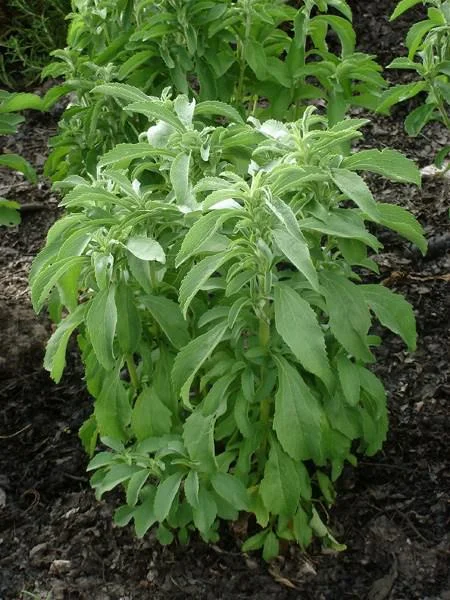
Stevia and Giloy are two significant plants that have gained attention in various industries for their health benefits and applications. Stevia, scientifically known as Stevia rebaudiana, is a natural sweetener derived from the leaves of the plant. It is known for its ability to provide sweetness without calories, making it a popular alternative to sugar. On the other hand, Giloy, or Tinospora cordifolia, is an herb renowned in traditional medicine, particularly in Ayurveda, for its immune-boosting properties.
The primary uses of Stevia include its incorporation in the food and beverage industry as a sugar substitute, while Giloy is often used in dietary supplements and herbal formulations. The growing demand for natural and organic products has positioned both plants favorably in the market. Businesses that focus on health and wellness are increasingly incorporating these plants into their product lines, driven by consumer preferences for healthier alternatives and natural ingredients.
In the broader industry context, the market for natural sweeteners and herbal products is expanding rapidly due to the rising health consciousness among consumers. Stevia is gaining traction in the food industry, while Giloy is being integrated into wellness products. This trend indicates a strong potential for businesses involved in sourcing and supplying these plants, as they align with the increasing demand for sustainable and health-focused solutions.
𝗞𝗲𝘆 𝗙𝗲𝗮𝘁𝘂𝗿𝗲𝘀 𝗮𝗻𝗱 𝗦𝗽𝗲𝗰𝗶𝗳𝗶𝗰𝗮𝘁𝗶𝗼𝗻𝘀
Stevia and Giloy plants offer distinct features and specifications that cater to various industrial needs. Understanding these specifications is crucial for businesses looking to incorporate these plants into their product offerings.
Key specifications include:
1. Botanical Classification
- Stevia belongs to the Asteraceae family, while Giloy is part of the Menispermaceae family.
- Each plant has unique growth requirements, including soil type and climate preferences.
2. Nutritional Profile
- Stevia is primarily composed of steviol glycosides, which provide its sweet taste.
- Giloy contains alkaloids, glycosides, and various minerals that contribute to its health benefits.
3. Cultivation Conditions
- Stevia thrives in well-drained soil with moderate temperatures.
- Giloy prefers a warm climate and can grow in various soil types.
4. Harvesting and Processing
- Stevia leaves are harvested and dried for sweetener extraction.
- Giloy stems are typically harvested for medicinal use.
5. Market Trends
- Demand for Stevia is growing in the health food sector.
- Giloy is increasingly popular in herbal supplements and wellness products.
6. Geographic Distribution
- Stevia is cultivated in regions like South America and Asia.
- Giloy grows abundantly in tropical and subtropical areas.
In summary, understanding the features and specifications of Stevia and Giloy plants allows businesses to make informed sourcing decisions, ensuring they meet market demands effectively.
𝗖𝗼𝗺𝗺𝗼𝗻 𝗔𝗽𝗽𝗹𝗶𝗰𝗮𝘁𝗶𝗼𝗻𝘀 𝗮𝗻𝗱 𝗨𝘀𝗲 𝗖𝗮𝘀𝗲𝘀
Stevia and Giloy plants serve various industries, each with specific applications that highlight their versatility.
1. Food and Beverage Industry: Stevia is widely used as a natural sweetener in beverages, baked goods, and other food products. Its zero-calorie feature makes it highly desirable for health-conscious consumers.
2. Nutraceutical Industry: Giloy is often included in dietary supplements due to its immune-enhancing properties. It is used in pills, powders, and herbal teas.
3. Pharmaceutical Industry: Both plants are utilized in the formulation of natural remedies and medications. Stevia may be included in sugar-free formulations, while Giloy is recognized for its therapeutic benefits.
4. Cosmetics Industry: The antioxidant properties of Giloy make it a valuable ingredient in skincare products. It is used for its anti-aging and skin-soothing effects.
5. Agriculture: Stevia cultivation is on the rise, with farmers seeking to diversify their crops. Its low agricultural impact makes it an attractive option for sustainable farming.
6. Wellness and Health Products: Giloy is featured in various health products aimed at boosting immunity and overall wellness, appealing to the growing demand for health-enhancing solutions.
In summary, both Stevia and Giloy plants find diverse applications across multiple industries, driven by their health benefits and market demand.
𝗣𝗿𝗼𝗱𝘂𝗰𝘁 𝗩𝗮𝗿𝗶𝗮𝗻𝘁𝘀 𝗮𝗻𝗱 𝗦𝘂𝗯𝗰𝗮𝘁𝗲𝗴𝗼𝗿𝗶𝗲𝘀
Stevia and Giloy plants come in various forms, allowing businesses to select the most appropriate variant for their needs.
Stevia Extract
This variant is a concentrated form of Stevia, offering intense sweetness without calories. It is commonly used in food and beverage applications where sugar reduction is desired.
Giloy Powder
Giloy powder is made from dried Giloy stems and is used in dietary supplements and wellness products. It is valued for its ease of incorporation into various formulations.
Stevia Leaves
Whole Stevia leaves can be used for direct consumption or as a natural sweetener. This variant is popular among consumers seeking unprocessed food options.
Giloy Juice
Giloy juice is derived from fresh Giloy stems and is consumed for its health benefits. It is often marketed as a health tonic for boosting immunity.
In summary, the diversity of product variants allows businesses to cater to specific consumer needs and preferences, enhancing their product offerings.
𝗕𝗲𝗻𝗲𝗳𝗶𝘁𝘀 𝗮𝗻𝗱 𝗔𝗱𝘃𝗮𝗻𝘁𝗮𝗴𝗲𝘀
Stevia and Giloy plants offer numerous benefits that make them attractive to businesses and consumers alike.
Key benefits include:
1. Natural Sweetener: Stevia provides a zero-calorie alternative to sugar, appealing to health-conscious consumers and those managing dietary restrictions.
2. Immune Support: Giloy is known for its immune-boosting properties, making it a popular choice in wellness products.
3. Versatile Applications: Both plants can be used in various industries, from food and beverages to cosmetics and nutraceuticals.
4. Sustainable Sourcing: Stevia and Giloy are often cultivated in environmentally friendly ways, aligning with consumer preferences for sustainable products.
5. Growing Market Demand: The rising interest in natural and organic products enhances the market potential for both plants.
6. Rich Nutritional Profile: Both plants offer unique nutritional benefits, contributing to overall health and wellness.
In summary, the advantages of Stevia and Giloy plants create significant opportunities for businesses looking to innovate and meet consumer demands in a competitive landscape.
𝗕𝘂𝘆𝗶𝗻𝗴 𝗚𝘂𝗶𝗱𝗲 𝗳𝗼𝗿 𝗕𝟮𝗕 𝗕𝘂𝘆𝗲𝗿𝘀
When sourcing Stevia and Giloy plants, businesses should consider several critical factors to ensure they make informed purchasing decisions.
1. Quality Assessment: Evaluate the quality of the plants based on appearance, freshness, and nutritional content. Request samples if possible to assess quality firsthand.
2. Supplier Verification: Vet suppliers to ensure they have a good reputation and meet industry standards. Check for certifications and customer reviews to gauge reliability.
3. Pricing and MOQ: Understand the pricing structure and minimum order quantities (MOQ) set by suppliers. This information is essential for budgeting and cost management.
4. Delivery and Lead Times: Inquire about shipping options and lead times for delivery. Timely delivery is crucial for maintaining production schedules.
5. Compliance Requirements: Ensure that the products meet relevant regulatory standards. Familiarize yourself with quality certifications that apply to Stevia and Giloy plants.
In summary, thorough consideration of these factors will enable B2B buyers to make informed decisions when sourcing Stevia and Giloy plants, ultimately supporting their business objectives.
𝗖𝗼𝗺𝗽𝗹𝗶𝗮𝗻𝗰𝗲 𝗮𝗻𝗱 𝗖𝗲𝗿𝘁𝗶𝗳𝗶𝗰𝗮𝘁𝗶𝗼𝗻𝘀
Compliance and certifications are crucial for businesses sourcing Stevia and Giloy plants. Adhering to relevant quality standards ensures product safety and reliability.
ISO 9001 is a widely recognized standard that outlines quality management principles. Suppliers with this certification demonstrate a commitment to consistent quality and customer satisfaction.
HACCP (Hazard Analysis Critical Control Point) is essential for food safety, particularly for Stevia, which is used in food products. Compliance with HACCP guidelines ensures that risks are minimized throughout the production process.
GDP (Good Distribution Practice) standards also apply, ensuring that products are stored and transported under conditions that maintain their quality.
In addition, CE (Conformité Européenne) certification is relevant for products entering the European market, verifying that the products meet safety and health requirements.
Businesses must also consider regional compliance. Different countries may have specific regulations governing the cultivation, processing, and sale of herbal products. Staying informed about these regulations is vital for successful market entry.
In summary, adhering to compliance and certification standards is essential for businesses to ensure the safety and quality of Stevia and Giloy plants in the marketplace.
𝗪𝗵𝘆 𝗦𝗼𝘂𝗿𝗰𝗲 𝗦𝘁𝗲𝘃𝗶𝗮 & 𝗚𝗶𝗹𝗼𝘆 𝗣𝗹𝗮𝗻𝘁𝘀 𝗳𝗿𝗼𝗺 𝗣𝗲𝗽𝗮𝗴𝗼𝗿𝗮?
Pepagora provides a trusted platform for sourcing Stevia and Giloy plants, offering several key advantages that benefit B2B buyers.
Verified Supplier Network: Pepagora connects buyers with a network of verified suppliers who meet strict quality and safety standards. This ensures that buyers receive high-quality products that align with their needs.
Streamlined RFQ Process: The platform features a user-friendly Request for Quotation (RFQ) system, allowing buyers to easily communicate their requirements and receive competitive quotes from multiple suppliers. This efficiency simplifies the sourcing process.
Trade Assurance and Support: Pepagora offers trade assurance, providing buyers with protection against supply chain uncertainties. This support includes assistance with payment and shipment, ensuring a smooth transaction experience.
Regional Coverage: With a focus on regions like India, the GCC, and Southeast Asia, Pepagora offers extensive geographic reach. This allows buyers to access a diverse range of suppliers and products tailored to regional preferences.
In summary, sourcing Stevia and Giloy plants from Pepagora provides businesses with a reliable and efficient solution, enhancing their ability to meet market demands and drive growth.
Newly Added


Recently Added
Plantek International
Cordyline Sundance Plant Pink Striped Green Leaves Landscaping
Commercial Landscaping Cordyline Crimson Star Compact Red Foliage Plant
Premium Cordyline Australis Krakatoa Plants With Striking Foliage
Jhanil Healthcare Pvt Ltd
Sugar Free Instant Premix Coffee Rich Aromatic Blends
Premium Stevia Green Powder Natural Zero Calorie Sweetener
Moringa Capsules Premium Nutrition Vitamins Antioxidants
Why Businesses Trust Pepagora
Thousands of companies trust Pepagora to source smarter and sell faster
Expand Your Sales Globally
25000+Products listed.Get discovered by global buyers
Tools to boost visibility
Build your own catalog

Source Smarter,Grow Faster
4000+Active RFQs
100+ Countries served
Easy Sourcing Tools
