
 IN
INundefined
Stethoscopes (Standard & Digital)
10 products available
What are Stethoscopes (Standard & Digital)?
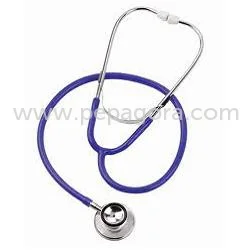
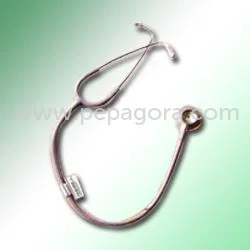
Stethoscopes are essential medical instruments used primarily for auscultation, or listening to the internal sounds of an animal or human body. They consist of a long tube attached to a chest piece that contains microphones to amplify sounds such as heartbeats and lung sounds. There are two main types of stethoscopes: standard and digital. Standard stethoscopes rely on analog technology, while digital stethoscopes utilize electronic amplification and may provide additional features such as sound recording and visual displays.
In the healthcare sector, stethoscopes are widely used by physicians, nurses, and other healthcare professionals. Their primary applications include diagnosing conditions related to the heart, lungs, and other organs. Stethoscopes are indispensable tools in clinical settings, enabling practitioners to gather critical information during examinations. The market for stethoscopes continues to grow as advancements in technology enhance their functionality and accuracy, making them relevant in both traditional and telehealth applications.
𝗞𝗲𝘆 𝗙𝗲𝗮𝘁𝘂𝗿𝗲𝘀 𝗮𝗻𝗱 𝗦𝗽𝗲𝗰𝗶𝗳𝗶𝗰𝗮𝘁𝗶𝗼𝗻𝘀
When considering stethoscopes, it is crucial to understand their key features and specifications. These instruments vary in design, materials, and functionality, catering to different professional needs and preferences.
Key specifications include:
1. Acoustic Performance
- Standard stethoscopes typically offer basic acoustic performance, while digital models provide enhanced sound quality.
- Digital stethoscopes may feature sound amplification and noise reduction capabilities.
2. Chest Piece Design
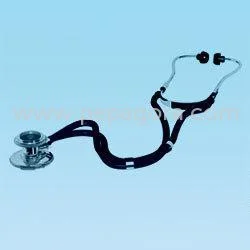
- Chest pieces can be single or dual-head, allowing for versatility in auscultation.
- Material construction often includes stainless steel or high-quality plastic for durability.
3. Tubing
- Tubes are generally made from PVC or latex-free materials to ensure flexibility and comfort.
- Lengths may vary, affecting the overall acoustic transmission quality.
4. Weight
- The weight of the stethoscope can impact usability, especially for long-term use.
- Lightweight models are often preferred for comfort.
5. Warranty
- Many stethoscopes come with a warranty period, ranging from one to five years.
- Warranty details can indicate the manufacturer's confidence in product durability.
6. Ease of Cleaning
- Stethoscopes should be easy to clean and maintain for hygiene purposes.
- Materials that resist staining and corrosion are favored.
7. Customization Options
- Some stethoscope brands offer customization, including color choices and personalization.
- This feature can enhance brand identity for healthcare practices.
8. Price Range
- Standard stethoscopes typically range from low to mid-range pricing.
- Digital stethoscopes often command higher prices due to advanced features.
In summary, understanding the specifications and features of stethoscopes is essential for selecting the right model for healthcare needs.
𝗖𝗼𝗺𝗺𝗼𝗻 𝗔𝗽𝗽𝗹𝗶𝗰𝗮𝘁𝗶𝗼𝗻𝘀 𝗮𝗻𝗱 𝗨𝘀𝗲 𝗖𝗮𝘀𝗲𝘀
Stethoscopes are utilized across various industries beyond just healthcare.
1. Healthcare: In hospitals and clinics, stethoscopes are crucial for diagnosing heart and lung conditions, allowing healthcare professionals to provide timely treatment.
2. Veterinary Medicine: Veterinarians use stethoscopes to assess the health of animals, monitoring vital signs and diagnosing diseases in pets and livestock.
3. Emergency Services: Paramedics and first responders rely on stethoscopes to evaluate patients' conditions in emergencies, facilitating rapid decision-making.
4. Telemedicine: With the rise of telehealth, digital stethoscopes enable remote monitoring and consultations, improving access to healthcare.
5. Education: Medical and nursing schools incorporate stethoscopes into their training programs, ensuring students develop vital auscultation skills.
6. Research: In clinical research settings, stethoscopes support data collection by enabling researchers to monitor physiological responses during studies.
7. Occupational Health: Companies use stethoscopes in occupational health assessments to monitor employees' respiratory and cardiovascular health.
𝗣𝗿𝗼𝗱𝘂𝗰𝘁 𝗩𝗮𝗿𝗶𝗮𝗻𝘁𝘀 𝗮𝗻𝗱 𝗦𝘂𝗯𝗰𝗮𝘁𝗲𝗴𝗼𝗿𝗶𝗲𝘀
Stethoscopes come in various models, catering to diverse user needs and preferences.
𝗦𝘁𝗮𝗻𝗱𝗮𝗿𝗱 𝗦𝘁𝗲𝘁𝗵𝗼𝘀𝗰𝗼𝗽𝗲
Standard stethoscopes feature a traditional design with a simple, analog mechanism. They are reliable for general auscultation and are widely used in clinical settings. These stethoscopes are typically more affordable and offer sufficient performance for routine examinations.
𝗗𝗶𝗴𝗶𝘁𝗮𝗹 𝗦𝘁𝗲𝘁𝗵𝗼𝘀𝗰𝗼𝗽𝗲
Digital stethoscopes incorporate advanced technology, providing enhanced sound quality and additional functionalities. Features may include sound amplification, recording capabilities, and connectivity options for data transfer. These models are ideal for healthcare professionals seeking precision and innovation in their diagnostic tools.
𝗕𝗲𝗻𝗲𝗳𝗶𝘁𝘀 𝗮𝗻𝗱 𝗔𝗱𝘃𝗮𝗻𝘁𝗮𝗴𝗲𝘀
Stethoscopes offer numerous benefits that enhance their value in medical practice.
1. Diagnostic Precision: Stethoscopes allow for accurate monitoring of internal body sounds, aiding in precise diagnoses.
2. Versatility: Both standard and digital stethoscopes can be used in various clinical settings, making them adaptable tools for healthcare professionals.
3. Portability: Stethoscopes are lightweight and easy to carry, ensuring that healthcare providers can conduct assessments anywhere.
4. Cost-Effective: Standard stethoscopes are available at affordable prices, making them accessible for a wide range of healthcare facilities.
5. Advanced Features: Digital stethoscopes offer innovative features that improve the accuracy of auscultation and enable data sharing.
6. User-Friendly: Ergonomic designs and intuitive controls make stethoscopes easy to use, even for those with limited experience.
𝗕𝘂𝘆𝗶𝗻𝗴 𝗚𝘂𝗶𝗱𝗲 𝗳𝗼𝗿 𝗕𝟮𝗕 𝗕𝘂𝘆𝗲𝗿𝘀
When sourcing stethoscopes, several factors should be considered to ensure the best purchase decision.
1. Quality Assessment: Evaluate the materials and craftsmanship of the stethoscope to ensure durability and performance. Look for established brands with a reputation for quality.
2. Supplier Verification: Vet suppliers through reviews, certifications, and their history in the medical industry. Ensure they meet regulatory standards.
3. Pricing and MOQ: Understand the pricing structure and minimum order quantities (MOQ) required by suppliers to effectively plan your budget.
4. Delivery and Lead Times: Discuss logistics with suppliers, confirming delivery timelines to avoid disruptions in your operations.
5. Compliance Requirements: Ensure that the stethoscopes meet relevant safety and quality standards, such as CE certification, to align with regulatory needs.
𝗖𝗼𝗺𝗽𝗹𝗶𝗮𝗻𝗰𝗲 𝗮𝗻𝗱 𝗖𝗲𝗿𝘁𝗶𝗳𝗶𝗰𝗮𝘁𝗶𝗼𝗻𝘀
Stethoscopes must adhere to various compliance and certification standards to ensure safety and quality.
Manufacturers often comply with ISO 9001, which focuses on quality management systems. This standard ensures that products meet customer and regulatory requirements consistently.
CE certification is crucial for products sold in Europe, confirming that the stethoscope meets health and safety standards. This certification provides reassurance to buyers regarding the quality and compliance of the product.
In addition to these certifications, stethoscopes may be subject to safety and testing requirements that vary by region. Manufacturers must ensure their products comply with local regulations to facilitate market access.
Regional compliance considerations are also important, particularly for international trade. Understanding the specific regulations in target markets helps to ensure that stethoscopes are legally marketable and safe for use.
Why Source Stethoscopes (Standard & Digital) from Pepagora?
Pepagora offers a reliable platform for sourcing stethoscopes, presenting numerous advantages to B2B buyers.
Verified Supplier Network: Pepagora features a network of verified suppliers, ensuring that buyers can trust the quality and authenticity of the products. This verification process helps mitigate risks associated with sourcing.
Streamlined RFQ Process: The platform provides an efficient request for quotation (RFQ) system, allowing buyers to easily compare offers from multiple suppliers. This process simplifies procurement and helps buyers secure the best deals.
Trade Assurance and Support: Pepagora offers trade assurance, providing buyers with protection against potential issues. Their support team is available to assist in resolving any concerns that may arise during the purchasing process.
Regional Coverage: With a strong presence in regions like India, the GCC, and Southeast Asia, Pepagora facilitates access to a wide array of stethoscopes. This regional focus ensures that buyers can find suitable products tailored to their specific market needs.
Newly Added








Recently Added
Manthan
CE Approved Supralimus Stent With Sirolimus For Coronary Artery Disease
Supralimus Core Sirolimus Eluting Coronary Stent System For Cardiovascular Interventions
Professional Healthcare Optium Xceed Glucometer Blood Glucose Ketone Monitor
Aradhana Surgi Tech
Premium Sports And Daily Mobility Wheelchairs Durable Comfortable Reliable
Premium Hospital Bed Mattresses For Patient Comfort And Durability
ICU Hi Low Bed with Electric Height Adjustment and Safety Features
B. E. P. Edu World
Child CPR Training Manikin with Light Indicators for Medical Education
Nurse Basic Practice Teaching Model BEP 405 5 Part Anatomical Training Tool
CPR Training Manikin with Electronic Monitoring Meets AHA Standards
Aditya Surgical
Medical Surgical Tape Hypoallergenic Breathable For Wound Care
Disposable Surgical Drapes Premium Ahlstrom Fabric Water Repellent
Surgical Incise Drapes Premium Sterile Barrier High Tear Strength
Dhanwantari Medical Systems
Premium Medical Stethoscope For Accurate Auscultation And Durability
Clinical Desk Type Mercury Sphygmomanometer For Accurate Blood Pressure Measurement
Professional Infrared Thermometer For Accurate Non Contact Temperature Screening
Medica Enterprise
Premium Medical Suction Machines For Efficient Mucus Removal
Medical CPAP Machines For Sleep Apnea Therapy With Advanced Features
Clinical High Precision Syringe Pumps for Accurate Medication Delivery
Why Businesses Trust Pepagora
Thousands of companies trust Pepagora to source smarter and sell faster
Expand Your Sales Globally
25000+Products listed.Get discovered by global buyers
Tools to boost visibility
Build your own catalog

Source Smarter,Grow Faster
4000+Active RFQs
100+ Countries served
Easy Sourcing Tools
