
 IN
INundefined
Steel Chains (Link, Roller, Welded)
46 products available
What are Steel Chains (Link, Roller, Welded)?
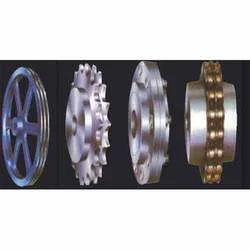
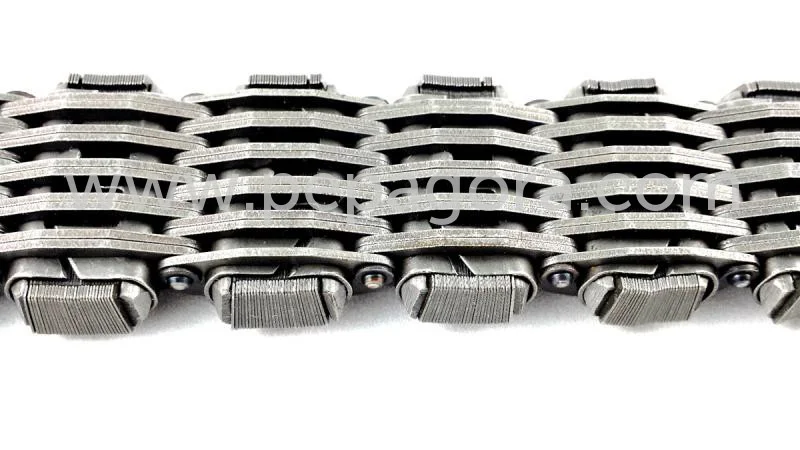
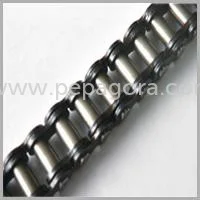
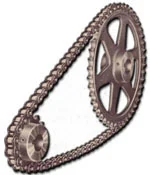
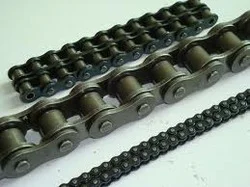
Steel chains are mechanical devices made of interlinked steel components designed to transmit power or movement in a variety of applications. The three primary types are link chains, roller chains, and welded chains. Link chains consist of interconnected links that provide flexibility and strength. Roller chains feature cylindrical rollers that reduce friction during movement, making them ideal for heavy-duty applications. Welded chains are constructed by welding links together for enhanced durability and load-bearing capacity.
These steel chains are widely used in industrial settings such as manufacturing, construction, and transportation. They serve critical functions including hoisting, conveying materials, and providing power transmission in machinery. Businesses leverage these chains for their reliability and strength, ensuring smooth operation in demanding environments. The growing industrial sector and the need for efficient material handling solutions underscore the relevance of steel chains in today's market.
𝗞𝗲𝘆 𝗙𝗲𝗮𝘁𝘂𝗿𝗲𝘀 𝗮𝗻𝗱 𝗦𝗽𝗲𝗰𝗶𝗳𝗶𝗰𝗮𝘁𝗶𝗼𝗻𝘀
Steel chains are characterized by several key features that define their performance and suitability for various applications. Understanding these specifications is crucial when selecting the right type of chain for specific needs.
Key specifications include:
1. Material Composition
- Typically made from high-strength steel for durability
- May include corrosion-resistant coatings
2. Chain Type
- Link chains, roller chains, or welded chains
- Each type offers unique advantages for different applications
3. Pitch Size
- The distance between the centers of adjacent links
- Common sizes range from 1/4 inch to over 2 inches
4. Load Capacity
- Maximum weight the chain can safely carry
- Varies by chain type and size, often specified in pounds or kilograms
5. Working Temperature Range
- The temperature range in which the chain can operate effectively
- Data not available for specific ranges
6. Compliance Standards
- Chains may adhere to industry standards for quality and safety
- Certifications like CE indicate compliance with European regulations
7. Finish and Coating
- Options include galvanization, black oxide, and other treatments
- Affects corrosion resistance and aesthetic appeal
8. Customization Options
- Potential for bespoke designs to meet specific operational requirements
- Data not available for customization details
In summary, knowing the features and specifications of steel chains helps businesses make informed decisions based on their operational needs.
𝗖𝗼𝗺𝗺𝗼𝗻 𝗔𝗽𝗽𝗹𝗶𝗰𝗮𝘁𝗶𝗼𝗻𝘀 𝗮𝗻𝗱 𝗨𝘀𝗲 𝗖𝗮𝘀𝗲𝘀
Steel chains find applications across a range of industries due to their strength and reliability.
1. Manufacturing: Steel chains are essential in assembly lines for transporting materials and components efficiently. They facilitate smooth operations in automated systems.
2. Construction: In construction, steel chains are utilized for hoisting heavy loads, making them vital for cranes and other lifting equipment.
3. Agriculture: Steel chains are employed in agricultural machinery for tasks like harvesting and transporting crops, ensuring durability in harsh environments.
4. Mining: These chains support various equipment in mining operations, providing the necessary strength to handle heavy loads and resist wear.
5. Transportation: Steel chains are integral in conveyor systems for transporting goods in warehouses and distribution centers, enhancing operational efficiency.
6. Forestry: Used in logging equipment, steel chains assist in moving and cutting timber, demonstrating their versatility.
7. Marine: Steel chains are employed in anchoring and mooring applications in the shipping industry, ensuring safety and reliability.
𝗣𝗿𝗼𝗱𝘂𝗰𝘁 𝗩𝗮𝗿𝗶𝗮𝗻𝘁𝘀 𝗮𝗻𝗱 𝗦𝘂𝗯𝗰𝗮𝘁𝗲𝗴𝗼𝗿𝗶𝗲𝘀
Steel chains come in various configurations, each designed for specific applications and performance requirements.
Link Chain
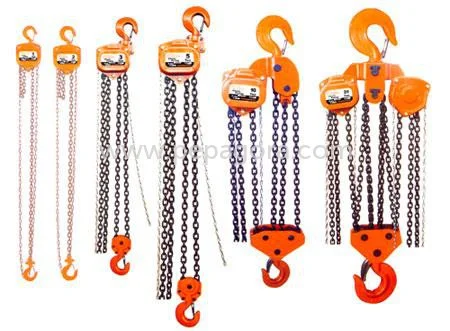
Link chains consist of interconnected links that provide flexibility and strength. They are commonly used for lifting and securing loads in various industries due to their adaptability.
Roller Chain
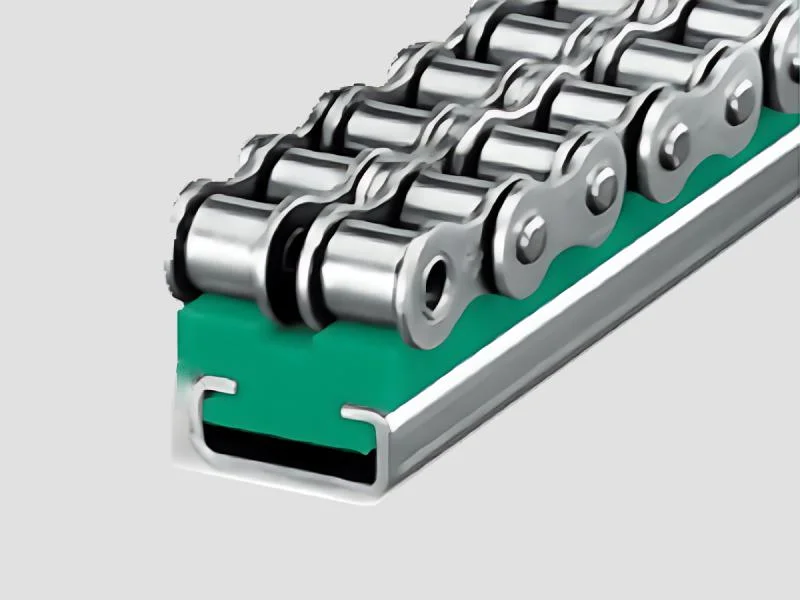
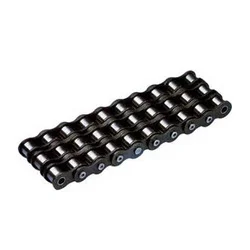
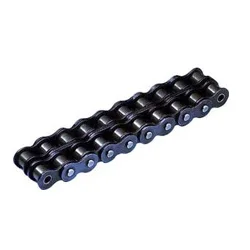
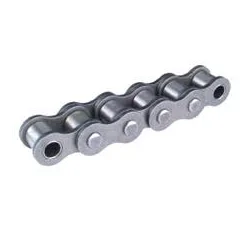
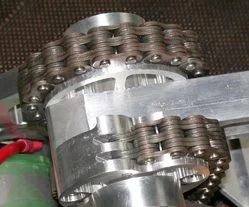
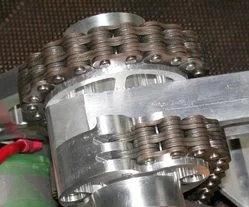
Roller chains feature cylindrical rollers that minimize friction, making them ideal for power transmission in machinery. They are widely used in conveyor systems and automatic machinery.
Welded Chain
Welded chains are made by welding links together for enhanced durability. They are suitable for heavy-duty applications and environments where high strength is required.
𝗕𝗲𝗻𝗲𝗳𝗶𝘁𝘀 𝗮𝗻𝗱 𝗔𝗱𝘃𝗮𝗻𝘁𝗮𝗴𝗲𝘀
Choosing steel chains offers numerous advantages for businesses looking to enhance their operations.
1. High Strength: Steel chains provide significant load-bearing capacity, ensuring they can handle demanding tasks without failure.
2. Durability: Made from robust materials, steel chains resist wear and tear, leading to longer service life and reduced maintenance costs.
3. Versatility: With various types available, steel chains can be tailored for a wide range of applications across different industries.
4. Efficiency: Roller chains reduce friction, contributing to smoother operation and energy savings in machinery.
5. Safety: Compliance with industry standards ensures that steel chains meet safety requirements, minimizing the risk of accidents.
6. Customization: Many suppliers offer customized solutions to meet specific operational needs, enhancing functionality.
𝗕𝘂𝘆𝗶𝗻𝗴 𝗚𝘂𝗶𝗱𝗲 𝗳𝗼𝗿 𝗕𝟮𝗕 𝗕𝘂𝘆𝗲𝗿𝘀
When sourcing steel chains (link, roller, welded), buyers should consider several critical factors to ensure they make informed decisions.
1. Quality Assessment: Evaluate the quality of steel chains by reviewing material specifications and performance characteristics. Look for certifications and compliance with industry standards.
2. Supplier Verification: Conduct thorough background checks on suppliers to ensure they have a proven track record of reliability and quality. Request references and reviews from previous clients.
3. Pricing and MOQ: Understand the pricing structure and minimum order quantities (MOQ) required by suppliers. Compare quotes from multiple sources to ensure competitive pricing.
4. Delivery and Lead Times: Assess the supplier's ability to meet delivery deadlines. Factor in lead times when planning for procurement to avoid operational delays.
5. Compliance Requirements: Ensure that the chains meet necessary compliance and safety regulations specific to the industry and region. This is crucial for maintaining operational integrity and avoiding penalties.
𝗖𝗼𝗺𝗽𝗹𝗶𝗮𝗻𝗰𝗲 𝗮𝗻𝗱 𝗖𝗲𝗿𝘁𝗶𝗳𝗶𝗰𝗮𝘁𝗶𝗼𝗻𝘀
Steel chains must adhere to various quality standards and certifications to ensure reliability and safety in industrial applications. One of the most recognized standards is ISO 9001, which outlines requirements for a quality management system. Compliance with ISO 9001 indicates that a manufacturer follows best practices for quality assurance.
Additionally, the CE mark signifies that the product meets European safety, health, and environmental protection standards. This certification is vital for companies looking to export their products to European markets.
Safety and testing requirements also play a crucial role in the compliance landscape. Chains undergo rigorous testing to assess their strength, durability, and performance under various conditions. Regional compliance considerations may vary, necessitating awareness of local regulations when sourcing steel chains.
Why Source Steel Chains (Link, Roller, Welded) from Pepagora?
Pepagora offers a reliable platform for sourcing steel chains (link, roller, welded) with significant advantages for B2B buyers.
Verified Supplier Network: The platform connects buyers with a network of verified suppliers, ensuring access to quality products and reducing the risk of fraud. This network fosters trust and reliability in procurement.
Streamlined RFQ Process: Pepagora simplifies the request for quotation (RFQ) process, allowing buyers to easily compare offers from multiple suppliers. This efficiency helps businesses make quicker decisions.
Trade Assurance and Support: Buyers benefit from trade assurance features that protect their transactions. This support provides peace of mind, knowing that their investments are safeguarded.
Regional Coverage: With a geographic reach spanning India, the GCC, and Southeast Asia, Pepagora facilitates access to suppliers across diverse markets. This regional coverage enhances options for sourcing steel chains tailored to specific local needs.
Newly Added


Recently Added
Norton Industries
Industrial PIV Gear Boxes For Variable Speed Control And Power Transmission
Industrial PIV Gear Box OEM Supply Metal Construction Easy Install
Heavy Duty Paver Finisher Chains For Road Construction Machinery
Abi Aakash Machine Works
Industrial Low Carbon Steel Tin Plated Bushings 5mm To 32mm OEM
Electrical Seal Off Bushings Low Carbon Steel Tin Plating Durable
Industrial Tin Plated Steel Bushings For OEM Machinery
Bakshi Enterprises
Premium Poly V Belts For Automotive And Agricultural Machinery
Industrial GI Pipes 10 100mm NB 1.80 5.40mm Thickness
Industrial PU Tubes Durable Flexible Abrasion Oil Chemical Resistant
National Engineers India
Industrial Power Transmission Bushed Roller Chains For Heavy Machinery
Industrial Power Transmission Roller Chains ANSI BS/DIN Compliant
Redler Chains For Horizontal Inclined Vertical Conveying Of Grains
Amar Enterprises
Industrial Heavy Duty Chain Hoists For Manufacturing Construction Warehouses
Industrial Chain Pulley Blocks For Heavy Duty Lifting And Pulling
Industrial Couplings For Automotive, Printing, And Engineering
Vidhi Engineering Product
Industrial Coupling Rubber Premium Cushioning Grip Vibration Dampening
Industrial C.I. Motor Rails For Precise Shaft Alignment And Durability
Industrial Power Transmission RRL Couplings Durable Cast Iron Steel
Jai Vinayak Enterprises
Industrial Heavy Duty Bucket Elevators For Bulk Material Transport
Industrial Heavy Duty Slat Conveyor For Material Handling
Industrial Printing Drum Rollers Corrosion Resistant Durable
Sri Rama Marketing Associates
Industrial Oil Resistant V Belt For Power Transmission
Industrial Raw Edge Cogged V Belts Heat Resistant Rubber Durable
Industrial Rubber Flat Belt For Precision Power Transmission
Apex Gear Craft
Industrial Machinery Parts For Construction And Manufacturing Sectors
Industrial Metal V Belt Pulleys For Power Transmission Systems
Industrial Automation Precision Metal Timing Pulleys For Power Transmission
Fenil Trading Company
Premium Industrial Bearings For Heavy Machinery Reliability And Smooth Operation
Industrial Welding Rods Premium Arc Stability Weld Integrity
Industrial Ln Key Bolts High Tensile Strength Precision Fastening
Why Businesses Trust Pepagora
Thousands of companies trust Pepagora to source smarter and sell faster
Expand Your Sales Globally
25000+Products listed.Get discovered by global buyers
Tools to boost visibility
Build your own catalog

Source Smarter,Grow Faster
4000+Active RFQs
100+ Countries served
Easy Sourcing Tools
