
 IN
INundefined
Stainless Steel Fittings
65 products available
𝗪𝗵𝗮𝘁 𝗮𝗿𝗲 𝗦𝘁𝗮𝗶𝗻𝗹𝗲𝘀𝘀 𝗦𝘁𝗲𝗲𝗹 𝗙𝗶𝘁𝘁𝗶𝗻𝗴𝘀?
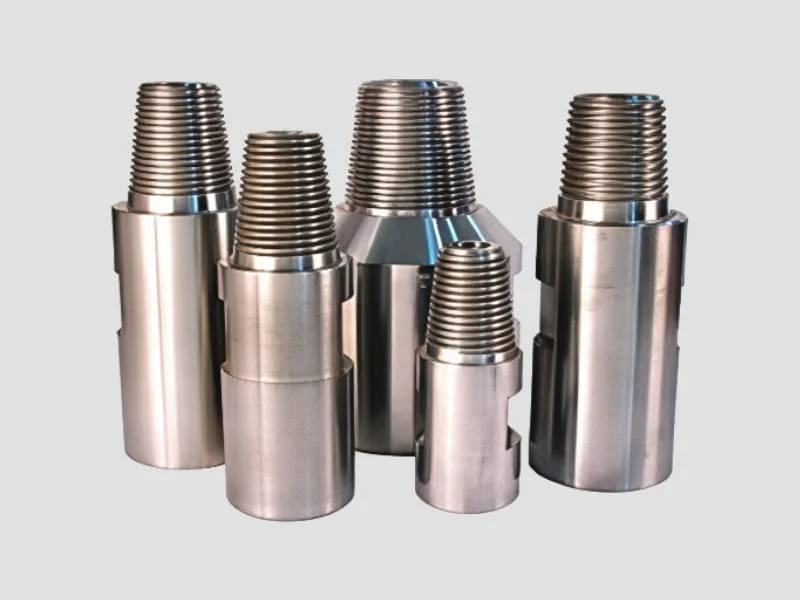
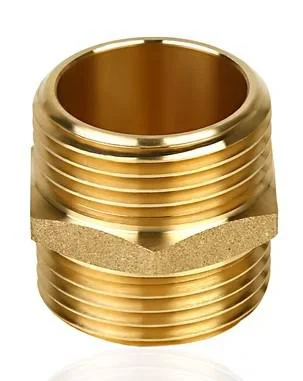
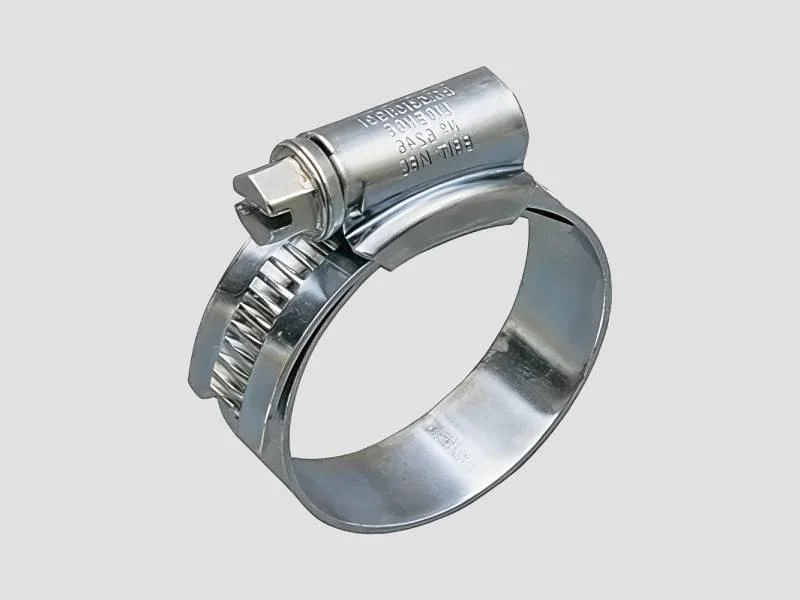
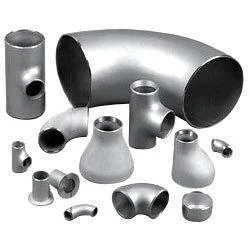
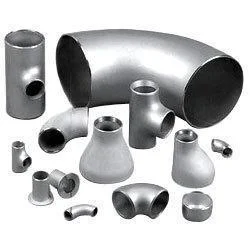
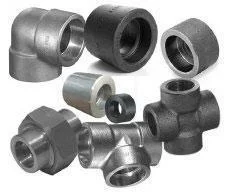
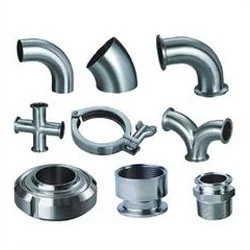
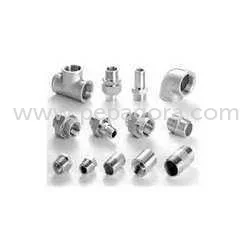
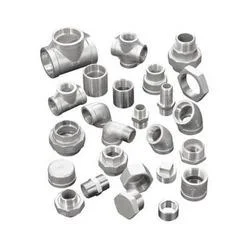
Stainless steel fittings are essential components used to connect various piping systems. They are manufactured from stainless steel, a durable and corrosion-resistant material, making them ideal for a range of industries. These fittings come in various shapes and sizes, including elbows, tees, reducers, and couplings, designed to facilitate the seamless flow of fluids and gases in industrial applications.
The primary uses of stainless steel fittings include plumbing, heating, and cooling systems, where they ensure secure connections between pipes. They are widely utilized in the food and beverage industry, pharmaceuticals, and chemical processing, where hygiene and safety are paramount. The relevance of stainless steel fittings in these sectors is underscored by their ability to withstand extreme temperatures and pressures, ensuring reliable and efficient operation in demanding environments.
As industries continue to prioritize safety and efficiency, the demand for stainless steel fittings remains strong. The market context reflects a growing trend towards sustainable and long-lasting solutions, positioning stainless steel fittings as a preferred choice for businesses looking to invest in quality infrastructure.
𝗞𝗲𝘆 𝗙𝗲𝗮𝘁𝘂𝗿𝗲𝘀 𝗮𝗻𝗱 𝗦𝗽𝗲𝗰𝗶𝗳𝗶𝗰𝗮𝘁𝗶𝗼𝗻𝘀
When evaluating stainless steel fittings, several key features and specifications define their performance and usability. Understanding these specifications helps buyers choose the right fittings for their specific applications.
Key specifications include:
1. Material Grade
- Typically made from 304 or 316 stainless steel
- Offers varying levels of corrosion resistance
2. Pressure Rating
- Rated for different pressure classes, often ranging from 150 to 300 psi
- Ensures compatibility with system requirements
3. Temperature Range
- Designed to withstand high temperatures, often up to 150°C
- Suitable for hot and cold applications
4. Wall Thickness
- Available in various wall thicknesses to suit different applications
- Affects durability and pressure handling capabilities
5. Connection Type
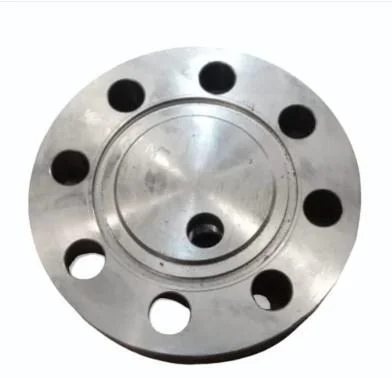
- Options include threaded, welded, and flanged connections
- Facilitates integration with various piping systems
6. Finish
- Can come in different finishes, such as polished or brushed
- Affects aesthetics and cleanliness in hygienic applications
7. Certification
- Compliance with industry standards such as CE certification
- Ensures quality and safety in usage
8. Customization Options
- Potential for custom sizes and configurations
- Allows for tailored solutions based on specific needs
In summary, understanding these features and specifications allows businesses to make informed choices regarding stainless steel fittings, ensuring optimal performance and compatibility in their operations.
𝗖𝗼𝗺𝗺𝗼𝗻 𝗔𝗽𝗽𝗹𝗶𝗰𝗮𝘁𝗶𝗼𝗻𝘀 𝗮𝗻𝗱 𝗨𝘀𝗲 𝗖𝗮𝘀𝗲𝘀
Stainless steel fittings serve a wide array of industries, each with specific applications that highlight their versatility.
1. Food and Beverage Industry: Used to create sanitary piping systems for transporting liquids, ensuring hygiene and safety standards are met.
2. Pharmaceutical Industry: Essential for connecting pipes in sterile environments, minimizing contamination risks in drug manufacturing processes.
3. Chemical Processing: Employed in systems handling corrosive substances, where durability and resistance to chemical reactions are crucial.
4. Oil and Gas Industry: Utilized in pipelines and refineries, where they must withstand high pressure and extreme conditions.
5. HVAC Systems: Integral to heating, ventilation, and air conditioning systems, ensuring efficient airflow and temperature control.
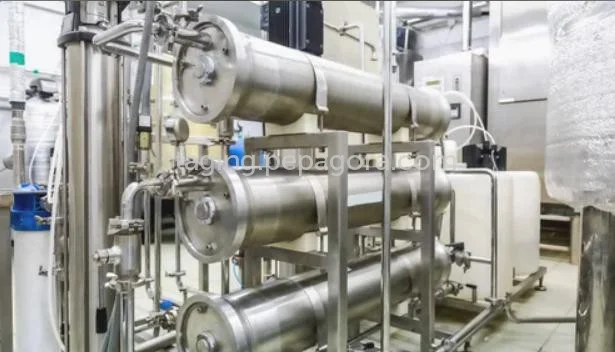
6. Water Treatment Facilities: Used in systems for purifying and distributing water, maintaining high standards of cleanliness and safety.
7. Marine Applications: Suitable for shipbuilding and maintenance, where resistance to saltwater corrosion is essential.
𝗣𝗿𝗼𝗱𝘂𝗰𝘁 𝗩𝗮𝗿𝗶𝗮𝗻𝘁𝘀 𝗮𝗻𝗱 𝗦𝘂𝗯𝗰𝗮𝘁𝗲𝗴𝗼𝗿𝗶𝗲𝘀
The diversity of stainless steel fittings allows for various types designed to meet specific industry needs.
Elbows
Elbows are used to change the direction of the piping system. They come in 45-degree and 90-degree variants, making them suitable for different layout requirements.
Tees
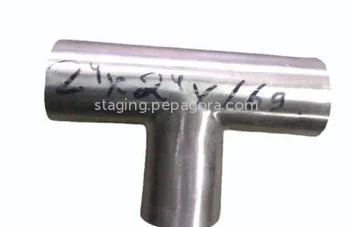
Tees enable the branching of a piping system. They are crucial for creating splits in direction while maintaining flow efficiency.
Reducers
Reducers are designed to connect pipes of different diameters. They help in minimizing turbulence and maintaining flow rates.
Couplings
Couplings are used to connect two sections of pipe. They provide a strong and secure connection, ensuring minimal leakage.
𝗕𝗲𝗻𝗲𝗳𝗶𝘁𝘀 𝗮𝗻𝗱 𝗔𝗱𝘃𝗮𝗻𝘁𝗮𝗴𝗲𝘀
Stainless steel fittings offer numerous benefits that enhance their appeal in industrial applications.
1. Corrosion Resistance: Stainless steel fittings resist rust and corrosion, extending their lifespan and reducing maintenance costs.
2. High Strength: They provide exceptional strength and durability, capable of withstanding high pressure and temperature fluctuations.
3. Hygienic Properties: Ideal for sanitary applications, stainless steel fittings prevent bacterial growth and contamination.
4. Versatility: Available in various sizes and shapes, they can be used in multiple applications across different industries.
5. Ease of Installation: Many stainless steel fittings come with user-friendly designs, making installation straightforward and efficient.
6. Cost-Effectiveness: Although the initial investment may be higher, their durability leads to lower long-term costs due to reduced need for replacements.
𝗕𝘂𝘆𝗶𝗻𝗴 𝗚𝘂𝗶𝗱𝗲 𝗳𝗼𝗿 𝗕𝟮𝗕 𝗕𝘂𝘆𝗲𝗿𝘀
When sourcing stainless steel fittings, it is essential to consider various factors to ensure quality and reliability.
1. Quality Assessment: Evaluate the material and manufacturing processes to ensure that the fittings meet industry standards and specifications.
2. Supplier Verification: Research potential suppliers to verify their credentials, experience, and reputation in the market.
3. Pricing and MOQ: Consider the pricing structure and minimum order quantity (MOQ) to align with your budget and project requirements.
4. Delivery and Lead Times: Assess the supplier's logistics capabilities and expected delivery times to ensure timely availability of fittings.
5. Compliance Requirements: Make sure the fittings comply with relevant regulations and certifications to avoid issues in usage and installation.
𝗖𝗼𝗺𝗽𝗹𝗶𝗮𝗻𝗰𝗲 𝗮𝗻𝗱 𝗖𝗲𝗿𝘁𝗶𝗳𝗶𝗰𝗮𝘁𝗶𝗼𝗻𝘀
Stainless steel fittings must adhere to several quality standards and certifications to ensure their safety and effectiveness in various applications.
Relevant quality standards include ISO 9001, which establishes a framework for consistent quality management systems, ensuring that products meet customer and regulatory requirements.
Industry certifications, such as CE marking, indicate compliance with European Union safety and health standards, reinforcing the credibility of the products being sourced.
Safety and testing requirements are critical in verifying that stainless steel fittings can withstand the conditions they are intended for, including pressure and temperature extremes.
Moreover, regional compliance considerations must be taken into account, as different regions may have specific regulations governing the use of stainless steel fittings in various applications.
𝗪𝗵𝘆 𝗦𝗼𝘂𝗿𝗰𝗲 𝗦𝘁𝗮𝗶𝗻𝗹𝗲𝘀𝘀 𝗦𝘁𝗲𝗲𝗹 𝗙𝗶𝘁𝘁𝗶𝗻𝗴𝘀 𝗳𝗿𝗼𝗺 𝗣𝗲𝗽𝗮𝗴𝗼𝗿𝗮?
Pepagora provides a trusted platform for sourcing stainless steel fittings, offering several key advantages to B2B buyers.
Verified Supplier Network: Pepagora connects buyers with a network of verified suppliers, ensuring that all listed products meet high-quality standards. This reduces the risk of sourcing subpar components.
Streamlined RFQ Process: The platform features an efficient Request for Quotation (RFQ) system, allowing buyers to easily request quotes from multiple suppliers. This simplifies the procurement process and helps in obtaining competitive pricing.
Trade Assurance and Support: Pepagora offers buyer protection through trade assurance policies, ensuring that purchases are secure and that buyers receive the products as described.
Regional Coverage: With a broad geographic reach that spans India, the GCC, and Southeast Asia, Pepagora is well-positioned to meet the needs of businesses looking for stainless steel fittings across various markets. This regional presence facilitates faster delivery and local support for buyers.
Newly Added






Recently Added
Rmm Engineering Products Private Limited
Industrial Roll Grooving Machine High Pressure 1 1/4" 6" Alloy Cast Iron
Stainless Steel Ball Valve Manual Medium Pressure Long Life
Industrial Water Forged Ball Valves Manual Flanged Medium Pressure
Arizona Tech- Zeal
Industrial Compressor Non Metallic Valve Plates High Strength Temperature Resistant
Industrial Hydraulic Seals High Pressure Leak Free Durable
Industrial PTFE Tubing For Chemical Resistance And Thermal Stability
Nexus Alloys And Steels Pvt Ltd
Premium Metal Sheets & Plates For Oil Gas Aerospace Marine
Industrial Pipes And Tubes In Austenitic Steel, Ferritic Steel, Duplex, Nickel Alloys, Titanium, And Non Ferrous Metals
Premium Metal Tubes Austenitic Ferritic Duplex Nickel Titanium
Venkateshwara Agrotech Industries
Industrial High Pressure Motor Pumps For Water Supply And Irrigation
Industrial Misting Nozzles Brass Stainless Steel Fine Fog Cooling
Industrial High Pressure Misting System For Outdoor Cooling And Dust Control
Hallmark Metallica
Premium Stainless Steel Bright Bars Round Flat Exporter India
Premium Stainless Steel Fasteners Corrosion Resistant Industrial Solutions
Industrial Carbon Steel Flanges High Durability Tensile Strength
India Flex Engineering
Industrial Octagonal Bellows For Expansion Joints SS MS
Industrial Octagonal Bellows For Axial Movement Absorption In Low Pressure Systems
Industrial Machinery Universal Bellows Corrosion Resistant Easy Install
Nippen Tubes
Industrial Carbon Steel Pipes for Construction and Oil Gas
Premium Alloy Steel Pipes For Industrial Construction
Premium Stainless Steel Pipes For Industrial And Construction Applications
White Line International
Industrial Nickel Copper Alloy Pipes Corrosion Resistant High Thermal
Industrial Carbon Alloy Steel Pipes Seamless Welded ERW Fabricated
Industrial Stainless Duplex Steel Pipes Corrosion Resistant Durable
M/S Nakoda Ferromet
Industrial Stainless Steel Sheets 202 304 316 High Corrosion Resistance
Industrial Stainless Steel Flanges For High Pressure Piping Systems
Premium Stainless Steel Nut Bolts High Tensile Corrosion Resistant
Netco Tubes & Fittings
Premium Forged Fittings Stainless Steel Carbon Steel High Pressure Industrial
Industrial Stainless Steel Sheets Plates Coils Corrosion Resistant
Premium Steel Angles And Channels For Construction And Industrial Projects
Why Businesses Trust Pepagora
Thousands of companies trust Pepagora to source smarter and sell faster
Expand Your Sales Globally
25000+Products listed.Get discovered by global buyers
Tools to boost visibility
Build your own catalog

Source Smarter,Grow Faster
4000+Active RFQs
100+ Countries served
Easy Sourcing Tools
