
 IN
INundefined
Sprinkler Systems
4 products available
𝗪𝗵𝗮𝘁 𝗮𝗿𝗲 𝗦𝗽𝗿𝗶𝗻𝗸𝗹𝗲𝗿 𝗦𝘆𝘀𝘁𝗲𝗺𝘀?
Sprinkler systems are essential components in fire protection and irrigation, designed to distribute water over a designated area through a network of pipes and sprinkler heads. These systems are activated automatically or manually to control and suppress fires or to provide water for agricultural and landscaping purposes. The primary function of a sprinkler system is to ensure the effective application of water to protect property and enhance plant growth.
In industrial and commercial settings, sprinkler systems are widely used to safeguard buildings, warehouses, and manufacturing facilities. They are critical in areas where flammable materials are stored or processed. Additionally, sprinkler systems are commonly employed in agriculture for crop irrigation, helping to optimize water usage and promote healthier plant growth. The demand for efficient water management systems continues to grow, making sprinkler systems increasingly relevant in today’s market.
The global market for sprinkler systems is driven by increasing awareness of fire safety regulations and the need for efficient irrigation methods. As industries evolve and environmental concerns rise, the demand for advanced sprinkler technologies that offer enhanced monitoring and control capabilities is expected to increase. This trend highlights the importance of innovation and compliance within the sprinkler system industry.
𝗞𝗲𝘆 𝗙𝗲𝗮𝘁𝘂𝗿𝗲𝘀 𝗮𝗻𝗱 𝗦𝗽𝗲𝗰𝗶𝗳𝗶𝗰𝗮𝘁𝗶𝗼𝗻𝘀
Sprinkler systems come equipped with a variety of features and specifications that cater to specific needs in fire safety and irrigation. Understanding these specifications is crucial for selecting the right system for a given application.
Key specifications include:
1. Activation Mechanism
- Automatic or manual activation options
- Quick response times for fire suppression
2. Coverage Area
- Determines the radius of water spread
- Varies based on sprinkler head type and design
3. Flow Rate
- Measured in gallons per minute (GPM)
- Essential for calculating water supply needs
4. Pressure Rating
- Recommended operating pressure for optimal performance
- Typically ranges from 30 to 100 psi
5. Material Construction
- Common materials include brass, plastic, and stainless steel
- Durability and resistance to corrosion are key factors
6. Nozzle Type
- Different nozzle designs for varying spray patterns
- Adjustable nozzles for customized coverage
7. Control Systems
- Advanced systems include remote monitoring and automation
- Compatibility with fire alarm and irrigation systems
8. Compliance Standards
- Must meet industry standards such as CE certification
- Compliance with local fire safety regulations
In summary, selecting a sprinkler system involves careful consideration of its features and specifications, ensuring it meets the requirements of the intended application.
𝗖𝗼𝗺𝗺𝗼𝗻 𝗔𝗽𝗽𝗹𝗶𝗰𝗮𝘁𝗶𝗼𝗻𝘀 𝗮𝗻𝗱 𝗨𝘀𝗲 𝗖𝗮𝘀𝗲𝘀
Sprinkler systems serve a wide array of industries, each with specific applications tailored to their unique needs.
1. Agriculture: Sprinkler systems are extensively used for crop irrigation, ensuring adequate water supply in fields and gardens while promoting efficient water usage.
2. Commercial Buildings: In office buildings and retail spaces, sprinkler systems are installed to provide fire protection, safeguarding both property and occupants.
3. Warehousing: Large warehouses utilize sprinkler systems to protect stored goods from fire hazards, often featuring high-ceiling installations for expansive coverage.
4. Manufacturing Facilities: Sprinkler systems in manufacturing plants help mitigate fire risks associated with machinery and materials, ensuring a safe working environment.
5. Landscaping: In parks and public spaces, sprinkler systems are employed for landscape irrigation, maintaining lush greenery and aesthetic appeal.
6. Educational Institutions: Schools and universities implement sprinkler systems to enhance fire safety and protect students and staff.
7. Healthcare Facilities: Hospitals and clinics rely on sprinkler systems to ensure patient safety and protect sensitive medical equipment from fire risks.
𝗣𝗿𝗼𝗱𝘂𝗰𝘁 𝗩𝗮𝗿𝗶𝗮𝗻𝘁𝘀 𝗮𝗻𝗱 𝗦𝘂𝗯𝗰𝗮𝘁𝗲𝗴𝗼𝗿𝗶𝗲𝘀
Sprinkler systems come in various types and configurations, allowing businesses to choose the best fit for their needs.
Wet Pipe Sprinkler System: This common variant contains water in the pipes, ready for immediate discharge when activated. It is ideal for areas where freezing is not a concern.
Dry Pipe Sprinkler System: Designed for environments at risk of freezing, this variant keeps the pipes empty until a fire is detected, preventing water from freezing.
Pre-Action Sprinkler System: This hybrid system requires two triggers to activate, providing an additional layer of safety. It is suitable for environments with sensitive materials.
Deluge Sprinkler System: Used in high-hazard areas, this system releases water from all sprinkler heads simultaneously when activated, offering rapid fire suppression.
𝗕𝗲𝗻𝗲𝗳𝗶𝘁𝘀 𝗮𝗻𝗱 𝗔𝗱𝘃𝗮𝗻𝘁𝗮𝗴𝗲𝘀
Investing in sprinkler systems provides numerous benefits that enhance safety and efficiency.
1. Fire Protection: Sprinkler systems are proven to significantly reduce the risk of fire damage, providing peace of mind for business owners.
2. Cost-Effective: By minimizing potential losses from fire incidents, sprinkler systems can save businesses substantial amounts in insurance costs and damages.
3. Water Efficiency: Advanced sprinkler technologies optimize water usage, promoting sustainability while ensuring adequate irrigation.
4. Easy Maintenance: Many sprinkler systems require minimal maintenance, making them user-friendly for facility managers.
5. Regulatory Compliance: Installing sprinkler systems helps businesses meet local fire safety regulations, reducing liability risks.
6. Increased Property Value: Properties equipped with effective fire protection systems are often valued higher and more attractive to potential buyers or tenants.
𝗕𝘂𝘆𝗶𝗻𝗴 𝗚𝘂𝗶𝗱𝗲 𝗳𝗼𝗿 𝗕𝟮𝗕 𝗕𝘂𝘆𝗲𝗿𝘀
When sourcing sprinkler systems, it is vital for businesses to consider several key factors to ensure they select the most suitable option.
1. Quality Assessment: Buyers should evaluate the quality of materials and construction used in sprinkler systems. Look for certifications such as CE to ensure compliance with safety standards.
2. Supplier Verification: Vet potential suppliers carefully to ensure they have a good track record, positive reviews, and relevant industry experience.
3. Pricing and MOQ: Consider the pricing structure and minimum order quantities (MOQ) offered by suppliers to align with budget constraints and project requirements.
4. Delivery and Lead Times: Understand the logistics involved, including delivery times and the supplier's ability to meet urgent requests.
5. Compliance Requirements: Ensure that the chosen sprinkler system complies with local regulations and standards, which can vary by region and industry.
𝗖𝗼𝗺𝗽𝗹𝗶𝗮𝗻𝗰𝗲 𝗮𝗻𝗱 𝗖𝗲𝗿𝘁𝗶𝗳𝗶𝗰𝗮𝘁𝗶𝗼𝗻𝘀
Sprinkler systems must adhere to various quality standards and certifications to ensure safety and effectiveness. One of the primary standards relevant to sprinkler systems is ISO 9001, which outlines quality management principles. Compliance with this standard indicates that the manufacturing process meets rigorous quality assurance criteria.
Additionally, industry certifications such as CE signify that the product meets the European Union's safety, health, and environmental protection standards. This certification is crucial for businesses operating in regions where such compliance is mandatory.
Safety and testing requirements are also integral to the production of sprinkler systems. Regular testing ensures that these systems function correctly and reliably in emergency situations. Regional compliance considerations may vary, so it is essential for buyers to understand the specific regulations applicable in their areas when selecting sprinkler systems.
𝗪𝗵𝘆 𝗦𝗼𝘂𝗿𝗰𝗲 𝗦𝗽𝗿𝗶𝗻𝗸𝗹𝗲𝗿 𝗦𝘆𝘀𝘁𝗲𝗺𝘀 𝗳𝗿𝗼𝗺 𝗣𝗲𝗽𝗮𝗴𝗼𝗿𝗮?
Pepagora provides a trusted platform for sourcing sprinkler systems, offering numerous advantages to B2B buyers.
Verified Supplier Network: Pepagora ensures that all suppliers in its network are thoroughly vetted, providing buyers with confidence in the quality and reliability of products.
Streamlined RFQ Process: The platform simplifies the request for quotation (RFQ) process, allowing businesses to obtain multiple quotes from suppliers quickly and efficiently.
Trade Assurance and Support: Pepagora offers buyer protection through trade assurance, ensuring that transactions are secure and that buyers receive the products as promised.
Regional Coverage: With a strong presence in India, GCC, and Southeast Asia, Pepagora facilitates access to a wide range of sprinkler systems tailored to meet diverse regional needs and preferences.
By choosing Pepagora, businesses can streamline their procurement process while ensuring they receive high-quality sprinkler systems from trusted suppliers.
Newly Added


Recently Added
Auto Mat Industries Private Limited
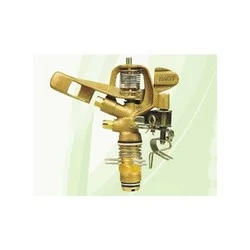
Agricultural Irrigation HT 20 Impact Sprinkler Bronze BIS Approved
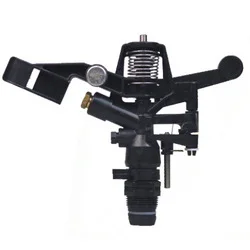
HT 25 Impact Sprinkler High Pressure Irrigation BIS Approved 3/4 BSP
Commercial Circle Sprinkler Bronze 1 Inch BSP 23 Degree Trajectory
Bharat polymers
HDPE Pipes IS 14333 PE 63 80 100 40 1000mm Sewerage Drainage
HDPE Pipes IS 4984 PE 63 PE 80 PE 100 20mm To 400mm Diameter
Sewage HDPE Pipes PE 63 PE 80 PE 100 20mm 400mm
Why Businesses Trust Pepagora
Thousands of companies trust Pepagora to source smarter and sell faster
Expand Your Sales Globally
25000+Products listed.Get discovered by global buyers
Tools to boost visibility
Build your own catalog

Source Smarter,Grow Faster
4000+Active RFQs
100+ Countries served
Easy Sourcing Tools
