
 IN
INundefined
Spray Dryers
46 products available
𝗪𝗵𝗮𝘁 𝗮𝗿𝗲 𝗦𝗽𝗿𝗮𝘆 𝗗𝗿𝘆𝗲𝗿𝘀?
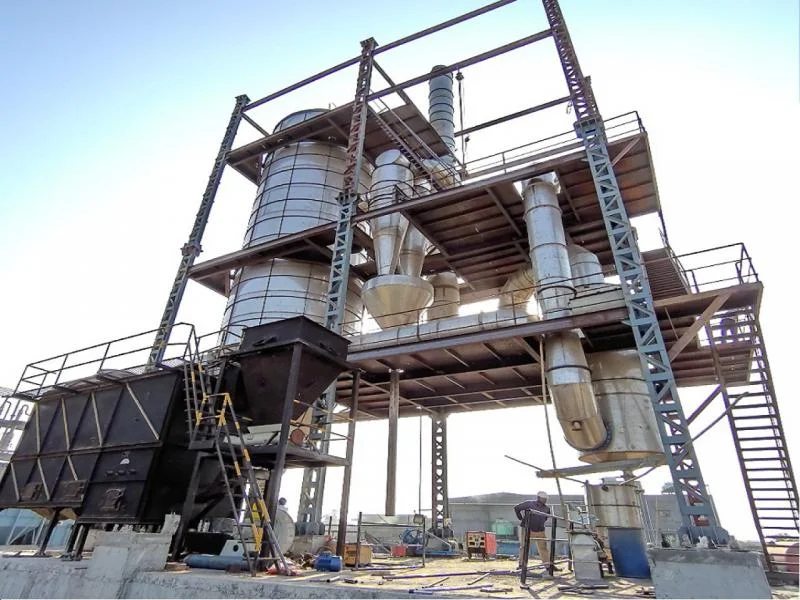
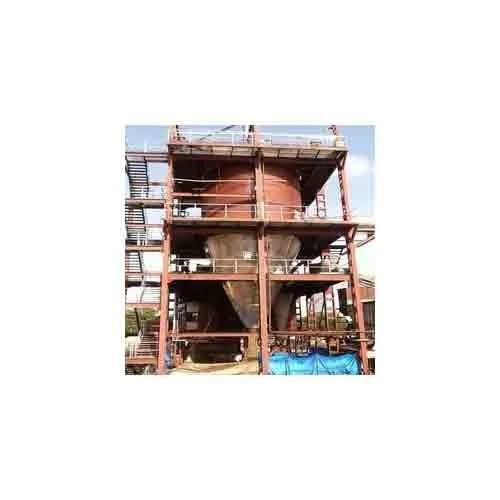
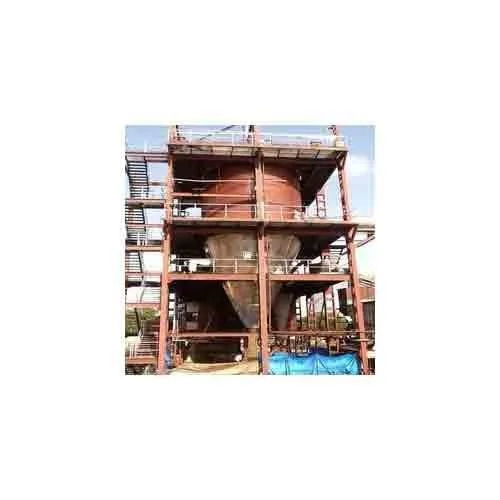
Spray dryers are industrial equipment designed to convert liquid feed materials into dry powder forms through a process of atomization and evaporation. This technology is widely utilized in various sectors, where it facilitates the creation of fine powders from liquids. The process begins with the atomization of the liquid, which is then introduced into a hot drying chamber, where heat causes the moisture to evaporate, leaving behind dry particles.
Spray dryers are primarily used in industries such as food and beverage, pharmaceuticals, and chemicals. In the food industry, they are instrumental in producing powdered milk, instant coffee, and flavorings. In pharmaceuticals, they help create uniform powders for active ingredients. The chemical industry uses spray dryers for producing fine chemicals and pigments. The relevance of spray dryers in these industries underscores their critical importance in enhancing product quality and operational efficiency.
𝗞𝗲𝘆 𝗙𝗲𝗮𝘁𝘂𝗿𝗲𝘀 𝗮𝗻𝗱 𝗦𝗽𝗲𝗰𝗶𝗳𝗶𝗰𝗮𝘁𝗶𝗼𝗻𝘀
Spray dryers come equipped with several key features that enhance their efficiency and effectiveness. Understanding these specifications can help businesses select the right equipment for their needs.
Key specifications include:
1. Atomization Technology
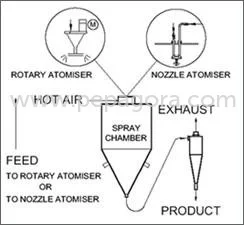
- Utilizes various mechanisms such as pressure nozzles or rotary atomizers
- Influences particle size and drying efficiency
2. Drying Chamber Design
- Typically cylindrical or conical to optimize airflow
- Affects heat transfer and drying uniformity
3. Operating Temperature Range
- Generally operates at high temperatures to facilitate rapid drying
- Specific ranges may vary based on application requirements
4. Inlet and Outlet Air Control
- Equipped with controls for managing air temperature and flow
- Essential for maintaining drying conditions
5. Product Recovery System
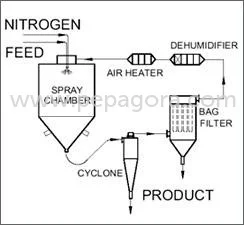
- Incorporates cyclones or bag filters to collect the dried product
- Ensures minimal loss of material
6. Automation and Monitoring Features
- Includes sensors for real-time monitoring of drying parameters
- Enhances operational control and efficiency
7. Material of Construction
- Typically made from stainless steel for durability and hygiene
- Important for industries with strict cleanliness standards
8. Safety Features
- Includes emergency shut-off and pressure relief valves
- Ensures safe operation under varying conditions
The diverse specifications of spray dryers make them suitable for various applications, enhancing their appeal to businesses looking for reliable drying solutions.
𝗖𝗼𝗺𝗺𝗼𝗻 𝗔𝗽𝗽𝗹𝗶𝗰𝗮𝘁𝗶𝗼𝗻𝘀 𝗮𝗻𝗱 𝗨𝘀𝗲 𝗖𝗮𝘀𝗲𝘀
Spray dryers serve multiple industries, each with specific applications that leverage their capabilities.
1. Food and Beverage: Used extensively for drying milk, coffee, and fruit juices into powder form. This process helps in preserving flavors and extending shelf life.
2. Pharmaceuticals: Essential in creating fine powders for active pharmaceutical ingredients. The uniformity achieved in particle size is crucial for dosage accuracy.
3. Chemicals: Employed for producing pigments, detergents, and specialty chemicals. Spray drying can enhance product purity and consistency.
4. Agriculture: Utilized for drying fertilizers and pesticides. The powdered form allows for easier application and handling.
5. Cosmetics: Important for producing powdered products like face powders and dry shampoos, which require precise particle size for performance.
6. Plastics: Used in the production of powdered resins and additives, facilitating easier mixing and processing in manufacturing.
7. Nutraceuticals: Facilitates the drying of supplements and health products, ensuring they maintain potency and bioavailability.
The versatility of spray dryers across these industries highlights their significance in modern manufacturing processes.
𝗣𝗿𝗼𝗱𝘂𝗰𝘁 𝗩𝗮𝗿𝗶𝗮𝗻𝘁𝘀 𝗮𝗻𝗱 𝗦𝘂𝗯𝗰𝗮𝘁𝗲𝗴𝗼𝗿𝗶𝗲𝘀
Spray dryers come in various configurations, each tailored to meet specific industrial needs. The diversity in design allows businesses to select models that align with their processes.
Pilot Spray Dryer
This variant is designed for small-scale production and research purposes. It allows companies to test formulations before full-scale production and features adjustable settings for temperature and feed rates.
Industrial Spray Dryer
These are larger systems tailored for high-volume production. They are equipped with advanced automation features for consistent operation and are ideal for mass production in industries like food and chemicals.
Batch Spray Dryer
Designed for batch processing, these units allow for flexibility in production. They are suitable for products that require frequent changeovers and can handle varying feed materials.
Continuous Spray Dryer
This variant is built for uninterrupted operation, ideal for large-scale continuous production lines. It is efficient for drying products that need consistent quality and can handle large feed volumes.
𝗕𝗲𝗻𝗲𝗳𝗶𝘁𝘀 𝗮𝗻𝗱 𝗔𝗱𝘃𝗮𝗻𝘁𝗮𝗴𝗲𝘀
Spray dryers offer numerous advantages that make them a preferred choice for many industries.
1. Efficient Drying Process: Spray dryers provide rapid drying, which minimizes thermal degradation and preserves product quality.
2. Versatile Applications: They can handle a wide range of feed materials, from liquids to slurries, making them adaptable to various industries.
3. Consistent Particle Size: The atomization process allows for uniform particle sizes, which is crucial for applications requiring precise measurements.
4. Enhanced Shelf Life: By removing moisture, spray dryers help extend the shelf life of products, reducing spoilage and waste.
5. Space Efficiency: Their compact design minimizes the footprint required for installation, making them suitable for facilities with limited space.
6. Automation Capabilities: Many modern spray dryers come equipped with automation features that enhance operational efficiency and reduce labor costs.
𝗕𝘂𝘆𝗶𝗻𝗴 𝗚𝘂𝗶𝗱𝗲 𝗳𝗼𝗿 𝗕𝟮𝗕 𝗕𝘂𝘆𝗲𝗿𝘀
When sourcing spray dryers, businesses should consider several critical factors to ensure they select the right equipment.
1. Quality Assessment: Evaluate the quality of the materials used in construction. Look for certifications that confirm manufacturing standards and durability.
2. Supplier Verification: Vet potential suppliers by checking their reputation, customer reviews, and industry experience. Ensure they provide reliable customer support.
3. Pricing and MOQ: Understand the pricing structure and any minimum order quantities. Compare quotes from multiple suppliers to find the best deal.
4. Delivery and Lead Times: Consider the logistics involved in purchasing. Assess the supplier's ability to meet delivery timelines to avoid production delays.
5. Compliance Requirements: Ensure that the spray dryers meet relevant regulatory standards and quality certifications, which vary by industry and region.
𝗖𝗼𝗺𝗽𝗹𝗶𝗮𝗻𝗰𝗲 𝗮𝗻𝗱 𝗖𝗲𝗿𝘁𝗶𝗳𝗶𝗰𝗮𝘁𝗶𝗼𝗻𝘀
Spray dryers must comply with various quality standards and certifications to ensure safety and reliability. Key standards include ISO 9001, which focuses on quality management systems, ensuring that manufacturers maintain consistent quality in their processes.
The CE certification is relevant for equipment sold in the European market, indicating compliance with safety and environmental requirements. Additionally, adherence to HACCP (Hazard Analysis Critical Control Points) guidelines is crucial for food-related applications, ensuring that products are safe for consumption.
Safety and testing requirements are also paramount. Manufacturers must conduct thorough testing of equipment to ensure safe operation under different conditions. Regional compliance considerations may vary, and it is essential to ensure that the equipment meets local regulations to avoid legal issues.
𝗪𝗵𝘆 𝗦𝗼𝘂𝗿𝗰𝗲 𝗦𝗽𝗿𝗮𝘆 𝗗𝗿𝘆𝗲𝗿𝘀 𝗳𝗿𝗼𝗺 𝗣𝗲𝗽𝗮𝗴𝗼𝗿𝗮?
Pepagora provides a trusted platform for sourcing spray dryers, offering several key advantages to buyers.
Verified Supplier Network: Pepagora connects businesses with a network of verified suppliers. Each supplier undergoes a rigorous vetting process, ensuring reliability and quality.
Streamlined RFQ Process: The request for quotation (RFQ) system simplifies the procurement process, allowing buyers to receive competitive quotes from multiple suppliers quickly.
Trade Assurance and Support: Pepagora offers trade assurance measures that protect buyers throughout the purchasing process. This includes support for resolving any disputes that may arise.
Regional Coverage: With a strong presence in India, the GCC region, and Southeast Asia, Pepagora enables businesses to access a wide range of suppliers tailored to their regional needs. This geographic reach facilitates easier communication and logistics, enhancing the overall sourcing experience.
Newly Added





Recently Added
CPK Engineer Pvt Ltd
Industrial Stainless Steel Reactors SS 304 316 Jacket Limpet Coils
Industrial Flexible Heat Exchangers Compact Design Temperature Resistant
Industrial U Shape Ribbon Dryer For Chemicals Pharmaceuticals Food
D. D. Process Products
Industrial Pressure Vacuum Nutsche Filters For Solid Liquid Separation
Industrial Screw Filter For Wastewater Treatment 20 Micron Filtration
Industrial Belt Press Filter For Sludge Dewatering Up To 30% Solids
Auto Therm Equipments Corporation
Industrial Furnace Oil Fired Drop Bottom 1 100 Ton Capacity
Industrial Cokeless Cupola Furnace 1 100 Tons/Hr 380V DC Power
Steel Plant Pre Heating Pusher Type Furnace 10C Uniformity
Apex Sanitech Systems
Commercial Liquid Soap Dispensers Durable Bulk Hygiene
Commercial Washroom Accessories Durable Hygienic Solutions
Premium Stainless Steel Pedal Dustbins for Hygienic Waste Disposal
Febchem Engineering Works
Industrial Ribbon Blender For Dry Powder Mixing In Pharmaceuticals Food Chemicals
Octagonal Blender For Dry Powder Granule Mixing In Pharmaceuticals
Industrial Double Cone Blender For Dry Powder Mixing
Venkateswara Engineering Works
Industrial Heavy Duty Cake Kneader with CI Body and SS Drum
Industrial Cake Kneader Heavy Duty Dough Mixer CI Body SS Drum 1 HP
Commercial Fully Automatic Chapati Machine For High Volume Production
Powerpac Engineers
Industrial Sifters For Efficient Solids Separation And Size Grading
Industrial Coating Machine For Pharmaceutical Tablet Granule Pellet
Industrial Granulator Machine For Dry Wet Granulation Stainless Steel
Pre Tech Engineering
Stainless Steel Food Processing Machine Easy Maintenance Low Power
Industrial Soya Plant Machine For Food Processing Production
Soya Lecithin Plant for Food Processing with High Purity Extraction
Praj Industries Ltd
Industrial Engineering Design Services ASME CE DIN Compliant
Industrial Bioprocessing High Efficiency Fermentation Systems For Biofuels
Industrial Biofuel Production High Purity Anhydrous Ethanol Dehydration System
APT Services
Industrial Rotary Valves For Precise Gas Liquid Flow Control
Industrial Ribbon Blender for Powder Granule Paste Mixing
Industrial Rotary Valves For Gas Liquid Granular Flow Control
Why Businesses Trust Pepagora
Thousands of companies trust Pepagora to source smarter and sell faster
Expand Your Sales Globally
25000+Products listed.Get discovered by global buyers
Tools to boost visibility
Build your own catalog

Source Smarter,Grow Faster
4000+Active RFQs
100+ Countries served
Easy Sourcing Tools
