
 IN
INundefined
Split Moong Dal
4 products available
𝗪𝗵𝗮𝘁 𝗮𝗿𝗲 𝗦𝗽𝗹𝗶𝘁 𝗠𝗼𝗼𝗻𝗴 𝗗𝗮𝗹?
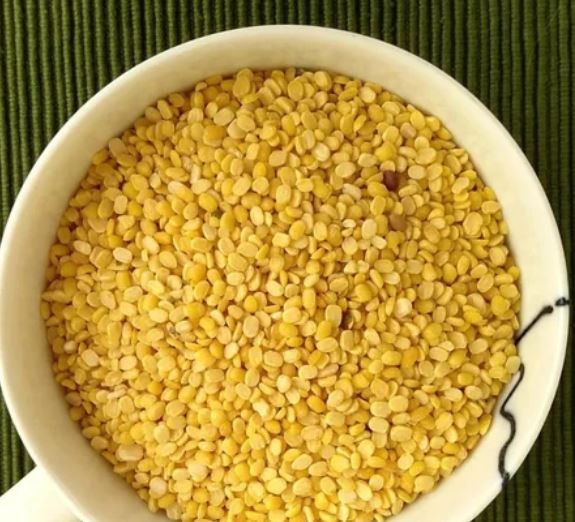
Split Moong Dal, also known as split green gram, is a popular legume derived from the moong bean. It is characterized by its yellow color and is commonly used in various cuisines across the globe. The dal is obtained by removing the outer hull of the green moong beans and splitting them into halves. This process not only enhances the cooking time but also makes the dal easier to digest, making it a favored choice for both home cooks and food manufacturers.
In business applications, Split Moong Dal is utilized in a wide range of products, including soups, snacks, and traditional Indian dishes like dal fry and khichdi. Its high protein content and nutritional benefits make it an appealing ingredient for health-conscious consumers. Additionally, the growing trend of plant-based diets has increased its demand in the food industry, as it serves as a significant protein source for vegetarian and vegan products.
The relevance of Split Moong Dal in the market is significant. With the rising awareness of healthy eating and sustainable food sources, the demand for legumes like Split Moong Dal continues to grow. It is increasingly being recognized for its versatility and health benefits, aligning well with current food trends emphasizing plant-based, high-protein diets.
𝗞𝗲𝘆 𝗙𝗲𝗮𝘁𝘂𝗿𝗲𝘀 𝗮𝗻𝗱 𝗦𝗽𝗲𝗰𝗶𝗳𝗶𝗰𝗮𝘁𝗶𝗼𝗻𝘀
Split Moong Dal offers several key features that make it a valuable ingredient in various industries. It is known for its nutritional profile, ease of preparation, and versatility in culinary applications. When considering this product, it is essential to understand its specifications to ensure it meets your business needs.
Key specifications include:
1. Nutritional Content
- Rich in protein, dietary fiber, vitamins, and minerals.
- Typically contains around 24 grams of protein per 100 grams.
2. Cooking Time
- Cooks quickly compared to whole beans, typically ready in 20-30 minutes.
- Soaking is optional but can reduce cooking time further.
3. Color and Appearance
- Usually a bright yellow color after splitting.
- Clean and free from any foreign materials.
4. Moisture Content
- Ideal moisture content is around 10-12% to prevent spoilage.
- Lower moisture levels can enhance shelf life.
5. Packaging
- Commonly packaged in bulk or retail sizes.
- Packaging should ensure product freshness and prevent contamination.
6. Shelf Life
- Generally has a shelf life of 12 months when stored properly.
- Should be kept in a cool, dry place away from direct sunlight.
7. Origin
- Sourced from various regions, primarily from India, which is known for quality production.
- Different regions may offer varying taste profiles.
In summary, Split Moong Dal is a high-protein, nutritious ingredient that is easy to cook and versatile in use. Understanding its specifications can help businesses select the right product for their needs.
𝗖𝗼𝗺𝗺𝗼𝗻 𝗔𝗽𝗽𝗹𝗶𝗰𝗮𝘁𝗶𝗼𝗻𝘀 𝗮𝗻𝗱 𝗨𝘀𝗲 𝗖𝗮𝘀𝗲𝘀
Split Moong Dal serves various industries, reflecting its versatility and nutritional benefits.
1. Food Processing: It is widely used in the food processing industry to create ready-to-eat meals, soups, and snacks. Its quick cooking time and flavor make it an excellent choice for convenience foods.
2. Restaurant and Catering: Many restaurants incorporate Split Moong Dal into their menus, offering dishes such as dal fry, khichdi, and salads. Its popularity in vegetarian cuisine makes it a staple for many caterers.
3. Health and Nutrition: The health food sector uses Split Moong Dal in protein supplements, health bars, and vegetarian products, targeting health-conscious consumers looking for plant-based protein sources.
4. Bakery: Some bakeries use Split Moong Dal flour as a gluten-free alternative in bread and pastries, catering to gluten-intolerant customers.
5. Export Markets: There is a growing demand for Split Moong Dal in international markets, especially in regions with a significant South Asian diaspora. This trend provides opportunities for exporters.
6. Vegan and Vegetarian Products: The rise of veganism has increased the demand for Split Moong Dal as a protein source in meat alternatives and plant-based meals.
7. Traditional Cuisine: It is a key ingredient in many traditional dishes across various cultures, making it essential for businesses focusing on authentic cuisine.
𝗣𝗿𝗼𝗱𝘂𝗰𝘁 𝗩𝗮𝗿𝗶𝗮𝗻𝘁𝘀 𝗮𝗻𝗱 𝗦𝘂𝗯𝗰𝗮𝘁𝗲𝗴𝗼𝗿𝗶𝗲𝘀
Split Moong Dal is available in various forms to meet different consumer preferences and applications. While specific subcategories are not available, notable variants exist based on preparation and processing methods.
Organic Split Moong Dal: This variant is grown without synthetic fertilizers or pesticides, catering to the organic market. It is favored by health-conscious consumers who prioritize organic products.
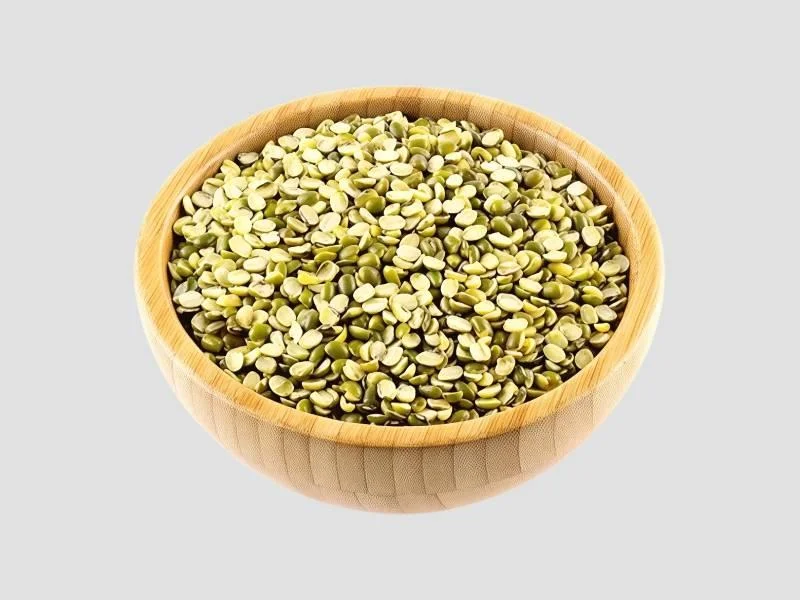
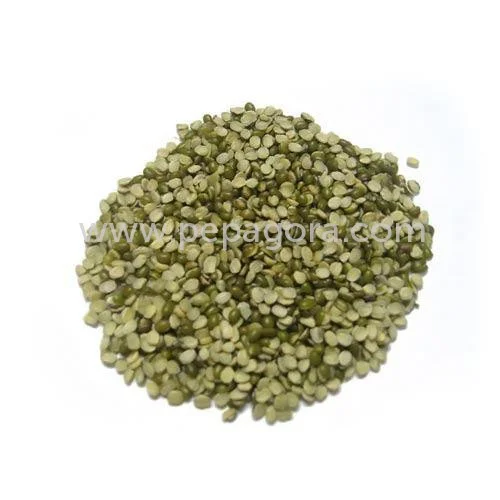
Green Split Moong Dal: This variant retains the green color of the moong bean and is often sought after for its slightly different flavor profile. It is used in traditional dishes and health foods.
Regular Split Moong Dal: This is the most commonly available type, suitable for a wide range of culinary applications. It is versatile and used in both home cooking and industrial food production.
𝗕𝗲𝗻𝗲𝗳𝗶𝘁𝘀 𝗮𝗻𝗱 𝗔𝗱𝘃𝗮𝗻𝘁𝗮𝗴𝗲𝘀
The benefits of using Split Moong Dal extend across various applications, making it a valuable ingredient for businesses.
1. High Nutritional Value: Split Moong Dal is packed with protein, making it an excellent choice for health-focused consumers and industries looking to offer nutritious products.
2. Versatility: It can be used in numerous dishes, from soups and stews to salads and snacks, enhancing its appeal across different culinary sectors.
3. Quick Cooking Time: Its fast cooking time allows for efficient meal preparation, benefiting food manufacturers and restaurants aiming to serve dishes quickly.
4. Digestibility: Split Moong Dal is easier to digest than whole beans, making it suitable for a wider audience, including those with sensitive digestive systems.
5. Wide Market Appeal: With growing trends in vegetarian and vegan diets, Split Moong Dal caters to a diverse consumer base seeking plant-based protein options.
6. Cost-Effectiveness: It is often more affordable compared to other protein sources, making it an economical choice for food manufacturers and restaurants.
𝗕𝘂𝘆𝗶𝗻𝗴 𝗚𝘂𝗶𝗱𝗲 𝗳𝗼𝗿 𝗕𝟮𝗕 𝗕𝘂𝘆𝗲𝗿𝘀
When sourcing Split Moong Dal, it is crucial for businesses to consider several key factors to ensure they make informed purchasing decisions.
1. Quality Assessment: Always evaluate the quality of Split Moong Dal by checking for freshness, color, and moisture content. Quality beans should be clean, with no foreign materials or discoloration.
2. Supplier Verification: Vet potential suppliers to ensure they have a good reputation and can provide consistent quality. Look for suppliers with industry certifications and positive customer feedback.
3. Pricing and MOQ: Understand the market price range for Split Moong Dal and inquire about minimum order quantities (MOQ). This information will help in budgeting and planning inventory needs.
4. Delivery and Lead Times: Discuss logistics with suppliers to determine delivery timelines and ensure they can meet your operational needs. Timely delivery is vital for maintaining production schedules.
5. Compliance Requirements: Be aware of any regulatory standards that apply to Split Moong Dal, including quality certifications and food safety regulations. Ensure that your suppliers meet these requirements.
𝗖𝗼𝗺𝗽𝗹𝗶𝗮𝗻𝗰𝗲 𝗮𝗻𝗱 𝗖𝗲𝗿𝘁𝗶𝗳𝗶𝗰𝗮𝘁𝗶𝗼𝗻𝘀
Compliance and certifications are critical aspects of sourcing Split Moong Dal. Various quality standards and certifications ensure the product's safety and reliability.
Relevant quality standards include ISO 9001, which ensures consistent quality management processes, and HACCP, which focuses on food safety through risk assessment and management. These standards are crucial for businesses that prioritize quality assurance in their supply chain.
Additionally, compliance with GDP (Good Distribution Practice) ensures that the product is stored and transported under suitable conditions, maintaining its quality until it reaches the end user.
The CE marking is another certification that indicates the product meets European safety and health requirements. This is particularly important for businesses exporting to European markets.
In terms of regional compliance, businesses should be aware of local regulations that may apply to food products, ensuring that their suppliers adhere to these standards to avoid legal issues and ensure product safety.
𝗪𝗵𝘆 𝗦𝗼𝘂𝗿𝗰𝗲 𝗦𝗽𝗹𝗶𝘁 𝗠𝗼𝗼𝗻𝗴 𝗗𝗮𝗹 𝗳𝗿𝗼𝗺 𝗣𝗲𝗽𝗮𝗴𝗼𝗿𝗮?
Pepagora provides a trusted platform for sourcing Split Moong Dal, offering several key advantages to B2B buyers.
Verified Supplier Network: Pepagora has a robust network of verified suppliers, ensuring that buyers have access to quality products. Each supplier undergoes thorough vetting to guarantee reliability and trustworthiness.
Streamlined RFQ Process: The platform simplifies the request for quotation process, enabling buyers to easily compare prices and offerings from different suppliers. This efficiency helps businesses make informed purchasing decisions quickly.
Trade Assurance and Support: Pepagora offers trade assurance, providing buyers with protection against potential risks. The platform supports buyers throughout the purchasing process, ensuring a smooth experience.
Regional Coverage: With a strong presence in regions like India, GCC, and Southeast Asia, Pepagora connects buyers with suppliers across various geographies. This wide reach ensures that businesses can find the right product to meet their needs, regardless of location.
Newly Added


Recently Added
Sky Associates
Organic Black Chana Dal Dried Food Grade Long Shelf Life
Organic Kabuli Chana Dal Pure Hygienic Long Shelf Life
Organic Basmati Broken Rice 2% Admixture Long Shelf Life
Orange Sorting Machines (India) Pvt Ltd
Tea Processing Machinery Fully Automatic Sortex Machine 380V 8kW
Fully Automatic Sortex Machine For Food Processing 380V 8kW
Bajra Sortex Machine Self Cleaning High Efficiency Stainless Steel
Usha Kiran Trading
Red PP Reprocessed Granules Grade A For Injection Molding Extrusion
Blue PP Reprocessed Granules For Injection Molding & Extrusion
Grade A Grey PP Reprocessed Granules For Injection Molding & Extrusion
Mikayla traders
Dried Kabuli Chana for Cooking Meals & Food Use
Yellow Moong Dal for Cooking Healthy Meals & Food Use
Brown Coriander Seeds for Cooking Spice & Flavor Use
Why Businesses Trust Pepagora
Thousands of companies trust Pepagora to source smarter and sell faster
Expand Your Sales Globally
25000+Products listed.Get discovered by global buyers
Tools to boost visibility
Build your own catalog

Source Smarter,Grow Faster
4000+Active RFQs
100+ Countries served
Easy Sourcing Tools
