
 IN
INundefined
Spinning Machinery
31 products available
𝗪𝗵𝗮𝘁 𝗮𝗿𝗲 𝗦𝗽𝗶𝗻𝗻𝗶𝗻𝗴 𝗠𝗮𝗰𝗵𝗶𝗻𝗲𝗿𝘆?
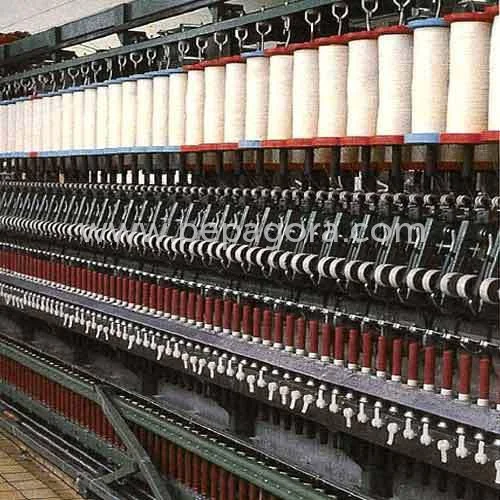
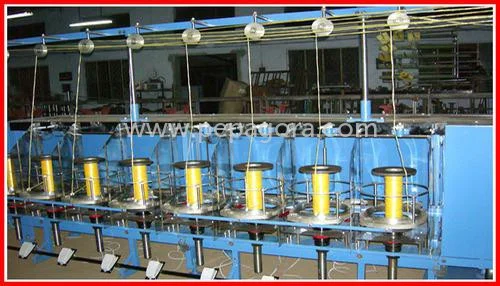
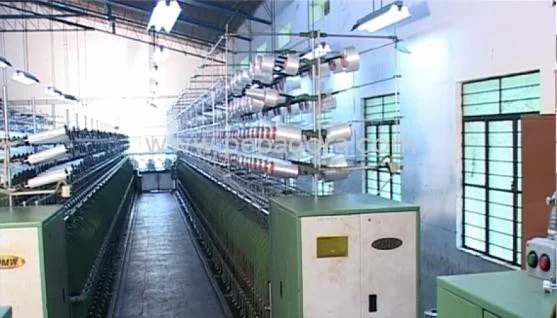
Spinning machinery refers to the equipment and technology used in the textile industry to convert fibers into yarn. This process involves twisting and drawing out fibers to create a continuous strand of thread or yarn, which can then be used for weaving or knitting. Spinning machinery encompasses a variety of machines, including ring spinning frames, open-end spinning machines, and air-jet spinning machines, each designed to cater to different types of fibers and production needs.
The primary applications of spinning machinery are found in the production of textiles for clothing, home furnishings, and industrial uses. Businesses in the fashion industry, automotive sector, and technical textiles rely on spinning machinery to produce high-quality yarns that meet specific performance standards. Given the growing demand for sustainable and innovative textile solutions, spinning machinery plays a crucial role in enhancing production efficiency and supporting advancements in material technology.
With the textile industry continually evolving, spinning machinery remains a vital component in the supply chain. It not only contributes to the production of traditional textiles but also supports the development of new materials, such as eco-friendly fibers and smart textiles. The market for spinning machinery is competitive, driven by technological advancements and the need for increased productivity and quality in yarn production.
𝗞𝗲𝘆 𝗙𝗲𝗮𝘁𝘂𝗿𝗲𝘀 𝗮𝗻𝗱 𝗦𝗽𝗲𝗰𝗶𝗳𝗶𝗰𝗮𝘁𝗶𝗼𝗻𝘀
Spinning machinery comes with a range of features that enhance its functionality and efficiency in producing high-quality yarns. Understanding these specifications is essential for manufacturers looking to invest in the right equipment for their production processes.
Key specifications include:
1. Yarn Production Capacity
- Refers to the amount of yarn produced per hour.
- Typically ranges from 10 kg/h to over 200 kg/h depending on the machine type.
2. Fiber Compatibility
- Indicates the types of fibers the machine can process.
- Capable of handling natural fibers, synthetic fibers, and blends.
3. Twist Rate
- Measurement of the number of twists per unit length of yarn.
- Ranges from 200 to 600 twists per meter for various applications.
4. Machine Efficiency
- Reflects the operational efficiency and downtime of the machinery.
- Efficiency ratings are often around 80% to 95%.
5. Automation Level
- Describes the extent of automated processes in the machine.
- Ranges from manual operation to fully automated systems.
6. Maintenance Requirements
- Indicates how often the machinery needs maintenance and servicing.
- Typically requires routine checks every few months.
7. Energy Consumption
- Specifies the energy efficiency of the machinery.
- Energy usage can vary from 5 kW to 20 kW based on operational settings.
8. Safety Features
- Includes mechanisms to ensure operator safety during operation.
- Features may include emergency stop buttons and protective enclosures.
Understanding these specifications helps businesses select the appropriate spinning machinery that meets their production needs while ensuring quality and efficiency.
𝗖𝗼𝗺𝗺𝗼𝗻 𝗔𝗽𝗽𝗹𝗶𝗰𝗮𝘁𝗶𝗼𝗻𝘀 𝗮𝗻𝗱 𝗨𝘀𝗲 𝗖𝗮𝘀𝗲𝘀
Spinning machinery finds applications across various industries, each with specific requirements and functions.
1. Textile Industry: Spinning machinery is essential for producing yarn used in fabric manufacturing. It caters to both natural and synthetic fibers, supporting the creation of diverse textiles.
2. Automotive Industry: Yarn produced by spinning machines is utilized in automotive upholstery and safety features, such as airbags and seat belts, requiring high-strength and durable materials.
3. Home Textiles: Spinning machinery is used to create yarns for home furnishings, including curtains, carpets, and bedding, focusing on aesthetics and comfort.
4. Technical Textiles: In this sector, spinning machinery produces specialized yarns used in industrial applications such as filtration systems, geotextiles, and medical textiles, emphasizing performance and durability.
5. Fashion Industry: The machinery produces high-quality yarns for clothing, enabling designers to create innovative and fashionable garments that meet consumer demands.
6. Knitting Industry: Spinning machines provide the yarn essential for knitting applications, which include everything from casual wear to high-performance athletic gear.
7. Craft and Hobby Markets: Smaller-scale spinning machinery is also popular among crafters and hobbyists, allowing for the creation of unique, handmade yarn products.
𝗣𝗿𝗼𝗱𝘂𝗰𝘁 𝗩𝗮𝗿𝗶𝗮𝗻𝘁𝘀 𝗮𝗻𝗱 𝗦𝘂𝗯𝗰𝗮𝘁𝗲𝗴𝗼𝗿𝗶𝗲𝘀
Spinning machinery comes in various types, each designed for specific applications and production methods.
Ring Spinning Machines
These machines produce high-quality yarn through a traditional spinning process that involves drawing and twisting fibers. They are widely used in the textile industry for their ability to create a variety of yarn types, including fine and coarse yarns.
Open-End Spinning Machines
Open-end spinning technology allows for the production of yarn without the need for a traditional spindle. This method is efficient for producing bulk yarn, especially for low-cost textiles.
Air-Jet Spinning Machines
These machines utilize air jets to twist fibers together, resulting in a unique type of yarn with excellent strength and low hairiness. They are ideal for producing specialty yarns.
𝗕𝗲𝗻𝗲𝗳𝗶𝘁𝘀 𝗮𝗻𝗱 𝗔𝗱𝘃𝗮𝗻𝘁𝗮𝗴𝗲𝘀
Investing in spinning machinery offers several advantages that can enhance production efficiency and quality.
1. Increased Production Efficiency: Advanced spinning machinery enables higher output rates, allowing manufacturers to meet growing demand without sacrificing quality.
2. Improved Yarn Quality: Modern spinning technology ensures consistent yarn quality, which is essential for maintaining standards in textile production.
3. Versatility: Spinning machines can handle various fiber types and blends, providing flexibility for manufacturers to adapt to changing market trends.
4. Cost Savings: Automation and energy-efficient designs reduce operational costs, ultimately benefiting the bottom line.
5. Reduced Labor Costs: Automated systems minimize the need for manual labor, streamlining operations and reducing workforce expenses.
6. Enhanced Safety Features: Modern spinning machinery is equipped with safety mechanisms that protect operators, ensuring a safer working environment.
𝗕𝘂𝘆𝗶𝗻𝗴 𝗚𝘂𝗶𝗱𝗲 𝗳𝗼𝗿 𝗕𝟮𝗕 𝗕𝘂𝘆𝗲𝗿𝘀
When sourcing spinning machinery, buyers should consider several important factors to ensure a suitable investment.
1. Quality Assessment: Evaluate the quality of the machinery by examining manufacturer credentials, customer reviews, and product certifications. Look for machines that meet industry standards.
2. Supplier Verification: Vet suppliers by checking their background, reputation, and track record in the industry. Ensure they have a history of reliable service and support.
3. Pricing and MOQ: Understand the pricing structure, including any minimum order quantities. Compare quotes from multiple suppliers to ensure competitive pricing.
4. Delivery and Lead Times: Discuss delivery schedules and lead times with suppliers to ensure timely production and minimize downtime.
5. Compliance Requirements: Ensure that the machinery meets local and international compliance standards, including safety and environmental regulations.
𝗖𝗼𝗺𝗽𝗹𝗶𝗮𝗻𝗰𝗲 𝗮𝗻𝗱 𝗖𝗲𝗿𝘁𝗶𝗳𝗶𝗰𝗮𝘁𝗶𝗼𝗻𝘀
Spinning machinery must adhere to various industry standards and certifications to ensure safety and quality.
ISO 9001 is a widely recognized quality management standard that ensures manufacturers maintain high-quality processes in their production.
The CE mark indicates conformity with European safety standards, ensuring that the machinery meets essential health and safety requirements.
Safety and testing requirements are essential in the spinning machinery sector, protecting operators and ensuring reliable machinery performance.
Regional compliance considerations may vary, so it is crucial to understand local regulations when sourcing machinery for specific markets.
𝗪𝗵𝘆 𝗦𝗼𝘂𝗿𝗰𝗲 𝗦𝗽𝗶𝗻𝗻𝗶𝗻𝗴 𝗠𝗮𝗰𝗵𝗶𝗻𝗲𝗿𝘆 𝗳𝗿𝗼𝗺 𝗣𝗲𝗽𝗮𝗴𝗼𝗿𝗮?
Pepagora provides a trusted platform for sourcing spinning machinery, offering several key advantages to B2B buyers.
Verified Supplier Network: Pepagora connects buyers with a network of verified suppliers, ensuring that they can find reliable manufacturers with a proven track record.
Streamlined RFQ Process: The platform simplifies the request for quotation process, allowing buyers to quickly gather and compare offers from multiple suppliers to make informed decisions.
Trade Assurance and Support: Pepagora offers trade assurance, providing buyers with protection and support throughout the purchasing process, ensuring a secure transaction.
Regional Coverage: With a strong presence in India, the GCC, and Southeast Asia, Pepagora enables buyers to access a wide range of suppliers and products tailored to their regional needs.
Newly Added


Recently Added
Jeyaletshmi Machine Works
Commercial Fishing HDPE Rope 380/30 120ply Lever Power Assorted
Ring Doubler Machine For Cotton Polyester Acrylic Silk Yarn Doubling
Industrial Jute Twine Twister Machine 144 96 80 Spindles 4000 RPM
B.Tex India/B.Impex
Premium Blowroom Spare Parts For Rieter Trutzschler Lakshmi NSE
Textile Draw Frame Steel Galvanized 130mm 2800rpm OEM
Trutzschler Trumac Carding Spares DK740 DK760 DK780 DK803 DK903
VijayKumar
High Speed Cone Winding Machine For Textile Yarn Spinning Production
Textile Sewing Thread Winding Machine Automatic Single Screw Terminal Crimping
Industrial Film Packaging Automatic Soft Package Winding Machine Single Screw Terminal Crimping
Yashwant Industries
Industrial Precision Circle Cutting Machine For Mild Steel Sheets
Industrial Metal Fabrication YASHWANT Hand Motorized Out Cutting Machine
Industrial Aluminum Circle Cutter Machine with Adjustable Gauges
Ma Durga Industries
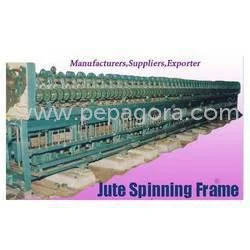
Industrial Spinning Frame For Efficient Fiber To Yarn Conversion
Industrial Jute Twisting Frame 80 Spindle Automatic Slip Draft Machine
Textile Manufacturing Spinning Frame Spindle 41/4 (110) High Performance
Ascend Engineering Works
Windmill Spares Steel Copper Powder Low Pressure Standard IZA001 Gearbox
Industrial 6 Speed Gearbox H.E OEM New Standard On Time Delivery
Industrial High Speed Gear Box H.E OEM New Durable
Orion Engineering Industries
Plastic Power Loom Spares For Textile Machinery Shuttle Loom
Textile Machinery Blow Room Spares Spiral Bevels Gears Belts
Industrial Automotive Premium Bore Motor Pure Copper Aluminum Alloy
National Textile Traders
Industrial Rubber Products Textile Reinforcement Synthetic Rubber
Textile Spinning Production Line Automatic Ring Spinning Plastic Sliver Cans
Textile Carding Machine 50 120t/h DC Motor 500mm Feeder Standard
Goldexx Eng Work
Industrial Metal Cone Holder For Intermac Bimatech Milling Spinning Machinery
Industrial Automation Pneumatic Control Valve Stainless Steel Oil Water Gas
Industrial Helical Gear Box Steel Cast Iron Horizontal Vertical Mounting
Pradeep Industries
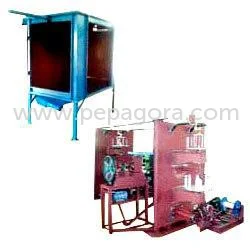
Industrial Powder Coating Booth And Spinning Machine For Metal And Textile
Industrial Pressure Cooker Tester And Sealing Machine For Zero Leakage Quality Control
Industrial Ovens And Sauna Heater Tanks With SS MS Materials
Why Businesses Trust Pepagora
Thousands of companies trust Pepagora to source smarter and sell faster
Expand Your Sales Globally
25000+Products listed.Get discovered by global buyers
Tools to boost visibility
Build your own catalog

Source Smarter,Grow Faster
4000+Active RFQs
100+ Countries served
Easy Sourcing Tools
