
 IN
INundefined
Solenoid Valves
61 products available
𝗪𝗵𝗮𝘁 𝗮𝗿𝗲 𝗦𝗼𝗹𝗲𝗻𝗼𝗶𝗱 𝗩𝗮𝗹𝘃𝗲𝘀?
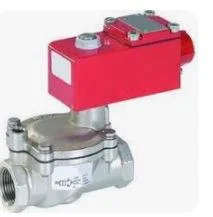
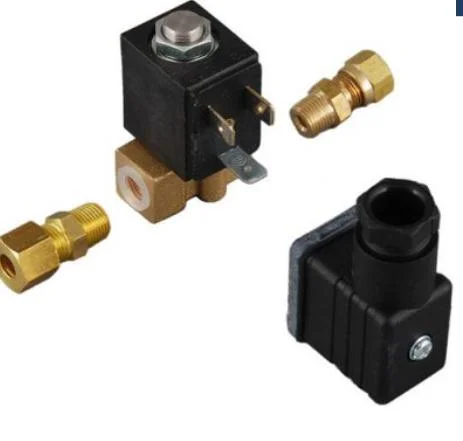
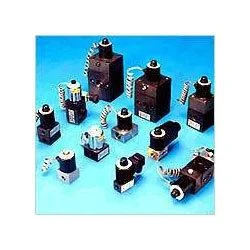
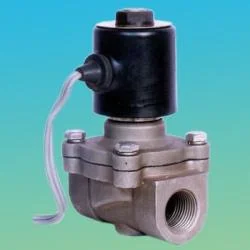
Solenoid valves are electromechanical devices that control the flow of liquids or gases within a system. They operate using an electromagnetic coil that, when energized, creates a magnetic field to move a plunger or armature. This action opens or closes the valve, allowing or stopping the flow of fluid. Solenoid valves are essential components in automated systems, providing efficient control and reliability for various applications.
These valves are commonly used in industries such as manufacturing, automotive, and HVAC systems. They play a vital role in controlling various processes, from simple household appliances to complex industrial machinery. Businesses utilize solenoid valves for applications such as irrigation systems, pneumatic systems, and fluid control in manufacturing processes. Their versatility makes them a valuable asset in streamlining operations across diverse sectors.
With an increasing demand for automation and efficiency in industrial applications, solenoid valves remain relevant in today's market. Their ability to provide precise control over fluid dynamics contributes to improved system performance, reduced waste, and enhanced safety measures. As industries continue to evolve, the need for reliable solenoid valves grows, emphasizing their importance in modern operations.
𝗞𝗲𝘆 𝗙𝗲𝗮𝘁𝘂𝗿𝗲𝘀 𝗮𝗻𝗱 𝗦𝗽𝗲𝗰𝗶𝗳𝗶𝗰𝗮𝘁𝗶𝗼𝗻𝘀
Solenoid valves come with a range of features and specifications that cater to different industrial needs. Understanding these key specifications helps businesses choose the right valve for their applications.
Key specifications include:
1. Voltage Rating
- Common voltage ratings include 12V, 24V, 120V, and 240V.
- Voltage ratings determine the compatibility with electrical systems.
2. Port Size
- Available in various sizes including 1/8 inch, 1/4 inch, 1/2 inch, and more.
- Port size affects the flow capacity of the valve.
3. Body Material
- Materials such as brass, stainless steel, and plastic are common.
- The choice of material influences durability and resistance to corrosion.
4. Pressure Range
- Operates within a pressure range of 0 to 150 psi or more.
- Pressure ratings determine where the valve can be applied.
5. Temperature Range
- Generally designed to handle temperatures from -40°C to 80°C.
- High-temperature variants are available for specialized applications.
6. Actuation Type
- Can be direct-acting or pilot-operated.
- The actuation type affects responsiveness and flow characteristics.
7. Response Time
- Typical response times range from 10 to 30 milliseconds.
- Faster response times improve system efficiency.
8. Certification
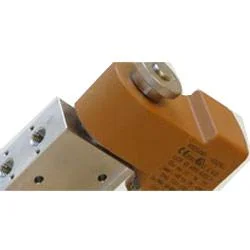
- Many solenoid valves are certified to CE standards.
- Certification ensures compliance with safety and quality regulations.
In summary, selecting the right solenoid valve involves understanding these specifications to ensure compatibility with system requirements and operational efficiency.
𝗖𝗼𝗺𝗺𝗼𝗻 𝗔𝗽𝗽𝗹𝗶𝗰𝗮𝘁𝗶𝗼𝗻𝘀 𝗮𝗻𝗱 𝗨𝘀𝗲 𝗖𝗮𝘀𝗲𝘀
Solenoid valves serve a multitude of industries, providing critical control in various processes.
1. Agriculture: Used in irrigation systems to manage water flow automatically, enhancing efficiency and reducing labor costs.
2. Automotive: Utilized in fuel systems and emission controls to manage fuel delivery and optimize engine performance.
3. HVAC: Employed in heating, ventilation, and air conditioning systems for controlling refrigerant flow and maintaining climate control.
4. Food and Beverage: Applied in production lines to control liquid dispensing and ensure sanitary conditions.
5. Chemical Processing: Used in systems for precise control of hazardous materials, ensuring safety and compliance.
6. Water Treatment: Essential for regulating water flow and chemical dosing in treatment facilities.
7. Pneumatics: In pneumatic systems, solenoid valves regulate air flow, improving system reliability and performance.
These applications highlight the versatility and importance of solenoid valves in maintaining efficiency and safety across various industries.
𝗣𝗿𝗼𝗱𝘂𝗰𝘁 𝗩𝗮𝗿𝗶𝗮𝗻𝘁𝘀 𝗮𝗻𝗱 𝗦𝘂𝗯𝗰𝗮𝘁𝗲𝗴𝗼𝗿𝗶𝗲𝘀
Solenoid valves are available in various configurations, allowing for tailored solutions to meet specific needs.
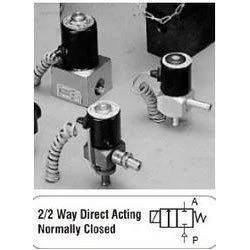
Normally Closed Solenoid Valves: These valves remain closed when de-energized and open when energized. They are ideal for applications where a fail-safe condition is essential.
Normally Open Solenoid Valves: These valves are open when de-energized and close when energized, suitable for applications requiring constant flow until activated.
Two-Way Solenoid Valves: Featuring two ports, these valves control flow direction and are commonly used in simple on/off applications.
Three-Way Solenoid Valves: With three ports, these valves can divert flow between two different paths, often used in more complex systems.
High-Pressure Solenoid Valves: Designed to handle higher pressure ranges, these valves are suitable for demanding industrial applications.
Low-Temperature Solenoid Valves: Engineered to operate effectively at lower temperatures, these valves find applications in refrigeration and cryogenic systems.
𝗕𝗲𝗻𝗲𝗳𝗶𝘁𝘀 𝗮𝗻𝗱 𝗔𝗱𝘃𝗮𝗻𝘁𝗮𝗴𝗲𝘀
Solenoid valves offer a range of benefits that enhance operational efficiency and reliability.
1. Precision Control: They provide accurate control over fluid flow, allowing for optimized processes and reduced waste.
2. Fast Operation: Solenoid valves can respond rapidly to electrical signals, improving system responsiveness.
3. Compact Design: Their small size allows for easy integration into various systems without requiring extensive modifications.
4. Low Power Consumption: Many solenoid valves are energy-efficient, reducing operational costs over time.
5. Durability: Constructed from robust materials, they are designed to withstand harsh conditions and provide longevity.
6. Versatility: Solenoid valves can be used in numerous applications across different industries, making them a flexible solution.
Incorporating solenoid valves into systems can lead to significant improvements in efficiency, safety, and performance.
𝗕𝘂𝘆𝗶𝗻𝗴 𝗚𝘂𝗶𝗱𝗲 𝗳𝗼𝗿 𝗕𝟮𝗕 𝗕𝘂𝘆𝗲𝗿𝘀
When sourcing solenoid valves, buyers must consider several key factors to ensure they make informed decisions.
1. Quality Assessment: Evaluate the quality of the valves based on material composition and construction standards. Look for certifications like CE to ensure compliance with industry norms.
2. Supplier Verification: Conduct thorough research on suppliers to ensure they have a reputation for reliability and quality. Request references and check customer feedback.
3. Pricing and MOQ: Understand the pricing structure and minimum order quantity (MOQ) requirements. Compare quotes from multiple suppliers to find the best value.
4. Delivery and Lead Times: Discuss logistics and expected lead times with suppliers to ensure timely delivery. Delays can affect project timelines and operational efficiency.
5. Compliance Requirements: Ensure that the valves meet relevant regulatory standards, including safety and environmental regulations. This is crucial for industries like food and pharmaceuticals.
By considering these factors, B2B buyers can confidently select solenoid valves that meet their operational needs.
𝗖𝗼𝗺𝗽𝗹𝗶𝗮𝗻𝗰𝗲 𝗮𝗻𝗱 𝗖𝗲𝗿𝘁𝗶𝗳𝗶𝗰𝗮𝘁𝗶𝗼𝗻𝘀
Compliance and certification are critical aspects of solenoid valve manufacturing and sourcing.
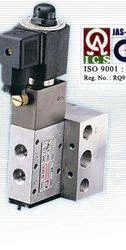
Many solenoid valves adhere to internationally recognized quality standards such as ISO 9001, which ensures a consistent approach to quality management. This certification indicates that the manufacturer has established processes for maintaining high-quality production.
Additionally, industry certifications like CE mark compliance demonstrate that the product meets European safety and performance standards. This is particularly important for manufacturers looking to enter or operate within the European market.
Safety and testing requirements are also a significant focus. Valves must undergo rigorous testing to ensure they perform reliably under specified conditions, such as pressure and temperature ratings.
Regional compliance considerations may vary, so buyers should verify that the solenoid valves meet local regulations and standards. This ensures not only product reliability but also adherence to safety protocols within specific industries.
𝗪𝗵𝘆 𝗦𝗼𝘂𝗿𝗰𝗲 𝗦𝗼𝗹𝗲𝗻𝗼𝗶𝗱 𝗩𝗮𝗹𝘃𝗲𝘀 𝗳𝗿𝗼𝗺 𝗣𝗲𝗽𝗮𝗴𝗼𝗿𝗮?
Pepagora offers a trusted platform for sourcing solenoid valves, providing buyers with many advantages.
Verified Supplier Network: Pepagora connects buyers with verified suppliers who have undergone strict vetting processes. This ensures that businesses can source high-quality products with confidence.
Streamlined RFQ Process: The platform features a simplified request for quotation (RFQ) process, allowing buyers to easily receive competitive quotes from multiple suppliers. This saves time and facilitates better decision-making.
Trade Assurance and Support: Pepagora provides trade assurance, ensuring that buyers are protected in their transactions. This includes support for any issues that may arise during the purchasing process.
Regional Coverage: With a focus on markets in India, the GCC, and Southeast Asia, Pepagora provides extensive regional coverage, allowing businesses to connect with local suppliers and streamline their sourcing efforts.
By choosing Pepagora, B2B buyers can enhance their procurement processes for solenoid valves, ensuring they receive quality products that meet their specific needs.
Newly Added






Recently Added
AS Technotronics
Military Grade DC To DC Converters For Naval And Defense Applications
OISD 117 Compliant Siren Controllers For Hazardous Industrial Safety
Industrial Analog Flame Proof Pressure Switch For Hazardous Environments
Dhwani Engineering
Industrial Brass Die Castings High Strength Corrosion Heat Resistance
High Volume Production Horizontal Cold Chamber Die Casting Machine 1500KN 20000KN
Industrial Hydraulic Machines For Die Casting Grinding Injection Moulding
Prasha Traders
Industrial Ball Valves For Food Processing And Agriculture Applications
Industrial Check Valves For Unidirectional Flow Control In Liquids And Gases
Industrial Safety Valves For Steam Gas And Vapor Pressure Relief
Add Safe Kontrols
Industrial 3/2 Solenoid Valve For Air Water Gases High Performance
Industrial Auto Drain Valve 16 Bar 136 Min Interval 29 L/Hr
Industrial Auto Drain Valve Cup Type 1 136 Min 16 Bar 10 mm
Basra Electro Traders
Commercial Residential Water Heaters Premium Energy Efficient Reliable
Industrial Cartridge Heaters For Plates Dies Packaging Machinery
Industrial Cartridge Heaters For High Performance Heating In Machinery
Prasad Technocom
Industrial Hydraulic Cylinder ISO Standard with Cover and Bracket
Industrial Automation Small Bore Hydraulic Cylinders Stainless Steel
Eaton L Series Light Duty Pneumatic Cylinders For Industrial Automation
Aqua Engineering
Industrial Bellow Seal Globe Valves 1 8 Inch Leak Proof Chemical
Industrial Bellow Seal Globe Valves For Zero Leakage In Critical Processes
Industrial Bellow Seal Valve 1 to 8 Inch Metal OEM New
Parth Enterprises
Industrial Butterfly Valves Steel High Pressure Flow Control
Industrial Precision Actuator Mounted Butterfly Valves For Flow Control
Industrial Actuated Butterfly Valves For Flow Control Automation
2 M Engineering
Industrial Hydraulic Torque Wrench For Precision Bolt Tightening
Premium Indian Hydraulic Press Machines 10 200 Ton For Industrial Use
Industrial Automation Linear Screw Actuators 500 50000 Lbs Capacity
Bakshi Enterprises
Premium Poly V Belts For Automotive And Agricultural Machinery
Industrial GI Pipes 10 100mm NB 1.80 5.40mm Thickness
Industrial PU Tubes Durable Flexible Abrasion Oil Chemical Resistant
Why Businesses Trust Pepagora
Thousands of companies trust Pepagora to source smarter and sell faster
Expand Your Sales Globally
25000+Products listed.Get discovered by global buyers
Tools to boost visibility
Build your own catalog

Source Smarter,Grow Faster
4000+Active RFQs
100+ Countries served
Easy Sourcing Tools
