
 IN
INundefined
Solar-Powered Water Pumps
2 products available
𝗪𝗵𝗮𝘁 𝗮𝗿𝗲 𝗦𝗼𝗹𝗮𝗿-𝗣𝗼𝘄𝗲𝗿𝗲𝗱 𝗪𝗮𝘁𝗲𝗿 𝗣𝘂𝗺𝗽𝘀?
Solar-powered water pumps are devices that utilize solar energy to pump water from sources such as wells, rivers, or reservoirs. These pumps convert sunlight into electrical energy, which powers the pump mechanism. They are designed to be environmentally friendly and reduce dependency on fossil fuels while providing a sustainable solution for water management.
These pumps are primarily used in agricultural settings for irrigation, in remote areas where electrical grid access is limited, and in various industrial applications. Businesses across different sectors utilize solar-powered water pumps to improve efficiency and reduce operational costs associated with traditional pumping systems. As the demand for renewable energy solutions grows, the market for solar-powered water pumps is becoming increasingly relevant, particularly in regions with abundant sunlight.
The increasing focus on sustainability and reducing carbon footprints has positioned solar-powered water pumps as a viable alternative in the water management industry. Their ability to operate independently of conventional power sources makes them an attractive solution for businesses looking to improve their environmental impact while maintaining productivity.
𝗞𝗲𝘆 𝗙𝗲𝗮𝘁𝘂𝗿𝗲𝘀 𝗮𝗻𝗱 𝗦𝗽𝗲𝗰𝗶𝗳𝗶𝗰𝗮𝘁𝗶𝗼𝗻𝘀
Solar-powered water pumps come with various features designed to enhance efficiency and usability. Understanding these specifications is essential for businesses considering their implementation.
Key specifications include:
1. Power Output
- Typically ranges from 0.5 HP to 5 HP
- Adequate for various applications depending on the water volume needed
2. Solar Panel Capacity
- Generally ranges from 100W to 2000W
- Sufficient to generate the energy required for the pump operation
3. Flow Rate
- Can vary from 1,000 liters per hour to over 10,000 liters per hour
- Depends on the specific pump model and application
4. Head Height
- Often between 10 meters to 100 meters
- Refers to the vertical distance the pump can raise water
5. Battery Backup
- Optional feature for continuous operation
- Allows for water pumping during non-sunny hours
6. Material Construction
- Commonly made from corrosion-resistant materials
- Enhances durability and longevity in various environments
7. Control System
- May include automated sensors for efficient operation
- Enables monitoring and adjustment based on water levels
8. Portability
- Some models designed for easy transport
- Ideal for temporary installations and various site conditions
In summary, selecting the right solar-powered water pump involves understanding these specifications to ensure compatibility with specific business needs and environmental conditions.
𝗖𝗼𝗺𝗺𝗼𝗻 𝗔𝗽𝗽𝗹𝗶𝗰𝗮𝘁𝗶𝗼𝗻𝘀 𝗮𝗻𝗱 𝗨𝘀𝗲 𝗖𝗮𝘀𝗲𝘀
Solar-powered water pumps serve multiple industries, making them versatile tools for various applications.
1. Agriculture: In farming, these pumps are used for irrigation, ensuring crops receive adequate water even in remote locations without electricity.
2. Livestock: Farmers use solar-powered pumps to provide water for livestock in pastures and ranches, improving animal welfare.
3. Residential: Homeowners in rural areas can utilize these pumps for garden irrigation and household water supply.
4. Construction: They are employed on construction sites to manage water accumulation and provide water for mixing concrete.
5. Landscaping: Landscapers use solar pumps to circulate water in ponds and fountains, enhancing aesthetic appeal.
6. Mining: In mining operations, these pumps can help dewater sites, ensuring safety and operational efficiency.
7. Disaster Relief: During emergencies, solar-powered pumps can provide clean water in affected regions where conventional sources are compromised.
𝗣𝗿𝗼𝗱𝘂𝗰𝘁 𝗩𝗮𝗿𝗶𝗮𝗻𝘁𝘀 𝗮𝗻𝗱 𝗦𝘂𝗯𝗰𝗮𝘁𝗲𝗴𝗼𝗿𝗶𝗲𝘀
Solar-powered water pumps come in various forms, each suited to different applications and requirements.
Submersible Pumps: These pumps are designed to be submerged in water sources. They are efficient for deep wells and are favored for agricultural irrigation due to their high flow rates.
Surface Pumps: Suitable for shallow water sources, surface pumps are easy to install and maintain. They are commonly used in residential and small-scale agricultural applications.
Portable Pumps: Designed for mobility, these pumps can be easily transported. They are ideal for temporary setups and emergency situations.
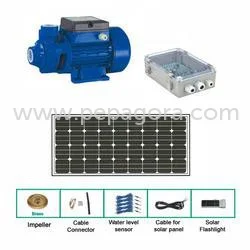
Solar Pump Kits: These comprehensive packages include all necessary components, such as solar panels, batteries, and pumps, facilitating easy installation for users.
𝗕𝗲𝗻𝗲𝗳𝗶𝘁𝘀 𝗮𝗻𝗱 𝗔𝗱𝘃𝗮𝗻𝘁𝗮𝗴𝗲𝘀
Solar-powered water pumps offer numerous benefits that make them an attractive option for businesses.
1. Cost Savings: By utilizing solar energy, businesses can significantly reduce electricity costs associated with traditional water pumping methods.
2. Environmental Impact: These pumps contribute to sustainability efforts by minimizing carbon emissions and reliance on fossil fuels.
3. Reliability: With fewer moving parts and no dependence on electrical grids, solar pumps can operate in remote locations and during power outages.
4. Low Maintenance: Solar-powered systems typically require less maintenance compared to conventional pumps, reducing downtime and operational costs.
5. Scalability: Businesses can easily expand their solar pumping systems as needs grow, making them adaptable for various applications.
6. Versatility: These pumps can be used in multiple settings, from agriculture to construction, enhancing their utility across different industries.
𝗕𝘂𝘆𝗶𝗻𝗴 𝗚𝘂𝗶𝗱𝗲 𝗳𝗼𝗿 𝗕𝟮𝗕 𝗕𝘂𝘆𝗲𝗿𝘀
When sourcing solar-powered water pumps, businesses need to consider several key factors.
1. Quality Assessment: Ensure that the pumps meet industry standards and have a proven track record of performance. Look for warranties and customer reviews.
2. Supplier Verification: Vet suppliers by checking their certifications, customer feedback, and track record in delivering quality products.
3. Pricing and MOQ: Understand the pricing structure and minimum order quantities. This helps in budgeting and ensures that the procurement process is cost-effective.
4. Delivery and Lead Times: Inquire about delivery schedules and lead times to ensure that pumps are received when needed for timely project execution.
5. Compliance Requirements: Verify that the pumps meet relevant regulatory standards and certifications to avoid legal complications.
𝗖𝗼𝗺𝗽𝗹𝗶𝗮𝗻𝗰𝗲 𝗮𝗻𝗱 𝗖𝗲𝗿𝘁𝗶𝗳𝗶𝗰𝗮𝘁𝗶𝗼𝗻𝘀
Solar-powered water pumps must adhere to various compliance standards and certifications to ensure quality and safety.
Quality standards such as ISO 9001 ensure that manufacturing processes meet international requirements for quality management. This certification helps businesses trust that their products are produced consistently and meet customer expectations.
Additionally, CE certification indicates that the pumps comply with European health, safety, and environmental protection standards. This is particularly important for businesses operating in or exporting to European markets.
Safety and testing requirements are also crucial. Regular testing for performance and durability ensures that the pumps can withstand various environmental conditions.
Regional compliance considerations should be taken into account, as specifications may vary by country or region. Understanding local regulations can aid businesses in sourcing compliant products.
𝗪𝗵𝘆 𝗦𝗼𝘂𝗿𝗰𝗲 𝗦𝗼𝗹𝗮𝗿-𝗣𝗼𝘄𝗲𝗿𝗲𝗱 𝗪𝗮𝘁𝗲𝗿 𝗣𝘂𝗺𝗽𝘀 𝗳𝗿𝗼𝗺 𝗣𝗲𝗽𝗮𝗴𝗼𝗿𝗮?
Pepagora offers a reliable platform for sourcing solar-powered water pumps, ensuring that businesses find quality solutions tailored to their needs.
Verified Supplier Network: Pepagora connects buyers with a network of verified suppliers. This helps ensure that all sourced products meet quality standards and industry requirements.
Streamlined RFQ Process: The request for quotation process is designed to be user-friendly, allowing businesses to quickly compare options and make informed purchasing decisions.
Trade Assurance and Support: Buyers are protected through trade assurance policies, which provide safety and support during the procurement process. This fosters trust and confidence in transactions.
Regional Coverage: Pepagora has a broad geographic reach, serving markets in India, the Gulf Cooperation Council (GCC), and Southeast Asia. This enables businesses to access a diverse range of suppliers and products, enhancing procurement efficiency.
Newly Added


Recently Added
Tamilnadu Energy Solutions
Commercial Solar PV Tracker Semi Automatic Aluminum Waterproof
Highway Solar Street Light Waterproof Energy Saving AC Power
Commercial LED Solar Street Light Waterproof Metal Modern Outdoor
Greenmax Systems
Industrial MPPT Solar Charge Controller with PWM Charging and Protection
Industrial Solar Charge Controllers 6V 72V 1A 40A For Reliable Power
Solar LED Street Lights For Municipal Industrial Off Grid Areas
Why Businesses Trust Pepagora
Thousands of companies trust Pepagora to source smarter and sell faster
Expand Your Sales Globally
25000+Products listed.Get discovered by global buyers
Tools to boost visibility
Build your own catalog

Source Smarter,Grow Faster
4000+Active RFQs
100+ Countries served
Easy Sourcing Tools
