
 IN
INundefined
Soil Testing Instruments
24 products available
𝗪𝗵𝗮𝘁 𝗮𝗿𝗲 𝗦𝗼𝗶𝗹 𝗧𝗲𝘀𝘁𝗶𝗻𝗴 𝗜𝗻𝘀𝘁𝗿𝘂𝗺𝗲𝗻𝘁𝘀?
Soil testing instruments are specialized tools used to analyze the physical and chemical properties of soil. These instruments provide essential data regarding soil composition, moisture levels, pH, nutrient content, and other critical factors that influence agricultural productivity and environmental health. Accurate soil testing is crucial for understanding soil fertility and determining the appropriate amendments needed for optimal crop growth.
The primary uses of soil testing instruments extend across various sectors, including agriculture, environmental science, and construction. In agriculture, these tools help farmers make informed decisions about fertilization and soil management to enhance crop yield. Environmental scientists utilize soil testing to monitor pollution levels and assess land suitability for development. Furthermore, construction engineers rely on soil testing to evaluate soil stability and suitability for building foundations.
The relevance of soil testing instruments in today's market is significant, particularly as sustainable practices gain momentum. With increasing awareness of environmental sustainability, accurate soil analysis is vital for reducing chemical inputs in agriculture and ensuring the safe development of land. As global food demands rise, the need for effective soil testing grows, making these instruments essential for various industries.
𝗞𝗲𝘆 𝗙𝗲𝗮𝘁𝘂𝗿𝗲𝘀 𝗮𝗻𝗱 𝗦𝗽𝗲𝗰𝗶𝗳𝗶𝗰𝗮𝘁𝗶𝗼𝗻𝘀
Soil testing instruments come with a range of features designed to provide accurate and reliable results. The specifications of these instruments can vary based on the specific type and intended use.
Key specifications include:
1. Measurement Range
- Determines the soil properties that can be evaluated
- Common ranges include pH levels from 0 to 14 and moisture content from 0% to 100%
2. Accuracy Level
- Indicates the precision of the measurements taken
- Typically ranges from ±0.1 to ±0.5 for pH readings
3. Operating Temperature
- Specifies the temperature range within which the instruments can operate effectively
- Data not available
4. Humidity Control
- Details the humidity conditions suitable for accurate readings
- Data not available
5. Power Source
- Indicates whether the instrument operates on batteries, mains electricity, or solar power
- Common types include rechargeable batteries or direct plug-in options
6. Display Type
- Refers to the readability of the instrument's results
- Options may include analog dials, digital screens, or mobile app connectivity
7. Portability
- Describes the ease of transport for field use
- Instruments may vary from handheld devices to larger, more complex setups
8. Data Logging Features
- Allows for the recording and saving of measurements over time
- Some models offer connectivity to computers or mobile devices for data analysis
These specifications help buyers select the right soil testing instruments based on their specific needs and application requirements.
𝗖𝗼𝗺𝗺𝗼𝗻 𝗔𝗽𝗽𝗹𝗶𝗰𝗮𝘁𝗶𝗼𝗻𝘀 𝗮𝗻𝗱 𝗨𝘀𝗲 𝗖𝗮𝘀𝗲𝘀
Soil testing instruments find applications in numerous industries, each benefiting from the accurate data these tools provide.
1. Agriculture: Farmers utilize soil testing to assess nutrient levels and pH, enabling them to optimize fertilization strategies and improve crop yields.
2. Environmental Science: Researchers and environmental consultants use soil testing to monitor contamination, evaluate the effects of land use, and support remediation efforts.
3. Construction: Engineers conduct soil testing to determine the load-bearing capacity of soil, ensuring safe and stable foundations for buildings and infrastructure.
4. Landscaping: Landscape professionals use soil testing to tailor soil amendments and ensure the health of plants and gardens in residential and commercial properties.
5. Mining: Soil testing instruments aid in evaluating soil composition and stability, which is critical for safe mining operations and land reclamation.
6. Forestry: Foresters utilize soil testing to assess the suitability of land for tree planting, helping to promote sustainable forestry practices.
7. Sports Turf Management: Groundskeepers use soil testing to maintain optimal soil conditions for sports fields, ensuring the quality and safety of play surfaces.
𝗣𝗿𝗼𝗱𝘂𝗰𝘁 𝗩𝗮𝗿𝗶𝗮𝗻𝘁𝘀 𝗮𝗻𝗱 𝗦𝘂𝗯𝗰𝗮𝘁𝗲𝗴𝗼𝗿𝗶𝗲𝘀
Soil testing instruments are diverse, catering to various needs and applications in different fields.
Portable Soil Testers
These compact and lightweight devices allow for easy field use. They typically measure pH, moisture, and nutrient levels, making them ideal for on-the-spot assessments.
Laboratory Soil Analyzers
These more advanced instruments are used in controlled settings to conduct detailed and comprehensive soil analyses. They often provide precise measurements of multiple parameters simultaneously.
Digital Soil Meters
These instruments feature digital displays and often connect to mobile applications. They allow users to track soil conditions in real-time and analyze data over time.
𝗕𝗲𝗻𝗲𝗳𝗶𝘁𝘀 𝗮𝗻𝗱 𝗔𝗱𝘃𝗮𝗻𝘁𝗮𝗴𝗲𝘀
Investing in soil testing instruments offers numerous benefits for businesses and organizations.
1. Improved Decision-Making: Accurate soil analysis provides critical information that helps stakeholders make informed decisions regarding land use, agricultural practices, and environmental management.
2. Cost Efficiency: By understanding soil conditions, businesses can optimize inputs, such as fertilizers and water, reducing unnecessary expenses while improving crop yields.
3. Enhanced Productivity: Soil testing helps farmers and land managers maximize their outputs by ensuring that soil health is maintained and improved over time.
4. Environmental Protection: Proper soil management informed by testing can minimize negative impacts on the environment, promoting sustainability and compliance with regulations.
5. Risk Mitigation: Conducting soil tests can identify potential contamination or instability, allowing companies to address issues before they escalate into costly problems.
6. Compliance with Regulations: Many industries are required to adhere to environmental standards, making soil testing a critical component of regulatory compliance.
𝗕𝘂𝘆𝗶𝗻𝗴 𝗚𝘂𝗶𝗱𝗲 𝗳𝗼𝗿 𝗕𝟮𝗕 𝗕𝘂𝘆𝗲𝗿𝘀
When sourcing soil testing instruments, it is essential for buyers to consider several key factors to ensure they make informed purchases.
1. Quality Assessment: Look for instruments that meet industry standards for accuracy and reliability. Consider certifications such as CE to ensure product quality.
2. Supplier Verification: Vetting suppliers is crucial in ensuring that they are reputable and can provide high-quality products. Check reviews and request references to confirm their reliability.
3. Pricing and MOQ: Understand the pricing structure and minimum order quantity (MOQ) requirements. Compare prices across different suppliers to find the best value.
4. Delivery and Lead Times: Inquire about delivery schedules and lead times to ensure that the products arrive when needed for projects.
5. Compliance Requirements: Familiarize yourself with any regulatory compliance needs specific to your industry or region to ensure that the instruments purchased meet necessary guidelines.
𝗖𝗼𝗺𝗽𝗹𝗶𝗮𝗻𝗰𝗲 𝗮𝗻𝗱 𝗖𝗲𝗿𝘁𝗶𝗳𝗶𝗰𝗮𝘁𝗶𝗼𝗻𝘀
Soil testing instruments must adhere to various quality standards and certifications to ensure they are safe and effective for use. Relevant quality standards include ISO 9001, which sets criteria for quality management systems. This standard helps ensure that products meet customer and regulatory requirements consistently.
Industry certifications such as CE mark indicate that the products conform to European health, safety, and environmental protection standards. Such certifications are essential for gaining trust and acceptance in various markets.
Additionally, soil testing instruments may need to meet specific safety and testing requirements based on their intended use. Buyers should be aware of regional compliance considerations, as regulations can vary significantly from one area to another, impacting the selection and deployment of soil testing instruments.
𝗪𝗵𝘆 𝗦𝗼𝘂𝗿𝗰𝗲 𝗦𝗼𝗶𝗹 𝗧𝗲𝘀𝘁𝗶𝗻𝗴 𝗜𝗻𝘀𝘁𝗿𝘂𝗺𝗲𝗻𝘁𝘀 𝗳𝗿𝗼𝗺 𝗣𝗲𝗽𝗮𝗴𝗼𝗿𝗮?
Pepagora provides a trusted platform for sourcing soil testing instruments, offering several key advantages that facilitate seamless purchasing experiences.
Verified Supplier Network: Pepagora connects buyers with a network of verified suppliers, ensuring that products meet quality standards and that suppliers are reputable and reliable.
Streamlined RFQ Process: The request for quotation (RFQ) process simplifies procurement. Buyers can easily submit their requirements and receive competitive quotes from multiple suppliers, saving time and effort.
Trade Assurance and Support: With trade assurance, buyers benefit from protection against potential issues, providing peace of mind when making purchases. Pepagora offers comprehensive support throughout the buying process.
Regional Coverage: Pepagora's geographic reach spans across India, the GCC, and Southeast Asia, enabling buyers to access a wide variety of soil testing instruments and suppliers tailored to their regional needs.
Newly Added
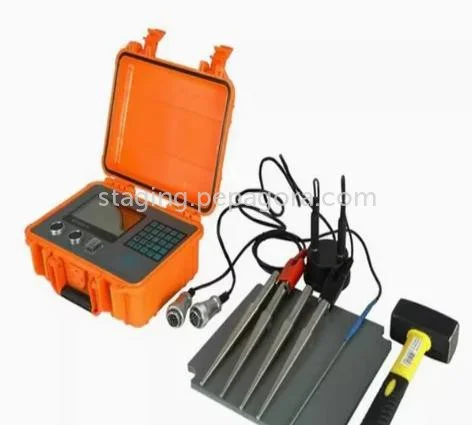


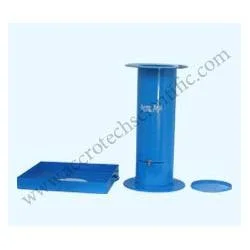
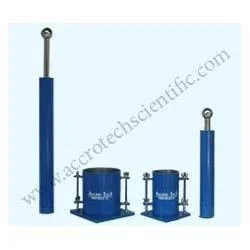
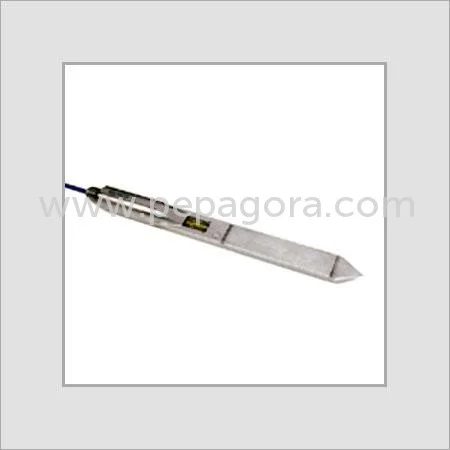

Recently Added
Hitech India Pvt Ltd
Computerised Universal Testing Machine TUE C for Material Testing
SMS Structural Fabrication Equipment Punching Drilling Shearing Beam Processing
Universal Testing Machine TUE CN for Tensile Compression Flexural Strength
New Ghosh Industries
Lab Gas Pycnometer For Solid Density And Volume Measurement
Field Density Test Apparatus for Soil Compaction in Construction
Geotechnical Engineering Field Vane Shear Test Apparatus for Soil Strength
Alpha Engineering Equipments
Electronic Theodolites For Surveying And Construction Professionals
Premium Bitumen Testing Machines For Construction Materials Analysis
Aggregate Testing Machines For Construction Materials Analysis
Associate Agencies
Aggregate Impact Testing Apparatus for Construction Material Quality Control
Industrial Pipeline Inspection Equipment For Maintenance And Safety
Premium Lab C.B.R Apparatus For Accurate California Bearing Ratio Testing
Corporate Resource Group
Los Angeles Abrasion Testing Machine For Aggregate Durability ASTM AASHTO
Construction Material Testing Equipment for Cement Mortar Concrete
Bitumen Testing Equipment For Construction And Industrial Quality Assurance
ACME Scientific International
Professional Abrasion Testing Machine for Material Durability Assessment
Concrete Testing Air Entrainment Meter 0.1m 150mm Aggregate
Bench Mounting Load Frame For Mechanical Testing In R&D And Quality Control
Ashoka Enterprises
Lab Testing Aggregate Crushing Value Machine For Construction Quality Control
Ductility Testing Machine IS 1208 1958 Compliant with H&T Accessories
Laboratory Specific Gravity Bottles for Accurate Density Measurements
Anuj Enterprises
Traffic Safety Premium Rubber Plastic Speed Breakers High Visibility Skid Resistant
Premium Reflective Safety Tapes High Visibility Durable Synthetic Fiber
Traffic Safety Spring Posts And Cones With Reflective Bands
Austuel Construction Equipment
Premium Tower Hoist For Construction And Industrial Material Handling
Industrial 6 Cum/Hour Sand Sieving Machine With 2HP Motor
Lab Industrial Precision Test Sieves For Particle Size Analysis
DIVINE INTERNATIONAL
Medical Education Unbreakable Anatomical Skeleton Models Durable Plastic
Laboratory Incubator With Digital Temperature Control And Viewing Window
Educational Chemistry Laboratory Glassware Plasticware Chemicals
Why Businesses Trust Pepagora
Thousands of companies trust Pepagora to source smarter and sell faster
Expand Your Sales Globally
25000+Products listed.Get discovered by global buyers
Tools to boost visibility
Build your own catalog

Source Smarter,Grow Faster
4000+Active RFQs
100+ Countries served
Easy Sourcing Tools
