
 IN
INundefined
Soil Heating Cables
0 products available
𝗪𝗵𝗮𝘁 𝗮𝗿𝗲 𝗦𝗼𝗶𝗹 𝗛𝗲𝗮𝘁𝗶𝗻𝗴 𝗖𝗮𝗯𝗹𝗲𝘀?
Soil heating cables are electrical heating systems designed to maintain optimal soil temperatures for various agricultural and industrial applications. These cables are typically installed underground to provide consistent heat, promoting germination and growth of plants in greenhouses, nurseries, and other cultivation environments. The cables work by circulating warm air or heat through the soil, creating a conducive environment for root development and enhancing overall plant health.
The primary uses of soil heating cables include agriculture, horticulture, and temperature-sensitive industrial processes. In agriculture, they are utilized to extend the growing season by warming soil during colder months. In horticulture, these cables support the growth of seedlings and young plants by ensuring the soil temperature remains stable. Additionally, soil heating cables are relevant in industrial processes where temperature control is critical for product quality and safety, making them a valuable asset across multiple sectors.
The market for soil heating cables continues to grow as more businesses recognize the importance of temperature regulation in agricultural and industrial applications. With advancements in technology and increasing demand for sustainable farming practices, soil heating cables are becoming a popular choice for producers aiming to enhance yield and efficiency.
𝗞𝗲𝘆 𝗙𝗲𝗮𝘁𝘂𝗿𝗲𝘀 𝗮𝗻𝗱 𝗦𝗽𝗲𝗰𝗶𝗳𝗶𝗰𝗮𝘁𝗶𝗼𝗻𝘀
Soil heating cables come with a range of features and specifications designed to meet the needs of various applications. Understanding these specifications is crucial for selecting the right product for your business.
Key specifications include:
1. Temperature Range
- Soil heating cables typically operate within a specific temperature range to ensure efficient heating.
- Exact temperature ranges may vary by model, but common operating temperatures are between 5°C to 35°C.
2. Power Output
- The power output of soil heating cables is measured in watts per meter.
- Standard outputs range from 10 to 25 watts per meter, depending on the intended application and soil conditions.
3. Cable Length
- Soil heating cables are available in various lengths to accommodate different installation requirements.
- Common lengths range from 10 meters to 200 meters.
4. Voltage
- These cables usually operate at standard voltages such as 120V or 240V.
- The voltage rating should be compatible with the local electrical system.
5. Insulation Material
- Soil heating cables are insulated with durable materials to withstand harsh outdoor conditions.
- Common insulation materials include PVC and silicone.
6. Installation Method
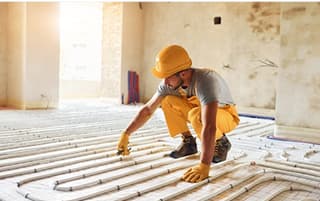
- Soil heating cables can be installed using different methods, including direct burying or in conjunction with heating mats.
- The installation method will affect the efficiency of heat distribution.
In summary, understanding the key features and specifications of soil heating cables helps businesses make informed decisions when selecting the right product for their needs.
𝗖𝗼𝗺𝗺𝗼𝗻 𝗔𝗽𝗽𝗹𝗶𝗰𝗮𝘁𝗶𝗼𝗻𝘀 𝗮𝗻𝗱 𝗨𝘀𝗲 𝗖𝗮𝘀𝗲𝘀
Soil heating cables serve various industries, each benefiting from the consistent temperature control they provide.
1. Agriculture: In agricultural settings, soil heating cables are used to extend the growing season, allowing crops to thrive even in cooler climates. They help in germinating seeds and promoting root development.
2. Horticulture: Greenhouses and nurseries often utilize soil heating cables to maintain optimal conditions for young plants. The cables ensure that soil temperatures remain stable, fostering healthy growth.
3. Landscape Design: Landscape architects use soil heating cables to ensure that new plantings establish well in colder months. This technology can help in creating vibrant landscapes year-round.
4. Aquaponics: In aquaponics systems, soil heating cables regulate the temperature of the growing medium, supporting the symbiotic relationship between fish and plants.
5. Sports Turf Management: Soil heating cables are employed in maintaining sports fields, ensuring that the turf remains healthy and playable in colder weather.
6. Industrial Processes: Certain manufacturing processes require temperature control for product quality. Soil heating cables can be integrated into these processes to ensure consistent temperatures.
7. Research Facilities: Laboratories and research facilities may use soil heating cables for experiments that require precise temperature regulation in soil samples.
𝗣𝗿𝗼𝗱𝘂𝗰𝘁 𝗩𝗮𝗿𝗶𝗮𝗻𝘁𝘀 𝗮𝗻𝗱 𝗦𝘂𝗯𝗰𝗮𝘁𝗲𝗴𝗼𝗿𝗶𝗲𝘀
Soil heating cables come in diverse variants to cater to specific applications and preferences.
Standard Heating Cable
This variant is designed for general use in agricultural and horticultural applications. It provides consistent heating and is easy to install, making it suitable for various environments.
Self-Regulating Heating Cable
This variant automatically adjusts its output based on the surrounding temperature. It is ideal for applications where temperature fluctuations are common, providing energy efficiency and reliability.
Heavy-Duty Heating Cable
Designed for industrial applications, this variant offers increased durability and higher power output. It is suitable for environments that require robust heating solutions under challenging conditions.
𝗕𝗲𝗻𝗲𝗳𝗶𝘁𝘀 𝗮𝗻𝗱 𝗔𝗱𝘃𝗮𝗻𝘁𝗮𝗴𝗲𝘀
Soil heating cables offer several benefits that make them an attractive choice for businesses.
1. Improved Plant Growth: By maintaining optimal soil temperatures, these cables enhance seed germination and root development, leading to healthier plants.
2. Extended Growing Season: Soil heating cables enable farmers and gardeners to plant earlier in the spring and extend the harvest season into the fall.
3. Energy Efficiency: Many soil heating cables are designed to operate efficiently, minimizing energy consumption while maximizing heating effectiveness.
4. Easy Installation: Most soil heating cables can be easily installed in various configurations, allowing flexibility in setup.
5. Versatile Applications: These cables are suitable for a wide range of industries, providing solutions for agriculture, horticulture, and industrial processes.
6. Consistent Results: By providing uniform heating, soil heating cables ensure consistent results in plant growth and product quality across applications.
𝗕𝘂𝘆𝗶𝗻𝗴 𝗚𝘂𝗶𝗱𝗲 𝗳𝗼𝗿 𝗕𝟮𝗕 𝗕𝘂𝘆𝗲𝗿𝘀
When sourcing soil heating cables, it is essential to consider several key factors to ensure the best fit for your business needs.
1. Quality Assessment: Evaluate the quality of the cables by checking for compliance with relevant standards and certifications. High-quality materials and manufacturing processes are crucial for durability and performance.
2. Supplier Verification: Vet suppliers to ensure they are reputable and reliable. Look for suppliers with positive reviews and a proven track record in delivering quality products.
3. Pricing and MOQ: Consider the pricing structure and minimum order quantities (MOQ) required by suppliers. Ensure that the costs align with your budget and project needs.
4. Delivery and Lead Times: Discuss delivery schedules and lead times with suppliers to ensure you receive your products in a timely manner, especially if you have specific project deadlines.
5. Compliance Requirements: Ensure that the soil heating cables meet any regional compliance and safety regulations. This is particularly important for industries with strict regulatory standards.
𝗖𝗼𝗺𝗽𝗹𝗶𝗮𝗻𝗰𝗲 𝗮𝗻𝗱 𝗖𝗲𝗿𝘁𝗶𝗳𝗶𝗰𝗮𝘁𝗶𝗼𝗻𝘀
Soil heating cables must adhere to various quality standards and certifications to ensure safety and performance.
ISO 9001 is a widely recognized standard that indicates a commitment to quality management and continuous improvement. Manufacturers complying with this standard demonstrate their ability to consistently provide products that meet customer and regulatory requirements.
CE certification is essential for products sold in the European market, indicating that the product meets health, safety, and environmental protection standards. This certification reinforces the credibility of soil heating cables in international markets.
Safety and testing requirements are crucial for ensuring that soil heating cables operate effectively without posing risks to users or the environment. Regular testing and adherence to safety protocols are necessary for maintaining compliance and high performance.
Regional compliance considerations may vary, and it is vital for manufacturers and suppliers to be aware of specific regulations in the regions where their products will be sold or used.
𝗪𝗵𝘆 𝗦𝗼𝘂𝗿𝗰𝗲 𝗦𝗼𝗶𝗹 𝗛𝗲𝗮𝘁𝗶𝗻𝗴 𝗖𝗮𝗯𝗹𝗲𝘀 𝗳𝗿𝗼𝗺 𝗣𝗲𝗽𝗮𝗴𝗼𝗿𝗮?
Pepagora provides a trusted platform for sourcing soil heating cables, offering several key advantages for B2B buyers.
Verified Supplier Network: Pepagora ensures that all suppliers in its network are thoroughly vetted. This verification process helps buyers find reliable sources of high-quality soil heating cables, minimizing risk in the purchasing process.
Streamlined RFQ Process: The quotation system at Pepagora is designed to simplify the buying process. Buyers can easily request quotes from multiple suppliers, allowing them to compare prices and offerings efficiently.
Trade Assurance and Support: Pepagora offers trade assurance to protect buyers' investments. This support includes assistance throughout the purchasing process, ensuring that buyers have the help they need to make informed decisions.
Regional Coverage: With a strong presence in India, the GCC, and Southeast Asia, Pepagora provides extensive geographic coverage. This regional reach enables buyers to access soil heating cables tailored to local market needs while benefiting from competitive pricing and quality assurance.
Newly Added
Currently, no products are listed. Explore other categories listed below or post your buying request
Explore Verified Categories
Browse trusted industries powered by verified suppliers.
Recently Added









Why Businesses Trust Pepagora
Thousands of companies trust Pepagora to source smarter and sell faster
Expand Your Sales Globally
25000+Products listed.Get discovered by global buyers
Tools to boost visibility
Build your own catalog

Source Smarter,Grow Faster
4000+Active RFQs
100+ Countries served
Easy Sourcing Tools
