
 IN
INundefined
Smart Switches
17 products available
𝗪𝗵𝗮𝘁 𝗮𝗿𝗲 𝗦𝗺𝗮𝗿𝘁 𝗦𝘄𝗶𝘁𝗰𝗵𝗲𝘀?
Smart switches are advanced electrical switches that enable users to control lighting and other electrical devices remotely. They connect to a network, allowing operation via smartphones, tablets, or voice-activated devices. Unlike traditional switches, smart switches offer enhanced functionalities, such as scheduling, dimming, and monitoring energy usage, making them an essential component of modern smart homes and offices.
These devices are primarily used in residential and commercial settings to improve convenience and energy efficiency. Businesses can integrate smart switches into their existing electrical systems, enabling centralized control over lighting and appliances. This is particularly beneficial for facilities management, where energy savings and operational efficiency are critical. The growing demand for smart home technologies and energy-efficient solutions positions smart switches as a relevant product in the current market landscape.
As industries increasingly focus on automation and energy management, smart switches are gaining traction. The technology is evolving rapidly, with innovations aimed at enhancing user experience and connectivity. This trend is further amplified by the rise of the Internet of Things (IoT) and the need for sustainable energy practices across various sectors.
𝗞𝗲𝘆 𝗙𝗲𝗮𝘁𝘂𝗿𝗲𝘀 𝗮𝗻𝗱 𝗦𝗽𝗲𝗰𝗶𝗳𝗶𝗰𝗮𝘁𝗶𝗼𝗻𝘀
Smart switches come equipped with a range of features that enhance their functionality and usability. Understanding these specifications can help buyers make informed decisions.
Key specifications include:
1. Connectivity Options
- Smart switches typically support Wi-Fi, Zigbee, Z-Wave, or Bluetooth connectivity.
- This flexibility allows integration with various smart home ecosystems.
2. Power Rating
- Most models can handle a power rating between 10A to 16A.
- Ensures compatibility with a wide range of devices.
3. Compatibility
- Smart switches are compatible with both LED and incandescent bulbs.
- This versatility makes them suitable for diverse lighting setups.
4. App Integration
- Many smart switches offer integration with mobile applications.
- Users can control devices remotely and set schedules via their smartphones.
5. Voice Control
- Compatible with voice assistants like Amazon Alexa and Google Assistant.
- Allows hands-free operation for added convenience.
6. Energy Monitoring
- Some models feature energy monitoring capabilities.
- Users can track energy consumption and adjust usage patterns for efficiency.
7. Design and Aesthetics
- Smart switches are available in various designs and finishes.
- This allows for seamless integration into different interior styles.
8. Installation Type
- Available in both single-pole and three-way switch configurations.
- Offers flexibility for different installation scenarios.
Smart switches combine cutting-edge technology with practical features, making them an ideal choice for energy-conscious consumers.
𝗖𝗼𝗺𝗺𝗼𝗻 𝗔𝗽𝗽𝗹𝗶𝗰𝗮𝘁𝗶𝗼𝗻𝘀 𝗮𝗻𝗱 𝗨𝘀𝗲 𝗖𝗮𝘀𝗲𝘀
Smart switches have a wide range of applications across various industries, providing innovative solutions to everyday challenges.
1. Residential: Homeowners use smart switches to control lighting and appliances remotely, enhancing comfort and energy efficiency while allowing for automation of daily routines.
2. Hospitality: Hotels and resorts integrate smart switches to improve guest experiences, offering personalized room settings and energy management.
3. Commercial Offices: Businesses utilize smart switches to create efficient work environments, controlling lighting and reducing energy costs through automation.
4. Retail: Retailers implement smart switches to manage lighting and displays, creating dynamic environments that can be adjusted based on store hours and customer traffic.
5. Healthcare: Hospitals and clinics use smart switches to control lighting and equipment in patient rooms, enhancing comfort and improving energy management.
6. Educational Institutions: Schools and universities adopt smart switches to automate lighting in classrooms and common areas, improving energy efficiency and reducing operational costs.
7. Industrial Facilities: Factories and warehouses leverage smart switches to streamline operations and monitor energy usage in large facilities.
𝗣𝗿𝗼𝗱𝘂𝗰𝘁 𝗩𝗮𝗿𝗶𝗮𝗻𝘁𝘀 𝗮𝗻𝗱 𝗦𝘂𝗯𝗰𝗮𝘁𝗲𝗴𝗼𝗿𝗶𝗲𝘀
Smart switches come in various configurations and features to meet different needs and preferences.
Wi-Fi Smart Switches
Wi-Fi smart switches connect directly to a home or business Wi-Fi network, allowing for easy remote control via mobile apps. These switches are simple to install and do not require a hub, making them user-friendly for residential and small commercial applications.
Zigbee Smart Switches
Zigbee smart switches require a compatible hub to operate but offer reliable connectivity and low power consumption. They are ideal for larger installations where multiple devices need to communicate efficiently, such as in commercial buildings or smart home systems.
Z-Wave Smart Switches
Z-Wave smart switches operate on a mesh network, providing extended range and reliability. These switches are commonly used in home automation systems, enabling seamless integration with various smart devices.
𝗕𝗲𝗻𝗲𝗳𝗶𝘁𝘀 𝗮𝗻𝗱 𝗔𝗱𝘃𝗮𝗻𝘁𝗮𝗴𝗲𝘀
Smart switches offer a multitude of benefits that enhance their appeal to B2B buyers.
1. Energy Savings: Smart switches help reduce energy consumption by allowing users to control lights and devices efficiently, leading to lower utility bills.
2. Increased Convenience: The ability to control devices remotely or through voice commands enhances user convenience, streamlining daily operations.
3. Improved Security: Smart switches can be programmed to create the appearance of occupancy when the building is unoccupied, deterring potential security threats.
4. Customization: Users can set schedules and automate settings based on their unique needs, allowing for tailored experiences in residential and commercial environments.
5. Integration with Smart Home Systems: Smart switches can be easily integrated with existing smart home devices, creating a cohesive and interconnected system.
6. Enhanced User Experience: With features like dimming, scheduling, and energy monitoring, smart switches enhance the overall user experience and operational efficiency.
𝗕𝘂𝘆𝗶𝗻𝗴 𝗚𝘂𝗶𝗱𝗲 𝗳𝗼𝗿 𝗕𝟮𝗕 𝗕𝘂𝘆𝗲𝗿𝘀
When sourcing smart switches, businesses should consider several factors to ensure they select the right products.
1. Quality Assessment: Buyers should evaluate the quality of smart switches by reviewing technical specifications, warranty information, and user reviews. High-quality products will ensure reliability and longevity.
2. Supplier Verification: It is essential to verify suppliers' credentials and reputation in the market. This may include checking references, certifications, and their track record for timely deliveries.
3. Pricing and MOQ: Understanding the pricing structure and minimum order quantities (MOQ) is vital for budget planning. Buyers should compare prices across different suppliers for the best value.
4. Delivery and Lead Times: Logistics play a crucial role in procurement. Buyers should inquire about delivery times and ensure that the supplier can meet their project timelines.
5. Compliance Requirements: Businesses must ensure that the smart switches comply with relevant industry standards and regulations. This may include safety certifications and environmental compliance.
𝗖𝗼𝗺𝗽𝗹𝗶𝗮𝗻𝗰𝗲 𝗮𝗻𝗱 𝗖𝗲𝗿𝘁𝗶𝗳𝗶𝗰𝗮𝘁𝗶𝗼𝗻𝘀
Smart switches must adhere to various quality standards and industry certifications to ensure safety and reliability.
ISO 9001 is a widely recognized quality management standard that ensures manufacturers implement effective processes to deliver consistent products. Compliance with ISO 9001 indicates that the manufacturer prioritizes quality and customer satisfaction.
The CE marking indicates that a product meets European health, safety, and environmental protection standards. This certification is essential for manufacturers looking to sell smart switches in the European market.
Safety requirements for smart switches often include rigorous testing for electrical safety, performance, and durability. Manufacturers must comply with these safety standards to ensure their products are safe for consumer use.
Regional compliance considerations may vary by location. Buyers must be aware of local regulations governing electrical devices to ensure that the smart switches meet all necessary requirements.
𝗪𝗵𝘆 𝗦𝗼𝘂𝗿𝗰𝗲 𝗦𝗺𝗮𝗿𝘁 𝗦𝘄𝗶𝘁𝗰𝗵𝗲𝘀 𝗳𝗿𝗼𝗺 𝗣𝗲𝗽𝗮𝗴𝗼𝗿𝗮?
Pepagora offers a trusted platform for sourcing smart switches, providing numerous advantages for B2B buyers.
Verified Supplier Network: Pepagora works with a network of verified suppliers, ensuring that buyers have access to high-quality products from reputable manufacturers. This verification process minimizes risks associated with sourcing.
Streamlined RFQ Process: The platform simplifies the request for quotation (RFQ) process, allowing buyers to quickly compare offers from multiple suppliers. This efficiency saves time and helps secure competitive pricing.
Trade Assurance and Support: Pepagora provides trade assurance, offering protection to buyers in case of disputes. This support ensures a secure purchasing experience, enhancing buyer confidence.
Regional Coverage: With a strong presence in India, the GCC, and Southeast Asia, Pepagora offers extensive regional coverage, making it easier for businesses to source smart switches tailored to their specific needs. This geographic reach enhances accessibility for buyers across diverse markets.
Newly Added





Recently Added
Aarzoo Traders
Heavy Duty Battery Terminal Cables Copper Conductors Heat Resistant
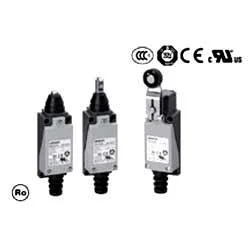
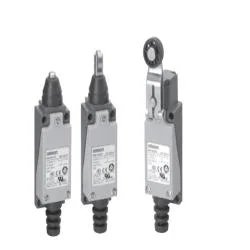
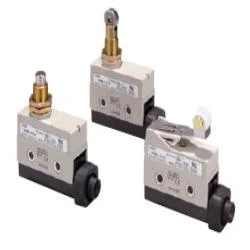
Industrial Automation High Quality Used Limit Switches For Machinery Safety
Industrial Used Armored And Non Armored Wires For Electrical Infrastructure
Bharat Engineering Works Faridabad
Construction Banana Type Concrete Buckets For High Rise Buildings
Bharat Engineering Works Cone Type Concrete Buckets For Construction
Construction Concrete Column Buckets Low Feeding Height
Vifa CNC And Services
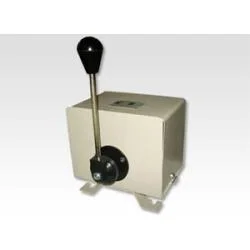
Industrial Rotary Switch High Voltage Compact Durable Long Life
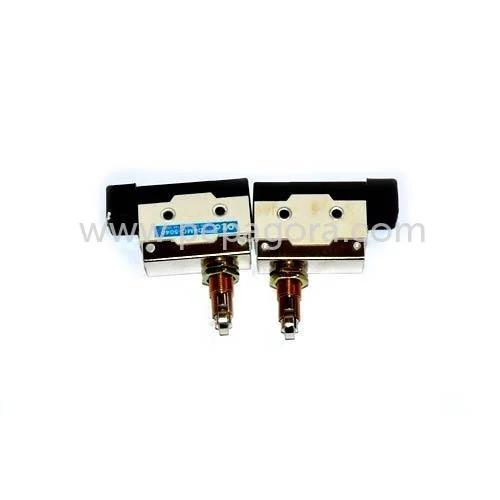
Industrial CNC Limit Switch LS 03 High Voltage Compact Durable
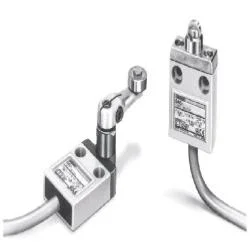
Honeywell Plunger Switch High Voltage Compact Long Life Industrial
Navago Electronics & Electricals
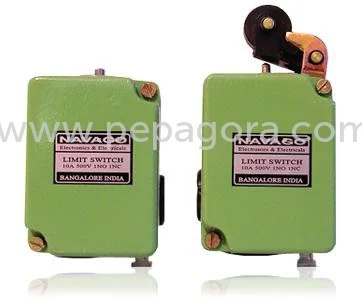
Industrial Automation Limit Switches for CNC Machines and Conveyor Systems
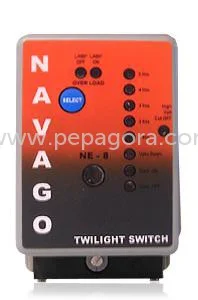
Navago Twilight Switch: Automatic Outdoor Lighting Control for Streets & Compounds
Industrial Motor Protection PFV Phase Failure Relay For Voltage Unbalance
Acme Controls
Industrial Automation 15A Basic Switches High Repeat Accuracy
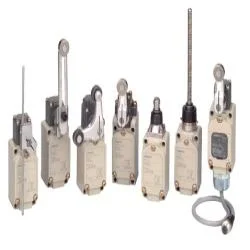
Industrial Automation Limit Switches Compact Vertical Horizontal Models
Industrial Automation Compact Vertical Limit Switch Asian Standard
Eastern Electric Corporation
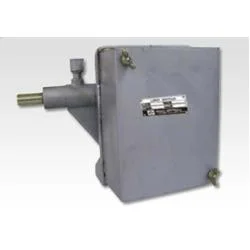
Industrial Automation Master Controllers For Reliable Performance
Industrial Rotary Switches For Electrical Control In Demanding Environments
Industrial Automation Limit Switches for Precise Motion Control
Vijayalaxmi Industries
Industrial Four Wheel Bearing Cable Trolley For Overhead Conveying
Industrial Cable Trolley Heavy Duty Multiple Carriers Durable
Industrial Material Handling Federal Four Wheel Cable Trolley
Sujatha Electronics
Industrial Air Preparation Units Automatic Drain Filter Regulator G1/4 G1
Industrial Automation Square Cylinders VDMA 24562 A20 A21 Series 32 100mm
Industrial Automation Compact ISO Cylinder 32 100mm Bore Magnetic Reed Switch
Carve Dies
Precision CNC Milling Services For Industrial Components
High Volume Injection Moulding Dies For Automotive And Electronics
Plastic Injection Moulds For Automotive Medical Packaging
Gururaj Engineers
Industrial Voltage Converter Card For Automotive Testing And Automation
Industrial Pulse Jet Timer Sequential Timer For Dust Collection Systems
Industrial Automation Special Purpose Card For Serve Control Systems
Why Businesses Trust Pepagora
Thousands of companies trust Pepagora to source smarter and sell faster
Expand Your Sales Globally
25000+Products listed.Get discovered by global buyers
Tools to boost visibility
Build your own catalog

Source Smarter,Grow Faster
4000+Active RFQs
100+ Countries served
Easy Sourcing Tools
